Tag: white blood cells

  • Sperm Analysis and Semen Analysis: The Key Factors to Consider

    Blog Post: Sperm Analysis and Semen Analysis: The Key Factors to Consider

    The process of sperm and semen analysis is an essential component of male fertility testing and a crucial step in understanding a couple’s ability to conceive. It involves the examination of sperm and semen samples to evaluate the quantity, quality, and motility of sperm cells. This analysis is a vital diagnostic tool for identifying any underlying issues that may be affecting male fertility. In this blog post, we will discuss the key factors to consider in sperm analysis and semen analysis.

    1. Quantity

    The quantity of sperm in a semen sample is a crucial factor in fertility. A healthy sperm count is essential for fertilization to take place. Low sperm count, also known as oligospermia, can significantly affect male fertility. The World Health Organization (WHO) has set the normal sperm count to be at least 15 million per milliliter of semen. Anything below this can be considered low and may require further testing and treatment.

    2. Quality

    Apart from the quantity, the quality of sperm is also a crucial factor in male fertility. The semen analysis evaluates the shape and size of sperm cells. The ideal shape of sperm is an oval head and a long tail, which helps in the sperm’s motility. Abnormalities in sperm morphology can decrease the chances of fertilization. A high percentage of abnormal sperm can indicate underlying issues such as genetic defects or hormonal imbalances.

    3. Motility

    Motility refers to the sperm’s ability to move and swim towards the egg for fertilization. A semen analysis determines the percentage of sperm that are actively moving. The WHO has set the normal motility rate to be at least 40%. Anything below this can indicate issues with sperm function and may require further testing and treatment. Low sperm motility can be caused by various factors such as infections, hormonal imbalances, or structural abnormalities.

    4. Semen Volume

    The volume of semen produced during ejaculation is another key factor in sperm analysis. A low semen volume can indicate issues with the seminal vesicles, which are responsible for producing the fluid that nourishes and protects sperm cells. A low volume can also affect sperm motility and make it difficult for the sperm to reach the egg.

    5. pH Levels
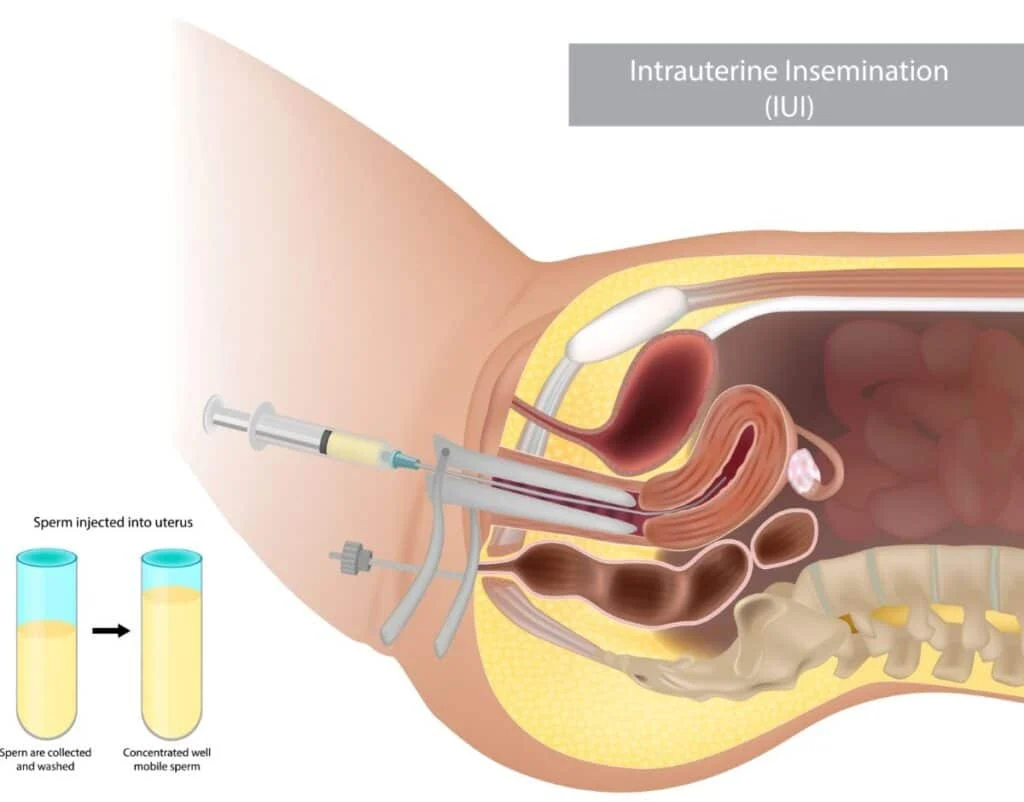
    Diagram illustrating intrauterine insemination (IUI) procedure with sperm injection into the uterus.

    Sperm Analysis and Semen Analysis: The Key Factors to Consider

    The pH level of semen can also impact sperm quality and motility. The ideal pH range for semen is between 7.2 to 8.0. A more acidic or alkaline pH can affect sperm function and decrease the chances of fertilization. Various factors such as infections, diet, and lifestyle can contribute to changes in the pH level of semen.

    6. White Blood Cells

    The presence of white blood cells in semen can indicate an infection or inflammation in the reproductive system. High levels of white blood cells can affect sperm function and decrease fertility. A semen analysis can detect the presence of white blood cells and help identify the underlying cause.

    7. Lifestyle Factors

    Lifestyle factors such as smoking, alcohol consumption, and drug use can significantly impact sperm quality and quantity. These habits can cause oxidative stress, leading to DNA damage and affecting sperm function. It is essential to maintain a healthy lifestyle to improve overall sperm health.

    8. Timing of Sample Collection

    The timing of sample collection for sperm and semen analysis is crucial. It is recommended to abstain from ejaculation for at least 2-3 days before providing a sample. This ensures a more accurate representation of sperm health. Additionally, the sample should be collected in a sterile container and delivered to the lab within an hour.

    It is important to note that a single semen analysis may not provide a complete picture of male fertility. Further testing and evaluations may be required to identify any underlying issues and develop a treatment plan. It is also essential to consult with a fertility specialist if you and your partner are struggling to conceive.

    In conclusion, sperm analysis and semen analysis are critical tools in assessing male fertility. The quantity, quality, motility, semen volume, pH levels, white blood cells, and lifestyle factors are all key factors to consider in these tests. Maintaining a healthy lifestyle, timely sample collection, and seeking professional help when needed can help improve sperm health and increase the chances of conception.
    Summary:

    Sperm analysis and semen analysis are vital tools in assessing male fertility. Key factors to consider in these tests include quantity, quality, motility, semen volume, pH levels, white blood cells, and lifestyle factors. Maintaining a healthy lifestyle and seeking professional help when needed can help improve sperm health and increase the chances of conception.

  • Breaking Down the Components of Sperm Analysis and Semen Analysis

    Blog Post: Breaking Down the Components of Sperm Analysis and Semen Analysis

    When it comes to male fertility, sperm analysis and semen analysis are two crucial tests that can provide valuable information about a man’s reproductive health. These tests involve examining the quality and quantity of sperm and semen to determine if there are any underlying issues that may be affecting fertility. In this blog post, we will break down the components of sperm analysis and semen analysis, and explain why they are important for male reproductive health.

    What is Sperm Analysis?

    Sperm analysis, also known as a sperm count, is a test that measures the number of sperm in a given sample of semen. The World Health Organization (WHO) defines a normal sperm count as 15 million sperm per milliliter (ml) or more. A low sperm count, also known as oligospermia, is considered to be anything less than 15 million sperm per ml. A complete lack of sperm is called azoospermia.

    Sperm analysis is usually the first test performed when evaluating male fertility. It is a relatively simple and non-invasive procedure that involves collecting a semen sample either through masturbation or during sexual intercourse using a special condom. The sample is then examined under a microscope to determine the number, shape, and movement (motility) of the sperm.

    Components of Sperm Analysis

    1. Sperm Count

    As mentioned earlier, sperm count refers to the number of sperm present in a given sample of semen. A normal sperm count is crucial for fertility as it increases the chances of fertilizing an egg. A low sperm count can be caused by various factors such as hormonal imbalances, genetic conditions, infections, and certain medications.

    2. Sperm Morphology

    Sperm morphology refers to the shape and size of sperm. Abnormalities in sperm morphology can affect the ability of sperm to fertilize an egg. For example, sperm with a double tail or a misshapen head may have difficulty penetrating the egg.

    3. Sperm Motility

    Sperm motility refers to the movement of sperm. It is an important factor in fertility as it helps sperm swim towards the egg. A high percentage of motile sperm is necessary for successful fertilization. Poor sperm motility can be caused by hormonal imbalances, genetic conditions, and lifestyle habits such as smoking and excessive alcohol consumption.

    4. Semen Volume

    Semen volume refers to the amount of semen in a given sample. A low semen volume can indicate a problem with the seminal vesicles or prostate gland, while a high semen volume may indicate a blockage in the reproductive system.

    5. pH Levels

    The pH level of semen refers to its acidity or alkalinity. A normal pH level is slightly alkaline, which helps to protect sperm from the acidic environment of the vagina. Abnormal pH levels can be caused by infections, inflammation, or hormonal imbalances.

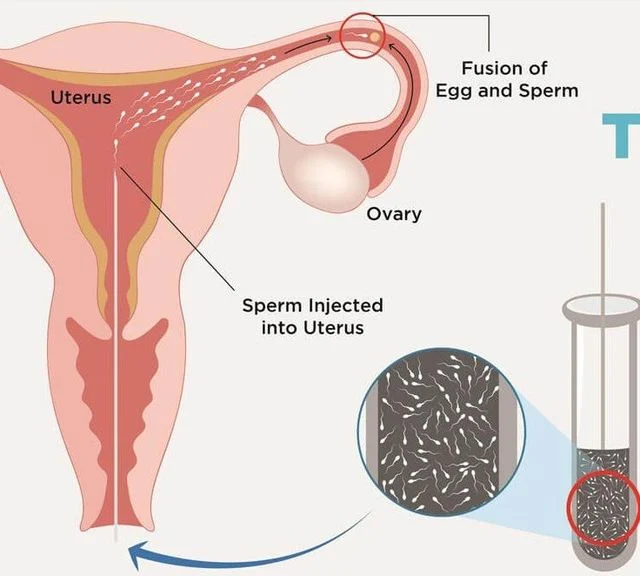
    Diagram illustrating the IUI process, showing sperm injection into the uterus and egg fertilization.

    Breaking Down the Components of Sperm Analysis and Semen Analysis

    What is Semen Analysis?

    Semen analysis, also known as a semen culture, is a test that checks for the presence of bacteria and other microorganisms in semen. It is usually done alongside sperm analysis to determine if there is an infection or inflammation in the reproductive system. Semen analysis is also used to diagnose conditions such as sexually transmitted infections (STIs) and prostatitis.

    Components of Semen Analysis

    1. White Blood Cells

    White blood cells, also known as leukocytes, are a type of immune cell that is present in semen. An increased number of white blood cells in semen may indicate infection or inflammation in the reproductive system.

    2. Bacteria and Other Microorganisms

    Semen analysis also checks for the presence of bacteria, viruses, and other microorganisms in semen. These microorganisms can cause infections and affect fertility.

    3. STIs

    Semen analysis can detect the presence of STIs such as chlamydia, gonorrhea, and trichomoniasis. These infections can affect sperm production and motility, leading to fertility issues.

    4. Prostate-specific Antigen (PSA)

    PSA is an enzyme produced by the prostate gland. High levels of PSA in semen may indicate inflammation or infection in the prostate.

    Why are Sperm Analysis and Semen Analysis Important?

    Sperm analysis and semen analysis are important for several reasons. Firstly, they can help diagnose fertility issues in men. A low sperm count or poor sperm quality can make it difficult for a man to impregnate his partner. Identifying these issues through sperm analysis and semen analysis can help couples make informed decisions about their fertility options.

    Secondly, these tests can also detect underlying health conditions that may be affecting male fertility. For example, a high number of white blood cells in semen may indicate an infection or inflammation in the reproductive system. Early detection and treatment of these conditions can help improve fertility and overall health.

    Moreover, sperm analysis and semen analysis are important for monitoring the success of fertility treatments. For men undergoing procedures such as intrauterine insemination (IUI) or in vitro fertilization (IVF), regular sperm analysis and semen analysis can provide important information about the viability of sperm and the chances of a successful pregnancy.

    In summary, sperm analysis and semen analysis are crucial tests for evaluating male fertility. They can provide important information about the quality and quantity of sperm and semen, and help diagnose underlying health conditions that may affect fertility. If you and your partner are struggling with fertility issues, these tests can provide valuable insights and guide you towards the best course of action.

    SEO Metadata: