Tag: medical treatment

  • Fertility Coaches vs Fertility Specialists: Understanding the Differences

    Blog Post Title: Fertility Coaches vs Fertility Specialists: Understanding the Differences

    In recent years, the field of fertility has seen a rise in the popularity of fertility coaches. These coaches offer support and guidance to individuals and couples struggling with fertility issues, promising to help them achieve their dream of starting a family. However, there is often confusion about the role of a fertility coach and how it differs from that of a fertility specialist. In this blog post, we will explore the differences between fertility coaches and fertility specialists, and why it is important to understand these distinctions.

    Fertility Coaches:
    Fertility coaches are not medical professionals and do not have any formal medical training. They are typically individuals who have gone through their own fertility struggles and have successfully conceived a child. They may also have a background in holistic health, nutrition, or counseling. Fertility coaches offer emotional support, advice on lifestyle changes, and help with navigating the fertility journey. They may also provide resources and recommendations for alternative fertility treatments such as acupuncture, naturopathy, or herbal supplements.

    One of the main benefits of working with a fertility coach is the emotional support they can provide. Fertility struggles can be incredibly isolating and overwhelming, and having someone who understands and can offer guidance can be very helpful. Fertility coaches also often have a more holistic approach, focusing on the mind-body connection and how it can impact fertility. They may also offer practical advice on nutrition, exercise, and stress management, which can play a significant role in fertility.

    However, it is important to note that fertility coaches are not trained medical professionals and should not be relied upon for medical advice. They can offer support and guidance, but they cannot diagnose or treat any medical conditions. If you are struggling with fertility issues, it is crucial to seek the expertise of a fertility specialist.

    Fertility Specialists:
    Fertility specialists, also known as reproductive endocrinologists, are medical doctors who specialize in diagnosing and treating fertility issues. They have completed extensive training in obstetrics and gynecology, followed by a fellowship in reproductive endocrinology and infertility. Fertility specialists have a deep understanding of the complex hormonal, medical, and genetic factors that can impact fertility. They have access to advanced diagnostic tools and fertility treatments, such as in vitro fertilization (IVF), intrauterine insemination (IUI), and other assisted reproductive technologies.
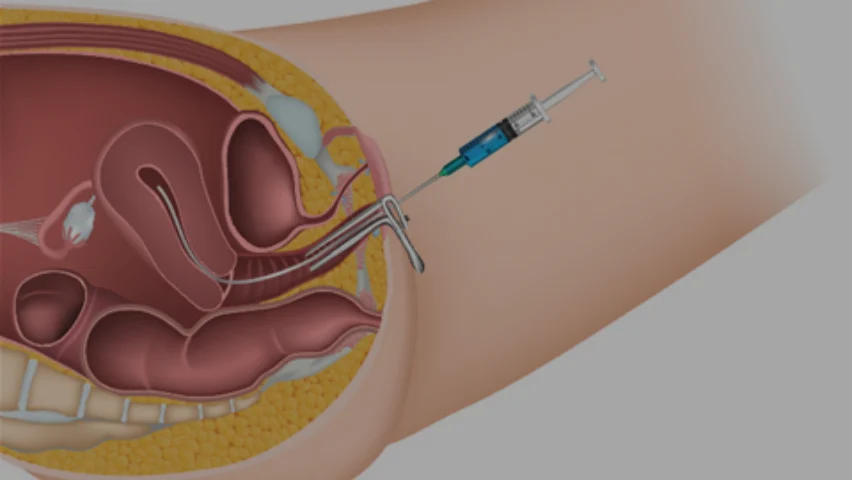
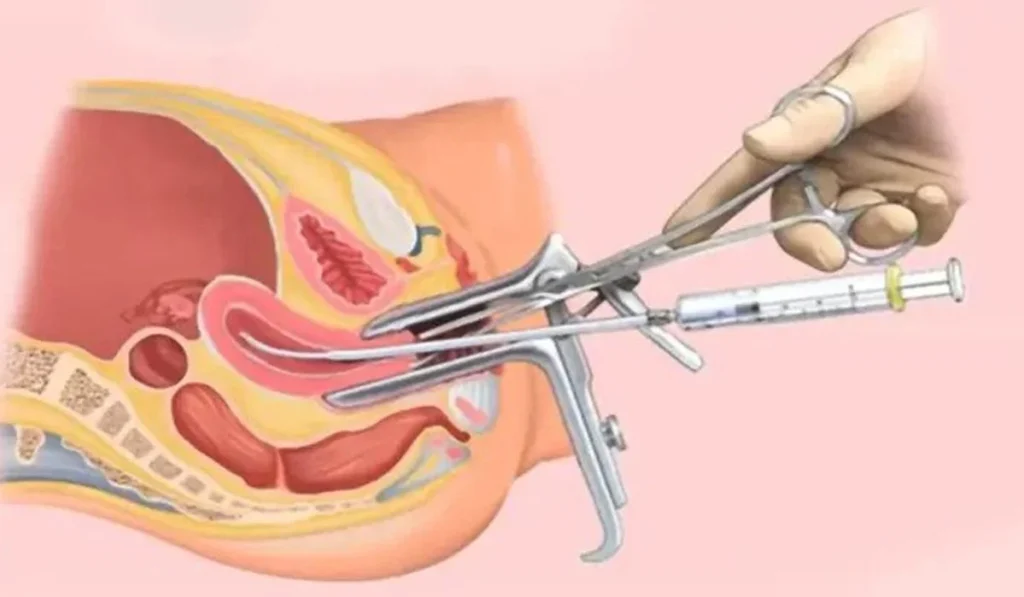
    Illustration of intrauterine insemination (IUI) procedure with syringe and catheter in the uterus.

    Fertility Coaches vs Fertility Specialists: Understanding the Differences

    One of the main advantages of working with a fertility specialist is their medical expertise and access to advanced treatments. They can conduct thorough evaluations, diagnose any underlying medical conditions, and develop personalized treatment plans based on each patient’s unique needs. Fertility specialists also have a team of nurses, embryologists, and other healthcare professionals to support them in providing comprehensive care.

    It is also worth noting that fertility specialists can diagnose and treat both male and female fertility issues. In contrast, fertility coaches typically focus on the female partner’s journey and may not have the knowledge or expertise to address male fertility concerns.

    So, Which One Do You Need?
    The answer to this question depends on your individual situation and needs. If you are struggling with fertility issues and have not yet sought medical advice, it is essential to start by consulting a fertility specialist. They can conduct necessary tests and evaluations to determine the cause of your fertility struggles and provide appropriate medical treatment.

    However, if you have already been diagnosed with a medical condition impacting your fertility, or if you are undergoing fertility treatments, working with a fertility coach can be a beneficial addition to your treatment plan. They can offer emotional support and guidance, as well as practical advice on lifestyle changes that can improve your chances of conception.

    In summary, fertility coaches and fertility specialists play different roles in the fertility journey. Fertility coaches offer emotional support and guidance, while fertility specialists provide medical expertise and treatment. It is essential to understand these distinctions and seek the appropriate help for your specific needs.

    In conclusion, while fertility coaches and fertility specialists both have a role to play in the fertility journey, they offer different types of support. Fertility coaches can provide emotional support and practical advice, while fertility specialists offer medical expertise and treatment. It is crucial to seek the appropriate help for your specific needs and to ensure that you are receiving the best care possible in your journey towards starting a family.
  • The Cost of Fertility: Comparing Coaching and Medical Treatment

    Blog Post:

    Fertility is often seen as a natural process, something that should happen effortlessly when a couple decides to start a family. However, for many couples, this is not the case. Infertility affects approximately 10-15% of couples worldwide, and the emotional and financial toll it can take is significant. As a result, many couples turn to fertility treatments in hopes of achieving their dream of having a child. But with the rising costs of fertility treatments, many are left wondering if the financial burden is worth it. In this blog post, we will explore the cost of fertility treatments, specifically comparing the cost of coaching versus medical treatment.

    The Cost of Fertility Treatments:

    The cost of fertility treatments can vary greatly, depending on the type of treatment, where you live, and your individual circumstances. In the United States, the average cost of a single IVF cycle can range from $12,000 to $15,000, not including additional medications and procedures. This is a significant amount of money for most couples, and it is not uncommon for multiple cycles to be needed before achieving a successful pregnancy. Other treatments, such as intrauterine insemination (IUI) or fertility medications, can also add up quickly, with an average cost of $2,000 to $5,000 per cycle.

    Coaching for Fertility:

    Coaching for fertility is a relatively new concept, but it has gained popularity in recent years. It involves working with a fertility coach, who provides emotional and psychological support, as well as guidance and advice on lifestyle changes that can potentially improve fertility. The cost of fertility coaching can range from a few hundred dollars to several thousand, depending on the length and intensity of the program.

    Comparing the Cost:

    On the surface, it may seem that coaching for fertility is a more affordable option compared to medical treatment. However, it is essential to dive deeper and consider the long-term effects and success rates of each. While coaching may have a lower upfront cost, it may not address the underlying medical issues that are causing infertility. In contrast, medical treatment focuses on diagnosing and treating these issues, increasing the chances of a successful pregnancy.

    illustration of an intrauterine insemination procedure with medical instruments and anatomical details

    The Cost of Fertility: Comparing Coaching and Medical Treatment

    Success Rates:

    When it comes to success rates, medical treatment has a higher chance of achieving a pregnancy compared to coaching. According to the Society for Assisted Reproductive Technology, the average success rate for IVF in the US is around 45% for women under 35, and this rate decreases with age. On the other hand, the success rate for coaching is difficult to determine as it is highly dependent on the individual’s commitment and the effectiveness of the program. While coaching may have a lower upfront cost, it may not be as cost-effective in the long run if it is not successful in helping achieve a pregnancy.

    Emotional and Mental Health:

    Infertility can take a toll on a couple’s emotional and mental health, and this is where coaching may have an advantage. Fertility coaching often includes therapy sessions, group support, and other techniques to help individuals cope with the stress and emotions that come with infertility. This support can be invaluable, as it not only helps individuals feel less alone but also equips them with coping mechanisms to manage the challenges of trying to conceive. In contrast, medical treatment may not address these emotional and mental health aspects, and some individuals may benefit from seeking additional support through therapy or support groups.

    Considerations for Choosing a Treatment Option:

    When considering the cost of fertility treatments and which option is right for you, there are a few factors to consider. First, it is essential to understand the underlying cause of infertility and the recommended treatment by a medical professional. In some cases, coaching may be a beneficial addition to medical treatment, but it should not be seen as a replacement. Additionally, it is vital to consider your individual circumstances, such as age, medical history, and financial situation. Ultimately, the decision should be made based on what is best for you and your partner.

    Summary:

    Infertility affects millions of couples worldwide, and the cost of fertility treatments can be a significant barrier for many. While coaching for fertility may seem like a more affordable option, it is essential to consider the long-term effects and success rates. In contrast, medical treatment may have a higher upfront cost, but it has a higher chance of achieving a successful pregnancy. Additionally, it is essential to consider factors such as emotional and mental health and individual circumstances when deciding on a treatment option. Ultimately, the decision should be made based on what is best for the individual or couple seeking treatment.

  • Navigating the Challenges of Fertility: How Coaching and Medical Treatment Can Help

    Navigating the Challenges of Fertility: How Coaching and Medical Treatment Can Help

    Fertility is the ability to conceive and give birth to a child, a natural process that many couples hope to experience. However, for some, this journey is not as simple as it seems. Fertility challenges can arise due to various reasons, such as age, medical conditions, or lifestyle factors.

    For those struggling with fertility, the emotional toll can be overwhelming. The pressure to conceive, disappointment with unsuccessful attempts, and the fear of never being able to have a child can take a toll on one’s mental health and relationships. However, with the right support and tools, navigating these challenges can become a more manageable and hopeful journey.

    In this blog post, we will explore the challenges of fertility and how both coaching and medical treatment can help individuals and couples overcome these obstacles.

    The Emotional Impact of Fertility Challenges

    For many individuals and couples, the desire to have a child is a deeply emotional and personal one. Thus, when faced with fertility challenges, it can be a devastating experience. The constant pressure to conceive and the fear of never being able to do so can lead to feelings of inadequacy, guilt, and hopelessness.

    Moreover, fertility challenges can also put a strain on relationships. Couples may experience conflicts and become distant as they cope with the stress and disappointment of unsuccessful attempts. This can lead to feelings of isolation and further emotional distress.

    Coaching for Fertility Challenges

    Coaching is a powerful tool that can help individuals and couples navigate the emotional challenges of fertility. A fertility coach is a trained professional who provides support, guidance, and resources to individuals and couples struggling with fertility.

    One of the main benefits of coaching is the opportunity to talk openly and freely about one’s feelings and concerns. A fertility coach creates a safe and non-judgmental space for individuals to express their emotions, fears, and hopes. Through this process, individuals can gain a better understanding of their emotions and learn healthy ways to cope with them.

    Additionally, fertility coaching can also help individuals and couples set realistic expectations and goals. With the pressure to conceive, it is common for individuals to set unrealistic expectations and timelines. A fertility coach can help individuals assess their situation and set achievable goals, reducing the stress and disappointment that can come with unmet expectations.

    Furthermore, fertility coaches can also provide practical tools and resources to help individuals and couples manage the emotional toll of fertility challenges. This can include relaxation techniques, coping strategies, and self-care practices.

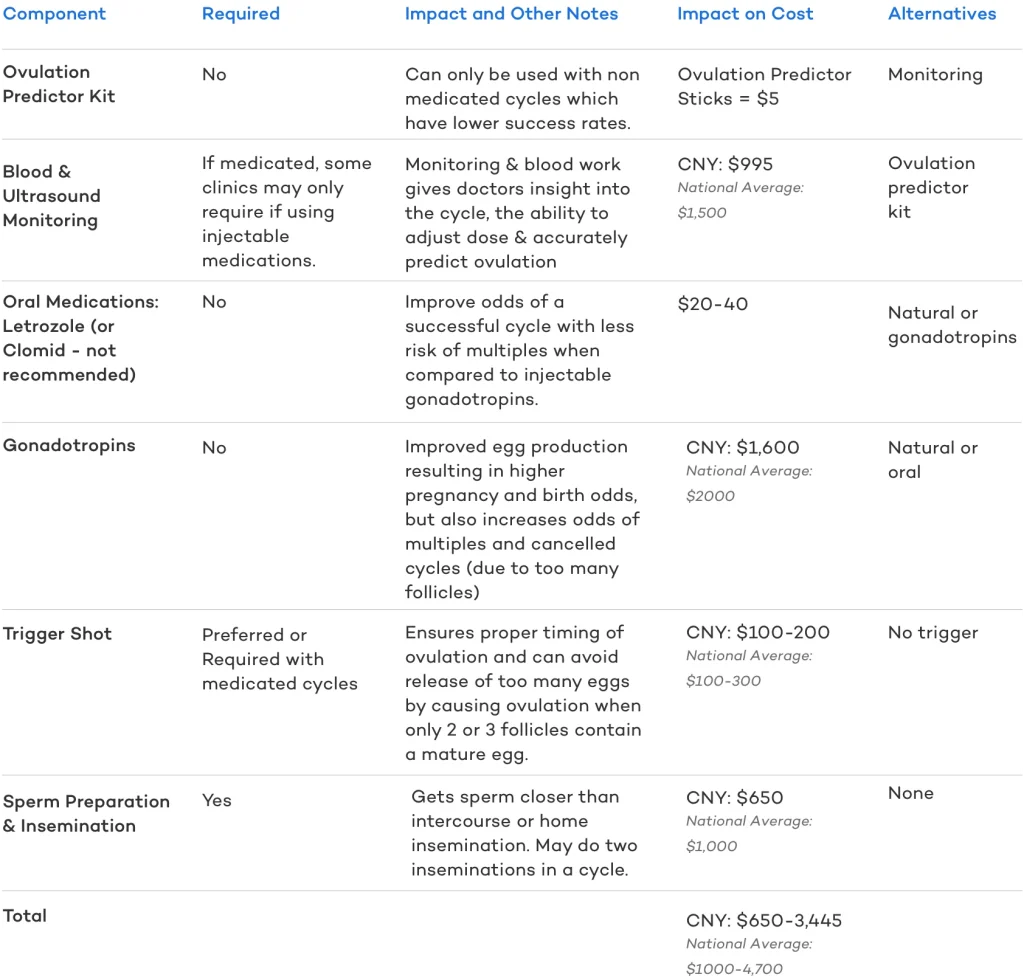
    Cost breakdown for IUI components, including requirements, impacts, and alternatives.

    Navigating the Challenges of Fertility: How Coaching and Medical Treatment Can Help

    Medical Treatment for Fertility Challenges

    While coaching can provide valuable emotional support, medical treatment is often necessary for individuals and couples struggling with fertility challenges. Medical treatment can address underlying medical conditions that may be causing fertility issues and increase the chances of conception.

    Some common medical treatments for fertility include fertility medications, intrauterine insemination (IUI), and in vitro fertilization (IVF). These treatments can be tailored to an individual’s specific needs and can provide a glimmer of hope for those struggling with fertility.

    However, medical treatment can also be a stressful and overwhelming experience, with its own set of challenges. This is where the combination of coaching and medical treatment can be particularly beneficial.

    How Coaching and Medical Treatment Can Work Together

    Coaching and medical treatment can complement each other to provide a holistic approach to managing fertility challenges. While medical treatment focuses on the physical aspect of fertility, coaching addresses the emotional and mental impact.

    For example, during fertility treatments, individuals may experience side effects, financial strain, and the pressure of timing and tracking ovulation. A fertility coach can provide emotional support and practical tools to help individuals manage these challenges. They can also help individuals and couples stay motivated and positive throughout the treatment process.

    Moreover, coaching can also help individuals and couples make informed decisions about their fertility treatment. With a better understanding of their emotions and goals, individuals can work with their doctor to choose the best treatment plan for their specific needs.

    Summary:

    Fertility challenges can be emotionally and mentally draining for individuals and couples. The pressure to conceive, disappointment with unsuccessful attempts, and the fear of never having a child can take a toll on one’s well-being and relationships. However, with the support of coaching and medical treatment, navigating these challenges can become a more manageable and hopeful journey.

    Coaching provides a safe and non-judgmental space for individuals to express their emotions and gain a better understanding of their feelings. It also offers practical tools and resources to help individuals cope with the emotional toll of fertility challenges. On the other hand, medical treatment can address underlying medical conditions and increase the chances of conception. The combination of coaching and medical treatment can provide a holistic approach to managing fertility challenges, addressing both the emotional and physical aspects.

    In conclusion, while fertility challenges may seem insurmountable, with the right support and tools, individuals and couples can navigate these challenges and find hope in their journey towards parenthood.

  • Fertility Coaching vs Doctors: Finding the Right Balance for Your Journey

    Blog Post:
    Fertility issues can be a challenging and emotional journey for many individuals and couples. It can be a rollercoaster of hope, disappointment, and frustration. In this journey, it is essential to have the right support and guidance to navigate through the process. While doctors play a crucial role in diagnosing and treating fertility issues, fertility coaches have emerged as another option for individuals and couples seeking to conceive. In this blog post, we will explore the differences between fertility coaching and doctors and how finding the right balance between the two can benefit your fertility journey.

    Fertility Coaching:
    Fertility coaching has gained popularity in recent years as a holistic approach to fertility issues. Fertility coaches are trained professionals who specialize in providing emotional and psychological support to individuals and couples struggling with fertility issues. They offer guidance and tools to help individuals and couples cope with the emotional and physical stress of trying to conceive.

    One of the main benefits of fertility coaching is the emotional support and empathy they provide. Dealing with fertility issues can be emotionally draining, and having someone who understands and supports you can be invaluable. Fertility coaches also offer a safe space for individuals and couples to express their fears, concerns, and anxieties without judgment.

    Fertility coaches also focus on the mind-body connection and how it can impact fertility. They help individuals and couples identify and address any underlying emotional or psychological issues that may be hindering their fertility. This approach recognizes that stress, anxiety, and other emotional factors can have a significant impact on fertility and works towards reducing these factors to improve the chances of conception.

    Another area where fertility coaching differs from doctors is in their approach to treatment. While doctors focus on medical interventions such as fertility drugs, In Vitro Fertilization (IVF), and other procedures, fertility coaches offer a more holistic approach. They may recommend changes in diet, lifestyle, and stress management techniques to improve overall health and fertility.

    Doctors:
    When it comes to fertility issues, doctors play a crucial role in diagnosing and treating underlying medical conditions. They have the expertise and training to identify the root cause of fertility problems and offer medical treatments to improve fertility. Doctors may recommend fertility drugs to stimulate ovulation, perform procedures like Intrauterine Insemination (IUI) or IVF, or suggest surgery to correct any physical abnormalities that may be impacting fertility.

    test tube with sperm in blue liquid, promoting IUI success rate and factors influencing fertility.

    Fertility Coaching vs Doctors: Finding the Right Balance for Your Journey

    One of the main benefits of working with a doctor is their medical expertise. They can conduct tests, diagnose medical conditions, and offer treatments that can directly improve fertility. Doctors also work closely with fertility specialists who can provide advanced treatments for more complex fertility issues.

    Another advantage of working with a doctor is that they can monitor your progress and make adjustments to your treatment plan if needed. They can also provide medical guidance and support throughout the entire fertility journey.

    Finding the Right Balance:
    While both fertility coaching and doctors have their unique benefits, it is essential to find the right balance between the two in your fertility journey. It is not a matter of choosing one over the other, but rather recognizing the complementary roles they play.

    For individuals and couples struggling with fertility issues, it is crucial to address both the physical and emotional aspects of fertility. Doctors can provide medical treatments to improve fertility, while fertility coaches can offer emotional support and guidance to reduce stress and improve overall well-being. By combining the two, individuals and couples can have a more holistic and comprehensive approach to their fertility journey.

    It is also essential to communicate and collaborate with both your fertility coach and doctor. Keeping them informed about your treatment plans, progress, and any changes in your health can help them work together to provide the best support and guidance for your fertility journey.

    In conclusion, fertility coaching and doctors both play crucial roles in the journey towards conception. While doctors focus on the medical aspect of fertility issues, fertility coaches offer emotional support and a holistic approach to improve overall well-being. By finding the right balance between the two, individuals and couples can have a more comprehensive and supportive fertility journey.

    Summary:
    Fertility coaching and doctors both play vital roles in the journey towards conception. While doctors focus on the medical aspect of fertility issues, fertility coaches offer emotional support and a holistic approach to improve overall well-being. Finding the right balance between the two can provide individuals and couples with a more comprehensive and supportive fertility journey.

  • Maximizing Your Fertility: The Benefits of Coaching and Medical Treatment

    Title: Maximizing Your Fertility: The Benefits of Coaching and Medical Treatment

    Introduction:

    For many people, starting a family is a lifelong dream. However, for some, conceiving a child may not come as easily as they had hoped. Infertility affects approximately 12% of couples worldwide, and it can be a heartbreaking and stressful experience. Fortunately, with advancements in reproductive medicine and the help of fertility coaching, many couples can overcome infertility and increase their chances of conception. In this blog post, we will explore the benefits of combining fertility coaching and medical treatment to maximize your fertility.

    What is Fertility Coaching?

    Fertility coaching is a relatively new concept that aims to support individuals or couples who are struggling with infertility. It focuses on helping individuals understand their fertility and how to optimize it. Fertility coaches work closely with clients to develop personalized plans that address their specific needs and concerns. They provide guidance and support throughout the entire fertility journey, which can be physically, emotionally, and financially draining.

    Benefits of Fertility Coaching:

    1. Understanding Your Fertility: One of the significant benefits of fertility coaching is gaining a better understanding of your fertility. Fertility coaches educate individuals about their reproductive health, including the factors that can affect fertility, such as age, lifestyle, and medical conditions. This knowledge can help individuals make informed decisions about their fertility and improve their chances of conceiving.

    2. Personalized Fertility Plans: Each individual’s fertility journey is unique, and what works for one person may not work for another. Fertility coaches work closely with their clients to develop personalized plans that cater to their specific needs. This can include lifestyle changes, dietary recommendations, and stress management techniques, among others. Having a personalized plan can increase the chances of success and make the fertility journey less overwhelming.

    3. Emotional Support: Dealing with infertility can take a toll on an individual’s emotional well-being. Fertility coaches provide a safe and supportive space for individuals to express their feelings and emotions. They can help individuals cope with the stress, anxiety, and disappointment that comes with infertility. Additionally, fertility coaches can provide tools and techniques to manage these emotions, making the fertility journey a more positive experience.

    4. Advocacy and Communication: Fertility coaches act as advocates for their clients, helping them navigate the complex medical system and communicate effectively with healthcare providers. They can also accompany clients to appointments and provide support and guidance during medical procedures. This can help individuals feel more in control of their fertility journey and ensure that their needs and concerns are heard and addressed.

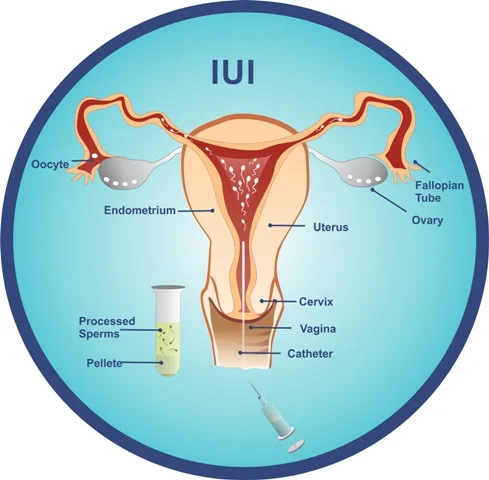
    diagram illustrating intrauterine insemination (IUI) with labeled reproductive anatomy and procedures

    Maximizing Your Fertility: The Benefits of Coaching and Medical Treatment

    The Role of Medical Treatment:

    While fertility coaching can be beneficial on its own, it is often used in conjunction with medical treatment. Medical treatment, such as assisted reproductive technology (ART), can help individuals overcome specific fertility issues and increase their chances of conceiving. Some common medical treatments for infertility include in vitro fertilization (IVF), intrauterine insemination (IUI), and fertility medications.

    Benefits of Combining Fertility Coaching and Medical Treatment:

    1. Increased Success Rates: Studies have shown that combining fertility coaching with medical treatment can significantly increase the chances of success. Fertility coaches can help individuals prepare both physically and emotionally for medical procedures, making them more effective. Additionally, fertility coaches can help individuals make the necessary lifestyle changes to optimize their fertility and increase the chances of successful treatment.

    2. Better Management of Side Effects: Fertility treatments can come with various side effects, such as mood swings, weight gain, and fatigue. Fertility coaches can help individuals manage these side effects through stress management techniques, dietary recommendations, and emotional support. This can make the fertility journey more comfortable and less stressful.

    3. Financial Guidance: Fertility treatment can be expensive, and the cost can add to the stress of the fertility journey. Fertility coaches can help individuals navigate the financial aspect of fertility treatment by providing guidance on insurance coverage, financing options, and cost-saving strategies. This can help individuals make informed decisions about their treatment and alleviate some of the financial burdens.

    4. Addressing Underlying Issues: Fertility coaches can help individuals identify and address any underlying issues that may be hindering their ability to conceive. This can include mental health concerns, relationship issues, or unresolved traumas. By addressing these issues, individuals can improve their overall well-being and increase their chances of success with fertility treatment.

    Conclusion:

    Infertility can be a challenging and emotional experience, but it is essential to remember that there is hope. By combining fertility coaching with medical treatment, individuals can maximize their fertility and increase their chances of conceiving. Fertility coaching provides invaluable support, guidance, and education throughout the fertility journey, while medical treatment can address specific fertility issues. Together, these approaches can help individuals overcome infertility and fulfill their dream of starting a family.

    Summary:

    In this blog post, we discussed the benefits of combining fertility coaching and medical treatment to maximize fertility. Fertility coaching can help individuals understand their fertility, develop personalized plans, provide emotional support, and act as advocates. Medical treatment can address specific fertility issues and increase the chances of successful conception. Combining these approaches can lead to increased success rates, better management of side effects, financial guidance, and addressing underlying issues. With the help of fertility coaching and medical treatment, individuals can overcome infertility and achieve their dream of starting a family.

  • Breaking Down the Differences Between Fertility Coaching and Doctors

    Fertility is a topic that affects many individuals and couples around the world. It is a highly personal and emotional journey that can be filled with challenges and uncertainties. With the rise in infertility rates, the demand for fertility support and treatment has also increased. As a result, there are now various options available for those seeking help in conceiving, including fertility coaching and medical treatment from doctors. However, many people are still confused about the differences between these two approaches and which one is best suited for them. In this blog post, we will break down the differences between fertility coaching and doctors to help you gain a better understanding of these options.

    Fertility Coaching

    Fertility coaching is a relatively new concept in the world of reproductive health. It involves working with a trained and certified fertility coach to address the emotional, mental, and physical aspects of fertility. The focus of fertility coaching is to support individuals and couples through their fertility journey by providing them with the tools, guidance, and resources they need to improve their reproductive health.

    One of the main differences between fertility coaching and doctors is that fertility coaching takes a holistic approach. It recognizes that fertility is not just a physical issue but also an emotional and mental one. Fertility coaches work with their clients to address any underlying emotional or mental barriers that may be hindering their ability to conceive. They also provide support and guidance in making lifestyle changes that can positively impact fertility, such as nutrition, exercise, and stress management.

    Fertility coaching also involves setting and achieving goals, creating personalized fertility plans, and tracking progress. Fertility coaches provide ongoing support and accountability to their clients, helping them stay on track and motivated on their journey towards parenthood. They also offer a safe and non-judgmental space for clients to express their feelings and concerns, which can be crucial in such a sensitive and emotional journey.

    Doctors and Medical Treatment

    On the other hand, doctors’ role in fertility treatment is to diagnose and treat any medical conditions that may be causing infertility. They have extensive medical training and expertise in reproductive health and can provide a range of medical treatments, including fertility medications, assisted reproductive technologies (ART), and surgery. Doctors can also offer genetic testing and counseling for couples with a history of genetic disorders.

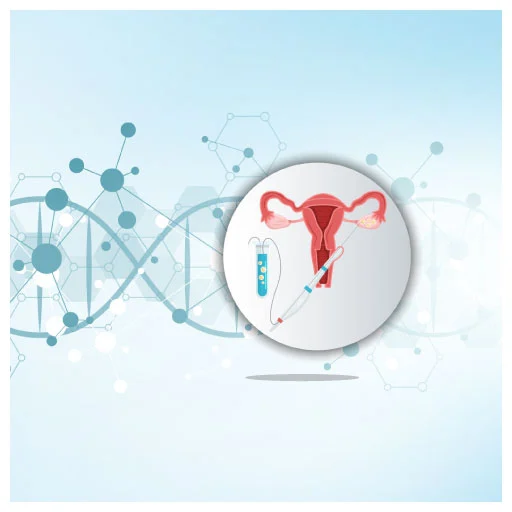
    Illustration of IUI procedure with uterus and syringe against a DNA background.

    Breaking Down the Differences Between Fertility Coaching and Doctors

    Unlike fertility coaching, medical treatment focuses solely on the physical aspect of fertility. Doctors will conduct various tests to determine the root cause of infertility and then recommend appropriate treatment options. They also monitor the progress of their patients and adjust treatment plans accordingly.

    One significant advantage of medical treatment is that it can address specific medical conditions that may be causing infertility. For example, if a woman has blocked fallopian tubes, surgery may be necessary to remove the blockage and improve her chances of conceiving. Doctors can also offer more advanced treatments, such as in vitro fertilization (IVF), which can be highly effective for certain types of infertility.

    Which One is Right for You?

    Choosing between fertility coaching and doctors is a personal decision that depends on individual needs and preferences. Some people may benefit from a combination of both approaches, while others may find that one is more suitable for them.

    If you are struggling with the emotional aspect of fertility, fertility coaching may be a better fit. A fertility coach can provide you with the emotional support and tools you need to navigate this journey with confidence and peace of mind. On the other hand, if you have a known medical condition that is affecting your fertility, seeking medical treatment from a doctor may be necessary.

    It is also essential to note that fertility coaching and medical treatment are not mutually exclusive. Many fertility clinics now offer integrated care, where they combine medical treatment with fertility coaching. This approach can provide a more comprehensive and holistic approach to fertility treatment.

    In summary, fertility coaching and doctors offer different but complementary approaches to addressing infertility. Fertility coaching focuses on the emotional, mental, and physical aspects of fertility, while doctors provide medical treatment for specific medical conditions. The best option for you will depend on your unique needs and preferences, and in some cases, a combination of both may be beneficial.

    In conclusion, understanding the differences between fertility coaching and doctors can help individuals and couples make informed decisions about their fertility journey. Whether you choose fertility coaching, medical treatment, or a combination of both, know that there is support and help available for you on this journey towards parenthood.