Blog Post: Demystifying the Options: Intrauterine Insemination vs Intracervical Insemination
For couples or individuals struggling with fertility, the journey to starting a family can be a confusing and overwhelming process. Along with various medical procedures, there are also different types of insemination that may be recommended by doctors, such as intrauterine insemination (IUI) and intracervical insemination (ICI). These two procedures are often used interchangeably, which can cause confusion and uncertainty for those considering them. In this blog post, we will demystify the options and provide a clear understanding of the differences between IUI and ICI.
What is Intrauterine Insemination (IUI)?
IUI is a fertility treatment in which sperm is directly inserted into the uterus, bypassing the cervix. This procedure is commonly used for couples experiencing unexplained infertility, mild male factor infertility, or cervical issues. IUI can also be used for same-sex couples or individuals using donor sperm.
The process of IUI begins with the collection of sperm, which can be from a partner or a sperm donor. The sperm is then washed and prepared in a laboratory to increase its concentration and remove any potentially harmful substances. During the procedure, a thin, flexible catheter is inserted through the cervix and into the uterus, where the sperm is injected. This procedure is usually painless and takes only a few minutes to complete.
What is Intracervical Insemination (ICI)?
ICI, also known as intravaginal insemination, is another fertility treatment that involves inserting sperm into the cervix. However, unlike IUI, ICI does not require the use of a catheter or any specialized equipment. Instead, a syringe or a cervical cap is used to introduce the sperm into the cervix.
ICI is often recommended for couples with mild male factor infertility or for those who prefer a more natural and less invasive approach. It is also commonly used for donor insemination in same-sex couples or individuals.
Key Differences between IUI and ICI
While both IUI and ICI involve the insertion of sperm into the reproductive tract, there are some key differences between the two procedures.
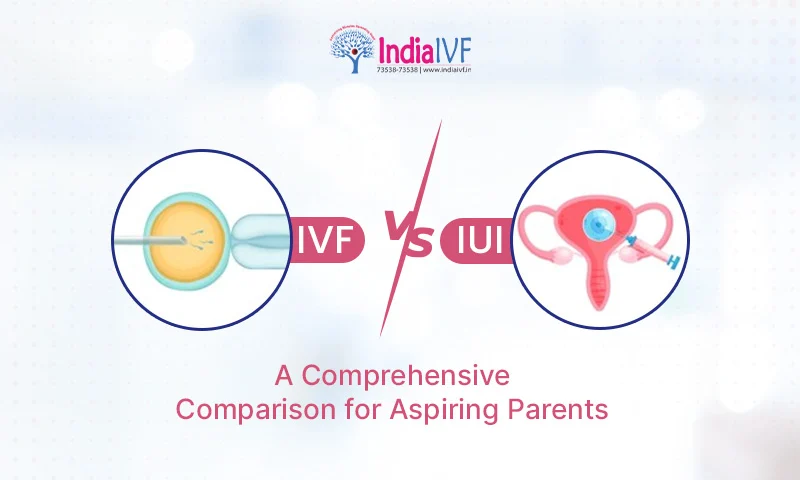
Demystifying the Options: Intrauterine Insemination vs Intracervical Insemination
1. Process and Equipment
As mentioned earlier, IUI requires the use of a catheter, while ICI does not. This makes ICI a more convenient and less invasive option, as it can be done at home without the need for specialized equipment or medical personnel. On the other hand, IUI must be performed in a medical setting and requires the use of a catheter, which can cause some discomfort for some individuals.
2. Success Rates
The success rates of IUI and ICI can vary depending on factors such as the cause of infertility, the age of the woman, and the quality of the sperm. However, in general, IUI has a higher success rate than ICI. This is because IUI allows the sperm to be placed closer to the fallopian tubes, increasing the chances of fertilization.
3. Timing and Frequency of Procedure
IUI is usually timed to coincide with ovulation, which is determined by monitoring hormone levels or using ultrasound. This means that the procedure is typically only done once or twice during a woman’s cycle. On the other hand, ICI can be done multiple times during a cycle, as it does not require precise timing.
Which Procedure is Right for You?
The decision between IUI and ICI ultimately depends on your specific situation and preferences. It is important to discuss with your doctor and consider factors such as the cause of infertility, your age, and any potential risks or discomfort associated with each procedure.
If you are a same-sex couple or an individual using a sperm donor, ICI may be a more convenient and less invasive option. However, if you have been diagnosed with certain fertility issues or are facing unexplained infertility, IUI may be recommended by your doctor.
In summary, intrauterine insemination (IUI) and intracervical insemination (ICI) are two different fertility procedures that involve the insertion of sperm into the reproductive tract. While IUI is a more invasive and specialized procedure, it has a higher success rate and is typically recommended for specific fertility issues. ICI, on the other hand, is a more natural and less invasive option, making it a popular choice for same-sex couples or individuals using donor sperm. It is important to consult with your doctor and consider your individual situation when deciding which procedure is right for you.