Donor Sperm 101: Exploring the Differences Between Frozen and Fresh Options
Donor sperm has become a popular option for individuals and couples seeking to start a family. Whether due to fertility issues, same-sex relationships, or single parenthood, donor sperm offers a way to fulfill the desire for parenthood. However, with the increasing demand for donor sperm, it is essential to understand the differences between frozen and fresh options. In this blog post, we will explore the basics of donor sperm, the process of choosing a donor, and the differences between frozen and fresh donor sperm options.
The Basics of Donor Sperm
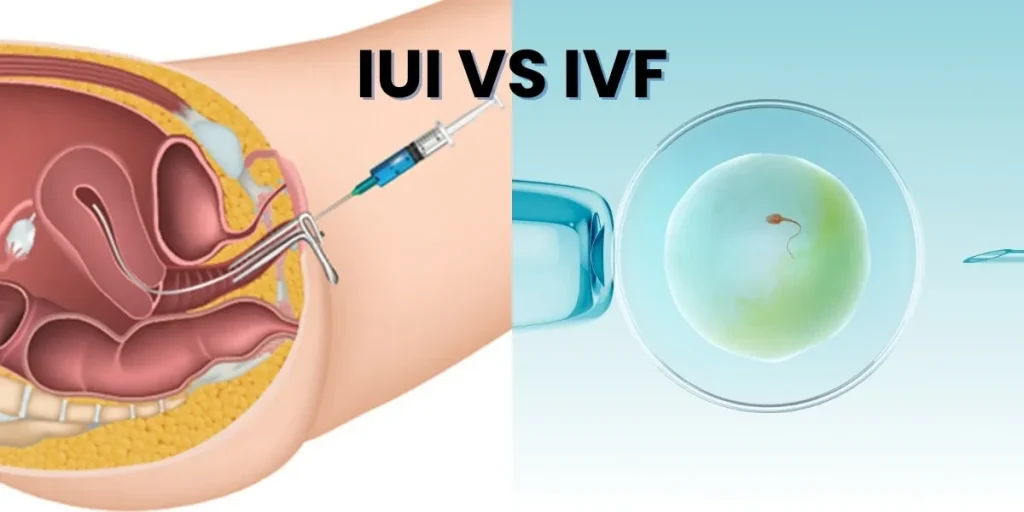
Donor sperm is sperm that is donated by a man for the purpose of fertilizing a woman’s egg. It can be used in intrauterine insemination (IUI), in vitro fertilization (IVF), or other assisted reproductive technologies. Donor sperm is usually provided by sperm banks, which collect, screen, and store the donated sperm. The sperm donors can be anonymous or known, and they are thoroughly screened for genetic and infectious diseases.
The Process of Choosing a Donor
Choosing a donor can be an overwhelming process, but it is essential to find the right match for you and your family. When choosing a donor, there are several factors to consider, such as physical characteristics, medical history, education, and interests. Sperm banks provide detailed profiles of donors, including their physical traits, family medical history, educational background, and personal information. It is crucial to review these profiles carefully and consult with a fertility specialist to ensure that the chosen donor is the best match for you.
Differences Between Frozen and Fresh Donor Sperm Options
Frozen Donor Sperm:
Frozen donor sperm is the most common option for individuals and couples seeking donor sperm. It is readily available and can be shipped to fertility clinics worldwide. The sperm is collected, processed, and frozen before being tested for infectious diseases and genetic disorders. The freezing process reduces the risk of transmitting any diseases or genetic disorders to the recipient. Additionally, frozen sperm can be stored for an extended period, offering the possibility of using the same donor for future pregnancies.
Benefits of Frozen Donor Sperm:
1. Availability: As mentioned earlier, frozen donor sperm is readily available and can be shipped to fertility clinics worldwide. This makes it easier for individuals and couples who live in remote areas to access donor sperm.
2. Cost-effective: Frozen donor sperm is generally more affordable than fresh sperm. This is because the sperm is collected and stored in large batches, reducing the cost of collection and processing.
3. Flexibility in timing: With frozen donor sperm, there is no need to coordinate with the donor’s schedule. This provides flexibility in timing for IUI or IVF procedures.
Donor Sperm 101: Exploring the Differences Between Frozen and Fresh Options
Challenges of Frozen Donor Sperm:
1. Lower success rates: Frozen donor sperm has a lower success rate compared to fresh sperm. This is due to the freezing and thawing process, which can affect the sperm’s quality and viability.
2. Limited genetic information: With frozen donor sperm, the genetic information is limited to what is provided by the sperm bank. This can be a challenge for individuals or couples who want more detailed information about the donor.
Fresh Donor Sperm:
Fresh donor sperm is collected and used on the same day, eliminating the need for freezing and thawing. It is typically used in IUI procedures and is usually provided by known donors, such as friends or family members. Unlike frozen donor sperm, fresh sperm is not stored for future use.
Benefits of Fresh Donor Sperm:
1. Higher success rates: Fresh donor sperm has a higher success rate compared to frozen sperm. This is because the sperm is not subjected to the freezing and thawing process, maintaining its quality and viability.
2. Direct communication with the donor: With fresh donor sperm, there is the opportunity for direct communication with the donor. This can provide a sense of connection and comfort for the recipient.
Challenges of Fresh Donor Sperm:
1. Availability: Unlike frozen donor sperm, fresh sperm is not readily available and may require coordination with the donor’s schedule. This can be challenging for individuals or couples who do not have a known donor or live far from their chosen donor.
2. Higher cost: Fresh donor sperm is generally more expensive than frozen sperm. This is because the donor has to be compensated for their time and effort in providing the sperm.
In conclusion, both frozen and fresh donor sperm options have their pros and cons. It is essential to consult with a fertility specialist to determine which option is best for you based on your individual circumstances and preferences. Whether you choose frozen or fresh donor sperm, the most important thing is to find a donor who is the right fit for you and your family.
Summary:
Donor sperm has become a popular option for individuals and couples seeking to start a family. It is essential to understand the differences between frozen and fresh options to make an informed decision. Frozen donor sperm is readily available, cost-effective, and offers flexibility in timing, while fresh donor sperm has a higher success rate and allows for direct communication with the donor. Ultimately, the choice between frozen and fresh donor sperm depends on individual preferences and circumstances.