Tag: Diet

  • Fertility Nutrition and Mental Health: How Diet Can Impact Your Mood and Fertility

    Fertility Nutrition and Mental Health: How Diet Can Impact Your Mood and Fertility

    Fertility is a topic that is often discussed in terms of physical health, such as hormones and reproductive organs. However, what is often overlooked is the role that nutrition plays in both fertility and mental health. The food we eat not only affects our physical health, but it also has a significant impact on our mental and emotional well-being. In this blog post, we will delve into the connection between fertility, nutrition, and mental health, and how making simple changes to your diet can improve both your mood and your chances of conceiving.

    The Link Between Nutrition and Fertility

    When it comes to fertility, nutrition is crucial. Our bodies need a balanced and healthy diet to function optimally, and this is especially true when trying to conceive. Certain vitamins and minerals are essential for reproductive health, such as folate, zinc, and iron. These nutrients help regulate hormone levels, support egg and sperm production, and promote a healthy menstrual cycle.

    Studies have shown that women who follow a Mediterranean-style diet, rich in whole grains, fruits, vegetables, and healthy fats, have a higher chance of conceiving compared to those who consume a diet high in processed foods and unhealthy fats. This is because the Mediterranean diet is packed with essential vitamins and minerals that support reproductive health. Additionally, a healthy diet can also help with weight management, which is crucial for fertility. Being under or overweight can disrupt hormonal balance and make it harder to conceive.

    How Nutrition Affects Mental Health

    The food we eat not only impacts our physical health, but it also has a significant influence on our mental and emotional well-being. Our brains need a constant supply of nutrients to function correctly, and a poor diet can lead to imbalances in neurotransmitters, which are responsible for regulating our mood. For example, a deficiency in omega-3 fatty acids has been linked to depression and anxiety.

    Moreover, our gut health has a significant impact on our mental health. The gut is often referred to as the “second brain” because it contains millions of nerve cells that communicate with the brain. Therefore, the food we eat can affect our gut microbiome, which can impact our mood and overall mental health. Eating a diet high in processed foods and sugar can lead to inflammation in the gut, which has been linked to depression and other mental health disorders.

    The Connection Between Nutrition, Mental Health, and Fertility

    It may come as no surprise that there is a strong link between nutrition, mental health, and fertility. When we are stressed or anxious, our bodies produce high levels of the hormone cortisol, which can interfere with ovulation and sperm production. Additionally, poor nutrition can lead to inflammation in the body, which can cause damage to reproductive organs and interfere with the body’s ability to conceive.

    Furthermore, mental health disorders, such as depression and anxiety, can also affect fertility. Women with these conditions may have irregular menstrual cycles or experience hormonal imbalances that make it harder to conceive. Therefore, addressing mental health through nutrition can also improve fertility outcomes.

    What to Eat for Better Fertility and Mental Health
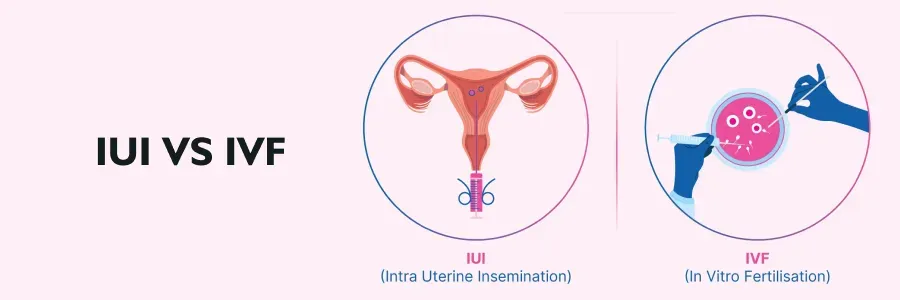
    Comparison of IUI and IVF with illustrations of each procedure.

    Fertility Nutrition and Mental Health: How Diet Can Impact Your Mood and Fertility

    Now that we understand the connection between nutrition, mental health, and fertility, let’s explore some specific foods that can improve both.

    1. Leafy Greens

    Leafy greens, such as spinach, kale, and arugula, are rich in folate, a B vitamin essential for reproductive health. Folate helps with egg and sperm production and can reduce the risk of birth defects. Additionally, leafy greens are packed with antioxidants, which can help reduce inflammation in the body and promote a healthy gut.

    2. Healthy Fats

    Healthy fats, such as avocados, nuts, and olive oil, are essential for reproductive health and mental well-being. These fats contain omega-3 fatty acids, which have been linked to improved fertility, reduced inflammation, and improved mood. Incorporating these healthy fats into your diet can also help with weight management, which is crucial for fertility.

    3. Whole Grains

    Whole grains, such as quinoa, brown rice, and oats, are rich in fiber, which is essential for hormonal balance. These foods also have a low glycemic index, meaning they don’t cause a spike in blood sugar levels, which can disrupt ovulation and sperm production. Moreover, whole grains are packed with essential vitamins and minerals that support reproductive health and overall well-being.

    4. Fermented Foods

    Fermented foods, such as sauerkraut, kimchi, and yogurt, contain probiotics, which are beneficial bacteria that support gut health. By promoting a healthy gut microbiome, these foods can also improve mental health and fertility outcomes. Additionally, fermented foods are rich in B vitamins, which are crucial for reproductive health.

    5. Colorful Fruits and Vegetables

    Fruits and vegetables of all colors are packed with essential vitamins, minerals, and antioxidants that support fertility and mental health. For example, berries are rich in antioxidants that can help reduce inflammation and support a healthy gut. Brightly colored vegetables, such as sweet potatoes and bell peppers, are rich in vitamin C, which can improve egg quality and reduce the risk of ovulatory infertility.

    In summary, fertility, nutrition, and mental health are all interconnected. The food we eat plays a significant role in our reproductive health and emotional well-being. By incorporating a variety of nutrient-dense foods into our diets, we can support our bodies’ overall health and increase our chances of conceiving. Additionally, paying attention to our mental health and addressing any imbalances through nutrition can also improve fertility outcomes. Remember, a healthy body and mind are crucial for starting a family.
  • Fertility Nutrition for Women with Polycystic Ovary Syndrome (PCOS): Managing Symptoms with Diet

    Polycystic Ovary Syndrome (PCOS) is a common hormonal disorder that affects up to 10% of women of reproductive age. It is characterized by irregular periods, ovarian cysts, and high levels of androgens (male hormones). One of the major concerns for women with PCOS is fertility, as it can make it more difficult to get pregnant. However, research has shown that nutrition and lifestyle changes can play a crucial role in managing PCOS symptoms and improving fertility. In this blog post, we will discuss the importance of nutrition in managing PCOS and provide tips on how to create a fertility-focused diet plan for women with PCOS.

    Understanding the Link Between PCOS and Nutrition
    PCOS is a complex condition with various contributing factors, including genetics, insulin resistance, and inflammation. However, research has shown that diet and lifestyle habits can also play a significant role in the development and management of PCOS. One of the main issues for women with PCOS is insulin resistance, which can lead to high levels of insulin and glucose in the blood. This can disrupt hormone levels and contribute to symptoms such as irregular periods and weight gain.

    Furthermore, women with PCOS tend to have higher levels of inflammation in their bodies, which can worsen insulin resistance and contribute to other symptoms such as acne and hair growth. Therefore, a diet that focuses on managing insulin levels and reducing inflammation can be beneficial for women with PCOS.

    Creating a Fertility-Focused Diet Plan for PCOS
    When it comes to managing PCOS symptoms and improving fertility, there is no one-size-fits-all approach. However, incorporating certain dietary principles can help regulate hormone levels and improve overall health for women with PCOS. Here are some tips for creating a fertility-focused diet plan for PCOS:

    1. Focus on whole, nutrient-dense foods: A diet rich in whole, unprocessed foods can provide essential nutrients and antioxidants to support hormone balance and reduce inflammation. Make sure to include a variety of fruits, vegetables, whole grains, lean proteins, and healthy fats in your meals.

    2. Choose low glycemic index (GI) foods: Foods with a low GI score cause a slower rise in blood sugar levels, which can be beneficial for women with PCOS who struggle with insulin resistance. Some examples of low GI foods include whole grains, legumes, and non-starchy vegetables.

    3. Include healthy fats: Healthy fats, such as avocados, nuts, and olive oil, can help improve insulin sensitivity and reduce inflammation. They also play a crucial role in hormone production and balance.

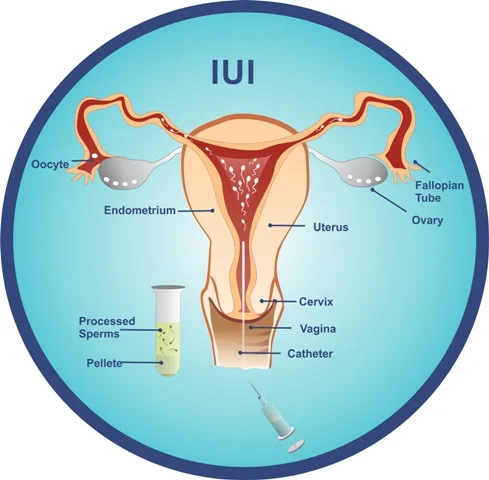
    diagram illustrating intrauterine insemination (IUI) with labeled reproductive anatomy and procedures

    Fertility Nutrition for Women with Polycystic Ovary Syndrome (PCOS): Managing Symptoms with Diet

    4. Limit refined carbs and sugars: Refined carbohydrates and added sugars can cause a spike in blood sugar levels and worsen insulin resistance. Limiting these foods can help regulate hormone levels and improve fertility.

    5. Consider supplements: Some women with PCOS may benefit from supplements such as inositol, omega-3 fatty acids, and vitamin D. Consult with a healthcare professional to determine which supplements may be beneficial for you.

    6. Stay hydrated: Adequate water intake is essential for overall health and can also help improve insulin sensitivity. Aim for at least 8 glasses of water per day.

    7. Be mindful of portion sizes: Women with PCOS may have a higher risk of weight gain and obesity, which can worsen symptoms and fertility. Be mindful of portion sizes and aim for a balanced diet to maintain a healthy weight.

    In addition to these dietary tips, it is also essential to incorporate regular physical activity into your routine. Exercise can help improve insulin sensitivity, regulate hormone levels, and reduce inflammation in the body.

    Final Thoughts
    Managing PCOS symptoms and improving fertility through diet and lifestyle changes may take time and effort, but the benefits are worth it. It is essential to remember that every woman’s body is different, and what works for one may not work for another. It is crucial to consult with a healthcare professional or a registered dietitian who specializes in PCOS to create a personalized diet plan that suits your needs and goals.

    In summary, PCOS is a complex condition that can significantly impact a woman’s fertility. However, incorporating specific dietary principles such as focusing on whole, nutrient-dense foods, choosing low GI options, limiting refined carbs and sugars, and staying hydrated can help manage symptoms and improve fertility. Along with regular physical activity and potentially targeted supplements, a fertility-focused diet can play a crucial role in managing PCOS and supporting overall health.

  • Fertility Nutrition for Men: Essential Nutrients for Optimal Sperm Production

    Blog Post:

    Fertility is a topic that is often associated with women, but it is just as important for men. In fact, studies have shown that male fertility issues contribute to about 40% of infertility cases. Therefore, it is crucial for men to pay attention to their overall health and nutrition in order to maintain optimal sperm production. In this blog post, we will discuss essential nutrients that are important for male fertility and how to incorporate them into your diet.

    1. Zinc

    Zinc is a mineral that plays a key role in male reproductive health. It is essential for sperm production and maintaining healthy testosterone levels. Studies have shown that men with low levels of zinc are more likely to have sperm abnormalities and reduced sperm count. Therefore, it is important for men to consume enough zinc in their diet.

    Foods rich in zinc include oysters, beef, chicken, pumpkin seeds, and cashews. If you are not getting enough zinc through your diet, you can also consider taking a zinc supplement. The recommended daily intake for men is 11 mg, but it is important not to exceed 40 mg per day as high levels of zinc can be harmful.

    2. Folate

    Folate, also known as vitamin B9, is an essential nutrient for both men and women when it comes to fertility. It has been found to improve sperm quality and reduce the risk of chromosomal abnormalities in sperm. Folate also helps in the production of DNA, which is important for healthy sperm formation.

    Leafy greens, legumes, and avocado are all good sources of folate. It is recommended for men to consume 400-600 mcg of folate daily. You can also consider taking a folate supplement, especially if you are planning to conceive.

    3. Selenium

    Selenium is another important mineral for male fertility. It is a powerful antioxidant that helps to protect sperm from damage caused by free radicals. It has also been found to improve sperm motility and reduce the risk of DNA damage in sperm.

    Foods rich in selenium include Brazil nuts, tuna, eggs, and whole wheat bread. The recommended daily intake for men is 55 mcg, but it is important not to exceed 400 mcg per day as high levels of selenium can be toxic.

    4. Vitamin C

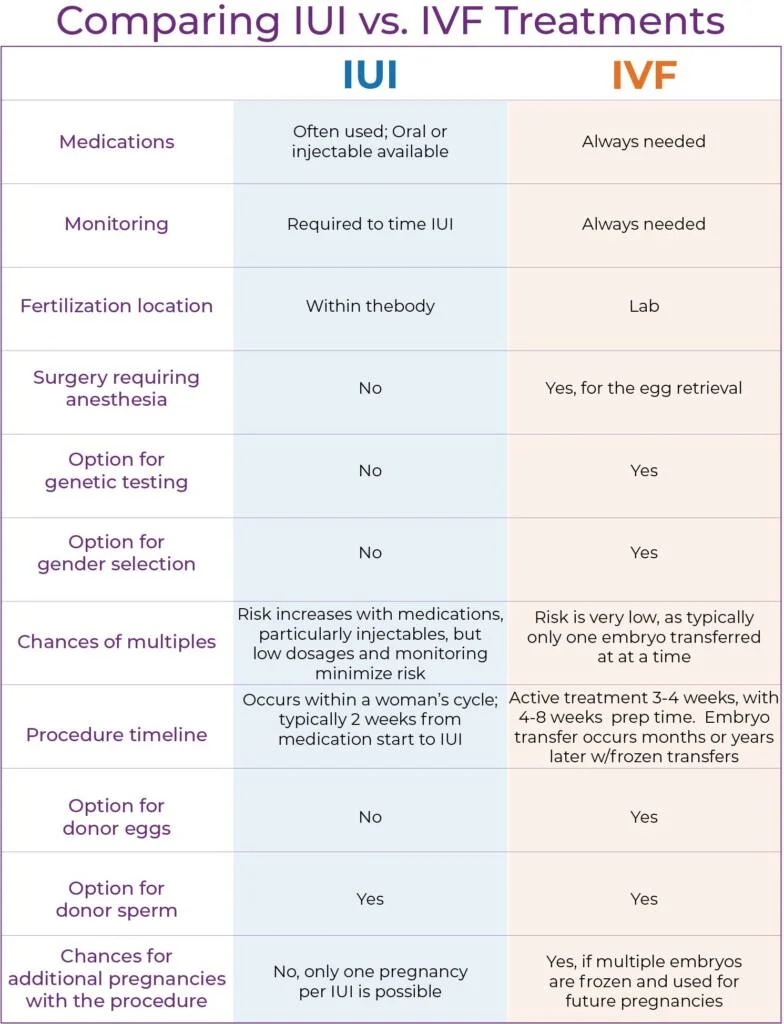
    Comparison chart of IUI and IVF treatments, detailing medications, monitoring, procedures, and success rates.

    Fertility Nutrition for Men: Essential Nutrients for Optimal Sperm Production

    Vitamin C is a well-known antioxidant that plays a crucial role in male fertility. It helps to protect sperm from oxidative stress, which can damage sperm DNA. Studies have also shown that vitamin C can improve sperm quality and motility.

    Citrus fruits, berries, and leafy greens are all good sources of vitamin C. The recommended daily intake for men is 90 mg, but it is safe to consume up to 2000 mg per day. However, it is always best to get your daily dose from whole foods rather than supplements.

    5. Omega-3 Fatty Acids

    Omega-3 fatty acids are essential for overall health, including male fertility. They help to regulate hormone levels and improve sperm quality. Studies have also shown that omega-3s can increase sperm count and motility.

    Fatty fish like salmon and sardines, as well as chia seeds and walnuts, are all good sources of omega-3 fatty acids. The recommended daily intake for men is 1.6 g, but it is safe to consume up to 3 g per day.

    6. Vitamin D

    Vitamin D is known as the “sunshine vitamin” as it is produced in the body when the skin is exposed to sunlight. It is essential for male fertility as it helps to maintain healthy testosterone levels. Low levels of vitamin D have been linked to reduced sperm count and motility.

    Foods rich in vitamin D include fatty fish, egg yolks, and fortified dairy products. The recommended daily intake for men is 600-800 IU, but you can also consider getting some sun exposure or taking a vitamin D supplement.

    7. Lycopene

    Lycopene is a powerful antioxidant found in red fruits and vegetables such as tomatoes, watermelon, and red bell peppers. It has been found to improve sperm quality and protect against DNA damage in sperm.

    Incorporating these foods into your diet can help to improve male fertility. It is also important to note that maintaining a healthy weight, exercising regularly, and reducing stress can also have a positive impact on sperm production.

    In summary, male fertility is influenced by a variety of factors, including nutrition. Consuming a diet rich in essential nutrients like zinc, folate, selenium, vitamin C, omega-3 fatty acids, vitamin D, and lycopene can help to improve sperm quality and count. It is also important to maintain a healthy lifestyle to support overall reproductive health.

  • Fertility Nutrition for Women with Irregular Cycles: Balancing Hormones with Diet

    Blog Post: Fertility Nutrition for Women with Irregular Cycles: Balancing Hormones with Diet

    For many women, having a regular menstrual cycle is a sign of good health and fertility. However, for some women, irregular periods can be a source of stress and frustration. Irregular cycles can make it harder to track ovulation and can also be a sign of underlying health issues. While there can be various reasons for irregular periods, one factor that is often overlooked is nutrition. In this blog post, we will explore the connection between diet and hormonal balance in women with irregular cycles, and provide tips for using nutrition to improve fertility.

    Understanding Irregular Cycles and Hormonal Imbalance

    Before we dive into the role of nutrition, it is important to understand the basics of irregular cycles and hormonal imbalance. An irregular cycle is defined as a menstrual cycle that is shorter than 21 days or longer than 35 days, or if the length of the cycle varies significantly from month to month. Hormonal imbalance, on the other hand, refers to an imbalance in the levels of hormones that regulate the menstrual cycle, namely estrogen and progesterone.

    Hormonal imbalances can be caused by a variety of factors such as stress, excessive exercise, and certain medical conditions. In women with irregular cycles, hormonal imbalances can lead to irregular periods, as well as other symptoms such as acne, weight gain, and mood swings. These imbalances can also affect ovulation, making it difficult to conceive.

    The Role of Nutrition in Hormonal Balance

    The food we eat plays a crucial role in our overall health, including hormonal balance. Our endocrine system, which produces and regulates hormones, relies on essential nutrients from our diet to function properly. When we lack these nutrients, our hormones can become imbalanced, leading to irregular cycles and other health issues.

    A healthy and balanced diet is essential for maintaining hormonal balance and promoting fertility. Here are some key nutrients that play a vital role in regulating hormones and improving fertility:

    1. Healthy Fats

    Healthy fats, such as omega-3 fatty acids, are essential for hormone production and balance. Omega-3s are found in foods like salmon, avocado, and nuts, and have been shown to improve ovulation and fertility. On the other hand, consuming too many unhealthy fats, like trans fats found in processed foods, can disrupt hormonal balance and increase the risk of infertility.

    2. Complex Carbohydrates

    Complex carbohydrates, such as whole grains, provide the body with energy and help regulate blood sugar levels. Eating a diet high in refined carbohydrates, like white bread and sugary snacks, can cause a spike in insulin levels, which can disrupt hormone production and lead to irregular cycles.

    3. Protein

    Protein is essential for the production of hormones and helps to regulate the menstrual cycle. Consuming enough protein can also help with weight management, as excess body fat can lead to hormonal imbalances. Good sources of protein include lean meats, eggs, and legumes.

    4. Antioxidants

    Antioxidants help to protect the body from free radical damage, which can affect hormone production. Foods high in antioxidants, such as berries, dark leafy greens, and cruciferous vegetables, can help improve hormone balance and promote fertility.

    Illustration of the IUI process, showing a syringe and catheter in the reproductive system.

    Fertility Nutrition for Women with Irregular Cycles: Balancing Hormones with Diet

    5. Iron and Zinc

    Iron and zinc are two essential minerals for women’s health and fertility. Iron helps to carry oxygen to the cells and is necessary for the production of healthy eggs. Zinc, on the other hand, is essential for hormone production and ovulation. Foods rich in iron and zinc include lean meats, seafood, and leafy greens.

    Tips for Using Nutrition to Improve Fertility

    Now that we’ve covered the key nutrients for hormonal balance, here are some tips for using nutrition to improve fertility in women with irregular cycles:

    1. Eat a Balanced Diet

    The first and most crucial step is to ensure you are eating a balanced diet that includes all the essential nutrients mentioned above. Aim for a variety of whole foods, including fruits, vegetables, lean proteins, and healthy fats.

    2. Avoid Processed Foods

    Processed foods, including packaged snacks and fast food, are often high in unhealthy fats, sugar, and refined carbohydrates. These can disrupt hormonal balance and should be limited or avoided altogether.

    3. Stay Hydrated

    Drinking enough water is essential for maintaining hormonal balance. Dehydration can lead to a drop in estrogen levels, which can cause irregular periods. Aim for at least 8 glasses of water a day.

    4. Consider Supplements

    In some cases, it may be challenging to get all the necessary nutrients from diet alone. In these cases, supplements can be helpful. Consult with a healthcare professional to determine which supplements may be right for you.

    5. Manage Stress

    Stress can wreak havoc on our hormones and contribute to irregular cycles. Find ways to manage stress, such as meditation, yoga, or spending time in nature.

    Summary:

    Irregular cycles can be a source of stress and frustration for many women, and nutrition can play a significant role in regulating hormones and improving fertility. A balanced diet that includes healthy fats, complex carbohydrates, protein, antioxidants, iron, and zinc is essential for hormonal balance. Avoiding processed foods, staying hydrated, and managing stress are also crucial for promoting fertility. Consider incorporating these tips into your lifestyle to support your hormonal health and improve your chances of conceiving.

  • Fertility Nutrition for Men: Key Nutrients for Sperm Health and Count

    Blog Post Title: Fertility Nutrition for Men: Key Nutrients for Sperm Health and Count

    Summary:

    When it comes to fertility and conception, both men and women play an equally important role. While many factors can affect male fertility, including genetics and lifestyle choices, one crucial aspect that often gets overlooked is nutrition. What a man eats can significantly impact his sperm health and count. In this blog post, we will discuss the key nutrients that are essential for male fertility and how to incorporate them into your diet.

    1. Zinc: Zinc is a mineral that plays a vital role in sperm production and overall male reproductive health. It helps in the production of testosterone, a hormone responsible for sperm production. Studies have shown that men who are deficient in zinc have lower sperm counts and lower testosterone levels. Foods rich in zinc include oysters, beef, chicken, pumpkin seeds, and cashews.

    2. Vitamin C: Vitamin C is a powerful antioxidant that helps protect sperm cells from damage. It also plays a crucial role in the formation and development of sperm. Studies have shown that men with low levels of vitamin C have a higher risk of sperm abnormalities. Citrus fruits, kiwis, strawberries, and bell peppers are excellent sources of vitamin C.

    3. Vitamin D: Vitamin D deficiency has been linked to male infertility, as it plays a crucial role in sperm motility and testosterone levels. Sun exposure is the primary source of vitamin D, but it can also be found in fatty fish, egg yolks, and fortified foods. If you live in an area with limited sun exposure, consider taking a vitamin D supplement.

    comparison of IUI and IVF procedures illustrated with simple graphics and labels

    Fertility Nutrition for Men: Key Nutrients for Sperm Health and Count

    4. Omega-3 Fatty Acids: Omega-3 fatty acids are essential for sperm membrane integrity and sperm motility. They also have anti-inflammatory properties, which can help improve overall sperm quality. Fatty fish, such as salmon and sardines, are excellent sources of omega-3 fatty acids. If you’re not a fan of seafood, you can also get it from flaxseeds, chia seeds, and walnuts.

    5. Lycopene: Lycopene is a powerful antioxidant found in red fruits and vegetables, such as tomatoes, watermelon, and papaya. It has been shown to improve sperm quality and count, making it a crucial nutrient for male fertility. Cooking tomatoes can increase the absorption of lycopene, so enjoy a bowl of tomato soup or a homemade pasta sauce.

    6. Selenium: Selenium is a mineral that plays a crucial role in sperm motility and DNA integrity. Studies have shown that men with low levels of selenium have a higher risk of sperm abnormalities. Good sources of selenium include Brazil nuts, tuna, and sunflower seeds.

    7. B vitamins: B vitamins, particularly folate, B12, and B6, are essential for sperm production and DNA synthesis. Studies have shown that men with low levels of B vitamins have lower sperm counts and higher rates of sperm abnormalities. Green leafy vegetables, legumes, eggs, and fortified cereals are excellent sources of B vitamins.

    8. Coenzyme Q10: Coenzyme Q10 is an antioxidant that helps protect sperm cells from damage. It also plays a crucial role in sperm motility and energy production. Research has shown that men with low levels of coenzyme Q10 have lower sperm counts and decreased sperm motility. Good dietary sources of coenzyme Q10 include beef, chicken, and fatty fish.

    In addition to these key nutrients, it’s essential to maintain a healthy and balanced diet to support overall reproductive health. Avoid processed and high-fat foods and focus on whole, nutrient-dense foods. If you have any specific dietary restrictions or concerns, consult with a healthcare professional or a registered dietitian.

    In conclusion, nutrition plays a crucial role in male fertility, and incorporating these key nutrients into your diet can help improve sperm health and count. Remember to also maintain a healthy lifestyle by exercising regularly, managing stress, and avoiding harmful habits such as smoking and excessive alcohol consumption.

  • Fertility Nutrition and Age: How Diet Can Support Conception at Any Age

    Blog Post: Fertility Nutrition and Age: How Diet Can Support Conception at Any Age

    When it comes to fertility and age, many women are often told that their chances of conceiving diminish as they get older. While age can certainly play a role in fertility, it is not the only factor. In fact, recent studies have shown that nutrition and diet can have a significant impact on a woman’s fertility, regardless of age. In this blog post, we will explore the connection between fertility, nutrition, and age, and how making simple changes to your diet can support conception at any age.

    The Impact of Age on Fertility

    It is a well-known fact that a woman’s fertility declines as she gets older. This is due to a decrease in the number and quality of eggs in the ovaries. As a woman ages, her ovaries become less responsive to hormones, making it more difficult for her to ovulate and conceive. This decline in fertility usually begins in a woman’s late 30s and early 40s, with a sharp drop in fertility after the age of 35.

    However, it is important to note that age is not the only factor that affects fertility. Other factors such as lifestyle, genetics, and overall health also play a crucial role. This is where nutrition comes into the picture.

    The Role of Nutrition in Fertility

    Nutrition is a key factor in maintaining overall health, and it also plays a significant role in fertility. A well-balanced and nutrient-rich diet can help regulate hormones, improve egg quality, and increase the chances of conception. On the other hand, an unhealthy diet high in processed foods, sugar, and unhealthy fats can have a negative impact on fertility.

    One study found that women who followed a Mediterranean-style diet, which is rich in fruits, vegetables, whole grains, and healthy fats, had a higher chance of conceiving through in-vitro fertilization (IVF) compared to those who followed a Western-style diet. This is because the Mediterranean diet is rich in antioxidants, which can help reduce oxidative stress and improve egg quality.

    Another study showed that women who consumed more plant-based proteins, such as beans and lentils, had a lower risk of ovulatory infertility compared to those who consumed more animal-based proteins. This is because plant-based proteins are rich in fiber, vitamins, and minerals, which can help regulate hormones and improve overall reproductive health.

    diagram illustrating intrauterine insemination (IUI) with labeled reproductive anatomy and procedures

    Fertility Nutrition and Age: How Diet Can Support Conception at Any Age

    Fertility Nutrition at Different Ages

    While nutrition is important for fertility at any age, there are certain nutrients and foods that are particularly beneficial for women in different age groups.

    In Your 20s

    Women in their 20s have the highest fertility potential, but it is still important to maintain a healthy diet to support optimal fertility. During this stage, it is important to focus on getting enough folic acid, iron, and omega-3 fatty acids. Folic acid is essential for fetal development and can help prevent birth defects. Iron is important for healthy ovulation, and omega-3 fatty acids can improve egg quality and regulate hormones.

    In Your 30s

    As women enter their 30s, their fertility starts to decline. It is important to continue focusing on a nutrient-rich diet, but with a few adjustments. In addition to folic acid, iron, and omega-3s, women in their 30s should also make sure to get enough vitamin D and calcium. Vitamin D is important for both egg quality and implantation, while calcium is necessary for healthy bones and can also improve ovulation.

    In Your 40s

    By the time women reach their 40s, their fertility has significantly declined. However, that doesn’t mean that nutrition is no longer important. In fact, it becomes even more crucial at this stage. Women in their 40s should focus on getting enough antioxidants, such as vitamin C and E, to help reduce oxidative stress and improve egg quality. They should also make sure to get enough protein to support healthy ovulation and embryo development.

    In summary, while age can certainly play a role in fertility, it is not the only factor. Nutrition and diet also have a significant impact on a woman’s fertility, regardless of age. A well-balanced and nutrient-rich diet can help regulate hormones, improve egg quality, and increase the chances of conception. By making simple changes to your diet and focusing on key nutrients at different stages of life, you can support your fertility at any age.

    SEO Metadata:

  • Fertility Nutrition for Women with Endometriosis: Managing Symptoms with Diet

    Blog Post: Fertility Nutrition for Women with Endometriosis: Managing Symptoms with Diet

    Endometriosis is a common and often painful condition that affects 1 in 10 women of reproductive age. It occurs when the tissue that normally lines the uterus grows outside of it, causing irritation and inflammation. This can lead to a variety of symptoms, including pelvic pain, heavy periods, and infertility. While there is no cure for endometriosis, there are ways to manage its symptoms, and one important aspect is through nutrition. In this blog post, we will explore the role of diet in managing endometriosis symptoms and promoting fertility in women.

    Understanding the Link between Diet and Endometriosis

    Research has shown that diet can play a significant role in managing endometriosis symptoms. Certain foods can either aggravate or alleviate inflammation in the body, which is a key factor in the development of endometriosis. Inflammation is the body’s natural response to injury or illness, but when it becomes chronic, it can lead to a range of health issues, including endometriosis. Therefore, adopting an anti-inflammatory diet can help reduce inflammation and manage endometriosis symptoms.

    Foods to Limit or Avoid

    There are certain foods that are known to trigger inflammation and should be limited or avoided by women with endometriosis. These include:

    1. Processed Foods: Processed foods, such as packaged snacks, deli meats, and fast food, are often high in trans fats, refined carbohydrates, and added sugars, which can all contribute to inflammation.

    2. Dairy: Dairy products, particularly those that are high in saturated fats, have been linked to increased inflammation in the body.

    3. Gluten: Gluten is a protein found in wheat, barley, and rye, and for some people, it can trigger inflammation in the gut and worsen endometriosis symptoms.

    4. Red Meat: Red meat, especially when cooked at high temperatures, can produce compounds that promote inflammation in the body.

    5. Alcohol and Caffeine: Both alcohol and caffeine can cause inflammation and should be consumed in moderation or avoided altogether.

    Foods to Include

    On the other hand, there are also foods that can help reduce inflammation and promote overall health in women with endometriosis. These include:

    1. Fruits and Vegetables: Fruits and vegetables are rich in antioxidants, which can help reduce inflammation in the body. Dark leafy greens, berries, and cruciferous vegetables, such as broccoli and cauliflower, are especially beneficial.

    2. Omega-3 Fatty Acids: Omega-3 fatty acids are known for their anti-inflammatory properties and can be found in salmon, sardines, and other fatty fish, as well as in nuts and seeds.

    Comparison chart of IUI and IVF treatments, detailing medications, monitoring, procedures, and success rates.

    Fertility Nutrition for Women with Endometriosis: Managing Symptoms with Diet

    3. Whole Grains: Whole grains, such as quinoa, brown rice, and oats, are a great source of fiber and can help reduce inflammation in the body.

    4. Plant-Based Proteins: Plant-based proteins, such as beans, lentils, and tofu, are low in saturated fats and can help reduce inflammation.

    5. Herbal Teas: Herbal teas, such as chamomile and ginger, have anti-inflammatory properties and can help soothe endometriosis-related pain.

    5. Probiotics: Probiotics, found in foods like yogurt, kefir, and sauerkraut, can help promote a healthy gut microbiome, which plays a crucial role in managing inflammation in the body.

    The Importance of a Balanced Diet

    While there are specific foods that can help manage endometriosis symptoms, it’s important to maintain a balanced and varied diet that provides all the necessary nutrients for overall health and wellness. A balanced diet includes a variety of fruits, vegetables, whole grains, lean proteins, and healthy fats. It’s also essential to stay hydrated by drinking enough water throughout the day.

    Supplements for Endometriosis

    In addition to a healthy diet, certain supplements may also be beneficial for women with endometriosis. These include:

    1. Omega-3 Fatty Acids: As mentioned earlier, omega-3 fatty acids have anti-inflammatory properties and can help manage endometriosis symptoms. If you’re not getting enough through your diet, consider taking a high-quality supplement.

    2. Magnesium: Magnesium is a mineral that can help relax muscles and reduce pain associated with endometriosis. It’s also been shown to support hormone balance and may help regulate menstrual cycles.

    3. Vitamin D: Vitamin D deficiency has been linked to endometriosis and may worsen its symptoms. If you’re not getting enough sun exposure, consider taking a vitamin D supplement.

    4. Turmeric: Turmeric contains a compound called curcumin, which has potent anti-inflammatory properties. It may help reduce endometriosis-related pain and inflammation.

    Managing Endometriosis with Nutrition

    In addition to managing symptoms, proper nutrition can also play a crucial role in promoting fertility in women with endometriosis. As endometriosis can affect the reproductive organs, it can make it more challenging to conceive. However, by following a healthy and balanced diet, women can increase their chances of successful conception. It’s also essential to work with your doctor to come up with a personalized treatment plan that may include medication, surgery, or other options.

    Summary

    Endometriosis is a common and often painful condition that affects many women of reproductive age. While there is no cure for endometriosis, proper nutrition can help manage its symptoms and promote fertility. An anti-inflammatory diet that includes fruits, vegetables, whole grains, and healthy fats can help reduce inflammation in the body. It’s also important to limit or avoid foods that can trigger inflammation, such as processed foods, dairy, and red meat. In addition to a healthy diet, certain supplements may also be beneficial for women with endometriosis. By adopting a healthy lifestyle and working closely with your doctor, you can better manage endometriosis and improve your overall health and well-being.

  • Fertility Nutrition and Stress: The Connection and How to Manage It

    Blog Post:

    When it comes to fertility, nutrition and stress play a crucial role in a person’s ability to conceive. Many people don’t realize the strong connection between these two factors and how they can impact fertility. In this blog post, we will delve into the relationship between fertility, nutrition, and stress and provide tips on how to manage them to improve your chances of conceiving.

    The Connection between Fertility, Nutrition, and Stress:
    Fertility is the ability to conceive and carry a pregnancy to term. When it comes to fertility, both men and women are affected by nutrition and stress. A well-balanced diet is essential for maintaining reproductive health in both men and women. Nutrients such as folate, zinc, and iron are crucial for sperm and egg production, and a deficiency in these nutrients can lead to fertility problems. On the other hand, stress can interfere with the body’s hormonal balance, affecting ovulation and sperm production. Chronic stress can also lead to changes in the menstrual cycle and decreased libido.

    The Impact of Nutrition on Fertility:
    A healthy and balanced diet is essential for maintaining reproductive health. The food we eat provides the body with the necessary nutrients to support fertility. For women, a diet rich in antioxidants, such as vitamins C and E, can help improve egg quality and increase the chances of conception. Omega-3 fatty acids found in fish and nuts are also beneficial for fertility as they help regulate hormones and improve blood flow to the reproductive organs. For men, a diet rich in zinc and selenium can improve sperm production and motility. Incorporating foods such as oysters, pumpkin seeds, and Brazil nuts can boost these nutrients in the body.

    On the other hand, a diet high in processed foods, trans fats, and sugar can have a negative impact on fertility. These foods can lead to inflammation in the body, which can interfere with ovulation and sperm production. They can also increase the risk of conditions such as polycystic ovarian syndrome (PCOS) and insulin resistance, which can affect fertility.

    A person administering an injection into their abdomen with a yellow pen-like device.

    Fertility Nutrition and Stress: The Connection and How to Manage It

    Managing Stress for Improved Fertility:
    Stress is a natural response to challenging situations, but when it becomes chronic, it can have a significant impact on fertility. When the body is under stress, the hormone cortisol is released, which can interfere with the production of other hormones essential for fertility. In women, high levels of cortisol can lead to irregular menstrual cycles and even stop ovulation altogether. In men, stress can affect sperm production and quality.

    To manage stress and improve fertility, it is crucial to find ways to relax and unwind. Engaging in activities such as yoga, meditation, or deep breathing can help reduce stress levels and promote relaxation. Regular exercise can also be helpful in managing stress and improving overall health. It is also essential to identify and address any underlying issues that may be causing stress, such as work-related problems or relationship issues.

    The Role of Supplements in Fertility Nutrition:
    In addition to a healthy and balanced diet, supplements can also play a vital role in fertility nutrition. Women who are trying to conceive can benefit from taking prenatal vitamins, which are specifically designed to provide the necessary nutrients for a healthy pregnancy. Men can also benefit from supplements such as zinc and CoQ10, which can improve sperm quality and motility.

    However, it is essential to consult with a healthcare professional before starting any supplements, as they may interact with other medications or have adverse effects. A healthcare professional can also help determine the right dosage and which supplements are suitable for each individual’s specific needs.

    Conclusion:
    Fertility, nutrition, and stress are closely interlinked, and each has a significant impact on a person’s ability to conceive. By maintaining a healthy and balanced diet, managing stress levels, and incorporating supplements when necessary, individuals can improve their chances of conceiving. It is also essential to seek professional help if experiencing fertility problems to address any underlying issues and receive appropriate treatment.

    In summary, fertility, nutrition, and stress are all crucial factors that can impact a person’s ability to conceive. A balanced diet rich in essential nutrients, managing stress levels, and incorporating supplements can all help improve fertility. Seeking professional help and addressing any underlying issues is also essential for those experiencing fertility problems.

  • Fertility Nutrition for Menopause: How Diet Can Help Manage Symptoms

    Blog Post: Fertility Nutrition for Menopause: How Diet Can Help Manage Symptoms

    Menopause is a natural stage in a woman’s life that marks the end of her reproductive years. It is a transitional period that is characterized by a decline in estrogen and progesterone hormones. While menopause is a normal part of aging, it can bring about a host of uncomfortable symptoms, such as hot flashes, mood swings, weight gain, and sleep disturbances. These symptoms can significantly impact a woman’s quality of life and make her feel like she has lost control over her body. However, there is one important aspect of menopause that women can control – their diet.

    Proper nutrition is crucial during menopause as it can help alleviate symptoms and improve overall health. In this blog post, we will discuss the importance of fertility nutrition for menopause and how diet can help manage symptoms.

    The Link Between Diet and Menopause Symptoms

    The foods we eat play a significant role in our overall health and well-being. During menopause, hormonal changes can affect the way our body processes and absorbs nutrients. This can lead to deficiencies in certain vitamins and minerals, which can contribute to menopause symptoms.

    For example, a decline in estrogen levels can increase the risk of bone loss, making women more susceptible to osteoporosis. Calcium and vitamin D are essential for maintaining strong bones, and a deficiency in these nutrients can exacerbate bone loss during menopause.

    Similarly, fluctuations in estrogen and progesterone can affect the body’s ability to regulate blood sugar levels, leading to insulin resistance and weight gain. A diet high in processed and sugary foods can further worsen these symptoms.

    Fertility Nutrition for Menopause

    Eating a well-balanced diet is essential for women going through menopause. The following are some key nutrients that can help manage menopause symptoms:

    1. Calcium and Vitamin D: As mentioned earlier, these nutrients are crucial for maintaining strong bones. Good sources of calcium include dairy products, leafy greens, and fortified foods. Sun exposure is the best way to get vitamin D, but it can also be found in fatty fish and fortified foods.

    2. Iron: Women tend to lose iron during menopause due to heavy menstrual bleeding. Iron-rich foods, such as red meat, poultry, fish, and leafy greens, can help replenish iron stores in the body.

    3. Omega-3 Fatty Acids: These healthy fats can help reduce inflammation and improve heart health. Good sources of omega-3s include fatty fish, flaxseeds, chia seeds, and walnuts.

    4. Phytoestrogens: These are plant compounds that have a similar structure to estrogen and can help alleviate menopause symptoms. Foods rich in phytoestrogens include soy products, flaxseeds, sesame seeds, and legumes.

    5. Probiotics: Probiotics are beneficial bacteria that can help improve gut health and boost the immune system. They can also help reduce the severity of hot flashes. Yogurt, kefir, sauerkraut, and kimchi are good sources of probiotics.

    Foods to Avoid

    illustration of a uterus with a syringe, representing intrauterine insemination procedure

    Fertility Nutrition for Menopause: How Diet Can Help Manage Symptoms

    Just as there are foods that can help alleviate menopause symptoms, there are also foods that can make them worse. These include:

    1. Processed and Sugary Foods: These foods can cause blood sugar spikes, leading to insulin resistance and weight gain.

    2. Caffeine and Alcohol: These substances can trigger hot flashes and interfere with sleep.

    3. Spicy Foods: Spicy foods can increase body temperature and trigger hot flashes.

    4. High-Sodium Foods: Excess sodium can contribute to water retention and bloating, which can already be an issue during menopause.

    5. Saturated and Trans Fats: These unhealthy fats can increase the risk of heart disease, which is already a concern for women during menopause.

    Incorporating Fertility Nutrition into Your Diet

    Now that we know the importance of fertility nutrition during menopause let’s look at some practical ways to incorporate these nutrients into our diet:

    1. Eat a variety of fruits and vegetables: Aim for at least five servings of fruits and vegetables per day. These foods are rich in vitamins, minerals, and phytochemicals that can help alleviate menopause symptoms.

    2. Choose whole grains: Whole grains are rich in fiber, which can help regulate blood sugar levels and promote satiety. Examples include whole-wheat bread, brown rice, quinoa, and oats.

    3. Include lean protein sources: Aim for lean protein sources such as fish, chicken, turkey, and plant-based proteins like beans and lentils. Protein can help keep you feeling full and help maintain muscle mass, which tends to decline during menopause.

    4. Incorporate healthy fats: Include healthy fats in your diet, such as avocado, olive oil, nuts, and seeds. These fats can help reduce inflammation and promote heart health.

    5. Limit processed and sugary foods: These foods are high in calories and low in nutrients and can contribute to weight gain and other menopause symptoms.

    In Summary

    Menopause can be a challenging time for women, but proper nutrition can help manage symptoms and improve overall health. A well-balanced diet that includes calcium, vitamin D, iron, omega-3 fatty acids, phytoestrogens, and probiotics can help alleviate menopause symptoms. It is also essential to limit processed and sugary foods, caffeine, alcohol, and spicy foods. With the right nutrition, women can take control of their health and well-being during this transitional stage in life.

    SEO Metadata:

  • Fertility Superfoods: Incorporating Them into Your Daily Diet

    Title: Fertility Superfoods: Incorporating Them into Your Daily Diet

    Introduction:

    Fertility is a topic that affects many men and women around the world. While there are various factors that can impact fertility, diet is often overlooked. However, incorporating fertility superfoods into your daily diet can have a significant impact on your reproductive health. In this blog post, we will explore the top fertility superfoods and how to incorporate them into your daily diet.

    What are Fertility Superfoods?

    Fertility superfoods are foods that are rich in nutrients and have been shown to improve reproductive health. These foods are often high in antioxidants, vitamins, minerals, and healthy fats, which are essential for reproductive function. Regular consumption of these foods can help regulate menstrual cycles, improve sperm quality, and increase the chances of conceiving.

    Top Fertility Superfoods:

    1. Avocado:

    Avocado is a popular superfood that is well-known for its numerous health benefits. It is rich in healthy fats, which are essential for hormone production. Avocado also contains vitamin E, which has been linked to improved fertility in both men and women. Incorporating avocado into your diet can help balance hormones and improve reproductive health.

    2. Berries:

    Berries such as blueberries, raspberries, and strawberries are rich in antioxidants, which help protect the reproductive organs from damage caused by free radicals. These fruits also contain high levels of vitamin C, which has been shown to improve sperm quality and increase sperm count. Adding a handful of berries to your daily diet can help boost your fertility.

    3. Spinach:

    Spinach is a leafy green vegetable that is packed with essential nutrients. It is a rich source of iron, which helps improve blood flow to the reproductive organs. Spinach also contains folate, which is essential for the development of a healthy baby. Regular consumption of spinach can help regulate ovulation and increase fertility.

    4. Salmon:

    Salmon is a fatty fish that is rich in Omega-3 fatty acids. These healthy fats are essential for reproductive health as they help regulate hormone levels and improve blood flow to the reproductive organs. Salmon is also a good source of protein, which is important for the production of healthy sperm and eggs.

    5. Eggs:

    model of the female reproductive system with a hand demonstrating intrauterine insemination technique

    Fertility Superfoods: Incorporating Them into Your Daily Diet

    Eggs are a nutrient-dense food that is rich in vitamins and minerals. They are a good source of choline, which has been linked to improved fertility in women. Eggs also contain high levels of vitamin D, which is essential for hormone production. Regular consumption of eggs can help boost fertility and increase the chances of conceiving.

    6. Walnuts:

    Walnuts are a superfood that is rich in healthy fats, fiber, and protein. They are a good source of omega-3 fatty acids, which are essential for reproductive health. Walnuts also contain high levels of antioxidants, which help protect the reproductive organs from damage. Adding a handful of walnuts to your daily diet can help improve sperm quality and increase fertility.

    Incorporating Fertility Superfoods into Your Diet:

    Now that you know the top fertility superfoods, it’s essential to know how to incorporate them into your daily diet. Here are a few tips:

    1. Start your day with a fertility smoothie:

    Smoothies are an easy and delicious way to incorporate fertility superfoods into your diet. You can blend fruits, vegetables, and seeds to create a nutrient-dense drink that will give your body the essential nutrients it needs for reproductive health.

    2. Add superfoods to your meals:

    You can add fertility superfoods to your meals in various ways. For example, you can sprinkle chia seeds on your breakfast cereal, add avocado to your sandwich, or top your salad with berries and walnuts. These small additions can make a big difference in your reproductive health.

    3. Snack on superfoods:

    Instead of reaching for unhealthy snacks, opt for fertility superfoods as snacks. You can have a handful of nuts, a piece of fruit, or some Greek yogurt with berries as a mid-day snack. These snacks will not only satisfy your hunger but also provide your body with the essential nutrients for reproductive health.

    Conclusion:

    Incorporating fertility superfoods into your daily diet can have a significant impact on your reproductive health. These foods are rich in nutrients that help regulate hormones, improve blood flow, and protect the reproductive organs from damage. By making simple changes to your diet and incorporating these superfoods, you can increase your chances of conceiving and have a healthy pregnancy.

    Summary:

    Fertility superfoods are foods that are rich in nutrients and have been shown to improve reproductive health. Some of the top fertility superfoods include avocado, berries, spinach, salmon, eggs, and walnuts. These foods are high in antioxidants, vitamins, and healthy fats, which are essential for reproductive function. Incorporating fertility superfoods into your daily diet can help regulate menstrual cycles, improve sperm quality, and increase the chances of conceiving. You can add these foods to your meals, snack on them, or start your day with a fertility smoothie. By making these simple changes, you can boost your fertility and have a healthy pregnancy.