The journey to parenthood is a significant one filled with excitement and anticipation. However, for many couples, it can also be a financially overwhelming experience. With the rising cost of fertility treatments and adoption fees, it’s essential to understand the financial implications of starting a family. In this blog post, we will compare the costs of fertility treatments and adoption and provide insights into the financial journey to parenthood.
Fertility Treatments:
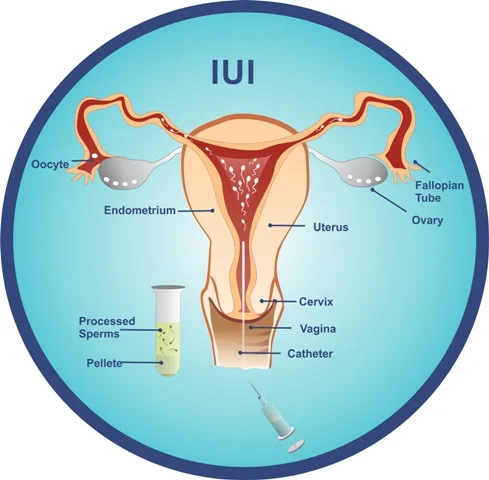
For couples struggling with infertility, fertility treatments can offer a ray of hope. However, these treatments can come with a hefty price tag, and the actual cost varies depending on several factors. The most common fertility treatments include intrauterine insemination (IUI), in vitro fertilization (IVF), and egg or sperm donation.
IUI is the most affordable option, with an average cost of $1,000-$4,000 per cycle. However, the success rate is relatively low, at around 10-20%. IVF, on the other hand, is more expensive, with an average cost of $12,000 per cycle. The success rate is higher, at around 40-45%, but the cost can quickly add up if multiple cycles are needed.
For couples who require donor eggs or sperm, the cost can increase significantly. The average cost of donor eggs is around $25,000, while donor sperm can cost $500-$1,000 per vial. These costs are in addition to the IVF fees, making the overall cost of treatment even more expensive.
It’s essential to note that these costs are just an average estimate and can vary widely depending on the clinic, location, and individual circumstances. Additional costs such as medications, genetic testing, and storage fees for frozen embryos can also add up to the overall cost of fertility treatments.
Adoption:
Adoption is another option for couples looking to expand their family. While it can be a rewarding experience, it also comes with its own set of costs. The average cost of adoption in the US can range from $20,000-$40,000, depending on the type of adoption.
Domestic adoption, where a child is adopted from within the country, is generally less expensive than international adoption. The average cost for domestic adoption is around $20,000-$30,000, while international adoption can cost $30,000-$40,000.
Another factor that can affect the cost of adoption is whether it is an open or closed adoption. In an open adoption, the biological parents have contact with the adoptive family, while in a closed adoption, there is no contact. Open adoptions can be more expensive, as they often involve additional legal and counseling fees.
It’s essential to note that there are also other costs associated with adoption, such as home study fees, legal fees, and travel expenses. These costs can quickly add up, making adoption a significant financial commitment.
The Financial Journey to Parenthood: Comparing Fertility Treatments and Adoption Costs
Comparing Costs:
When comparing the costs of fertility treatments and adoption, it’s crucial to consider the success rates, as well. While fertility treatments can be expensive, they offer a higher chance of success compared to adoption. However, this also means that couples may need to go through multiple cycles of treatment, further increasing the cost.
On the other hand, adoption may be a more cost-effective option in the long run, as the fees are a one-time expense. However, the chance of success may be lower, and the process can be emotionally taxing.
Financial Planning for Parenthood:
The high costs associated with fertility treatments and adoption may seem daunting, but there are ways to make it more manageable. Here are a few tips for couples planning to start a family:
1. Research and Compare: It’s essential to research and compare different fertility clinics or adoption agencies to find the best option that fits your budget and needs.
2. Consider Insurance Coverage: Some insurance plans may cover certain fertility treatments, so it’s worth checking with your insurance provider. However, adoption is usually not covered by insurance.
3. Explore Financing Options: Many fertility clinics offer financing options, such as payment plans or loans, to help couples manage the costs. There are also grants and scholarships available for adoption, which can help ease the financial burden.
4. Create a Budget: It’s crucial to create a budget and stick to it when going through fertility treatments or adoption. This can help you track your expenses and make necessary adjustments.
5. Seek Emotional Support: Going through fertility treatments and adoption can be emotionally challenging, so it’s essential to seek support from friends, family, or a therapist. This can help couples cope with the financial and emotional stress of the journey to parenthood.
In conclusion, the financial journey to parenthood can be a daunting one, but it’s essential to understand the costs associated with fertility treatments and adoption. By researching, comparing, and planning, couples can make informed decisions and manage the financial implications of starting a family.