Tag: adoption costs

  • and Facing Infertility: The Financial Burden of Fertility Treatments and Adoption

    Facing Infertility: The Financial Burden of Fertility Treatments and Adoption

    Infertility affects millions of couples worldwide, and the emotional toll of struggling to conceive can be overwhelming. But aside from the emotional and physical challenges, one of the biggest obstacles for couples facing infertility is the financial burden of fertility treatments and adoption. In this blog post, we will delve into the costs of fertility treatments and adoption, as well as explore potential solutions to alleviate the financial burden for couples.

    The Cost of Fertility Treatments
    According to the American Society for Reproductive Medicine, fertility treatments can cost anywhere from $5,000 to $15,000 per cycle, and many couples require multiple cycles in order to achieve a successful pregnancy. This can quickly add up to tens of thousands of dollars, and unfortunately, most insurance plans do not cover the costs of fertility treatments. In fact, only 15 states in the US have laws requiring insurance coverage for fertility treatments, leaving the majority of couples to foot the bill themselves.

    The most common fertility treatments include in vitro fertilization (IVF), intrauterine insemination (IUI), and fertility drugs. IVF, the most effective and costly option, involves retrieving eggs from the woman’s ovaries and fertilizing them with sperm in a lab before transferring the embryos back into the woman’s uterus. This procedure can cost upwards of $12,000 per cycle, not including additional costs for medications and genetic testing.

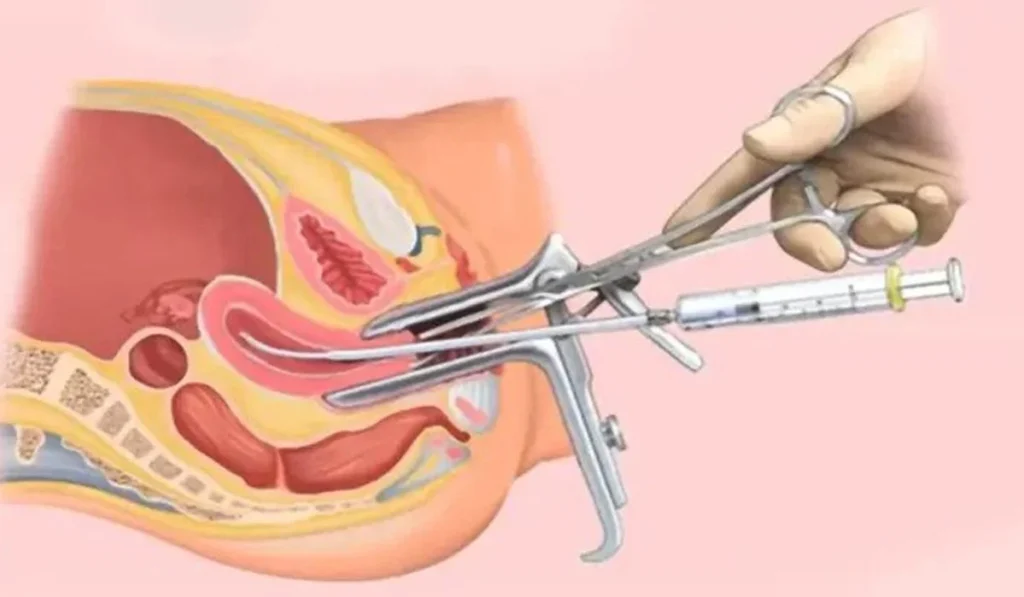
    IUI, on the other hand, is a less expensive option that involves placing washed and prepared sperm directly into the woman’s uterus. This procedure costs around $500 to $1000 per cycle, but it also has a lower success rate compared to IVF.

    Fertility drugs, such as Clomid and Femara, are also commonly used to stimulate ovulation and increase the chances of conception. These medications can cost anywhere from $50 to $500 per cycle, depending on the specific drug and dosage prescribed.

    The Cost of Adoption
    For couples who are unable to conceive naturally or through fertility treatments, adoption is often considered as an alternative option. However, the cost of adoption can also be a significant financial strain for couples.

    The average cost of a domestic adoption in the US is around $40,000, which includes fees for home studies, legal fees, and agency fees. International adoptions can be even more expensive, with costs ranging from $15,000 to $50,000 or more, depending on the country and adoption agency.

    In addition to the initial costs, there are also ongoing expenses associated with raising a child, such as healthcare, education, and daily living expenses. While there are some tax credits and financial assistance available for adoptive families, these may not fully cover the costs incurred.
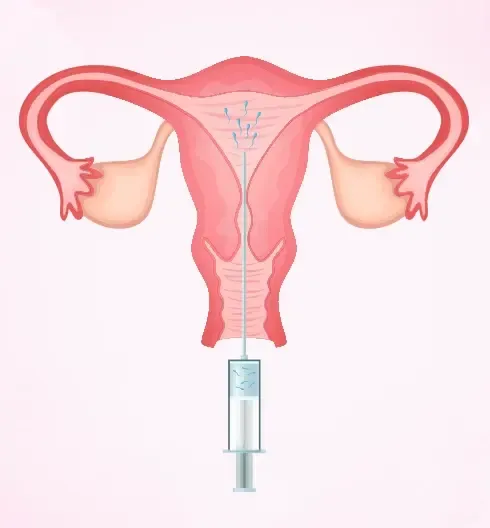
    Illustration of a uterus with a syringe indicating an intrauterine insemination procedure.

    and Facing Infertility: The Financial Burden of Fertility Treatments and Adoption

    The Emotional Toll of Financial Burden
    The financial burden of fertility treatments and adoption can take a toll on couples emotionally, adding to the stress and pressure they are already facing. It can also cause strain in relationships as couples try to navigate the financial aspect of their journey towards parenthood.

    Couples may also feel guilty or ashamed for not being able to afford the treatments or adoption process, leading to feelings of inadequacy and hopelessness. This can further exacerbate the emotional impact of infertility and make it a much more challenging experience for couples.

    Solutions to Alleviate the Financial Burden
    Thankfully, there are some options available for couples facing the high costs of fertility treatments and adoption.

    1. Fertility Grants and Scholarships: Many organizations offer grants and scholarships to help cover the costs of fertility treatments. These grants are often awarded based on financial need and other criteria, and can significantly reduce the financial burden for couples.

    2. Crowdfunding: With the rise of social media and crowdfunding platforms, many couples have turned to crowdfunding to help fund their fertility treatments or adoption journey. By sharing their story and reaching out to their network, couples can raise funds and receive support from their community.

    3. Adoption Loans: Some financial institutions offer loans specifically for adoption expenses, with lower interest rates and more flexible repayment terms compared to traditional loans.

    4. Insurance Coverage: While the majority of insurance plans do not cover fertility treatments, it is worth checking with your insurance provider to see if there are any options available. Some employers also offer fertility benefits as part of their employee benefits package.

    5. Budgeting and Saving: Planning ahead and budgeting for fertility treatments or adoption can help couples prepare for the costs and alleviate some of the financial strain. Setting aside a certain amount each month can add up over time and make it more manageable to cover the expenses.

    The journey to parenthood is undoubtedly a challenging one, both emotionally and financially. But with these options available, couples can find ways to overcome the financial burden and fulfill their dream of starting a family.

    In summary, infertility can be a devastating experience for couples, and the financial burden of fertility treatments and adoption only adds to the stress and pressure. The costs of fertility treatments, adoption, and ongoing expenses can quickly add up, leaving many couples feeling overwhelmed and unable to afford the necessary treatments or adoption process. However, there are options available to help alleviate the financial burden, such as grants, crowdfunding, adoption loans, and budgeting. With the right support and resources, couples can navigate the financial aspect of their journey towards parenthood and start the family they have always dreamed of.
  • Breaking Down the Costs: Fertility Treatments vs Adoption Expenses

    Fertility treatments and adoption are both paths to building a family for couples struggling with infertility. While both options can bring immense joy and fulfillment, they also come with significant financial costs. In this blog post, we will break down the costs of fertility treatments versus adoption expenses, so that you can make an informed decision on which route is best for you and your family.

    Fertility Treatments:

    Fertility treatments involve various medical procedures and techniques that help couples conceive a child. These treatments can range from simple lifestyle changes to more complex procedures like in vitro fertilization (IVF). The costs of fertility treatments can vary greatly depending on the type of treatment, location, and individual circumstances. On average, a single cycle of IVF in the United States can cost anywhere from $12,000 to $17,000, not including medication or additional procedures.

    Additional costs to consider with fertility treatments include medications, which can range from $2,000 to $5,000 per cycle, and diagnostic tests, which can range from $1,000 to $3,000. If a couple chooses to use a sperm or egg donor, the costs can increase significantly, with sperm donors costing around $500 per vial and egg donors costing around $8,000 to $10,000. It is also important to keep in mind that many couples may need to undergo multiple cycles of fertility treatments before achieving a successful pregnancy, leading to even higher costs.

    Adoption Expenses:

    Adoption is another option for couples looking to build a family. The process involves legally welcoming a child into your family who is not biologically related to you. The costs of adoption can vary greatly depending on the type of adoption, agency fees, and location. On average, domestic adoptions in the United States can cost anywhere from $20,000 to $40,000, while international adoptions can range from $30,000 to $50,000.

    Some of the expenses associated with adoption include home study fees, legal fees, and agency fees. A home study, which is required for all adoptions, can cost anywhere from $1,500 to $3,000. Legal fees can range from $2,000 to $5,000, and agency fees can vary greatly, with some agencies charging a flat rate and others charging a percentage of the final adoption costs. Other costs to consider with adoption include travel expenses, medical expenses for the birth mother, and post-adoption expenses.

    Factors to Consider:

    illustration of an intrauterine insemination procedure with medical instruments and anatomical details

    Breaking Down the Costs: Fertility Treatments vs Adoption Expenses

    When deciding between fertility treatments and adoption, there are several factors to consider, including the success rates and the emotional toll of each option. The success rates of fertility treatments can vary greatly depending on the individual’s age and health, but on average, the success rate for IVF is around 30%. This means that multiple cycles may be necessary, leading to higher costs and emotional strain.

    On the other hand, adoption is not always a guaranteed process, and the wait time can vary greatly. Additionally, the emotional toll of adoption can be significant, as couples may experience setbacks and heartache throughout the process. It is essential to carefully weigh these factors and consider which option is best for you and your family.

    Financial Assistance:

    Both fertility treatments and adoption can be costly, and many couples may not have the funds readily available to cover these expenses. However, there are options available to help alleviate the financial burden. Some employers offer fertility treatment coverage as part of their employee benefits, and some states have laws mandating insurance coverage for fertility treatments. Additionally, there are grants and loans available specifically for fertility treatments and adoption.

    Conclusion:

    Fertility treatments and adoption are both viable options for couples struggling with infertility. While fertility treatments can be costly and may not always result in a successful pregnancy, adoption also has its own set of expenses and emotional challenges. It is crucial for couples to carefully consider all factors, including financial costs and success rates, before making a decision.

    In the end, the most important thing is to choose the path that is right for you and your family. Whether you choose fertility treatments or adoption, the end result of welcoming a child into your family will be worth the financial sacrifices.

    In summary, fertility treatments and adoption both come with significant financial expenses, and it is essential for couples to carefully consider all factors before making a decision. Fertility treatments can range from $12,000 to $17,000 per cycle, not including medication and other procedures, while adoption can cost anywhere from $20,000 to $50,000, depending on the type and location. Both options have their own set of challenges and emotional tolls, but in the end, the most important thing is to choose the path that is best for you and your family.

  • The Financial Journey to Parenthood: Comparing Fertility Treatments and Adoption Costs

    The journey to parenthood is a significant one filled with excitement and anticipation. However, for many couples, it can also be a financially overwhelming experience. With the rising cost of fertility treatments and adoption fees, it’s essential to understand the financial implications of starting a family. In this blog post, we will compare the costs of fertility treatments and adoption and provide insights into the financial journey to parenthood.

    Fertility Treatments:
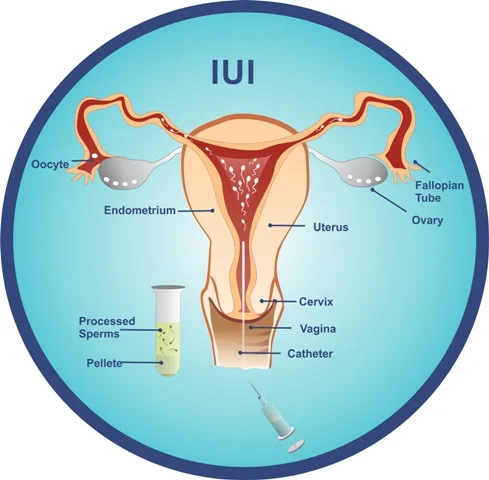
    For couples struggling with infertility, fertility treatments can offer a ray of hope. However, these treatments can come with a hefty price tag, and the actual cost varies depending on several factors. The most common fertility treatments include intrauterine insemination (IUI), in vitro fertilization (IVF), and egg or sperm donation.

    IUI is the most affordable option, with an average cost of $1,000-$4,000 per cycle. However, the success rate is relatively low, at around 10-20%. IVF, on the other hand, is more expensive, with an average cost of $12,000 per cycle. The success rate is higher, at around 40-45%, but the cost can quickly add up if multiple cycles are needed.

    For couples who require donor eggs or sperm, the cost can increase significantly. The average cost of donor eggs is around $25,000, while donor sperm can cost $500-$1,000 per vial. These costs are in addition to the IVF fees, making the overall cost of treatment even more expensive.

    It’s essential to note that these costs are just an average estimate and can vary widely depending on the clinic, location, and individual circumstances. Additional costs such as medications, genetic testing, and storage fees for frozen embryos can also add up to the overall cost of fertility treatments.

    Adoption:
    Adoption is another option for couples looking to expand their family. While it can be a rewarding experience, it also comes with its own set of costs. The average cost of adoption in the US can range from $20,000-$40,000, depending on the type of adoption.

    Domestic adoption, where a child is adopted from within the country, is generally less expensive than international adoption. The average cost for domestic adoption is around $20,000-$30,000, while international adoption can cost $30,000-$40,000.

    Another factor that can affect the cost of adoption is whether it is an open or closed adoption. In an open adoption, the biological parents have contact with the adoptive family, while in a closed adoption, there is no contact. Open adoptions can be more expensive, as they often involve additional legal and counseling fees.

    It’s essential to note that there are also other costs associated with adoption, such as home study fees, legal fees, and travel expenses. These costs can quickly add up, making adoption a significant financial commitment.

    diagram illustrating intrauterine insemination (IUI) with labeled reproductive anatomy and procedures

    The Financial Journey to Parenthood: Comparing Fertility Treatments and Adoption Costs

    Comparing Costs:
    When comparing the costs of fertility treatments and adoption, it’s crucial to consider the success rates, as well. While fertility treatments can be expensive, they offer a higher chance of success compared to adoption. However, this also means that couples may need to go through multiple cycles of treatment, further increasing the cost.

    On the other hand, adoption may be a more cost-effective option in the long run, as the fees are a one-time expense. However, the chance of success may be lower, and the process can be emotionally taxing.

    Financial Planning for Parenthood:
    The high costs associated with fertility treatments and adoption may seem daunting, but there are ways to make it more manageable. Here are a few tips for couples planning to start a family:

    1. Research and Compare: It’s essential to research and compare different fertility clinics or adoption agencies to find the best option that fits your budget and needs.

    2. Consider Insurance Coverage: Some insurance plans may cover certain fertility treatments, so it’s worth checking with your insurance provider. However, adoption is usually not covered by insurance.

    3. Explore Financing Options: Many fertility clinics offer financing options, such as payment plans or loans, to help couples manage the costs. There are also grants and scholarships available for adoption, which can help ease the financial burden.

    4. Create a Budget: It’s crucial to create a budget and stick to it when going through fertility treatments or adoption. This can help you track your expenses and make necessary adjustments.

    5. Seek Emotional Support: Going through fertility treatments and adoption can be emotionally challenging, so it’s essential to seek support from friends, family, or a therapist. This can help couples cope with the financial and emotional stress of the journey to parenthood.

    In conclusion, the financial journey to parenthood can be a daunting one, but it’s essential to understand the costs associated with fertility treatments and adoption. By researching, comparing, and planning, couples can make informed decisions and manage the financial implications of starting a family.