Tag: vitrification

  • The Impact of Cryopreservation on the Quality of Frozen Donor Sperm vs Fresh Donor Sperm

    Blog Post:

    In recent years, cryopreservation has become a widely used technique in the field of assisted reproductive technology, allowing for the long-term storage of biological materials such as sperm, eggs, and embryos. This has greatly expanded the options for individuals and couples facing fertility challenges, as well as those looking to preserve their reproductive cells for future use. When it comes to donor sperm, cryopreservation has had a significant impact on the availability and quality of sperm for use in fertility treatments. In this blog post, we will explore the impact of cryopreservation on the quality of frozen donor sperm compared to fresh donor sperm.

    What is Cryopreservation?
    Cryopreservation is the process of freezing biological materials at very low temperatures (-196°C) in order to preserve them for future use. In the case of sperm, this is typically done through a process called vitrification, which involves rapid freezing in liquid nitrogen. The frozen sperm is then stored in a cryobank until it is needed for fertility treatments.

    Fresh vs Frozen Donor Sperm
    Traditionally, fresh donor sperm has been the primary choice for fertility treatments. However, with the advancements in cryopreservation techniques, frozen donor sperm has become a viable and often preferred option for many individuals and couples. But how do fresh and frozen donor sperm compare in terms of quality and effectiveness?

    Quality of Fresh Donor Sperm
    Fresh donor sperm is collected on the same day as the fertility treatment and is typically used immediately. This means that the sperm is at its peak quality and motility, as it has not been subjected to any freezing or thawing processes. However, the quality of fresh donor sperm can vary depending on the donor’s age, health, and lifestyle factors. It is also important to note that fresh donor sperm is not always readily available, which can limit the options for individuals and couples seeking fertility treatments.

    Impact of Cryopreservation on Donor Sperm Quality
    The cryopreservation process involves exposing sperm to very low temperatures, which can have a significant impact on its quality. During the freezing and thawing process, sperm cells can be damaged or even destroyed, leading to a decrease in overall quality. However, with the advancements in vitrification techniques, the damage to sperm cells has been greatly reduced. Additionally, sperm that is frozen at a younger age tends to have better quality and higher motility when thawed, compared to sperm that is frozen at an older age.

    illustration of intrauterine insemination procedure with a syringe and catheter in the uterus.

    The Impact of Cryopreservation on the Quality of Frozen Donor Sperm vs Fresh Donor Sperm

    Frozen Donor Sperm: A More Reliable Option
    One of the biggest advantages of using frozen donor sperm is the reliability and availability of the sperm. Unlike fresh donor sperm, which may not always be available on the day of the fertility treatment, frozen donor sperm can be stored for long periods of time. This means that there is a larger pool of donors to choose from, giving individuals and couples more options and a better chance of finding a suitable donor. Additionally, frozen donor sperm can be shipped to different locations, making it more accessible for those who do not live near a cryobank.

    The Role of Sperm Banks
    Sperm banks play a crucial role in the cryopreservation process. They are responsible for collecting, screening, and storing donor sperm. Sperm banks also perform quality control measures to ensure that the sperm is of the highest quality before it is used in fertility treatments. With the growing demand for frozen donor sperm, sperm banks have become an essential part of the fertility industry and play a vital role in providing individuals and couples with reliable and high-quality sperm.

    Success Rates with Frozen Donor Sperm
    Studies have shown that the success rates of fertility treatments using frozen donor sperm are comparable to those using fresh donor sperm. In fact, some studies have even shown higher success rates with frozen donor sperm, as the sperm is usually frozen at a younger age and has better quality when thawed. This is encouraging news for those considering using frozen donor sperm for their fertility treatments.

    Conclusion
    In conclusion, the impact of cryopreservation on the quality of frozen donor sperm has been significant. While fresh donor sperm may have higher quality and motility, the advancements in vitrification techniques have greatly reduced the damage to frozen sperm cells. Frozen donor sperm also offers a more reliable and accessible option for individuals and couples seeking fertility treatments. With the help of sperm banks and the increasing success rates of fertility treatments using frozen donor sperm, cryopreservation has revolutionized the field of assisted reproductive technology and given hope to many individuals and couples around the world.

    Summary:

    Cryopreservation is a process of freezing biological materials at low temperatures for future use. When it comes to donor sperm, it has had a significant impact on the availability and quality of sperm for fertility treatments. Fresh donor sperm, while at its peak quality, may not always be readily available. However, the advancements in vitrification techniques have reduced the damage to frozen sperm cells. Frozen donor sperm also offers a more reliable and accessible option for individuals and couples. Sperm banks play a crucial role in the cryopreservation process, ensuring high-quality sperm. Studies have shown comparable success rates with frozen donor sperm, making it a viable option for fertility treatments.
  • The Role of Technology in Fertility Preservation: Latest Advancements

    Blog Post:

    Fertility preservation, also known as cryopreservation, is the process of freezing and storing eggs, sperm, or embryos for later use in assisted reproductive technologies (ART). This technique has been a game-changer for individuals and couples who want to delay starting a family due to various personal or medical reasons. However, the success rate of fertility preservation has always been a concern, with many factors such as age, health, and lifestyle affecting the outcomes. With the rapid advancements in technology, there has been a significant improvement in the success rates of fertility preservation, making it a more viable option for those seeking to preserve their fertility.

    One of the latest advancements in fertility preservation is the use of vitrification. Vitrification is a technique that involves ultra-rapid cooling of eggs, sperm, or embryos in liquid nitrogen, which prevents the formation of ice crystals and minimizes cellular damage. This method has replaced the traditional slow freezing method and has shown to have a higher success rate in preserving the viability of eggs and embryos. The use of vitrification has revolutionized fertility preservation, making it a safer and more efficient process.

    Another significant advancement in fertility preservation is the use of ovarian tissue freezing. This technique involves removing a small piece of ovarian tissue from a woman’s ovary and freezing it for later use. This method is particularly beneficial for women who are at risk of losing their fertility due to cancer treatments such as chemotherapy or radiation. Ovarian tissue freezing has also shown promising results for women with conditions such as premature ovarian failure or endometriosis. With the latest advancements in technology, it is now possible to transplant frozen ovarian tissue back into the body, allowing women to regain their fertility after cancer treatment or other medical conditions.

    In recent years, there has been a rise in the use of artificial intelligence (AI) and machine learning in fertility preservation. These technologies have been used to analyze data and predict the chances of success for various fertility preservation techniques. AI algorithms can analyze factors such as age, health, and medical history to provide personalized recommendations for individuals seeking fertility preservation. This has not only improved the success rates but has also made the process more cost-effective and time-efficient.

    The use of 3D printing technology has also been a game-changer in fertility preservation. With this technology, it is now possible to create custom-made devices for cryopreservation, such as sperm and embryo straws. These devices are designed to minimize damage and improve survival rates of frozen sperm and embryos. 3D printing technology has also been used to create custom-made molds for freezing ovarian tissue, allowing for better tissue preservation and transplantation.

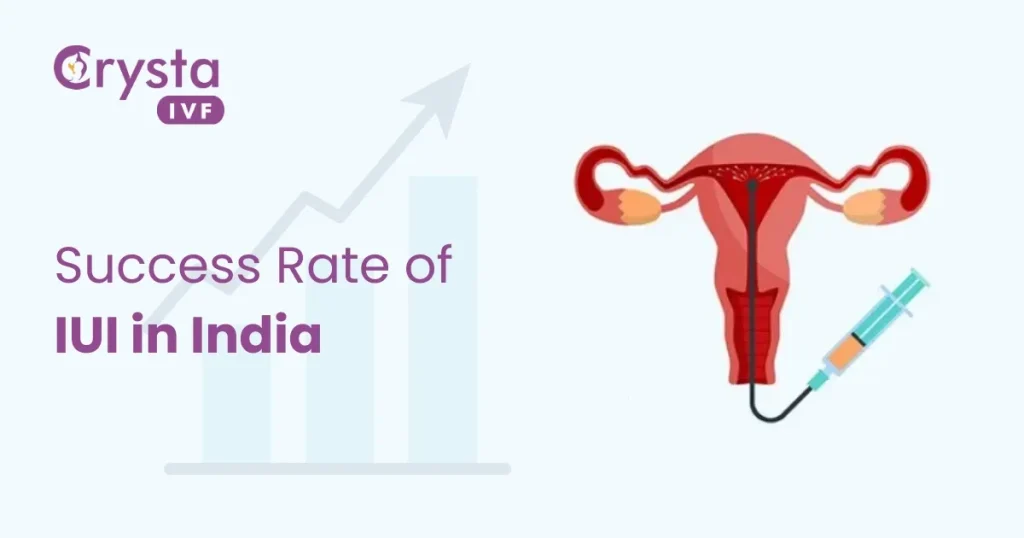
    success rate of IUI in India with a graphic of a uterus and syringe alongside a rising graph

    The Role of Technology in Fertility Preservation: Latest Advancements

    In addition to these technological advancements, the use of genetic testing has also played a crucial role in fertility preservation. Preimplantation genetic testing (PGT) is a technique used to screen embryos for genetic disorders before implantation. This not only increases the chances of a successful pregnancy but also reduces the risk of passing on genetic disorders to the child. PGT has also been used in combination with fertility preservation techniques to select the healthiest embryos for freezing, further improving the success rates.

    The role of technology in fertility preservation has also extended to the development of new techniques and procedures. For instance, there has been a rise in the use of in vitro maturation (IVM), a technique that involves collecting immature eggs from the ovaries and maturing them in a laboratory setting. This method has shown promising results for women with conditions such as polycystic ovary syndrome (PCOS) and those who cannot undergo ovarian stimulation. The use of IVM has expanded the options for fertility preservation, making it a more accessible and inclusive process.

    The latest advancements in technology have also made fertility preservation more accessible to a wider range of individuals and couples. With the use of telemedicine and virtual consultations, individuals can now receive fertility preservation counseling and treatment remotely. This has been particularly beneficial for those living in remote areas or unable to travel for various reasons. Virtual consultations and monitoring have also made the process more convenient and less invasive for patients.

    In conclusion, technology has played a significant role in advancing fertility preservation techniques and improving the success rates. From the use of vitrification and ovarian tissue freezing to artificial intelligence and 3D printing, these advancements have made the process safer, more efficient, and more accessible. With further developments and innovations, we can expect even higher success rates in fertility preservation, giving hope to individuals and couples who wish to delay starting a family.

    Summary:

    Fertility preservation, also known as cryopreservation, has seen significant advancements in recent years due to technology. The use of techniques such as vitrification, ovarian tissue freezing, and artificial intelligence has improved the success rates of fertility preservation. 3D printing technology has also played a crucial role in creating custom-made devices for cryopreservation. Genetic testing, such as preimplantation genetic testing, has also been used to select the healthiest embryos for freezing. These advancements have made fertility preservation more accessible, efficient, and inclusive. With further developments, we can expect even higher success rates in the future.

  • The Science Behind Fertility Preservation: How It Works

    Blog Post:

    Fertility preservation, also known as cryopreservation, is a medical process that allows individuals to preserve their fertility for future use. This technology has revolutionized the field of reproductive medicine, giving hope to individuals facing fertility challenges such as cancer treatments, age-related infertility, or other medical conditions. In this blog post, we will delve into the science behind fertility preservation and how it works.

    The Process of Fertility Preservation:
    The first step in fertility preservation is the evaluation of the patient’s fertility status. This may involve blood tests to check hormone levels, ultrasound to assess ovarian reserve, and genetic testing. Once the patient’s fertility potential is established, the next step is to choose the most suitable fertility preservation method.

    1. Egg Freezing:
    Egg freezing, also known as oocyte cryopreservation, is the most commonly used form of fertility preservation. This process involves stimulating the ovaries with hormone injections to produce multiple eggs. The eggs are then retrieved through a minor surgical procedure and frozen using a technique called vitrification. Vitrification is a fast-freezing method that prevents the formation of ice crystals, which can damage the eggs. The frozen eggs are then stored in liquid nitrogen at a temperature of -196 degrees Celsius until they are ready to be used.

    2. Embryo Freezing:
    Embryo freezing is a similar process to egg freezing, but instead of freezing individual eggs, the eggs are fertilized with sperm to create embryos. The embryos are then frozen and stored until they are needed. This method is often used by couples who are undergoing fertility treatments, such as in vitro fertilization (IVF), and have extra embryos that can be frozen for future use.

    3. Sperm Freezing:
    Sperm freezing, also known as sperm cryopreservation, is a simple process that involves collecting a semen sample and freezing it for later use. The sample is mixed with a cryoprotectant solution and then slowly frozen to prevent damage. The frozen sperm can be stored for many years and used for procedures such as intrauterine insemination (IUI) or IVF.

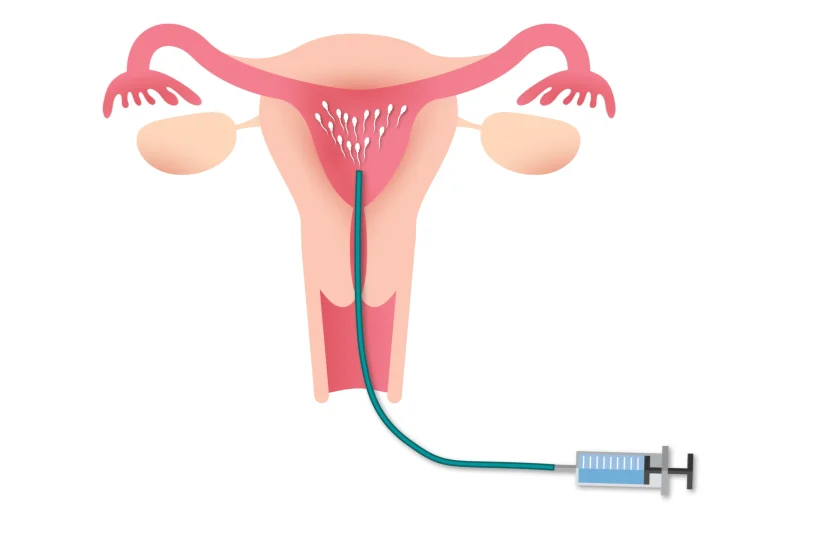
    diagram of a uterus with a syringe for intrauterine insemination procedure

    The Science Behind Fertility Preservation: How It Works

    4. Ovarian Tissue Freezing:
    Ovarian tissue freezing is a newer form of fertility preservation that involves surgically removing a piece of ovarian tissue and freezing it for future use. This method is often used for women who cannot undergo hormonal stimulation or those who need to start cancer treatment immediately. The frozen ovarian tissue can be transplanted back into the patient’s body in the future, where it can resume its normal function.

    The Science Behind Fertility Preservation:
    The success of fertility preservation techniques lies in the ability to freeze and thaw reproductive cells without causing any damage. This is made possible by the use of cryoprotectants, which are substances that protect cells from the harmful effects of freezing and thawing. Cryoprotectants work by replacing water molecules inside the cells, preventing the formation of ice crystals that can destroy the cells.

    Another important factor in fertility preservation success is the use of vitrification, which has replaced the older method of slow freezing. Vitrification is a fast-freezing technique that uses higher concentrations of cryoprotectants and ultra-rapid cooling to solidify the cells without forming ice crystals. This method has significantly improved the survival rates of frozen eggs, embryos, and sperm.

    The Role of Genetics in Fertility Preservation:
    Genetics also play a crucial role in fertility preservation. Before undergoing any fertility preservation procedure, patients are often advised to undergo genetic testing to identify any potential genetic disorders that could affect their fertility or the health of their future children. This information allows fertility specialists to make informed decisions about which preservation method is most suitable for each individual.

    The Benefits of Fertility Preservation:
    Fertility preservation offers numerous benefits to individuals who are looking to preserve their fertility. For cancer patients, fertility preservation allows them to undergo treatments such as chemotherapy and radiation without worrying about the potential loss of fertility. It also gives hope to individuals dealing with age-related fertility decline, as well as those who have not yet found a suitable partner but want to have children in the future.

    In conclusion, the science behind fertility preservation is a complex and constantly evolving field. With advancements in technology and research, more individuals can now have the option to preserve their fertility and fulfill their dreams of starting a family. If you are considering fertility preservation, it is essential to consult with a fertility specialist to determine the best approach for your individual needs.

    Summary:
    Fertility preservation is a medical process that allows individuals to preserve their fertility for future use, commonly used by those facing cancer treatments or age-related infertility. The process involves freezing eggs, embryos, sperm, or ovarian tissue with the help of cryoprotectants and vitrification. Genetics play a crucial role in determining the best preservation method for each individual. Fertility preservation offers hope to individuals looking to start a family in the future.

  • The Role of Technology: Egg Retrieval vs Egg Sharing

    Blog Post: The Role of Technology: Egg Retrieval vs Egg Sharing

    In today’s world, technology has become an integral part of our lives, and its impact can be seen in various aspects, including healthcare. One such area where technology has made significant advancements is in fertility treatments, particularly in the process of egg retrieval and egg sharing. These procedures are used by women who are struggling with infertility or those who wish to donate their eggs to help others. In this blog post, we will explore the role of technology in egg retrieval and egg sharing, and how it has revolutionized the way we approach fertility treatments.

    Egg Retrieval:

    Egg retrieval, also known as oocyte retrieval, is a procedure in which eggs are extracted from a woman’s ovaries to be fertilized in a laboratory and used for in vitro fertilization (IVF) or other assisted reproductive technologies. This process is typically used by women who are unable to conceive due to various reasons, such as advanced age, blocked fallopian tubes, or endometriosis. The conventional method of egg retrieval involves a surgical procedure known as transvaginal ultrasound-guided oocyte aspiration, where a needle is inserted into the ovaries to collect the eggs.

    However, with the advancements in technology, a new method called transvaginal ultrasound-guided transvaginal ovum pick-up (TVOP) has emerged. This procedure uses a specialized needle attached to an ultrasound probe, allowing for a more precise and less invasive collection of eggs. The use of TVOP has significantly reduced the risk of complications, such as bleeding and infection, and has increased the success rates of egg retrieval.

    Another technological advancement in egg retrieval is the use of vitrification, a fast-freezing method that preserves the eggs’ quality and viability. This method has replaced the traditional slow-freezing method, which often resulted in damage to the eggs and lower success rates. Vitrification has made it possible to freeze and store eggs for an extended period, allowing women to delay their fertility treatments and have a higher chance of successful pregnancy in the future.

    Egg Sharing:

    Egg sharing, also known as egg donation, is a process in which a woman donates her eggs to another woman or couple who are unable to conceive using their own eggs. This procedure is often used by women who have a surplus of eggs during their IVF cycle or those who wish to help others struggling with infertility. With the help of technology, egg sharing has become a more accessible and efficient process.

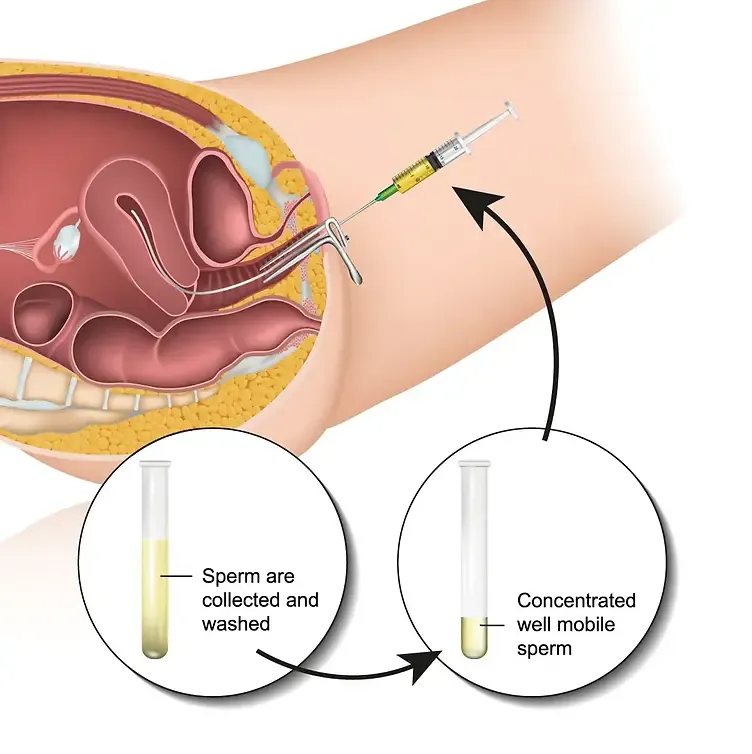
    Illustration of intrauterine insemination process, showing sperm collection and injection into the uterus.

    The Role of Technology: Egg Retrieval vs Egg Sharing

    One significant technological advancement in egg sharing is the use of genetic testing. This process involves screening the donor’s eggs for genetic disorders, ensuring that the recipient receives healthy and viable eggs. It also allows for the selection of specific traits, such as hair and eye color, height, and intelligence, giving recipients more control over the characteristics of their future child.

    Moreover, the use of technology has also made it possible to freeze and store donated eggs, making it easier for recipients to find a suitable donor and increasing their chances of a successful pregnancy. This has also eliminated the need for synchronizing the menstrual cycles of the donor and recipient, making the process more convenient and efficient.

    Impact of Technology on Egg Retrieval and Egg Sharing:

    The advancements in technology have had a significant impact on the process of egg retrieval and egg sharing. It has not only made these procedures safer, more efficient, and less invasive, but it has also increased their success rates. The use of technology has also made it possible to preserve eggs for an extended period, allowing women to pursue their careers or other life goals before starting a family.

    Moreover, technology has also played a crucial role in breaking down barriers and creating more opportunities for women struggling with infertility. It has made it possible for women to conceive using their own eggs, even if they have fertility issues. It has also made egg sharing a more accessible option for couples who are unable to conceive due to medical reasons.

    Conclusion:

    In conclusion, the role of technology in egg retrieval and egg sharing cannot be overlooked. It has revolutionized these procedures, making them safer, more efficient, and more accessible. With the help of technology, women struggling with infertility have more options available to them, giving them the chance to fulfill their dream of becoming a parent. As technology continues to advance, we can only expect to see further improvements in these procedures, making them even more successful and beneficial for individuals and couples seeking fertility treatments.

    Summary:

    Technology has played a crucial role in the process of egg retrieval and egg sharing, making these procedures safer, more efficient, and more accessible. Advancements such as TVOP and vitrification have improved the success rates of egg retrieval, while the use of genetic testing and egg freezing has made egg sharing a more efficient and convenient option. Technology has also broken down barriers and created more opportunities for women struggling with infertility, giving them the chance to fulfill their dream of becoming a parent.

  • The Role of Technology in Egg Donation and Egg Freezing

    The Role of Technology in Egg Donation and Egg Freezing

    Technology has played a significant role in shaping the field of reproductive medicine, particularly in the areas of egg donation and egg freezing. These advancements have made it possible for more individuals and couples to achieve their dream of starting a family. In this blog post, we will explore the various ways in which technology has impacted and continues to impact the processes of egg donation and egg freezing.

    Egg Donation

    Egg donation is a process where a woman donates her eggs to be used by another individual or couple who are unable to conceive using their own eggs. This process has been made possible and more efficient through the use of technology.

    One of the major technological advancements in egg donation is the use of electronic medical records (EMRs). EMRs have revolutionized the way medical information is stored and shared, making it easier for egg donors and recipients to access their medical records from anywhere in the world. This has significantly reduced the time and effort involved in coordinating the process between donors, recipients, and medical professionals.

    Another technological advancement that has greatly improved the egg donation process is the use of advanced imaging techniques. Ultrasound and 3D imaging have made it possible for doctors to accurately monitor the growth and development of eggs in the donor’s ovaries. This allows for precise timing for the retrieval of the eggs, increasing the chances of a successful fertilization.

    In recent years, the use of virtual consultations and telemedicine has also become a game-changer in the field of egg donation. These technologies allow donors and recipients to communicate with their doctors and medical professionals remotely, reducing the need for in-person appointments and saving time and resources.

    Egg Freezing

    Egg freezing, also known as oocyte cryopreservation, is the process of extracting and freezing a woman’s eggs for future use. This technology has opened up new possibilities for women who want to delay starting a family for various reasons, such as career advancement or medical reasons.

    One of the most significant technological advancements in egg freezing is the development of vitrification, a fast-freezing technique that prevents the formation of ice crystals, thus preserving the quality of the eggs. This method has significantly improved the success rates of egg freezing and has made it possible for women to preserve their fertility for longer periods.

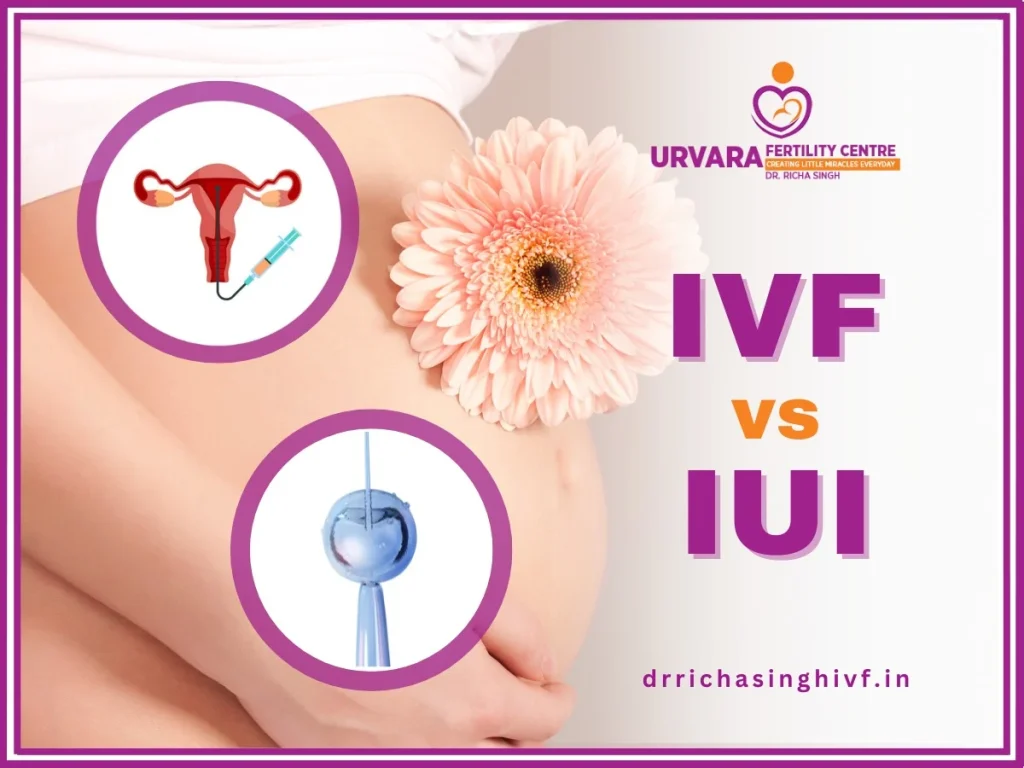
    IVF vs IUI comparison with illustrations of reproductive processes and a flower on a pregnant belly.

    The Role of Technology in Egg Donation and Egg Freezing

    The use of robotic technology has also made the egg freezing process more efficient and less invasive. With the help of robots, doctors can precisely and safely retrieve the eggs from the ovaries, reducing the risk of complications and increasing the chances of success.

    The Role of Artificial Intelligence (AI)

    Artificial Intelligence (AI) has also started to play a significant role in the field of egg donation and egg freezing. AI algorithms can be used to analyze and predict the success rates of egg freezing, taking into account various factors such as the woman’s age, hormone levels, and the quality of the eggs. This information can help doctors and patients make informed decisions about whether egg freezing is a viable option for them.

    AI is also being used to improve the selection process for egg donors. With the help of facial recognition software and genetic testing, AI algorithms can match donors with recipients who share similar physical and genetic traits, increasing the chances of a successful match.

    The Future of Technology in Egg Donation and Egg Freezing

    As technology continues to advance, there is no doubt that it will play an even more significant role in the field of reproductive medicine. Some emerging technologies, such as in vitro maturation (IVM) and mitochondrial replacement therapy, have the potential to further improve the processes of egg donation and egg freezing.

    IVM is a process that involves maturing eggs in a laboratory instead of inside the woman’s body. This method could eliminate the need for hormone injections and reduce the risk of ovarian hyperstimulation syndrome (OHSS), making the egg donation and egg freezing process safer and more accessible.

    Mitochondrial replacement therapy involves replacing the faulty mitochondria in a woman’s eggs with healthy ones from a donor. This technology could help women with certain genetic conditions to have healthy biological children, reducing the risk of passing on genetic disorders.

    In conclusion, technology has been a game-changer in the field of egg donation and egg freezing. From electronic medical records to vitrification and AI, these advancements have made these processes more efficient, accessible, and successful. As technology continues to advance, we can only expect more breakthroughs that will further improve the outcomes of egg donation and egg freezing and help more people achieve their dream of starting a family.

    Summary:

    Technology has played a significant role in shaping the field of reproductive medicine, particularly in the areas of egg donation and egg freezing. Advancements such as electronic medical records, advanced imaging techniques, vitrification, robotic technology, and artificial intelligence have made these processes more efficient, accessible, and successful. Emerging technologies like in vitro maturation and mitochondrial replacement therapy have the potential to further improve the outcomes of egg donation and egg freezing in the future.