Blog post:
Infertility is a medical condition that affects millions of couples worldwide, and it is defined as the inability to conceive a child after a year of unprotected intercourse. While it is often thought of as a female issue, male infertility accounts for about 40% of all cases. Both men and women can experience a range of emotions and physical challenges when facing infertility, and it can put a strain on their relationship. However, with the right support, couples can navigate through this difficult journey together and increase their chances of success.
The Importance of Support During Male Infertility Treatments:
Infertility can be a challenging and lonely experience for both men and women, but it is essential to understand that it is a team effort. Men, in particular, may feel isolated and left out during the fertility treatment process, as the focus is often on the female partner. However, it is crucial for both partners to support each other and work together towards their goal of starting a family.
One of the most significant ways that men can support their female partners during infertility treatments is by being present and involved in the process. This means attending doctor appointments, researching treatment options, and actively participating in decision-making. By being involved, men can show their support and understanding, and it can also help them cope with their own emotions.
It is also important for men to communicate openly and honestly with their partners about their feelings. Infertility can be an emotional rollercoaster, and it is normal for men to experience a range of emotions such as sadness, frustration, and even guilt. By sharing these feelings with their partners, they can build a stronger emotional connection and work through their emotions together.
During male infertility treatments, men may also face physical challenges such as having to undergo invasive procedures or take medication. It is essential for their partners to provide physical support, whether it is helping with medication reminders or accompanying them to procedures. This type of support can help alleviate some of the physical burden and show that their partners are there for them every step of the way.
The Importance of Support During Female Infertility Treatments:
For women, infertility can be an overwhelming and emotionally draining experience. The pressure to conceive can take a toll on their mental health, and it is crucial for them to have a strong support system during this time. This support can come from their partners, friends and family, or even a support group.
Partners can play a vital role in supporting female partners during infertility treatments. One of the most significant ways is by being understanding and empathetic. Men may not fully understand the physical and emotional toll that infertility treatments can have on women, but by being there to listen and offer support, they can make a significant difference.
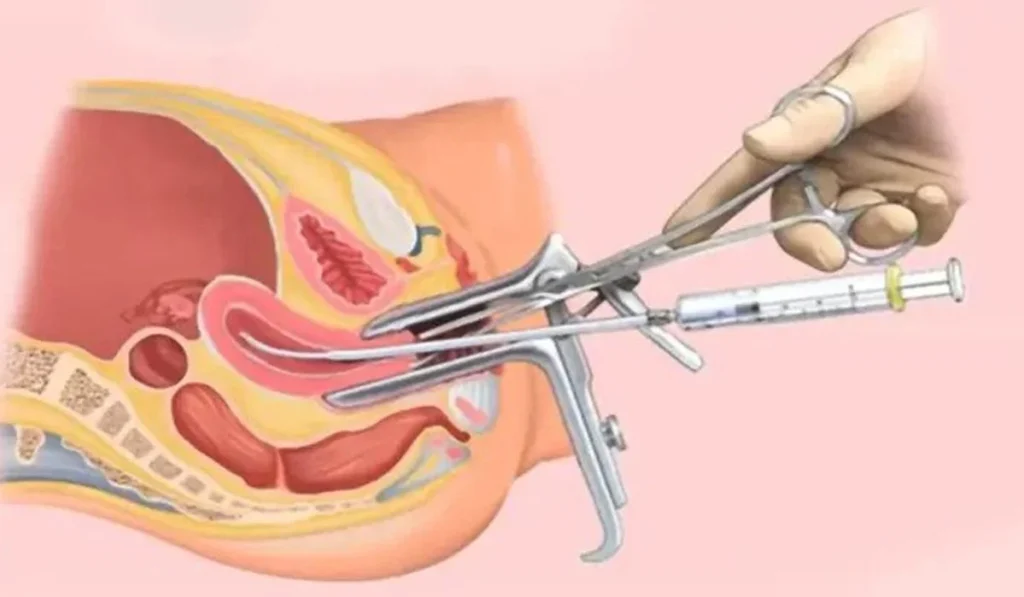
A Team Effort: The Importance of Support During Male and Female Infertility Treatments
Women may also face physical challenges during fertility treatments, such as the side effects of medication or the emotional stress of undergoing procedures. Partners can provide physical support by being there to help with household chores, cooking, or simply giving a shoulder to lean on when needed.
Another important aspect of support during female infertility treatments is the validation of feelings. Women may experience a range of emotions, from sadness and anger to guilt and shame. Partners can provide a safe space for them to express these emotions and validate their feelings, rather than trying to fix or downplay them.
The Importance of Mutual Support:
While it is essential for partners to support each other individually, it is equally important to have mutual support during infertility treatments. This means working together as a team, communicating openly, and being understanding of each other’s needs and emotions.
Couples can also benefit from seeking professional support, such as therapy or counseling. A therapist can help them navigate through the challenges of infertility and provide them with tools to cope with their emotions and strengthen their relationship.
In addition to professional support, couples can also benefit from joining support groups or connecting with other couples going through similar experiences. This can provide a sense of community and understanding, and it can also help reduce feelings of isolation and loneliness.
Conclusion:
Infertility treatment is a challenging and emotional journey for both men and women. It is essential for couples to support each other and work together as a team to increase their chances of success. By being present, communicating openly, and providing physical and emotional support, couples can navigate through this difficult time and come out stronger in the end.
Summary:
Infertility is a medical condition that affects both men and women and can put a strain on their relationship. It is essential for partners to support each other during this challenging time. Men can support their female partners by being involved in the process, communicating openly, and providing physical and emotional support. Women can support their male partners by understanding their emotions, providing physical support, and validating their feelings. Mutual support is also crucial, and couples can benefit from seeking professional help and connecting with other couples going through similar experiences.