Category: Uncategorized

  • The Science Behind Conception: Understanding the Differences Between Intrauterine Insemination vs Timed Intercourse

    Summary:

    Conception, the process of fertilization and implantation of an egg in the uterus, is a crucial step in human reproduction. However, for some couples, this process can be challenging and may require assistance from fertility treatments. In this blog post, we will dive into the science behind conception and explore the differences between two common fertility treatments: intrauterine insemination (IUI) and timed intercourse.

    First, let’s understand the basics of conception. The female reproductive system releases an egg each month during ovulation, which travels through the fallopian tubes to the uterus. If the egg meets a sperm during this journey and is fertilized, it implants in the uterine lining, resulting in pregnancy. However, this process can be affected by various factors such as age, hormonal imbalances, and reproductive issues.

    One of the most common fertility treatments used to aid conception is intrauterine insemination (IUI). This process involves inserting washed and concentrated sperm directly into the uterus, bypassing the cervix and increasing the chances of fertilization. IUI is often recommended for couples with low sperm count or motility, unexplained infertility, or difficulties with timed intercourse.

    On the other hand, timed intercourse involves tracking a woman’s ovulation and having intercourse during her fertile window. This method relies on the natural process of fertilization, with the goal of increasing the chances of sperm meeting the egg. This method is often recommended for couples with a regular menstrual cycle and no underlying fertility issues.
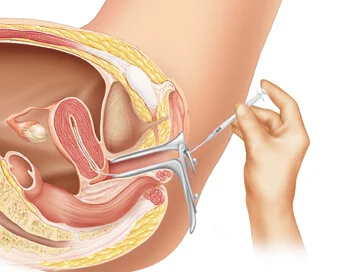
    illustration of intrauterine insemination procedure with a hand holding a speculum and syringe near the uterus

    The Science Behind Conception: Understanding the Differences Between Intrauterine Insemination vs Timed Intercourse

    Now, let’s take a closer look at the science behind these two methods. IUI provides a higher concentration of sperm directly to the uterus, reducing the distance the sperm needs to travel to reach the egg. It also bypasses any cervical mucus that may hinder sperm movement. However, the success of IUI greatly depends on the quality and quantity of sperm used.

    On the other hand, timed intercourse relies on the natural process of ovulation and sperm survival. Typically, the egg is only viable for about 24 hours after ovulation, while sperm can survive in the female reproductive tract for up to five days. Therefore, timing intercourse during the fertile window is crucial for this method to be successful.

    Both IUI and timed intercourse have their pros and cons, and the success rates may vary depending on the individual’s fertility factors. In some cases, doctors may recommend using both methods together to increase the chances of conception.

    It’s essential to note that fertility treatments, including IUI and timed intercourse, are not a guarantee for pregnancy. There are various factors at play, and it’s crucial to work closely with a fertility specialist to find the best treatment plan for each individual.

    In conclusion, understanding the science behind conception can help couples struggling with fertility issues make informed decisions about their treatment options. Both IUI and timed intercourse have their unique benefits and can be effective in helping couples conceive. However, it’s essential to work closely with a fertility specialist and consider all factors before deciding on a treatment plan.

  • Intrauterine Insemination vs Timed Intercourse: Is One More Invasive Than the Other?

    Summary:

    Intrauterine insemination (IUI) and timed intercourse are two common methods used in fertility treatment to help couples conceive. While both procedures involve the placement of sperm into the uterus, there are significant differences between them. In this blog post, we will explore the differences between IUI and timed intercourse and address the question of whether one is more invasive than the other.

    IUI, also known as artificial insemination, involves the insertion of washed and prepared sperm directly into the uterus. This procedure is typically done around the time of ovulation and is often combined with fertility medications to increase the chances of conception. Timed intercourse, on the other hand, involves having sexual intercourse during the woman’s fertile window, which is determined by tracking her menstrual cycle and monitoring ovulation.

    One of the main differences between IUI and timed intercourse is the level of medical intervention involved. IUI requires a visit to a fertility clinic and the use of medical instruments to place the sperm into the uterus. This can be seen as more invasive compared to timed intercourse, which can be done in the comfort of one’s own home. However, timed intercourse may also involve the use of ovulation predictor kits and fertility medications, which can add some level of medical intervention.

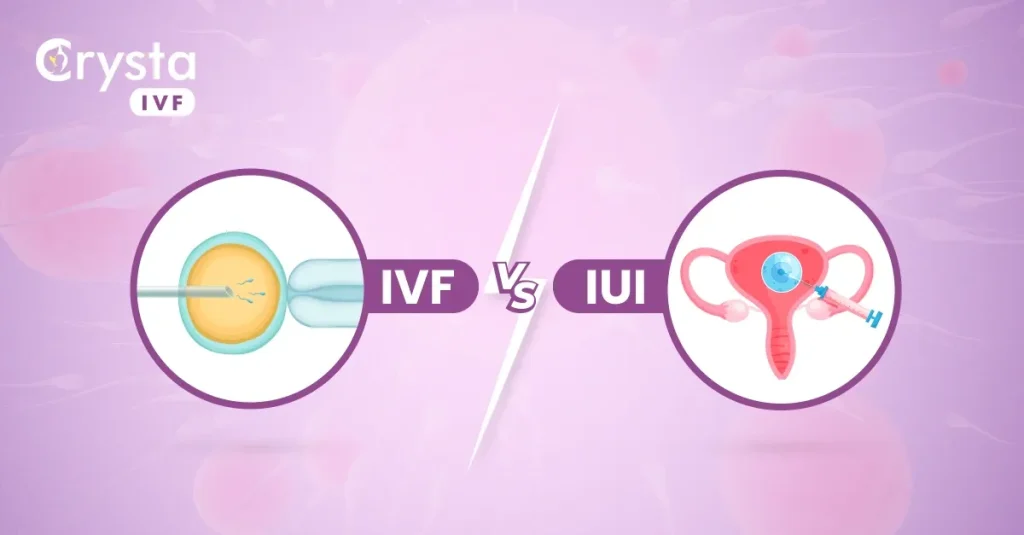
    Comparison of IVF and IUI procedures with illustrations of each method.

    Intrauterine Insemination vs Timed Intercourse: Is One More Invasive Than the Other?

    Another factor to consider is the success rates of each procedure. Studies have shown that IUI has a higher success rate compared to timed intercourse, especially for couples with certain fertility issues such as low sperm count or poor sperm motility. This is because IUI bypasses the potential barriers that sperm may face during natural intercourse, such as the acidic environment of the vagina.

    However, IUI also has a higher cost compared to timed intercourse, as it involves multiple visits to a fertility clinic, the use of fertility medications, and a procedure fee. Timed intercourse, on the other hand, only requires the cost of ovulation predictor kits and any fertility medications that may be prescribed.

    In terms of potential risks and side effects, both IUI and timed intercourse are generally considered safe procedures. However, there is a slightly higher risk of infection with IUI due to the use of medical instruments. In addition, some women may experience mild cramping or spotting after IUI. Timed intercourse may also have some physical and emotional side effects, such as stress and frustration from trying to conceive during the fertile window.

    It is important to note that the decision between IUI and timed intercourse should be based on individual factors such as the cause of infertility, age, and financial considerations. In some cases, a doctor may recommend IUI as a first-line treatment, while in others, timed intercourse may be a more appropriate option.

    In conclusion, both IUI and timed intercourse have their own advantages and disadvantages, and neither can be definitively labeled as more invasive than the other. It ultimately depends on the individual needs and circumstances of each couple. It is important to consult with a fertility specialist to determine the best course of action for your unique situation.

  • IUI vs Timed Intercourse: A Look at the Emotional and Psychological Impact of Fertility Treatments

    Blog Post Title: IUI vs Timed Intercourse: A Look at the Emotional and Psychological Impact of Fertility Treatments

    Introduction:

    Infertility is a common issue that affects millions of couples worldwide. It can be a physically and emotionally taxing journey, with many couples struggling to conceive despite numerous attempts. While there are various fertility treatments available, two of the most commonly used methods are Intrauterine Insemination (IUI) and Timed Intercourse. Both of these procedures involve the use of fertility drugs to stimulate the ovaries and improve the chances of conception. However, they differ in terms of the process and the emotional and psychological impact they can have on couples. In this blog post, we will take a closer look at IUI and Timed Intercourse and how they affect the emotional and psychological well-being of couples going through fertility treatments.

    The Process of IUI and Timed Intercourse:

    IUI is a relatively simple procedure that involves the insertion of washed sperm into the uterus through a catheter. It is typically performed around the time of ovulation, and fertility drugs may be used to stimulate the ovaries and increase the chances of pregnancy. On the other hand, Timed Intercourse is a more natural method that involves having sex during the woman’s fertile window, which is usually the five days leading up to ovulation. In this method, fertility drugs may also be used to stimulate ovulation.

    Emotional Impact of IUI:

    The emotional impact of IUI can vary from person to person, but it is often accompanied by feelings of hope, excitement, and anxiety. The process of IUI can be stressful, especially for couples who have been trying to conceive for a long time. The use of fertility drugs can also cause mood swings and emotional ups and downs, making the experience even more challenging. While the success rates of IUI are relatively low, many couples still cling to the hope that this procedure will be the one that leads to pregnancy. However, if the procedure fails, it can be emotionally devastating for couples, leading to feelings of disappointment, frustration, and even guilt.

    Psychological Impact of IUI:

    The psychological impact of IUI can be significant, as it often involves multiple attempts and can take a toll on a couple’s mental well-being. The constant monitoring of ovulation, the use of fertility drugs, and the invasive nature of the procedure can all contribute to feelings of stress and anxiety. Additionally, the financial strain of IUI can also add to the psychological burden, as it can be an expensive procedure that may not be covered by insurance. For couples who have been trying to conceive for a long time, the process of IUI can also bring up feelings of inadequacy and self-doubt, as they may question their fertility and their ability to become parents.

    Illustration of intrauterine insemination (IUI) procedure with syringe and catheter in the uterus.

    IUI vs Timed Intercourse: A Look at the Emotional and Psychological Impact of Fertility Treatments

    Emotional Impact of Timed Intercourse:

    Like IUI, Timed Intercourse can also bring about a range of emotions for couples. The initial excitement and hope of trying to conceive can quickly turn into feelings of frustration and disappointment if conception does not occur. For couples who have been trying to conceive for a long time, the pressure of having sex during the fertile window can also lead to feelings of stress and anxiety. Furthermore, the use of fertility drugs can cause mood swings and heightened emotions, adding to the emotional rollercoaster that many couples experience during this process.

    Psychological Impact of Timed Intercourse:

    Unlike IUI, Timed Intercourse is a more natural method of fertility treatment. However, this does not mean that it is any less challenging for couples. The constant pressure to have sex during the fertile window can take a toll on a couple’s mental well-being, as it can feel like a chore rather than an intimate act. The use of fertility drugs can also add to the psychological burden, as it may lead to feelings of disappointment and frustration if conception does not occur. Additionally, the unpredictability of the outcome can also cause stress and anxiety for couples, as they have no control over the success of the treatment.

    Coping with the Emotional and Psychological Impact of Fertility Treatments:

    Going through fertility treatments can be a difficult and emotional journey for couples, and it is essential to find ways to cope with the emotional and psychological impact. One of the most crucial factors is having a strong support system, whether it be a partner, family, or friends. It is also essential to communicate openly with your partner and seek professional counseling if needed. Additionally, engaging in stress-reducing activities such as yoga, meditation, or therapy can also help to cope with the emotional and psychological burden of fertility treatments.

    In conclusion, fertility treatments such as IUI and Timed Intercourse can have a significant emotional and psychological impact on couples. The process of trying to conceive can be physically and emotionally draining, and it is essential to find ways to cope with the emotional rollercoaster that comes with it. Whether you opt for IUI or Timed Intercourse, it is crucial to prioritize your mental health and seek support from loved ones and professionals to navigate this challenging journey.

    Summary:

    Infertility is a common issue that affects millions of couples worldwide. Two of the most commonly used fertility treatments are IUI and Timed Intercourse, both of which involve the use of fertility drugs to stimulate ovulation. However, these procedures can have a significant emotional and psychological impact on couples. The emotional impact of IUI and Timed Intercourse can include feelings of hope, excitement, and anxiety, while the psychological impact can range from stress and anxiety to feelings of inadequacy and self-doubt. It is essential to find ways to cope with these emotional and psychological burdens, such as having a strong support system, communicating openly with your partner, and engaging in stress-reducing activities.

  • Taking Control of Your Fertility Journey: Choosing Between Intrauterine Insemination vs Timed Intercourse

    Taking Control of Your Fertility Journey: Choosing Between Intrauterine Insemination vs Timed Intercourse

    For many couples, starting a family is an exciting and much-anticipated journey. However, for some, it can also be a challenging and emotional process. When trying to conceive, there may come a point when you need to consider fertility treatments. Intrauterine insemination (IUI) and timed intercourse (TI) are two common options for couples struggling with fertility. Both methods have their own pros and cons, and it is important to understand the differences between them in order to make an informed decision. In this blog post, we will explore the key factors to consider when choosing between IUI and TI, and how you can take control of your fertility journey.

    What is Intrauterine Insemination (IUI)?

    Intrauterine insemination, also known as artificial insemination, is a fertility treatment where sperm is placed directly into the uterus using a thin catheter. The goal of IUI is to increase the number of sperm that reach the fallopian tubes, making it easier for the sperm to fertilize the egg. This procedure is typically done around the time of ovulation, and can be done with or without fertility drugs.

    The Pros and Cons of IUI

    One of the main advantages of IUI is that it is a less invasive and less expensive option compared to other fertility treatments such as in vitro fertilization (IVF). It also has a higher success rate than timed intercourse, making it a popular choice for couples struggling with fertility. Additionally, IUI can be a good option for couples with male factor infertility, as the sperm is washed and prepared before being inserted into the uterus, increasing the chances of fertilization.

    However, IUI also has some limitations. It may not be as effective for couples with certain fertility issues such as blocked fallopian tubes or severe male factor infertility. It also does not guarantee pregnancy, and multiple cycles may be needed in order to achieve success. Furthermore, there is a risk of multiple pregnancies with IUI, which can increase the chances of complications during pregnancy and delivery.

    What is Timed Intercourse (TI)?

    Timed intercourse, also known as natural intercourse, is a fertility treatment where couples are instructed to have sex during their most fertile days. This method relies on tracking ovulation and having intercourse at the right time to increase the chances of conception. Fertility drugs may also be used to stimulate ovulation in some cases.

    The Pros and Cons of TI

    One of the main advantages of TI is that it is a natural and non-invasive option for couples trying to conceive. It also allows for more privacy and intimacy compared to other fertility treatments. Additionally, the cost of TI is significantly lower than IUI and other treatments.

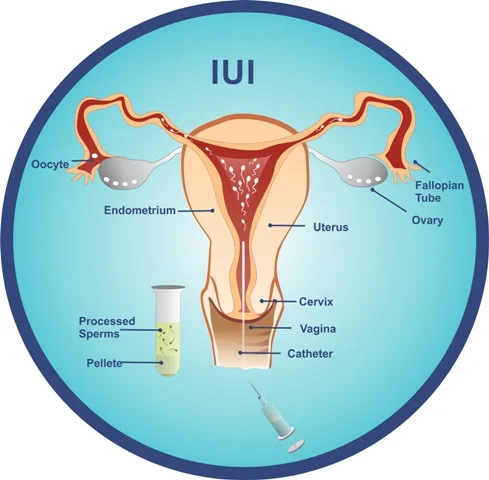
    diagram illustrating intrauterine insemination (IUI) with labeled reproductive anatomy and procedures

    Taking Control of Your Fertility Journey: Choosing Between Intrauterine Insemination vs Timed Intercourse

    However, timing is crucial with TI, and if ovulation is missed or not accurately tracked, the chances of conception decrease. It also may not be as effective for couples with certain fertility issues such as low sperm count or irregular ovulation. Furthermore, the success rate of TI is lower than IUI, and multiple cycles may still be needed to achieve pregnancy.

    Key Factors to Consider When Choosing Between IUI and TI

    When deciding between IUI and TI, there are several important factors to consider:

    1. Underlying Fertility Issues: If you or your partner have certain fertility issues, such as blocked fallopian tubes or low sperm count, IUI may be a better option.

    2. Cost: IUI is generally more expensive than TI, so if cost is a major concern, TI may be a better choice.

    3. Age: As a woman gets older, her fertility decreases, so IUI may be a more time-sensitive option for women over 35.

    4. Success Rates: If you have been trying to conceive for a long time without success, or if you have had multiple failed TI cycles, IUI may be a better option with higher success rates.

    5. Personal Preferences: Some couples may feel more comfortable with one method over the other and it is important to consider personal preferences when making this decision.

    Taking Control of Your Fertility Journey

    It is important to remember that every couple’s fertility journey is unique, and what works for one couple may not work for another. It is crucial to consult with a fertility specialist and thoroughly discuss your options before making a decision. Additionally, tracking your menstrual cycle and ovulation can help you better understand your fertility and increase your chances of conception. Overall, the key to taking control of your fertility journey is to stay informed and make decisions that are best for you and your partner.

    In conclusion, choosing between intrauterine insemination and timed intercourse is a personal decision that should be carefully considered. Both methods have their own benefits and limitations, and it is important to consult with a fertility specialist to determine the best option for your specific situation. By understanding the key factors and taking control of your fertility journey, you can increase your chances of conceiving and starting a family.

  • Comparing Intrauterine Insemination vs Timed Intercourse for Couples with Unexplained Infertility

    Infertility is a common struggle for many couples trying to start a family. It is defined as the inability to conceive after one year of trying for couples under the age of 35, and after six months for couples over the age of 35. According to the Centers for Disease Control and Prevention, about 6.1 million women in the United States have difficulty getting pregnant or staying pregnant. For couples who have been diagnosed with unexplained infertility, the road to conception can be even more challenging. In this blog post, we will compare two common fertility treatments for unexplained infertility: Intrauterine Insemination (IUI) and Timed Intercourse.

    Intrauterine Insemination, also known as artificial insemination, is a fertility treatment where sperm is injected directly into a woman’s uterus during ovulation. This procedure is commonly used for couples with unexplained infertility, as well as for couples with male factor infertility or women with cervical issues. The goal of IUI is to increase the number of sperm that reach the fallopian tubes and therefore increase the chances of fertilization.

    On the other hand, timed intercourse involves having sexual intercourse during a woman’s most fertile days, typically determined by tracking ovulation. This method relies on the natural process of conception and does not involve any medical intervention. Timed intercourse is often recommended as a first-line treatment for couples with unexplained infertility, as it is less invasive and less expensive compared to other fertility treatments.

    So, which option is better for couples with unexplained infertility? Let’s dive deeper into the specifics of each treatment to find out.

    Effectiveness

    When it comes to effectiveness, both IUI and timed intercourse have similar success rates. According to the American Society for Reproductive Medicine, the success rate for IUI is 10-20% per cycle, while timed intercourse has a success rate of 10-30% per cycle. However, the success rates can vary depending on various factors such as age, overall health, and the cause of infertility.

    In terms of timing, IUI has a more precise window of fertilization as the sperm is directly injected into the uterus during ovulation. Timed intercourse, on the other hand, relies on the natural process of sperm reaching the egg, which can be unpredictable.

    Cost

    The cost of fertility treatments can be a significant barrier for many couples. Timed intercourse is a more affordable option as it does not involve any medical procedures. However, couples still need to invest in ovulation tracking kits and other fertility aids, which can add up over time. On the other hand, IUI can be more costly as it involves a medical procedure and may require multiple cycles to achieve pregnancy.

    illustration of intrauterine insemination procedure with a hand holding a speculum and syringe near the uterus

    Comparing Intrauterine Insemination vs Timed Intercourse for Couples with Unexplained Infertility

    Risks and Complications

    Both IUI and timed intercourse are relatively safe procedures with minimal risks and complications. However, there is a slightly higher risk of multiple pregnancies with IUI compared to timed intercourse. This is because IUI involves the insertion of multiple sperm directly into the uterus, which can increase the chances of multiple eggs being fertilized.

    Furthermore, IUI carries a small risk of infection or damage to the uterus, while timed intercourse does not pose any physical risks. It is essential to discuss these risks with a doctor before deciding on a treatment option.

    Emotional and Psychological Impact

    Infertility can take a toll on a couple’s emotional and psychological well-being. The process of trying to conceive can be stressful and emotionally draining. In this aspect, timed intercourse may be a better option for some couples as it does not involve medical procedures and allows for a more natural approach to conception.

    However, for couples who have been trying to conceive for a long time and have not been successful, the need for medical intervention may bring a sense of hope and control. In such cases, IUI may be a better option as it offers a more active role in the conception process.

    Conclusion

    In conclusion, both IUI and timed intercourse can be effective options for couples with unexplained infertility. They both have similar success rates, but the decision ultimately depends on individual preferences, financial constraints, and the advice of a fertility specialist. It is essential to have open and honest communication with your partner and healthcare provider to determine the best course of action.

    In the end, the most important thing is to stay positive and keep trying. With advancements in assisted reproductive technology, there is hope for couples struggling with infertility to start their families.

    Summary: Intrauterine Insemination (IUI) and timed intercourse are two common fertility treatments for couples with unexplained infertility. They have similar success rates, but vary in terms of cost, risks, and emotional impact. The decision between the two ultimately depends on individual preferences and advice from a fertility specialist.

  • Intrauterine Insemination vs Timed Intercourse: Examining the Success Rates for Different Age Groups

    Intrauterine Insemination vs Timed Intercourse: Examining the Success Rates for Different Age Groups

    Deciding to start a family is an exciting and emotional journey for many couples. However, for some, achieving a successful pregnancy may not be as easy as they had hoped. In these cases, assisted reproductive technologies (ART) such as intrauterine insemination (IUI) and timed intercourse may be recommended by a fertility specialist. Both methods involve the introduction of sperm into the female reproductive tract, but they differ in terms of timing and procedure. In this blog post, we will examine the success rates of IUI and timed intercourse for different age groups and provide a comprehensive comparison between the two methods.

    Introduction to Intrauterine Insemination (IUI)

    IUI is a commonly used ART that involves the placement of washed, concentrated sperm directly into the uterus through a thin catheter. This procedure is often used in conjunction with fertility drugs to stimulate ovulation and increase the chances of conception. IUI can be performed with partner sperm or donor sperm and is a less invasive and more affordable option compared to in vitro fertilization (IVF).

    Introduction to Timed Intercourse

    Timed intercourse, also known as “natural” or “high-tech” intercourse, involves having intercourse during a woman’s most fertile window, which is typically between days 12-16 of her menstrual cycle. This method does not require any medical intervention but may involve the use of ovulation predictor kits or tracking basal body temperature to determine the optimal timing for intercourse. Timed intercourse is often recommended for couples with unexplained infertility or those who prefer a more natural approach to conception.

    Success Rates for Different Age Groups

    test tube with sperm in blue liquid, promoting IUI success rate and factors influencing fertility.

    Intrauterine Insemination vs Timed Intercourse: Examining the Success Rates for Different Age Groups

    The success rates of IUI and timed intercourse can vary depending on a woman’s age. According to the American Society for Reproductive Medicine, the success rate for IUI ranges from 10-20% per cycle for women under 35, while it drops to 5-10% for women over 40. On the other hand, timed intercourse has a success rate of 20-30% per cycle for women under 35 but decreases to 10-15% for women over 40. It is important to note that these success rates are for couples with no known fertility issues. For couples with fertility issues, the success rates may vary.

    Comparing the Success Rates

    When looking at the success rates for different age groups, it is clear that timed intercourse has a higher success rate for women under 35. This is likely because the procedure utilizes natural conception methods and does not involve any medical intervention. In contrast, IUI requires the use of fertility drugs and medical procedures, which may not always be successful in stimulating ovulation. However, as women age, the success rates for both IUI and timed intercourse decrease significantly. This is due to the natural decline in fertility as a woman gets older.

    Factors Affecting Success Rates

    Aside from age, there are other factors that can affect the success rates of IUI and timed intercourse. These include the underlying cause of infertility, the quality of sperm, and the female partner’s reproductive health. In cases where there are sperm or ovulation issues, IUI may be a more effective option as it can bypass any potential barriers and deliver the sperm directly into the uterus. However, if the female partner has a hormonal imbalance or other reproductive health issues, timed intercourse may be a better option as it allows for natural conception to occur.

    Which Method is Right for You?

    Choosing between IUI and timed intercourse can be a difficult decision, and it ultimately depends on your individual circumstances. If you are under 35 and have no known fertility issues, timed intercourse may be the more successful and cost-effective option. However, if you have a specific fertility issue that can be addressed with IUI, such as low sperm count or poor ovulation, it may be a better choice for you. It is important to consult with a fertility specialist who can assess your individual situation and recommend the best course of action.

    In conclusion, both IUI and timed intercourse can be effective options for couples struggling with fertility. However, success rates may vary depending on a woman’s age and individual circumstances. It is essential to discuss all available options with a fertility specialist to determine the best course of action for you and your partner.

  • The Importance of Timing: Intrauterine Insemination vs Timed Intercourse for Couples Struggling with Infertility

    The journey to starting a family can be filled with excitement and anticipation, but for many couples, it can also be filled with frustration and disappointment. Infertility affects approximately 1 in 8 couples, and can be a difficult and emotional experience. When trying to conceive, timing is everything, and it can be overwhelming to navigate the various methods and techniques available. One of the most common choices for couples struggling with infertility is the decision between intrauterine insemination (IUI) and timed intercourse. Both have their own benefits and drawbacks, but understanding the importance of timing can make all the difference in achieving a successful pregnancy.

    Intrauterine insemination (IUI) is a form of assisted reproductive technology (ART) where sperm is placed directly into the uterus, increasing the chances of fertilization. This is typically done around the time of ovulation, and can be done with or without the use of fertility medications. Timed intercourse, on the other hand, involves having intercourse during the woman’s fertile window, which is the time leading up to and including ovulation. While both methods aim to increase the chances of conception, there are some key differences that couples should be aware of when making this decision.

    One of the main benefits of IUI is that it allows for a higher concentration of sperm to be placed directly into the uterus, bypassing any potential obstacles in the cervix. This can be especially helpful for couples where the male partner has a low sperm count or poor sperm motility. Additionally, IUI can also be beneficial for couples with unexplained infertility, as it increases the chances of sperm and egg meeting in the fallopian tubes. However, IUI does not guarantee fertilization, and there is still a chance of multiple unsuccessful attempts.

    Timed intercourse, on the other hand, relies on the natural process of fertilization through intercourse during the fertile window. This method is less invasive and less expensive compared to IUI, making it a more attractive option for couples who may not have the resources for ART treatments. However, timing is crucial for this method to be successful. Couples must accurately track the woman’s menstrual cycle and use ovulation predictor kits to determine the best time for intercourse. This can be a challenging and stressful process, and the window for conception is smaller compared to IUI, making it more difficult for some couples to conceive.

    Another important factor to consider is the success rates of each method. Studies have shown that IUI has a higher success rate compared to timed intercourse, with pregnancy rates ranging from 10-20% per cycle. This is due to the higher concentration of sperm being placed directly into the uterus, increasing the chances of fertilization. However, the success rates of IUI can also be affected by factors such as the woman’s age, overall health, and the quality of the sperm being used.

    Timing is also crucial when it comes to the age of the woman. As a woman ages, her fertility declines, and the chances of conception decrease. This is why it is important for couples to seek medical advice and consider the most effective method for their individual situation. For women over the age of 35, IUI may be a more suitable option as it can bypass any potential age-related issues with the cervix or fallopian tubes.

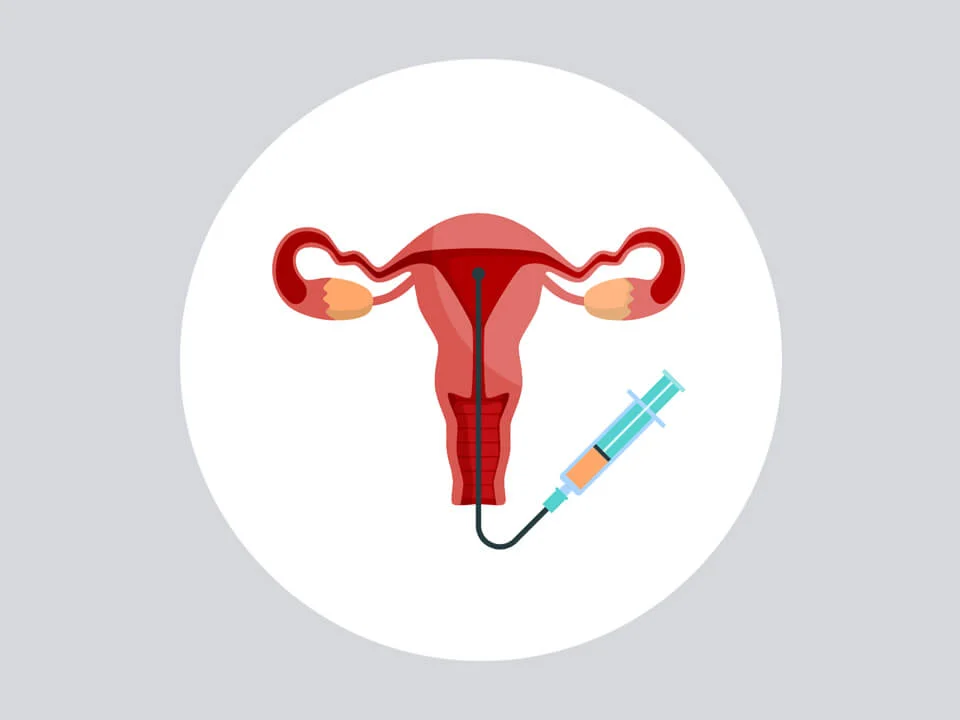
    illustration of intrauterine insemination procedure with a syringe and catheter in the uterus.

    The Importance of Timing: Intrauterine Insemination vs Timed Intercourse for Couples Struggling with Infertility

    It’s also important to note that timing is not the only factor that affects the success of these methods. Other lifestyle factors such as diet, exercise, and stress levels can also play a role in fertility. It’s important for couples to take a holistic approach and make lifestyle changes that can improve their overall reproductive health.

    In addition to timing, another key consideration for couples struggling with infertility is the cost. IUI can be a more expensive option compared to timed intercourse, as it involves the use of fertility medications and medical procedures. Insurance coverage for these treatments can vary, so it’s important for couples to research and understand their options before making a decision.

    Ultimately, the decision between IUI and timed intercourse should be made in consultation with a fertility specialist, who can provide personalized recommendations based on the couple’s medical history and individual factors. Both methods have their own benefits and drawbacks, and it’s important for couples to understand their options and make an informed decision that is best for their unique situation.

    In conclusion, timing plays a crucial role in the journey of conception for couples struggling with infertility. The decision between IUI and timed intercourse is a personal one and should be made after careful consideration of each method’s benefits, success rates, and cost. Seeking medical advice and making lifestyle changes can also greatly improve the chances of success for both methods. Regardless of which method is chosen, the most important thing is for couples to remain hopeful and support each other through this challenging process.

    Summary:

    Timing is crucial when it comes to the journey of conception for couples struggling with infertility. Intrauterine insemination (IUI) and timed intercourse are two common methods used to increase the chances of pregnancy, each with their own benefits and drawbacks. IUI involves placing sperm directly into the uterus, while timed intercourse relies on natural fertilization through intercourse during the fertile window. Factors such as age, success rates, and cost should be considered when making a decision, and seeking medical advice is important. Ultimately, both methods require accurate timing and a holistic approach to improve the chances of success.

  • Intrauterine Insemination vs Timed Intercourse: The Impact of Male and Female Fertility on Success Rates

    Intrauterine Insemination vs Timed Intercourse: The Impact of Male and Female Fertility on Success Rates

    When it comes to trying to conceive, many couples may find themselves exploring different fertility treatments and methods. Two common options are intrauterine insemination (IUI) and timed intercourse. While both methods have the ultimate goal of helping a couple achieve pregnancy, there are some key differences in their approaches and success rates.

    Intrauterine insemination (IUI) is a fertility treatment where sperm is placed directly into a woman’s uterus during her ovulation cycle. This is typically done with the help of a catheter, which allows for the sperm to bypass the cervix and increase the chances of fertilization. On the other hand, timed intercourse involves tracking a woman’s ovulation cycle and having sexual intercourse during her most fertile days.

    In this blog post, we will delve deeper into the differences between intrauterine insemination and timed intercourse, and how male and female fertility can impact the success rates of these methods.

    The Role of Female Fertility

    The success of both IUI and timed intercourse greatly depends on the fertility of the female partner. For IUI, the woman’s fertility is crucial as the sperm is directly placed into her uterus, increasing the chances of fertilization. If the woman has a healthy and regular menstrual cycle, and is ovulating consistently, then the chances of IUI being successful are higher.

    However, if the woman has underlying fertility issues such as irregular ovulation or blocked fallopian tubes, IUI may not be as effective. In these cases, additional fertility treatments may be recommended to increase the chances of success.

    In timed intercourse, the woman’s fertility is also a key factor. In order to achieve pregnancy through this method, the woman must have a regular menstrual cycle and be able to accurately track her ovulation. This can be done through methods such as ovulation predictor kits or tracking basal body temperature.

    If a woman has irregular ovulation or does not ovulate at all, timed intercourse may not be as effective. In these cases, fertility medications may be prescribed to help induce ovulation and increase the chances of success.

    The Role of Male Fertility

    While female fertility plays a significant role in the success of both IUI and timed intercourse, the male partner’s fertility also has an impact. In IUI, the quality and quantity of sperm are important factors. If the male partner has a low sperm count, poor sperm motility, or abnormal sperm morphology, the chances of fertilization and pregnancy may decrease.

    In timed intercourse, the male partner’s sperm quality is also crucial. The timing of intercourse is important as sperm can survive in the female reproductive tract for up to five days. If the male partner has low sperm quality, it may decrease the chances of fertilization even if intercourse is timed correctly.

    In both methods, if the male partner has underlying fertility issues, additional treatments may be recommended to improve the chances of success.

    Illustration of a uterus with a syringe, representing intrauterine insemination (IUI) procedure.

    Intrauterine Insemination vs Timed Intercourse: The Impact of Male and Female Fertility on Success Rates

    Success Rates of IUI vs Timed Intercourse

    The success rates of IUI and timed intercourse can vary depending on a couple’s individual fertility factors. However, in general, IUI has a higher success rate compared to timed intercourse.

    According to the American Pregnancy Association, the success rate for IUI is 10-20% per cycle, while the success rate for timed intercourse is 8-15% per cycle. This is because IUI allows for the sperm to be placed directly into the uterus, increasing the chances of fertilization.

    In addition, IUI can also be combined with fertility medications to further increase the chances of success, whereas timed intercourse relies solely on the timing of ovulation and intercourse.

    Factors Affecting Success Rates

    Aside from male and female fertility, there are other factors that can affect the success rates of IUI and timed intercourse. These include:

    1. Age – As women age, their fertility declines, making it more difficult to conceive through any fertility method. This is because women are born with a limited number of eggs, and as they age, the quality and number of eggs decrease.

    2. Underlying medical conditions – Certain medical conditions such as polycystic ovary syndrome (PCOS) or endometriosis can affect a woman’s fertility and decrease the chances of success with IUI and timed intercourse.

    3. Lifestyle factors – Smoking, excessive alcohol consumption, and being overweight or underweight can all impact fertility and decrease the chances of success with IUI and timed intercourse.

    4. Timing and frequency of intercourse – In timed intercourse, having intercourse too early or too late in the woman’s ovulation cycle can decrease the chances of fertilization. Additionally, having intercourse too frequently or not frequently enough can also affect the success rates.

    Conclusion

    Intrauterine insemination and timed intercourse are two common fertility treatments that can help couples achieve pregnancy. While both methods have the same goal, they employ different approaches and have varying success rates.

    The success of both IUI and timed intercourse depends on the fertility of the female and male partners, as well as other factors such as age, underlying medical conditions, and lifestyle factors. For couples struggling with fertility, it is important to consult with a fertility specialist to determine the best treatment option for their individual situation.

    In the end, the most important thing is to remain positive and have faith that with the right treatment and support, the journey to parenthood can be successful.

  • Exploring Alternative Fertility Treatments: Intrauterine Insemination vs Timed Intercourse

    Blog Post: Exploring Alternative Fertility Treatments: Intrauterine Insemination vs Timed Intercourse

    Infertility is a common struggle for many couples trying to conceive. Fortunately, there are various fertility treatments available that can help increase the chances of a successful pregnancy. In this blog post, we will be focusing on two alternative fertility treatments: intrauterine insemination (IUI) and timed intercourse.

    What is Intrauterine Insemination (IUI)?

    Intrauterine insemination, also known as artificial insemination, is a fertility treatment where sperm is directly inserted into the uterus during the woman’s ovulation period. This procedure is usually recommended for couples who have been trying to conceive for at least a year without success, or for those who have certain fertility issues such as low sperm count or cervical mucus problems.

    The process of IUI involves the collection of semen from the male partner, which is then washed and concentrated to remove any impurities. The prepared sperm is then placed into the woman’s uterus through a thin catheter, bypassing the cervix and increasing the chances of the sperm reaching the egg.

    What is Timed Intercourse?

    Timed intercourse, also known as ovulation induction, is a fertility treatment that involves tracking a woman’s menstrual cycle and timing sexual intercourse during her most fertile days. This method is usually recommended for couples who have been diagnosed with unexplained infertility or ovulation disorders.

    To determine the best time for intercourse, the woman’s hormone levels are monitored through blood tests and ultrasound scans. Medications may also be prescribed to stimulate ovulation and increase the chances of conception.

    Comparing IUI and Timed Intercourse

    Both IUI and timed intercourse aim to increase the chances of conception, but there are some notable differences between the two treatments.

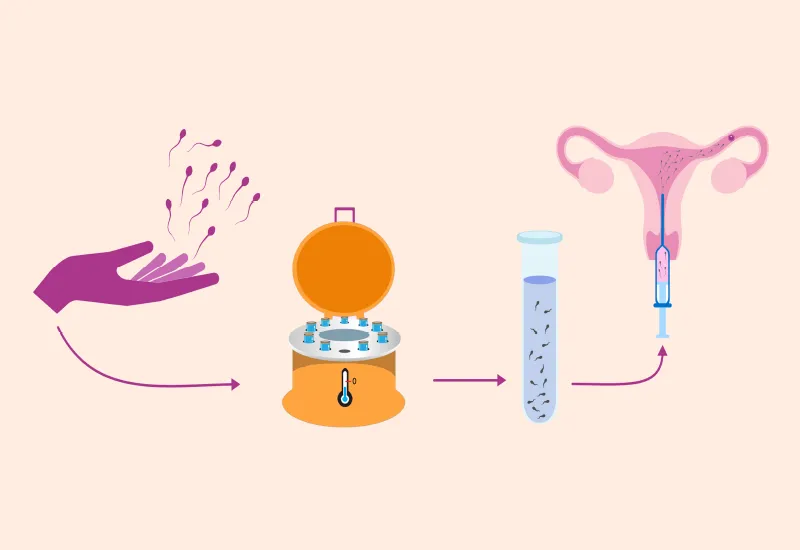
    illustration of the IUI process, showing sperm collection, preparation, and insertion into the uterus

    Exploring Alternative Fertility Treatments: Intrauterine Insemination vs Timed Intercourse

    Success Rates: According to studies, the success rates of IUI are slightly higher than timed intercourse. On average, the success rate for IUI is around 10-20% per cycle, while timed intercourse has a success rate of 5-10% per cycle.

    Cost: In terms of cost, timed intercourse is a more affordable option compared to IUI. The cost of IUI can range from $500 to $4,000 per cycle, while timed intercourse can cost around $100 to $500 per cycle.

    Medical Intervention: IUI involves a more invasive procedure compared to timed intercourse, as it requires the insertion of sperm into the uterus. On the other hand, timed intercourse relies on natural intercourse, with the aid of medications to stimulate ovulation.

    Timing and Control: IUI requires precise timing, as the procedure needs to be done during the woman’s ovulation period. In contrast, timed intercourse allows for more flexibility in terms of timing, as intercourse can be done during the fertile window.

    Which Treatment is Right for You?

    When deciding between IUI and timed intercourse, it is important to consult with a fertility specialist who can assess your individual situation and recommend the best treatment option for you. Factors such as age, fertility issues, and overall health should be taken into consideration.

    In general, IUI may be a better option for couples with male factor infertility or for those who have tried timed intercourse without success. On the other hand, timed intercourse may be a good starting point for couples with unexplained infertility or ovulation disorders.

    Conclusion

    Infertility can be a difficult journey for couples, but with the help of fertility treatments such as IUI and timed intercourse, the chances of achieving a successful pregnancy can be increased. It is important to consult with a fertility specialist and consider all factors before deciding on a treatment option. With patience, perseverance, and the right treatment, the dream of starting a family can become a reality.

    Summary:

    Infertility is a common struggle for many couples, but there are alternative fertility treatments available such as intrauterine insemination (IUI) and timed intercourse. IUI involves the direct insertion of sperm into the uterus, while timed intercourse relies on tracking a woman’s menstrual cycle and timing intercourse during her most fertile days. Both treatments aim to increase the chances of conception, but IUI has a slightly higher success rate and is more expensive and invasive compared to timed intercourse. The best treatment option depends on individual factors and should be discussed with a fertility specialist.

  • Boosting Your Chances of Getting Pregnant: Intrauterine Insemination vs Timed Intercourse

    Boosting Your Chances of Getting Pregnant: Intrauterine Insemination vs Timed Intercourse

    For many couples, getting pregnant is an exciting and eagerly anticipated journey. However, for some, it may take longer than expected or desired. When trying to conceive, there are various methods and techniques that can be utilized to increase the chances of getting pregnant. In this blog post, we will explore two common methods – Intrauterine Insemination (IUI) and Timed Intercourse – and discuss how they can boost your chances of getting pregnant.

    Intrauterine Insemination (IUI) is a fertility treatment that involves placing washed and concentrated sperm directly into a woman’s uterus during ovulation. This procedure is done in a doctor’s office and is a less invasive option compared to other fertility treatments such as in vitro fertilization (IVF). IUI is often recommended for couples who have been trying to conceive for at least a year without success, or for those who have certain fertility issues such as low sperm count or cervical mucus problems.

    One of the main advantages of IUI is that it increases the number of sperm that reach the fallopian tubes, where fertilization takes place. By placing the sperm directly into the uterus, it bypasses any potential obstacles such as low sperm count or cervical mucus issues, increasing the chances of fertilization. Additionally, IUI can also be timed to coincide with ovulation, further increasing the chances of success. This procedure also allows for the use of donor sperm, making it an option for same-sex couples or single women who wish to conceive.

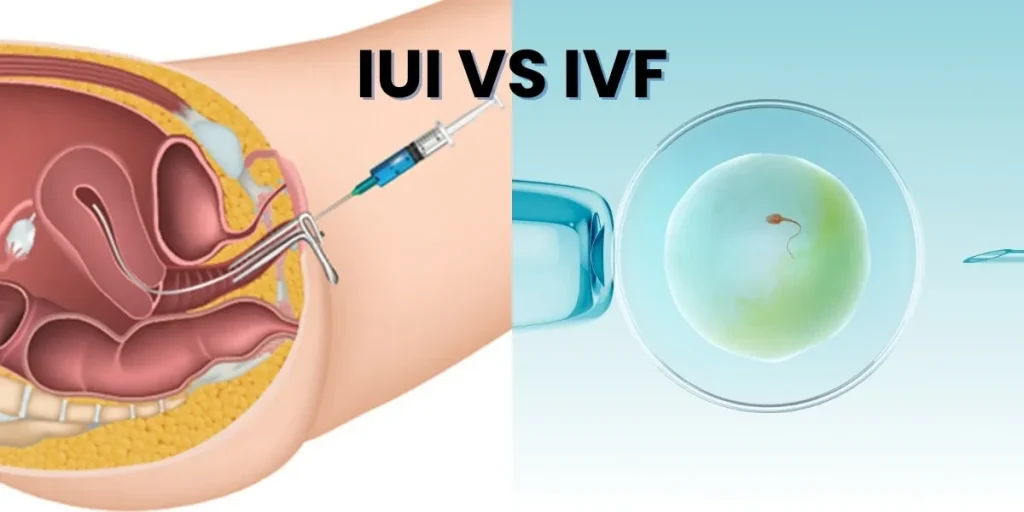
    comparison of IUI and IVF fertility treatments with illustrations of procedures and a petri dish with an egg and sperm

    Boosting Your Chances of Getting Pregnant: Intrauterine Insemination vs Timed Intercourse

    However, IUI does have some limitations. It may not be as effective for women with certain fertility issues, such as blocked fallopian tubes or severe endometriosis. It also does not guarantee a successful pregnancy, and multiple cycles may be needed. The success rate of IUI varies depending on factors such as age, overall health, and fertility issues. It is crucial to consult with a fertility specialist to determine if IUI is the right option for you.

    On the other hand, timed intercourse is a more natural approach to boosting fertility. This method involves tracking a woman’s menstrual cycle and timing intercourse during the most fertile days. This is typically done by using ovulation predictor kits or tracking changes in cervical mucus. Unlike IUI, timed intercourse does not involve any medical procedures and can be done at home.

    One of the benefits of timed intercourse is that it can be a less expensive option compared to other fertility treatments. It also allows for a more intimate and natural experience for couples. Additionally, tracking ovulation and having intercourse during the most fertile days can increase the chances of conception. However, this method may not be suitable for couples with certain fertility issues, and it relies heavily on a regular menstrual cycle.

    To determine which method is best for you, it is essential to consult with a fertility specialist. They can evaluate your individual situation and recommend the most effective treatment plan. In some cases, a combination of both IUI and timed intercourse may be recommended to maximize the chances of getting pregnant.

    In conclusion, both IUI and timed intercourse can be effective methods for boosting your chances of getting pregnant. While IUI offers a more direct and controlled approach, timed intercourse is a more natural option. It is essential to consider your individual circumstances and consult with a fertility specialist before deciding on a treatment plan. With these methods, the journey to parenthood may be a little easier and more successful.