Boosting Your Chances of Getting Pregnant: Intrauterine Insemination vs Timed Intercourse
For many couples, getting pregnant is an exciting and eagerly anticipated journey. However, for some, it may take longer than expected or desired. When trying to conceive, there are various methods and techniques that can be utilized to increase the chances of getting pregnant. In this blog post, we will explore two common methods – Intrauterine Insemination (IUI) and Timed Intercourse – and discuss how they can boost your chances of getting pregnant.
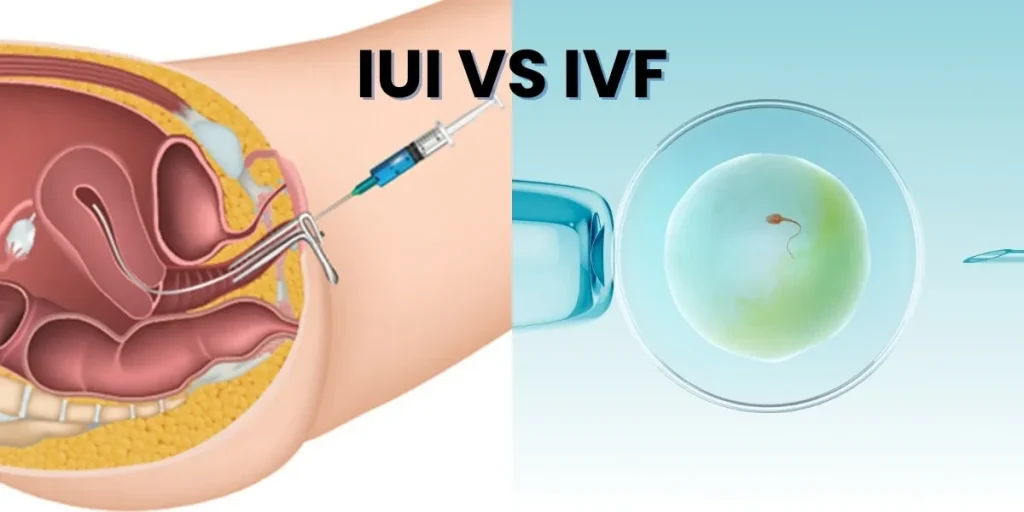
Intrauterine Insemination (IUI) is a fertility treatment that involves placing washed and concentrated sperm directly into a woman’s uterus during ovulation. This procedure is done in a doctor’s office and is a less invasive option compared to other fertility treatments such as in vitro fertilization (IVF). IUI is often recommended for couples who have been trying to conceive for at least a year without success, or for those who have certain fertility issues such as low sperm count or cervical mucus problems.
One of the main advantages of IUI is that it increases the number of sperm that reach the fallopian tubes, where fertilization takes place. By placing the sperm directly into the uterus, it bypasses any potential obstacles such as low sperm count or cervical mucus issues, increasing the chances of fertilization. Additionally, IUI can also be timed to coincide with ovulation, further increasing the chances of success. This procedure also allows for the use of donor sperm, making it an option for same-sex couples or single women who wish to conceive.
Boosting Your Chances of Getting Pregnant: Intrauterine Insemination vs Timed Intercourse
However, IUI does have some limitations. It may not be as effective for women with certain fertility issues, such as blocked fallopian tubes or severe endometriosis. It also does not guarantee a successful pregnancy, and multiple cycles may be needed. The success rate of IUI varies depending on factors such as age, overall health, and fertility issues. It is crucial to consult with a fertility specialist to determine if IUI is the right option for you.
On the other hand, timed intercourse is a more natural approach to boosting fertility. This method involves tracking a woman’s menstrual cycle and timing intercourse during the most fertile days. This is typically done by using ovulation predictor kits or tracking changes in cervical mucus. Unlike IUI, timed intercourse does not involve any medical procedures and can be done at home.
One of the benefits of timed intercourse is that it can be a less expensive option compared to other fertility treatments. It also allows for a more intimate and natural experience for couples. Additionally, tracking ovulation and having intercourse during the most fertile days can increase the chances of conception. However, this method may not be suitable for couples with certain fertility issues, and it relies heavily on a regular menstrual cycle.
To determine which method is best for you, it is essential to consult with a fertility specialist. They can evaluate your individual situation and recommend the most effective treatment plan. In some cases, a combination of both IUI and timed intercourse may be recommended to maximize the chances of getting pregnant.
In conclusion, both IUI and timed intercourse can be effective methods for boosting your chances of getting pregnant. While IUI offers a more direct and controlled approach, timed intercourse is a more natural option. It is essential to consider your individual circumstances and consult with a fertility specialist before deciding on a treatment plan. With these methods, the journey to parenthood may be a little easier and more successful.
Leave a Reply