Tag: therapy

  • Fertility Counseling for Couples: Strengthening Relationships During the Fertility Journey

    Blog Post: Fertility Counseling for Couples: Strengthening Relationships During the Fertility Journey

    The journey to parenthood is an exciting and joyous experience for many couples. However, for some, it can be a challenging and emotionally draining journey. Dealing with fertility issues can cause significant stress and strain on a relationship, leading to feelings of isolation, resentment, and even shame. This is where fertility counseling for couples can play a crucial role in strengthening relationships and providing emotional support during the fertility journey.

    What is Fertility Counseling?

    Fertility counseling is a specialized form of therapy that focuses on the emotional and psychological aspects of fertility and the journey to parenthood. It involves working with a licensed therapist who has experience in helping couples navigate the challenges of fertility issues. Fertility counseling can take place in individual or group sessions, and it can also be incorporated into couples therapy sessions.

    Why is Fertility Counseling Important for Couples?

    The fertility journey can be a rollercoaster of emotions for couples. It involves a range of physical, emotional, and financial challenges that can put a strain on the relationship. Research has shown that couples dealing with fertility issues are more likely to experience higher levels of stress, depression, and anxiety compared to those who do not face these challenges. This is where fertility counseling can be beneficial for couples.

    Provides a Safe Space to Share Feelings

    Fertility counseling provides a safe and non-judgmental space for couples to share their feelings and concerns about their fertility journey. It allows both partners to express their emotions and concerns without fear of hurting each other’s feelings or damaging the relationship. This safe space can help couples to communicate better, leading to a deeper understanding of each other’s emotions and experiences.

    Addresses Relationship Issues
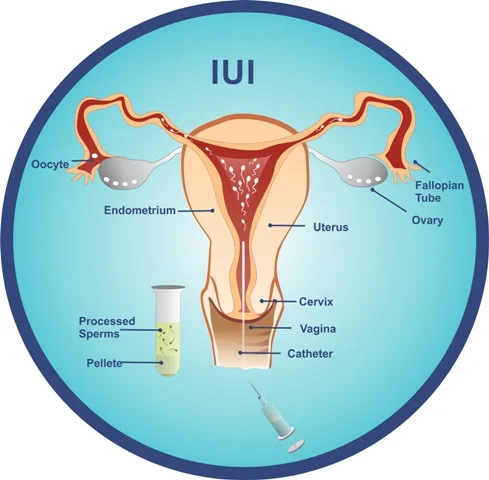
    diagram illustrating intrauterine insemination (IUI) with labeled reproductive anatomy and procedures

    Fertility Counseling for Couples: Strengthening Relationships During the Fertility Journey

    Fertility issues can put a strain on even the strongest of relationships. It can lead to feelings of resentment, blame, and guilt, which can create tension and distance between partners. Fertility counseling can help couples address these issues and work towards building a stronger and healthier relationship. Through therapy, couples can identify and address any underlying relationship issues, such as communication problems or unresolved conflicts, that may be contributing to their fertility struggles.

    Coping with Emotional Distress

    The fertility journey can be emotionally distressing for both partners. Women may experience feelings of guilt, failure, and loss of control, while men may struggle with feelings of inadequacy and helplessness. Fertility counseling can help couples cope with these intense emotions and provide them with the tools to manage them effectively. Therapists can offer coping strategies, such as relaxation techniques and stress management techniques, to help couples navigate the emotional challenges of the fertility journey.

    Support during Treatment

    Fertility treatment can be physically and emotionally demanding for couples. The constant appointments, medications, and procedures can take a toll on both partners. Fertility counseling can provide much-needed emotional support during this time. Therapists can help couples manage the stress and anxiety associated with treatment and provide them with coping strategies to help them through the process.

    Strengthening the Relationship

    The fertility journey can be a difficult and stressful time for couples, but it can also be an opportunity to strengthen their relationship. Fertility counseling can help couples navigate the challenges and build a stronger, more resilient relationship. Through therapy, couples can learn effective communication skills, develop a deeper understanding of each other’s needs, and build a stronger sense of teamwork and support.

    In conclusion, fertility counseling can play a crucial role in helping couples navigate the challenges of the fertility journey. It provides a safe space for couples to share their feelings, addresses relationship issues, and offers support during treatment. Additionally, fertility counseling can help couples build a stronger and healthier relationship, which can ultimately improve their chances of success on their journey to parenthood.
    Summary:

    Fertility counseling is a specialized form of therapy that focuses on the emotional and psychological aspects of fertility and the journey to parenthood. It provides a safe space for couples to share their feelings, addresses relationship issues, and offers support during treatment. Additionally, fertility counseling can help couples build a stronger and healthier relationship, which can ultimately improve their chances of success on their journey to parenthood.
  • The Emotional Side of Fertility Treatments: Intrauterine Insemination vs Low-Tech IVF

    Summary:

    Fertility treatments, specifically intrauterine insemination (IUI) and low-tech in vitro fertilization (IVF), can be emotionally taxing for couples struggling to conceive. In this blog post, we will discuss the emotional side of these fertility treatments and compare the experiences of IUI and low-tech IVF. Both treatments involve similar procedures, but the emotional impact can vary greatly.

    IUI is a less invasive and more affordable fertility treatment option compared to IVF. However, the success rates are lower, which can lead to disappointment and frustration for couples. The emotional rollercoaster of hope and disappointment during IUI can take a toll on the mental health of couples. On the other hand, low-tech IVF may have higher success rates, but the process can be physically and emotionally demanding. The constant monitoring and injections can cause stress and anxiety for couples, and the financial burden of IVF can add to the emotional strain.

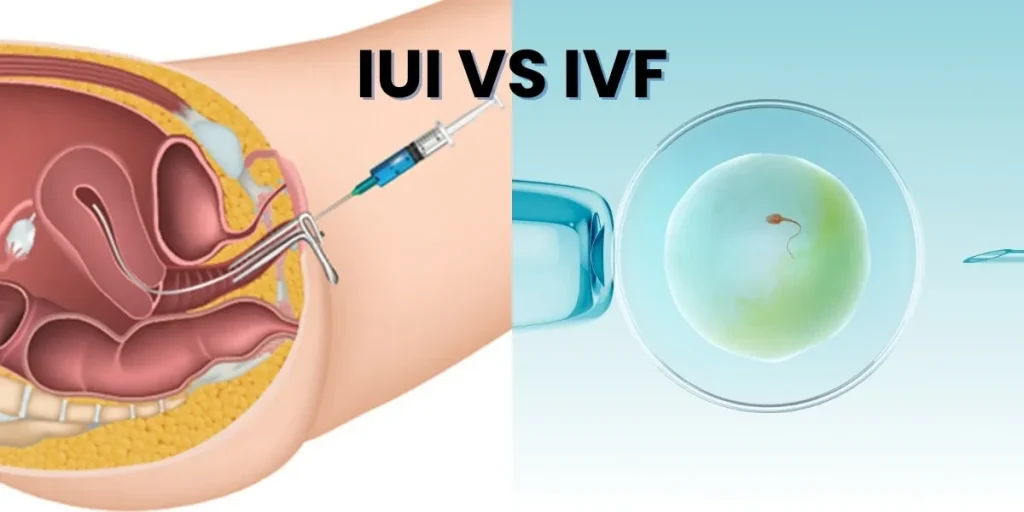
    comparison of IUI and IVF fertility treatments with illustrations of procedures and a petri dish with an egg and sperm

    The Emotional Side of Fertility Treatments: Intrauterine Insemination vs Low-Tech IVF

    The emotional impact of fertility treatments also extends beyond the couple, involving their support system of family and friends. The pressure from well-meaning loved ones and the fear of judgment from society can add to the already existing emotional burden. It is essential for couples to have a strong support system and communicate openly with their loved ones during this challenging journey.

    Furthermore, fertility treatments can also bring up unresolved emotions and past traumas for couples. The pressure to conceive can cause strain on the relationship, and unresolved issues can resurface. It is crucial for couples to seek therapy or counseling to address these emotions and strengthen their bond.

    In conclusion, the emotional side of fertility treatments is often overlooked, but it is a crucial aspect of the journey for couples. The experience of IUI and low-tech IVF can differ greatly, but both have their own emotional challenges. It is essential for couples to communicate openly with each other, seek support from their loved ones, and address any unresolved emotions with therapy or counseling.

  • The Emotional Toll: Surrogacy vs Adoption

    The Emotional Toll: Surrogacy vs Adoption

    Surrogacy and adoption are two methods of building a family for couples who are unable to conceive or carry a child on their own. While both options offer the opportunity to become parents, they also come with their own set of emotional challenges. In this blog post, we will explore the emotional toll that surrogacy and adoption can have on individuals and families.

    Surrogacy is the process in which a woman carries a pregnancy for another individual or couple. This can be done through traditional surrogacy, where the surrogate’s own egg is fertilized with the intended father’s sperm, or gestational surrogacy, where the surrogate carries a pregnancy created with either the intended parents’ genetic material or donated gametes.

    On the other hand, adoption is the legal process of becoming the parent of a child who is not biologically related to you. This can be done through various means, such as domestic adoption, international adoption, or foster care adoption.

    Both surrogacy and adoption involve a lot of planning, paperwork, and financial investment. However, the emotional toll of these processes is often overlooked. Let’s take a closer look at the emotional challenges that can arise in surrogacy and adoption.

    Surrogacy:

    1. Intimacy and Loss: The bond between a mother and her child is a unique and intimate one. For the surrogate, carrying a child for someone else can be emotionally challenging, as she may have to detach from the pregnancy and the child after giving birth. This loss can be particularly difficult for traditional surrogates who use their own eggs, as they have a biological connection to the child.

    2. Emotional Attachment: Intended parents often develop a deep emotional attachment to their surrogate and the child she is carrying. This can create a sense of anxiety and fear of losing the baby if the surrogate decides not to go through with the pregnancy or if any complications arise. This emotional rollercoaster can be overwhelming for both the intended parents and the surrogate.

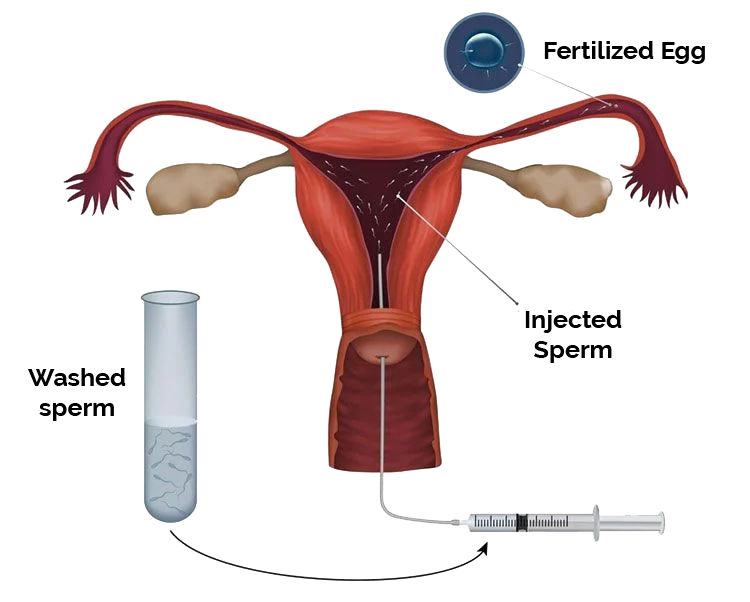
    diagram of the female reproductive system with an IUI syringe and test tube for artificial insemination

    The Emotional Toll: Surrogacy vs Adoption

    3. Expectations vs Reality: In surrogacy, intended parents may have high expectations for the pregnancy and the child. However, things may not always go as planned, and there can be complications during the pregnancy or after the birth. This can lead to disappointment and feelings of frustration and helplessness.

    4. Legal Challenges: Surrogacy laws vary from state to state and can be complex and confusing. This can cause a lot of stress and anxiety for both the intended parents and the surrogate, as there is always a risk of legal battles or issues with parental rights.

    Adoption:

    1. Grief and Loss: For adoptive parents, the process of adoption often involves a sense of grief and loss as they come to terms with the fact that they are unable to have biological children. This can be a difficult emotional journey, and many may struggle with feelings of inadequacy or failure.

    2. Waiting Game: The process of adoption can be lengthy and unpredictable. Adoptive parents may have to go through multiple rounds of interviews, home studies, and background checks before being matched with a child. The waiting game can be emotionally draining, and the fear of being rejected or not being chosen by a birth mother can be overwhelming.

    3. Attachment and Bonding: Adoptive parents may worry about their ability to bond and form an emotional connection with their child, especially if the child is older or has experienced trauma. This can lead to feelings of anxiety and fear of being rejected by the child.

    4. Open Adoption: In recent years, open adoption has become more common, where birth parents and adoptive parents maintain some form of contact after the adoption is finalized. While this can be beneficial for the child, it can also create emotional challenges for the adoptive parents, as they may have to navigate a relationship with the birth parents.

    In both surrogacy and adoption, there is also the added stress of financial investment. Surrogacy can cost anywhere from $80,000 to $120,000, while adoption can range from $20,000 to $50,000. This financial burden can add to the emotional toll, as parents may feel pressure to make the process successful after investing a significant amount of money.

    In conclusion, surrogacy and adoption are both complex and emotionally taxing processes. Both options offer the opportunity to become parents, but they also come with their own set of challenges. It is essential for individuals and couples considering these options to fully understand and prepare for the emotional toll that they may face. Seeking support through therapy or support groups can be beneficial in navigating these challenges and building a strong and resilient family.

  • Support Systems: Finding a Community During Artificial Insemination and IVF

    Blog Post:

    Support Systems: Finding a Community During Artificial Insemination and IVF

    Going through artificial insemination and in vitro fertilization (IVF) can be a challenging and emotionally draining experience. It is a journey filled with hope, disappointment, and uncertainty. For many individuals and couples, having a support system during this process can make all the difference. In this blog post, we will discuss the importance of having a support system during artificial insemination and IVF, and how to find a community that can offer understanding, empathy, and encouragement.

    The Importance of a Support System

    Artificial insemination and IVF are physically, mentally, and emotionally demanding procedures. They involve multiple appointments, medications, and procedures, all while navigating the rollercoaster of emotions that come with each step. Having a support system during this time can provide a sense of comfort and relief, knowing that you are not going through it alone. Whether it is a partner, family member, friend, or a community of people who have gone through similar experiences, having a support system can ease the burden and help make the journey more manageable.

    Understanding and Empathy

    One of the main benefits of having a support system during artificial insemination and IVF is the understanding and empathy that comes with it. It can be challenging for those who have not been through these procedures to fully comprehend the physical and emotional toll it takes. However, having someone who has gone through it or is going through it can offer a level of understanding and empathy that is invaluable. They can relate to your struggles, fears, and hopes, and provide a safe space for you to share your thoughts and feelings without judgment.

    Encouragement and Positivity

    Having a support system during artificial insemination and IVF can also provide encouragement and positivity. Going through these procedures can be overwhelming, and it is easy to feel discouraged and lose hope. However, having a community of individuals who have gone through it or are going through it can offer words of encouragement and positivity when you need it the most. They can remind you to stay positive and offer hope during the ups and downs of the process.

    How to Find a Support System

    Now that we have established the importance of having a support system during artificial insemination and IVF, let’s discuss how to find one. Here are a few ways to build a support system during this journey:

    1. Connect with Friends and Family

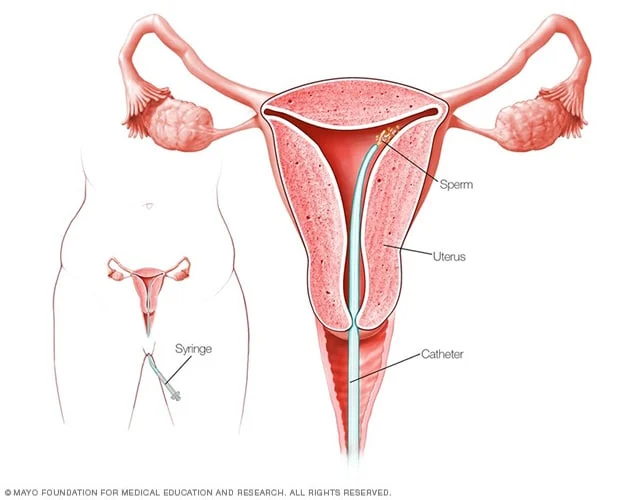
    diagram illustrating intrauterine insemination (IUI) procedure with uterus, sperm, and catheter labeled

    Support Systems: Finding a Community During Artificial Insemination and IVF

    Your first source of support can be your friends and family. They know you best and can provide unconditional love and support throughout your journey. Don’t be afraid to reach out to them and share your experiences. You may be surprised at how understanding and supportive they can be.

    2. Join Online Communities

    With the rise of social media, there are numerous online communities for individuals and couples going through artificial insemination and IVF. These communities offer a safe space for individuals to share their experiences, ask for advice, and offer support to one another. Some popular online communities include FertilityIQ, Fertility Support, and IVF Support Group.

    3. Attend Support Groups

    Many hospitals and fertility clinics offer support groups for individuals and couples going through artificial insemination and IVF. These groups provide a safe and confidential space to share experiences and offer support to one another. It can also be a great way to connect with others going through similar experiences in your local area.

    4. Consider Therapy

    Going through artificial insemination and IVF can take a toll on your mental and emotional well-being. Consider seeking therapy to help you cope with the stress and emotions during this time. A therapist can also help you navigate any challenges that may arise during the process.

    5. Attend Fertility Events and Workshops

    There are various fertility events and workshops held throughout the year that can provide a sense of community and support. These events bring together individuals and couples going through similar experiences and offer a safe space to connect and share. Look for events in your local area or consider attending virtual events.

    In conclusion, having a support system during artificial insemination and IVF is crucial. It can provide understanding, empathy, encouragement, and positivity during a challenging and emotionally taxing time. Whether it is through friends and family, online communities, support groups, therapy, or fertility events, finding a community can make the journey more manageable and less isolating.

    Summary:

    Going through artificial insemination and IVF can be a challenging and emotionally draining experience. Having a support system during this process is crucial, as it can provide understanding, empathy, and encouragement. Friends and family, online communities, support groups, therapy, and fertility events are all ways to build a support system during this journey.