Tag: Sperm production

  • Fertility Nutrition for Men: Essential Nutrients for Optimal Sperm Production

    Blog Post:

    Fertility is a topic that is often associated with women, but it is just as important for men. In fact, studies have shown that male fertility issues contribute to about 40% of infertility cases. Therefore, it is crucial for men to pay attention to their overall health and nutrition in order to maintain optimal sperm production. In this blog post, we will discuss essential nutrients that are important for male fertility and how to incorporate them into your diet.

    1. Zinc

    Zinc is a mineral that plays a key role in male reproductive health. It is essential for sperm production and maintaining healthy testosterone levels. Studies have shown that men with low levels of zinc are more likely to have sperm abnormalities and reduced sperm count. Therefore, it is important for men to consume enough zinc in their diet.

    Foods rich in zinc include oysters, beef, chicken, pumpkin seeds, and cashews. If you are not getting enough zinc through your diet, you can also consider taking a zinc supplement. The recommended daily intake for men is 11 mg, but it is important not to exceed 40 mg per day as high levels of zinc can be harmful.

    2. Folate

    Folate, also known as vitamin B9, is an essential nutrient for both men and women when it comes to fertility. It has been found to improve sperm quality and reduce the risk of chromosomal abnormalities in sperm. Folate also helps in the production of DNA, which is important for healthy sperm formation.

    Leafy greens, legumes, and avocado are all good sources of folate. It is recommended for men to consume 400-600 mcg of folate daily. You can also consider taking a folate supplement, especially if you are planning to conceive.

    3. Selenium

    Selenium is another important mineral for male fertility. It is a powerful antioxidant that helps to protect sperm from damage caused by free radicals. It has also been found to improve sperm motility and reduce the risk of DNA damage in sperm.

    Foods rich in selenium include Brazil nuts, tuna, eggs, and whole wheat bread. The recommended daily intake for men is 55 mcg, but it is important not to exceed 400 mcg per day as high levels of selenium can be toxic.

    4. Vitamin C
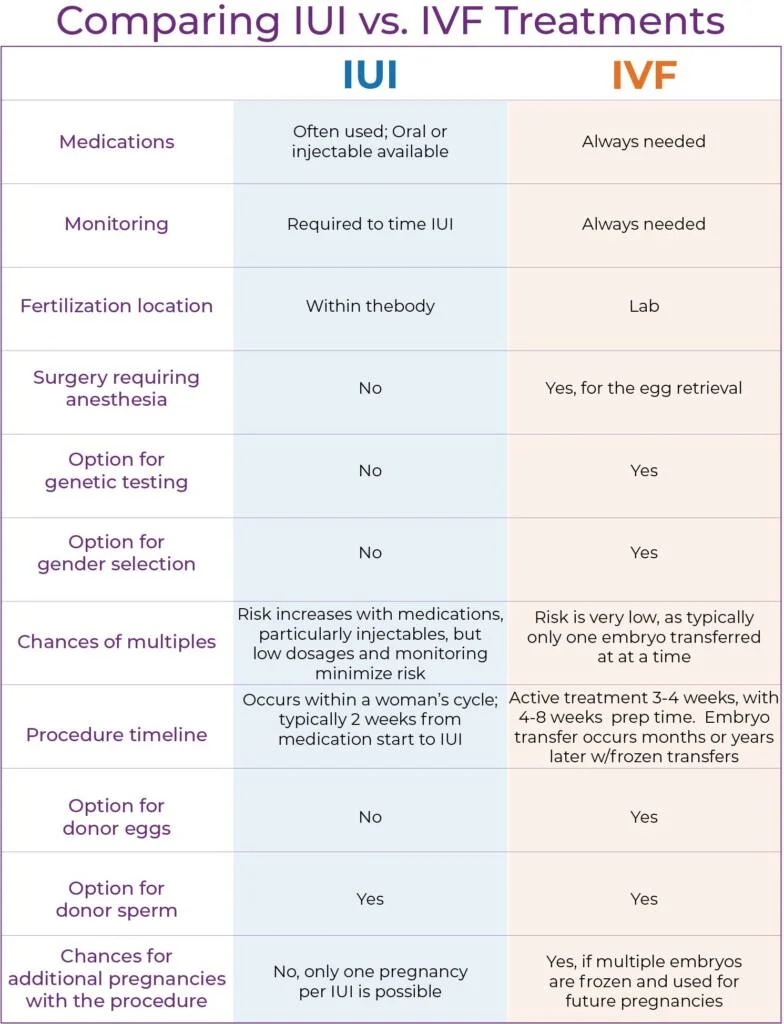
    Comparison chart of IUI and IVF treatments, detailing medications, monitoring, procedures, and success rates.

    Fertility Nutrition for Men: Essential Nutrients for Optimal Sperm Production

    Vitamin C is a well-known antioxidant that plays a crucial role in male fertility. It helps to protect sperm from oxidative stress, which can damage sperm DNA. Studies have also shown that vitamin C can improve sperm quality and motility.

    Citrus fruits, berries, and leafy greens are all good sources of vitamin C. The recommended daily intake for men is 90 mg, but it is safe to consume up to 2000 mg per day. However, it is always best to get your daily dose from whole foods rather than supplements.

    5. Omega-3 Fatty Acids

    Omega-3 fatty acids are essential for overall health, including male fertility. They help to regulate hormone levels and improve sperm quality. Studies have also shown that omega-3s can increase sperm count and motility.

    Fatty fish like salmon and sardines, as well as chia seeds and walnuts, are all good sources of omega-3 fatty acids. The recommended daily intake for men is 1.6 g, but it is safe to consume up to 3 g per day.

    6. Vitamin D

    Vitamin D is known as the “sunshine vitamin” as it is produced in the body when the skin is exposed to sunlight. It is essential for male fertility as it helps to maintain healthy testosterone levels. Low levels of vitamin D have been linked to reduced sperm count and motility.

    Foods rich in vitamin D include fatty fish, egg yolks, and fortified dairy products. The recommended daily intake for men is 600-800 IU, but you can also consider getting some sun exposure or taking a vitamin D supplement.

    7. Lycopene

    Lycopene is a powerful antioxidant found in red fruits and vegetables such as tomatoes, watermelon, and red bell peppers. It has been found to improve sperm quality and protect against DNA damage in sperm.

    Incorporating these foods into your diet can help to improve male fertility. It is also important to note that maintaining a healthy weight, exercising regularly, and reducing stress can also have a positive impact on sperm production.

    In summary, male fertility is influenced by a variety of factors, including nutrition. Consuming a diet rich in essential nutrients like zinc, folate, selenium, vitamin C, omega-3 fatty acids, vitamin D, and lycopene can help to improve sperm quality and count. It is also important to maintain a healthy lifestyle to support overall reproductive health.
  • Fertility Medications: Understanding the Options for Male and Female Factor Infertility

    Blog Post:

    Fertility Medications: Understanding the Options for Male and Female Factor Infertility

    Infertility affects millions of couples worldwide, with approximately 1 in 8 couples struggling to conceive. While infertility can be caused by a variety of factors, one of the most common causes is male and female factor infertility. In these cases, fertility medications can be a helpful tool in helping couples achieve their dream of parenthood. In this blog post, we will dive into the different types of fertility medications available for both men and women, their uses, and potential side effects.

    Fertility Medications for Women

    1. Clomiphene Citrate (Clomid)

    Clomiphene Citrate, commonly known as Clomid, is a medication used to treat ovulation disorders in women. It works by stimulating the ovaries to release an egg, increasing the chances of conception. This medication is taken orally and is usually the first line of treatment for women with ovulation issues. It is also often used in combination with other fertility treatments such as intrauterine insemination (IUI) or in vitro fertilization (IVF).

    2. Gonadotropins

    Gonadotropins are injectable medications that contain follicle-stimulating hormone (FSH) and luteinizing hormone (LH). These hormones play a crucial role in the development of eggs in the ovaries. Gonadotropins are often used in women who do not respond well to Clomid or have other fertility issues such as polycystic ovary syndrome (PCOS). These medications require close monitoring and can increase the risk of multiple pregnancies.

    3. Metformin

    Metformin is a medication commonly used to treat type 2 diabetes, but it can also be beneficial for women with PCOS. PCOS is a condition that affects a woman’s hormone levels, leading to irregular periods and ovulation issues. Metformin can help regulate hormone levels and improve ovulation in women with PCOS, increasing their chances of conception.

    4. Letrozole

    Letrozole is another medication used to treat ovulation disorders in women. It works by inhibiting estrogen production, leading to an increase in FSH and LH levels, which can help stimulate ovulation. This medication is often used in women who do not respond well to Clomid or have other fertility issues.

    Fertility Medications for Men

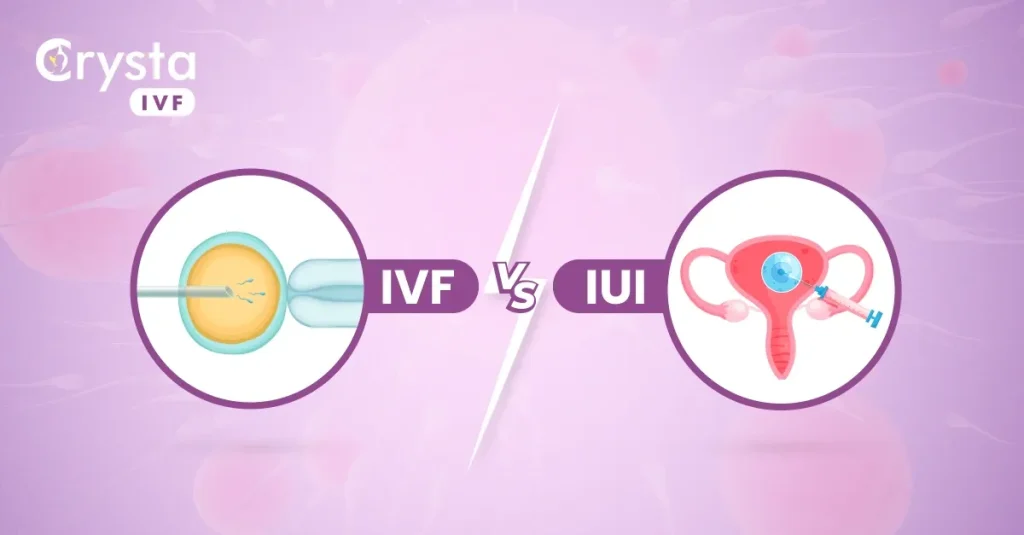
    Comparison of IVF and IUI procedures with illustrations of each method.

    Fertility Medications: Understanding the Options for Male and Female Factor Infertility

    1. Human Chorionic Gonadotropin (HCG)

    Human Chorionic Gonadotropin (HCG) is a hormone that is naturally produced in the body. In men, it can help stimulate the testicles to produce testosterone and increase sperm production. HCG is often used in combination with other medications to treat male factor infertility.

    2. Clomiphene Citrate (Clomid)

    While Clomid is primarily used in women, it can also be beneficial for men with low testosterone levels and sperm count. By stimulating the production of testosterone, it can help improve sperm count and motility, increasing the chances of conception.

    3. Anastrozole

    Anastrozole is a medication used to treat breast cancer, but it can also be helpful in treating male factor infertility. It works by inhibiting estrogen production, leading to an increase in testosterone levels, which can improve sperm production.

    4. Bromocriptine

    Bromocriptine is a medication used to treat high levels of prolactin in the body. High levels of prolactin can interfere with the production of testosterone, leading to male factor infertility. By lowering prolactin levels, Bromocriptine can help improve sperm production and increase the chances of conception.

    Side Effects of Fertility Medications

    As with any medication, fertility medications can have potential side effects. Some common side effects of fertility medications for women include hot flashes, mood swings, bloating, and headaches. In some cases, these medications can also increase the risk of multiple pregnancies. For men, side effects may include acne, breast enlargement, and mood changes.

    It is essential to discuss potential side effects with your doctor and monitor your body’s response to the medication closely. If you experience severe side effects, it is essential to contact your doctor immediately.

    In conclusion, fertility medications can be a valuable tool in helping couples struggling with male and female factor infertility to achieve their dream of parenthood. From stimulating ovulation in women to increasing sperm production in men, these medications have been proven to be effective in helping couples conceive. However, it is crucial to work closely with a fertility specialist and monitor your body’s response to these medications to achieve the best possible outcome.

    Summary:

    Infertility affects millions of couples worldwide, and one of the most common causes is male and female factor infertility. In these cases, fertility medications can be a helpful tool in helping couples achieve their dream of parenthood. For women, medications like Clomid, Gonadotropins, Metformin, and Letrozole can help stimulate ovulation. In men, HCG, Clomid, Anastrozole, and Bromocriptine can improve sperm production. It is essential to discuss potential side effects with a fertility specialist and closely monitor the body’s response to these medications.

  • The Science of Sperm: Understanding Male Fertility in Insemination

    Blog Post:

    When it comes to the process of insemination, one of the key factors for success is the quality and quantity of sperm. Sperm, also known as spermatozoa, are the male reproductive cells that are responsible for fertilizing the female egg. Understanding the science behind sperm is crucial for couples who are trying to conceive through insemination. In this blog post, we will delve into the science of sperm and how it affects male fertility in insemination.

    Sperm Production and Development

    Sperm production begins during puberty and continues throughout a man’s life. The process of sperm development, also known as spermatogenesis, takes place in the testes. The testes contain seminiferous tubules, which are responsible for producing sperm cells. These tubules are lined with special cells called Sertoli cells, which provide nourishment and support to the developing sperm cells.

    The production of mature sperm cells takes around 64 days. Sperm cells go through several stages of development before they are fully matured and ready for fertilization. The first stage is the production of spermatogonia, which are the precursor cells of sperm. These cells then go through the process of mitosis, where they divide and produce primary spermatocytes. These primary spermatocytes then go through meiosis, which is a specialized form of cell division that results in the production of four haploid cells. These haploid cells are then transformed into spermatids, which are the immature sperm cells. Finally, the spermatids undergo a process called spermiogenesis, where they develop into mature sperm cells.

    Sperm Structure and Function

    A mature sperm cell is a tiny, sleek structure with a head and a tail. The head contains genetic material, including DNA, and is covered by a cap-like structure called the acrosome. The acrosome contains enzymes that help the sperm penetrate the egg during fertilization. The tail, also known as the flagellum, is responsible for the sperm’s movement. It propels the sperm forward, allowing it to swim towards the egg.

    The main function of sperm is to fertilize the female egg. However, sperm also plays a crucial role in the process of insemination. Insemination is the introduction of sperm into the female reproductive tract in hopes of fertilizing an egg. In this process, sperm must travel through the female reproductive tract and reach the fallopian tubes, where fertilization takes place.

    Factors Affecting Sperm Quality and Quantity

    Several factors can affect the quality and quantity of sperm, which in turn, can impact male fertility in insemination. Some of the most common factors include:

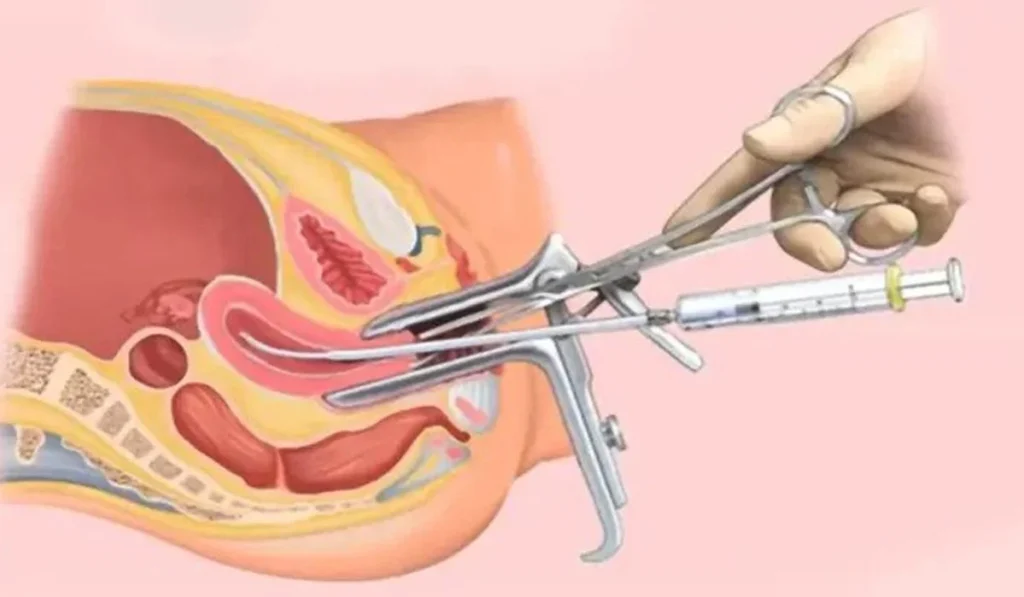
    illustration of an intrauterine insemination procedure with medical instruments and anatomical details

    The Science of Sperm: Understanding Male Fertility in Insemination

    1. Age: As men get older, their sperm quality and quantity may decrease. This is because the process of spermatogenesis becomes less efficient with age.

    2. Lifestyle habits: Certain lifestyle habits like smoking, excessive alcohol consumption, and drug use can have a negative impact on sperm quality and quantity.

    3. Health conditions: Health conditions like diabetes, high blood pressure, and sexually transmitted infections can affect sperm production and function.

    4. Hormonal imbalances: Hormonal imbalances can disrupt the process of spermatogenesis and affect sperm production.

    5. Environmental factors: Exposure to environmental toxins, such as pesticides, radiation, and chemicals, can damage sperm cells and affect male fertility.

    Importance of Sperm Analysis in Insemination

    Before undergoing any insemination procedure, it is crucial for men to have their sperm analyzed. A sperm analysis, also known as a semen analysis, is a test that evaluates the quantity and quality of sperm in a man’s semen. This test can help identify any potential issues with sperm production or function that may affect fertility. It can also determine the best course of action for couples trying to conceive through insemination.

    During a sperm analysis, a sample of semen is collected and examined under a microscope. The sample is evaluated for several factors, including sperm count, motility (movement), and morphology (shape and size). A sperm analysis can also detect any abnormalities in sperm, such as a low sperm count or abnormal shape, which may indicate underlying health issues.

    Conclusion

    Understanding the science of sperm is crucial for couples trying to conceive through insemination. Sperm production, structure, and function play a vital role in male fertility and the success of insemination procedures. Factors such as age, lifestyle habits, health conditions, hormonal imbalances, and environmental toxins can affect sperm quality and quantity. Therefore, it is important for men to have their sperm analyzed before undergoing any insemination procedures.

    In summary, the science of sperm is complex and fascinating. Sperm production and development, structure and function, and factors affecting sperm quality and quantity all play a crucial role in male fertility and the process of insemination. Couples who are trying to conceive through insemination should be aware of these factors and ensure that they have a thorough understanding of the science of sperm to increase their chances of success.