Tag: psychological perspective

  • Intrauterine Insemination vs In Vitro Fertilization: A Psychological Perspective

    Intrauterine Insemination vs In Vitro Fertilization: A Psychological Perspective

    When it comes to building a family, many couples face challenges and struggles. For some, the journey to parenthood is not as straightforward as they had hoped. In recent years, assisted reproductive technologies have become increasingly popular and accessible for couples who are struggling with fertility issues. Intrauterine insemination (IUI) and in vitro fertilization (IVF) are two common methods of fertility treatment that are often used interchangeably, but it’s important to understand the differences between them, especially from a psychological perspective.

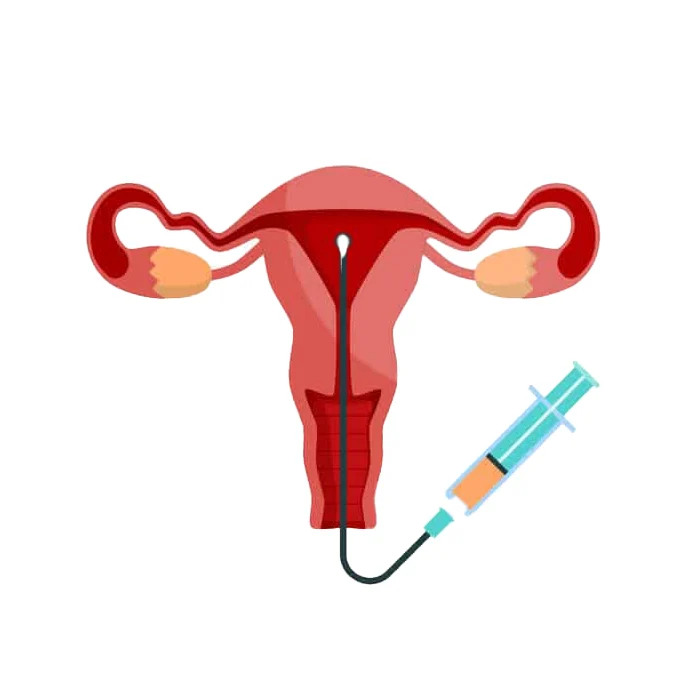
    Intrauterine Insemination (IUI) is a fertility treatment where sperm is directly inserted into a woman’s uterus during ovulation. This procedure is relatively simple and is often the first step for couples who are trying to conceive. It can be done with the partner’s sperm or donor sperm and is a less invasive and less expensive option compared to IVF. IUI is also commonly used for individuals or couples who are using donor sperm, or for those with male factor infertility.

    On the other hand, In Vitro Fertilization (IVF) is a more complex procedure that involves extracting eggs from the woman’s ovaries and fertilizing them with sperm in a lab setting. The fertilized egg or embryo is then transferred back into the woman’s uterus. IVF is often recommended for couples with more severe fertility issues, such as blocked fallopian tubes, endometriosis, or low sperm count. It is also commonly used for individuals or couples who have tried other fertility treatments without success.

    Both IUI and IVF have their own unique benefits and challenges, and it’s essential to consider the psychological impact of these procedures on couples.

    The Psychological Impact of IUI

    For couples who are struggling with infertility, the process of trying to conceive can be emotionally taxing. IUI can provide a sense of hope and optimism, as it is a relatively simple and non-invasive procedure that can be done in a doctor’s office. However, it can also be a rollercoaster of emotions, as the success rates of IUI are lower compared to IVF.

    One of the main psychological challenges of IUI is the uncertainty of the outcome. Each cycle of IUI has a success rate of around 10-20%, and it’s impossible to predict which cycle will result in a pregnancy. This can lead to anxiety and disappointment for couples who may have to undergo multiple cycles before achieving a successful pregnancy.

    Comparison of IUI and IVF, illustrating procedures and definitions for each fertility treatment.

    Intrauterine Insemination vs In Vitro Fertilization: A Psychological Perspective

    Another psychological aspect to consider is the involvement of the partner’s sperm or donor sperm. For some couples, the use of donor sperm can bring up feelings of inadequacy or insecurity, while for others, it can be a source of excitement and hope. It’s essential for couples to openly communicate and address any concerns or fears they may have before undergoing IUI.

    The Psychological Impact of IVF

    IVF is a more complex and invasive procedure compared to IUI, which can have a significant psychological impact on couples. The process of IVF involves multiple steps, including hormone injections, egg retrieval, and embryo transfer, which can be physically and emotionally draining for the woman. The financial cost of IVF can also add to the stress and pressure for couples.

    One of the main psychological challenges of IVF is the high expectations and pressure placed on the couple to achieve a successful pregnancy. With IVF being a more expensive and time-consuming procedure, couples often feel a great deal of pressure to succeed. This can lead to feelings of guilt, shame, and disappointment if the cycle is not successful.

    The use of assisted reproductive technologies can also bring up ethical and moral dilemmas for couples, such as the decision to use donor eggs or embryos or the possibility of multiple pregnancies. It’s essential for couples to discuss and address these issues with their doctors and each other to ensure they are emotionally prepared for the IVF process.

    The Role of Support and Counseling

    Both IUI and IVF can be emotionally challenging for couples, and it’s crucial for them to have a strong support system in place. Friends and family can provide much-needed support and understanding, but sometimes it’s beneficial to seek professional help. Many fertility clinics offer counseling services for couples undergoing fertility treatments, which can help them navigate the emotional rollercoaster and cope with the challenges they may face.

    Counseling can also provide a safe space for couples to discuss their fears, concerns, and hopes for the future. It can help them communicate more effectively with each other and strengthen their relationship during this challenging time. Additionally, counseling can help couples develop coping strategies and manage stress and anxiety during the fertility treatment process.

    In summary, both IUI and IVF are viable options for couples struggling with infertility, and the decision between the two should be made carefully, taking into consideration not only the medical factors but also the psychological impact. It’s essential for couples to have open and honest communication with each other and their doctor, as well as seek support and counseling to help them cope with the emotional challenges of fertility treatments.
  • Surrogacy vs Adoption: A Psychological Perspective

    Blog Post: Surrogacy vs Adoption: A Psychological Perspective

    The decision to have a child is one of the most significant choices a person or couple can make in their lifetime. For some, this decision comes easily, while for others, it can be a long and challenging process. For those who struggle with fertility issues or cannot conceive naturally, the options of surrogacy and adoption can be considered. Both surrogacy and adoption allow individuals or couples to fulfill their desire to have a child, but they differ significantly in terms of process and psychological implications. In this blog post, we will explore the psychological perspectives of surrogacy and adoption, and the factors that may influence a person’s decision between the two.

    Surrogacy is a method of assisted reproduction in which a surrogate mother carries and delivers a baby for another individual or couple. This process involves the use of in vitro fertilization (IVF), where the egg and sperm of the intended parents or donors are fertilized in a laboratory and then transferred to the surrogate’s uterus for pregnancy and delivery. Surrogacy can be either traditional or gestational, with traditional surrogacy involving the use of the surrogate’s own egg and gestational surrogacy using a donated egg. Surrogacy is often chosen by couples or individuals who cannot carry a pregnancy themselves due to medical reasons or same-sex couples who want to have a biological connection to their child.

    On the other hand, adoption is the legal process of permanently transferring parental rights and responsibilities from the birth parents to the adoptive parents. Adoption can be domestic or international, with domestic adoption involving the placement of a child from the same country as the adoptive parents and international adoption involving the placement of a child from a different country. Adoption is often chosen by couples or individuals who are unable to conceive or carry a child, but still want to experience the joys of parenthood and provide a loving home for a child in need.

    One of the significant differences between surrogacy and adoption is the level of control and involvement in the pregnancy and birth process. In surrogacy, the intended parents are actively involved in the pregnancy, from selecting the surrogate to making decisions regarding prenatal care and being present for the birth. This level of involvement can create a sense of connection and bonding with the surrogate and the unborn child. In contrast, adoption involves a more passive role for the adoptive parents, as they have limited control over the pregnancy and birth process. This can lead to feelings of uncertainty and lack of control, as the adoptive parents must rely on the birth mother to make decisions regarding the pregnancy and birth.

    illustration of a uterus with a syringe for intrauterine insemination (IUI) procedure

    Surrogacy vs Adoption: A Psychological Perspective

    Another important factor to consider is the psychological impact on the child involved in surrogacy or adoption. In surrogacy, the child may have a genetic connection to the intended parents, but they may also have a relationship with the surrogate. This can create a complex family dynamic, and the child may struggle with issues of identity and belonging. In adoption, the child may not have a genetic connection to the adoptive parents, but they are legally recognized as their child. However, the child may also have questions about their biological family and may struggle with feelings of loss and abandonment.

    The decision between surrogacy and adoption can also be influenced by cultural and societal norms. In some cultures, adoption may be stigmatized, and the idea of raising a child who is not biologically related to the parents may be seen as taboo. This can create pressure for couples or individuals to choose surrogacy instead of adoption. On the other hand, surrogacy can also be a controversial topic, with concerns about exploitation of women and commodification of children. These societal factors can play a significant role in a person’s decision and may also impact their emotional well-being throughout the process.

    It is essential to consider the psychological implications for all parties involved in surrogacy or adoption. The intended parents may experience feelings of grief and loss if they are unable to conceive naturally and may also struggle with the idea of not carrying the child themselves. The surrogate or birth mother may also experience emotional challenges, as they must carry a child for someone else and then give the child up after birth. In adoption, the birth mother may also experience grief and loss as they must give up their child, and the adoptive parents may struggle with feelings of guilt and inadequacy, wondering if they can provide a loving and nurturing home for the child.

    In conclusion, both surrogacy and adoption are viable options for individuals or couples who are unable to conceive or carry a child on their own. Each option has its unique advantages and challenges, and the decision between the two should not be taken lightly. It is crucial for individuals or couples to consider their emotional and psychological well-being, as well as that of the child, when making this life-changing decision. Seeking support from a therapist or counselor can also be beneficial in navigating the complex emotions that may arise throughout the process.

    Summary:

    The decision between surrogacy and adoption is a complex and personal one, with significant psychological implications for all parties involved. Surrogacy involves a more active role in the pregnancy and birth process, while adoption is a more passive experience. Factors such as control, genetic connection, societal norms, and emotional well-being should all be considered when making this decision. Seeking support from a therapist or counselor can also be beneficial in navigating the complex emotions that may arise throughout the process.