Blog Post: Surrogacy vs Adoption: A Psychological Perspective
The decision to have a child is one of the most significant choices a person or couple can make in their lifetime. For some, this decision comes easily, while for others, it can be a long and challenging process. For those who struggle with fertility issues or cannot conceive naturally, the options of surrogacy and adoption can be considered. Both surrogacy and adoption allow individuals or couples to fulfill their desire to have a child, but they differ significantly in terms of process and psychological implications. In this blog post, we will explore the psychological perspectives of surrogacy and adoption, and the factors that may influence a person’s decision between the two.
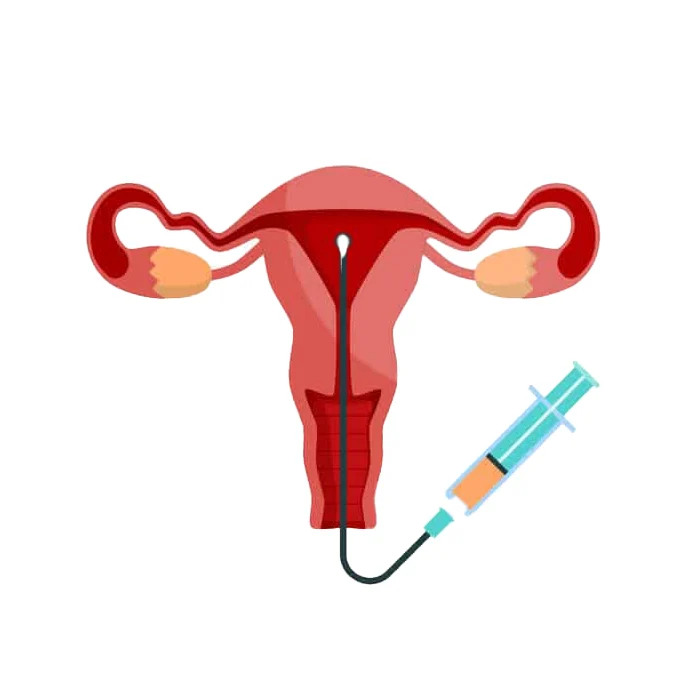
Surrogacy is a method of assisted reproduction in which a surrogate mother carries and delivers a baby for another individual or couple. This process involves the use of in vitro fertilization (IVF), where the egg and sperm of the intended parents or donors are fertilized in a laboratory and then transferred to the surrogate’s uterus for pregnancy and delivery. Surrogacy can be either traditional or gestational, with traditional surrogacy involving the use of the surrogate’s own egg and gestational surrogacy using a donated egg. Surrogacy is often chosen by couples or individuals who cannot carry a pregnancy themselves due to medical reasons or same-sex couples who want to have a biological connection to their child.
On the other hand, adoption is the legal process of permanently transferring parental rights and responsibilities from the birth parents to the adoptive parents. Adoption can be domestic or international, with domestic adoption involving the placement of a child from the same country as the adoptive parents and international adoption involving the placement of a child from a different country. Adoption is often chosen by couples or individuals who are unable to conceive or carry a child, but still want to experience the joys of parenthood and provide a loving home for a child in need.
One of the significant differences between surrogacy and adoption is the level of control and involvement in the pregnancy and birth process. In surrogacy, the intended parents are actively involved in the pregnancy, from selecting the surrogate to making decisions regarding prenatal care and being present for the birth. This level of involvement can create a sense of connection and bonding with the surrogate and the unborn child. In contrast, adoption involves a more passive role for the adoptive parents, as they have limited control over the pregnancy and birth process. This can lead to feelings of uncertainty and lack of control, as the adoptive parents must rely on the birth mother to make decisions regarding the pregnancy and birth.
Surrogacy vs Adoption: A Psychological Perspective
Another important factor to consider is the psychological impact on the child involved in surrogacy or adoption. In surrogacy, the child may have a genetic connection to the intended parents, but they may also have a relationship with the surrogate. This can create a complex family dynamic, and the child may struggle with issues of identity and belonging. In adoption, the child may not have a genetic connection to the adoptive parents, but they are legally recognized as their child. However, the child may also have questions about their biological family and may struggle with feelings of loss and abandonment.
The decision between surrogacy and adoption can also be influenced by cultural and societal norms. In some cultures, adoption may be stigmatized, and the idea of raising a child who is not biologically related to the parents may be seen as taboo. This can create pressure for couples or individuals to choose surrogacy instead of adoption. On the other hand, surrogacy can also be a controversial topic, with concerns about exploitation of women and commodification of children. These societal factors can play a significant role in a person’s decision and may also impact their emotional well-being throughout the process.
It is essential to consider the psychological implications for all parties involved in surrogacy or adoption. The intended parents may experience feelings of grief and loss if they are unable to conceive naturally and may also struggle with the idea of not carrying the child themselves. The surrogate or birth mother may also experience emotional challenges, as they must carry a child for someone else and then give the child up after birth. In adoption, the birth mother may also experience grief and loss as they must give up their child, and the adoptive parents may struggle with feelings of guilt and inadequacy, wondering if they can provide a loving and nurturing home for the child.
In conclusion, both surrogacy and adoption are viable options for individuals or couples who are unable to conceive or carry a child on their own. Each option has its unique advantages and challenges, and the decision between the two should not be taken lightly. It is crucial for individuals or couples to consider their emotional and psychological well-being, as well as that of the child, when making this life-changing decision. Seeking support from a therapist or counselor can also be beneficial in navigating the complex emotions that may arise throughout the process.
Summary:
The decision between surrogacy and adoption is a complex and personal one, with significant psychological implications for all parties involved. Surrogacy involves a more active role in the pregnancy and birth process, while adoption is a more passive experience. Factors such as control, genetic connection, societal norms, and emotional well-being should all be considered when making this decision. Seeking support from a therapist or counselor can also be beneficial in navigating the complex emotions that may arise throughout the process.