Tag: Protein

  • Fertility Nutrition for Women with Irregular Cycles: Balancing Hormones with Diet

    Blog Post: Fertility Nutrition for Women with Irregular Cycles: Balancing Hormones with Diet

    For many women, having a regular menstrual cycle is a sign of good health and fertility. However, for some women, irregular periods can be a source of stress and frustration. Irregular cycles can make it harder to track ovulation and can also be a sign of underlying health issues. While there can be various reasons for irregular periods, one factor that is often overlooked is nutrition. In this blog post, we will explore the connection between diet and hormonal balance in women with irregular cycles, and provide tips for using nutrition to improve fertility.

    Understanding Irregular Cycles and Hormonal Imbalance

    Before we dive into the role of nutrition, it is important to understand the basics of irregular cycles and hormonal imbalance. An irregular cycle is defined as a menstrual cycle that is shorter than 21 days or longer than 35 days, or if the length of the cycle varies significantly from month to month. Hormonal imbalance, on the other hand, refers to an imbalance in the levels of hormones that regulate the menstrual cycle, namely estrogen and progesterone.

    Hormonal imbalances can be caused by a variety of factors such as stress, excessive exercise, and certain medical conditions. In women with irregular cycles, hormonal imbalances can lead to irregular periods, as well as other symptoms such as acne, weight gain, and mood swings. These imbalances can also affect ovulation, making it difficult to conceive.

    The Role of Nutrition in Hormonal Balance

    The food we eat plays a crucial role in our overall health, including hormonal balance. Our endocrine system, which produces and regulates hormones, relies on essential nutrients from our diet to function properly. When we lack these nutrients, our hormones can become imbalanced, leading to irregular cycles and other health issues.

    A healthy and balanced diet is essential for maintaining hormonal balance and promoting fertility. Here are some key nutrients that play a vital role in regulating hormones and improving fertility:

    1. Healthy Fats

    Healthy fats, such as omega-3 fatty acids, are essential for hormone production and balance. Omega-3s are found in foods like salmon, avocado, and nuts, and have been shown to improve ovulation and fertility. On the other hand, consuming too many unhealthy fats, like trans fats found in processed foods, can disrupt hormonal balance and increase the risk of infertility.

    2. Complex Carbohydrates

    Complex carbohydrates, such as whole grains, provide the body with energy and help regulate blood sugar levels. Eating a diet high in refined carbohydrates, like white bread and sugary snacks, can cause a spike in insulin levels, which can disrupt hormone production and lead to irregular cycles.

    3. Protein

    Protein is essential for the production of hormones and helps to regulate the menstrual cycle. Consuming enough protein can also help with weight management, as excess body fat can lead to hormonal imbalances. Good sources of protein include lean meats, eggs, and legumes.

    4. Antioxidants

    Antioxidants help to protect the body from free radical damage, which can affect hormone production. Foods high in antioxidants, such as berries, dark leafy greens, and cruciferous vegetables, can help improve hormone balance and promote fertility.

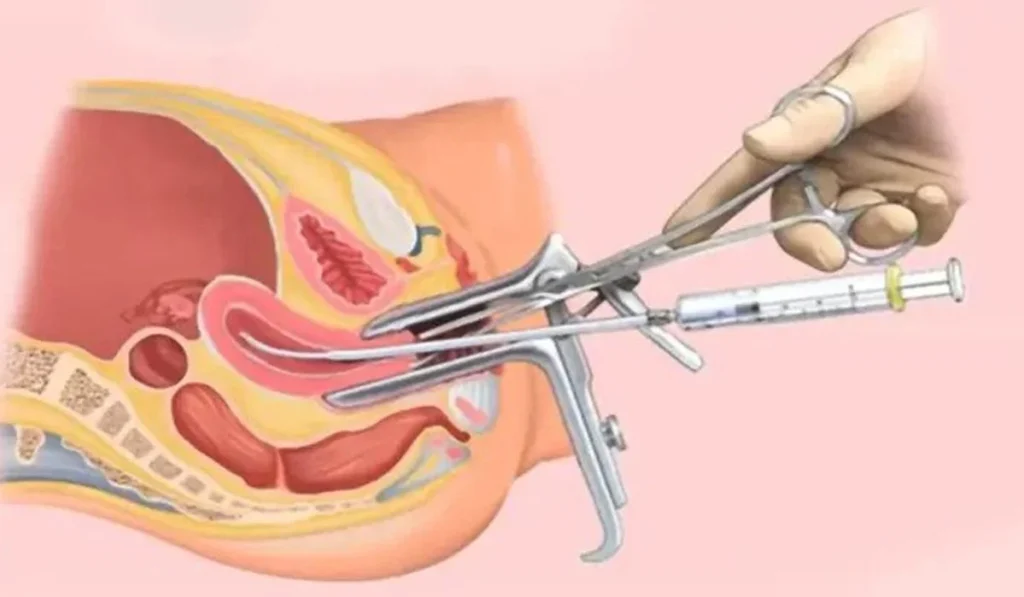
    Illustration of the IUI process, showing a syringe and catheter in the reproductive system.

    Fertility Nutrition for Women with Irregular Cycles: Balancing Hormones with Diet

    5. Iron and Zinc

    Iron and zinc are two essential minerals for women’s health and fertility. Iron helps to carry oxygen to the cells and is necessary for the production of healthy eggs. Zinc, on the other hand, is essential for hormone production and ovulation. Foods rich in iron and zinc include lean meats, seafood, and leafy greens.

    Tips for Using Nutrition to Improve Fertility

    Now that we’ve covered the key nutrients for hormonal balance, here are some tips for using nutrition to improve fertility in women with irregular cycles:

    1. Eat a Balanced Diet

    The first and most crucial step is to ensure you are eating a balanced diet that includes all the essential nutrients mentioned above. Aim for a variety of whole foods, including fruits, vegetables, lean proteins, and healthy fats.

    2. Avoid Processed Foods

    Processed foods, including packaged snacks and fast food, are often high in unhealthy fats, sugar, and refined carbohydrates. These can disrupt hormonal balance and should be limited or avoided altogether.

    3. Stay Hydrated

    Drinking enough water is essential for maintaining hormonal balance. Dehydration can lead to a drop in estrogen levels, which can cause irregular periods. Aim for at least 8 glasses of water a day.

    4. Consider Supplements

    In some cases, it may be challenging to get all the necessary nutrients from diet alone. In these cases, supplements can be helpful. Consult with a healthcare professional to determine which supplements may be right for you.

    5. Manage Stress

    Stress can wreak havoc on our hormones and contribute to irregular cycles. Find ways to manage stress, such as meditation, yoga, or spending time in nature.

    Summary:

    Irregular cycles can be a source of stress and frustration for many women, and nutrition can play a significant role in regulating hormones and improving fertility. A balanced diet that includes healthy fats, complex carbohydrates, protein, antioxidants, iron, and zinc is essential for hormonal balance. Avoiding processed foods, staying hydrated, and managing stress are also crucial for promoting fertility. Consider incorporating these tips into your lifestyle to support your hormonal health and improve your chances of conceiving.
  • The Connection Between Nutrition and Hormonal Balance for Fertility

    Blog Post:

    The Connection Between Nutrition and Hormonal Balance for Fertility

    Nutrition plays a crucial role in maintaining hormonal balance, which is essential for fertility. Hormones are chemical messengers that regulate various bodily functions, including reproductive health. When hormones are imbalanced, it can lead to fertility issues such as irregular periods, ovulation problems, and difficulty getting pregnant. In this blog post, we will explore the connection between nutrition and hormonal balance for fertility and discuss how making dietary changes can improve your chances of conceiving.

    Hormonal Imbalance and Fertility

    Hormonal imbalance occurs when there is an excess or deficiency of certain hormones in the body. This can be caused by various factors such as stress, poor diet, and underlying health conditions. When it comes to fertility, the key hormones involved are estrogen, progesterone, luteinizing hormone (LH), and follicle-stimulating hormone (FSH). These hormones work together to regulate the menstrual cycle and ovulation.

    Imbalances in these hormones can cause irregular periods, anovulation (lack of ovulation), and other fertility issues. For example, high levels of estrogen can lead to anovulation and polycystic ovary syndrome (PCOS), while low levels of progesterone can result in irregular periods and difficulty conceiving.

    The Role of Nutrition in Hormonal Balance

    The food we eat provides the building blocks for our hormones. Therefore, what we consume can have a significant impact on our hormonal balance. A diet lacking in essential nutrients can disrupt the delicate balance of hormones, while a healthy and balanced diet can support hormonal health and fertility.

    Here are some key nutrients that play a vital role in hormonal balance for fertility:

    1. Healthy Fats

    Healthy fats, such as omega-3 fatty acids and monounsaturated fats, are essential for hormone production. These healthy fats are the building blocks of hormones, including estrogen and progesterone. They also help reduce inflammation and support the production of healthy cervical mucus, which is necessary for fertility. Good sources of healthy fats include avocados, olive oil, fatty fish, and nuts.

    2. Protein

    Protein is essential for the production of hormones, as it provides the amino acids that make up hormones. It also helps maintain stable blood sugar levels and supports the production of thyroid hormones, which are crucial for fertility. Make sure to include sources of protein such as lean meat, poultry, fish, eggs, and beans in your diet.

    3. B Vitamins

    B vitamins are essential for hormonal balance, as they play a crucial role in the production and metabolism of hormones. Vitamin B6, in particular, helps regulate estrogen and progesterone levels. B vitamins can be found in foods such as leafy greens, whole grains, eggs, and dairy products.

    4. Antioxidants

    illustration of an intrauterine insemination procedure with medical instruments and anatomical details

    The Connection Between Nutrition and Hormonal Balance for Fertility

    Antioxidants, such as vitamins A, C, and E, help protect the body from free radical damage. They also support the production of healthy eggs and sperm, which are necessary for fertility. Foods rich in antioxidants include berries, citrus fruits, dark leafy greens, and nuts.

    5. Zinc

    Zinc is a vital mineral for fertility as it helps regulate hormone levels and supports egg development. It also plays a role in sperm production and quality. Good sources of zinc include oysters, beef, pumpkin seeds, and lentils.

    Dietary Changes for Hormonal Balance and Fertility

    To support hormonal balance and improve fertility, it is essential to make dietary changes. Here are some tips:

    1. Eat a Balanced Diet

    Aim to eat a balanced diet that includes a variety of whole foods such as fruits, vegetables, whole grains, lean proteins, and healthy fats. Avoid processed and high-sugar foods, as they can disrupt hormonal balance.

    2. Include Healthy Fats

    Make sure to include healthy fats in your diet, such as avocados, olive oil, and nuts. These healthy fats are essential for hormone production and fertility.

    3. Choose High-Quality Proteins

    Opt for high-quality proteins such as lean meat, poultry, fish, and eggs. These proteins provide the amino acids necessary for hormone production.

    4. Eat Plenty of Fruits and Vegetables

    Fruits and vegetables are rich in antioxidants, vitamins, and minerals that support hormonal balance and fertility. Aim for a variety of colorful fruits and vegetables in your diet.

    5. Consider Supplements

    In addition to a healthy diet, supplements can also help support hormonal balance and fertility. Consult with your doctor or a registered dietitian to determine which supplements are right for you.

    Summary:

    Nutrition and hormonal balance are closely connected, especially when it comes to fertility. Hormonal imbalances can lead to fertility issues, while a healthy and balanced diet can support hormonal health and improve fertility. Key nutrients, such as healthy fats, protein, B vitamins, antioxidants, and zinc, play a vital role in hormonal balance. Making dietary changes, such as eating a balanced diet, including healthy fats, and choosing high-quality proteins, can support hormonal balance and improve fertility.