Blog Post:
The Connection Between Nutrition and Hormonal Balance for Fertility
Nutrition plays a crucial role in maintaining hormonal balance, which is essential for fertility. Hormones are chemical messengers that regulate various bodily functions, including reproductive health. When hormones are imbalanced, it can lead to fertility issues such as irregular periods, ovulation problems, and difficulty getting pregnant. In this blog post, we will explore the connection between nutrition and hormonal balance for fertility and discuss how making dietary changes can improve your chances of conceiving.
Hormonal Imbalance and Fertility
Hormonal imbalance occurs when there is an excess or deficiency of certain hormones in the body. This can be caused by various factors such as stress, poor diet, and underlying health conditions. When it comes to fertility, the key hormones involved are estrogen, progesterone, luteinizing hormone (LH), and follicle-stimulating hormone (FSH). These hormones work together to regulate the menstrual cycle and ovulation.
Imbalances in these hormones can cause irregular periods, anovulation (lack of ovulation), and other fertility issues. For example, high levels of estrogen can lead to anovulation and polycystic ovary syndrome (PCOS), while low levels of progesterone can result in irregular periods and difficulty conceiving.
The Role of Nutrition in Hormonal Balance
The food we eat provides the building blocks for our hormones. Therefore, what we consume can have a significant impact on our hormonal balance. A diet lacking in essential nutrients can disrupt the delicate balance of hormones, while a healthy and balanced diet can support hormonal health and fertility.
Here are some key nutrients that play a vital role in hormonal balance for fertility:
1. Healthy Fats
Healthy fats, such as omega-3 fatty acids and monounsaturated fats, are essential for hormone production. These healthy fats are the building blocks of hormones, including estrogen and progesterone. They also help reduce inflammation and support the production of healthy cervical mucus, which is necessary for fertility. Good sources of healthy fats include avocados, olive oil, fatty fish, and nuts.
2. Protein
Protein is essential for the production of hormones, as it provides the amino acids that make up hormones. It also helps maintain stable blood sugar levels and supports the production of thyroid hormones, which are crucial for fertility. Make sure to include sources of protein such as lean meat, poultry, fish, eggs, and beans in your diet.
3. B Vitamins
B vitamins are essential for hormonal balance, as they play a crucial role in the production and metabolism of hormones. Vitamin B6, in particular, helps regulate estrogen and progesterone levels. B vitamins can be found in foods such as leafy greens, whole grains, eggs, and dairy products.
4. Antioxidants
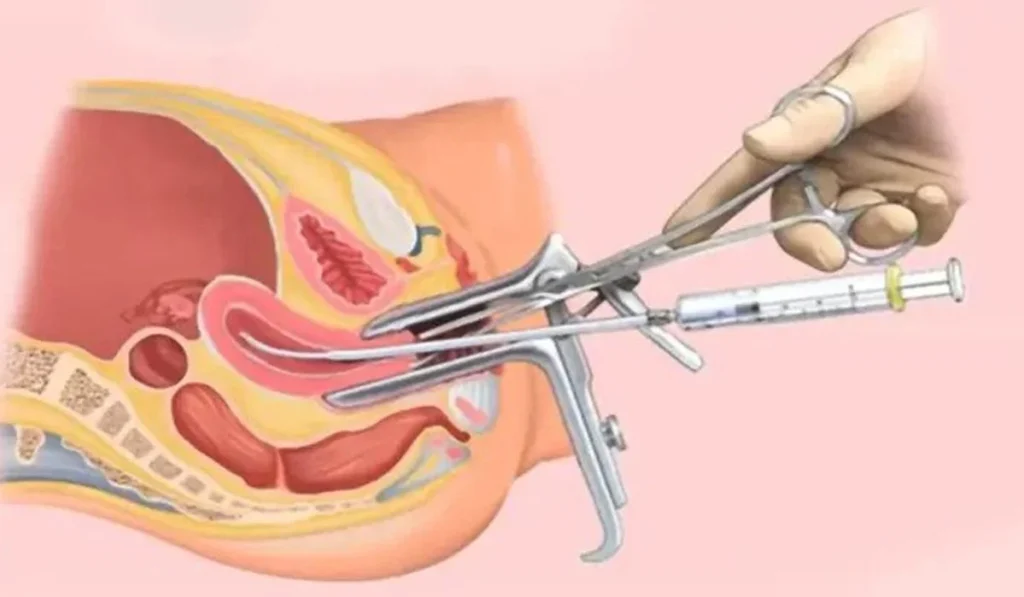
The Connection Between Nutrition and Hormonal Balance for Fertility
Antioxidants, such as vitamins A, C, and E, help protect the body from free radical damage. They also support the production of healthy eggs and sperm, which are necessary for fertility. Foods rich in antioxidants include berries, citrus fruits, dark leafy greens, and nuts.
5. Zinc
Zinc is a vital mineral for fertility as it helps regulate hormone levels and supports egg development. It also plays a role in sperm production and quality. Good sources of zinc include oysters, beef, pumpkin seeds, and lentils.
Dietary Changes for Hormonal Balance and Fertility
To support hormonal balance and improve fertility, it is essential to make dietary changes. Here are some tips:
1. Eat a Balanced Diet
Aim to eat a balanced diet that includes a variety of whole foods such as fruits, vegetables, whole grains, lean proteins, and healthy fats. Avoid processed and high-sugar foods, as they can disrupt hormonal balance.
2. Include Healthy Fats
Make sure to include healthy fats in your diet, such as avocados, olive oil, and nuts. These healthy fats are essential for hormone production and fertility.
3. Choose High-Quality Proteins
Opt for high-quality proteins such as lean meat, poultry, fish, and eggs. These proteins provide the amino acids necessary for hormone production.
4. Eat Plenty of Fruits and Vegetables
Fruits and vegetables are rich in antioxidants, vitamins, and minerals that support hormonal balance and fertility. Aim for a variety of colorful fruits and vegetables in your diet.
5. Consider Supplements
In addition to a healthy diet, supplements can also help support hormonal balance and fertility. Consult with your doctor or a registered dietitian to determine which supplements are right for you.
Summary:
Nutrition and hormonal balance are closely connected, especially when it comes to fertility. Hormonal imbalances can lead to fertility issues, while a healthy and balanced diet can support hormonal health and improve fertility. Key nutrients, such as healthy fats, protein, B vitamins, antioxidants, and zinc, play a vital role in hormonal balance. Making dietary changes, such as eating a balanced diet, including healthy fats, and choosing high-quality proteins, can support hormonal balance and improve fertility.