Blog Post: Fertility Clinics vs Hospitals: Which Has a Higher Success Rate for Older Women?
As women age, their chances of conceiving naturally decrease, making it more challenging to start a family. This has led to an increase in the number of women seeking fertility treatments, particularly those over the age of 35. While there are many options available, such as fertility clinics and hospitals, it can be challenging to determine which one has a higher success rate for older women. In this blog post, we will explore the differences between fertility clinics and hospitals and compare their success rates for older women seeking fertility treatments.
Fertility Clinics: What are They?
Fertility clinics are specialized medical facilities that offer a range of treatments and procedures to help women conceive. These clinics are staffed with doctors, nurses, and other medical professionals who specialize in infertility and reproductive health. Fertility clinics typically offer a variety of fertility treatments, including in vitro fertilization (IVF), intrauterine insemination (IUI), and egg freezing.
One of the main advantages of fertility clinics is their specialized focus on fertility and reproductive health. The doctors and staff at these clinics have extensive experience and training in helping women conceive, making them experts in this field. They also have access to the latest medical technology and techniques, which can increase the chances of success for older women seeking fertility treatments.
Success Rates for Older Women at Fertility Clinics
One of the most critical factors for older women seeking fertility treatments is the success rates of these treatments. According to the Centers for Disease Control and Prevention (CDC), the success rates for IVF in women under the age of 35 are around 40%, while the success rates for women over 40 are only around 20%. These statistics highlight the challenges that older women face when trying to conceive, even with the help of fertility treatments.
However, it is essential to note that success rates can vary significantly between fertility clinics. Some clinics may have higher success rates than others, depending on their location, the expertise of their doctors, and the technology and techniques they use. It is crucial for women to research and compare the success rates of different fertility clinics before choosing one for their treatment.
Hospitals: What are They?
Hospitals, on the other hand, are general medical facilities that provide a range of healthcare services, including fertility treatments. While most hospitals do not specialize in fertility and reproductive health, some have a dedicated fertility department or offer fertility treatments as part of their services.
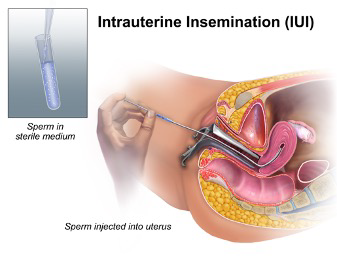
Fertility Clinics vs Hospitals: Which Has a Higher Success Rate for Older Women?
The main advantage of hospitals is that they have a wider range of medical services, making them a convenient option for women who may have other health concerns or complications. Additionally, hospitals are often covered by insurance, making them a more affordable option for some women.
Success Rates for Older Women at Hospitals
The success rates for fertility treatments at hospitals can vary significantly, depending on the hospital’s location, resources, and the expertise of their doctors. However, studies have shown that hospitals generally have lower success rates for fertility treatments compared to fertility clinics. The reason for this is that the doctors and staff at hospitals may not have the same level of expertise and experience in fertility and reproductive health as those at fertility clinics.
Another crucial factor to consider is that hospitals may have more limited resources and technology compared to fertility clinics. As fertility treatments often require advanced medical technology and techniques, this can affect the success rates of treatments at hospitals.
Which is Better for Older Women: Fertility Clinics or Hospitals?
The answer to this question depends on various factors, including the woman’s age, medical history, and financial situation. For older women seeking fertility treatments, fertility clinics may be a better option due to their specialized focus on fertility and reproductive health, higher success rates, and access to the latest technology and techniques.
However, hospitals may be a more suitable option for older women who have other health concerns or complications, as they can provide a wider range of medical services. Additionally, hospitals may be more affordable for some women, particularly if they have insurance coverage.
In Conclusion
As women age, their chances of conceiving decrease, making it more challenging to start a family. Fertility clinics and hospitals are two options available for older women seeking fertility treatments. While both offer similar treatments, fertility clinics tend to have higher success rates due to their specialized focus on fertility and access to the latest technology and techniques. However, hospitals may be a more convenient and affordable option for some women. Ultimately, it is essential for women to research and compare the success rates and services of different clinics and hospitals before choosing one for their fertility treatment.
Summary:
As women age, their chances of conceiving decrease, making it more challenging to start a family. Fertility clinics and hospitals are two options available for older women seeking fertility treatments. Fertility clinics have a specialized focus on fertility and access to the latest technology and techniques, making them a better option for older women. However, hospitals may be more convenient and affordable for some women. It is crucial for women to research and compare the success rates and services of different clinics and hospitals before choosing one for their fertility treatment.