Tag: Infertility causes

  • The Link Between Male Factor Infertility and Other Health Issues: Treatment Implications

    Male factor infertility, or the inability of a man to impregnate a woman after a year of unprotected sexual intercourse, affects approximately 7% of all men. While it is often thought of as solely a reproductive issue, recent research has shown that male factor infertility may also be linked to other health issues. In this blog post, we will explore the connection between male factor infertility and other health conditions, and discuss the implications for treatment.

    The Link between Male Factor Infertility and Other Health Issues

    Male factor infertility can be caused by a variety of factors, including genetic abnormalities, hormonal imbalances, structural problems, and lifestyle choices. However, recent studies have also found a correlation between male factor infertility and certain health conditions, such as obesity, diabetes, and heart disease.

    Obesity, defined as having a body mass index (BMI) of 30 or higher, has been linked to male factor infertility. A study published in the journal Fertility and Sterility found that obese men were 40% more likely to experience infertility than men with a healthy BMI. This is because excess weight can lead to hormonal imbalances, specifically an increase in estrogen and a decrease in testosterone, which can affect sperm production and quality.

    Diabetes, a chronic condition that affects how the body processes sugar, has also been connected to male factor infertility. Men with diabetes have a higher risk of erectile dysfunction, which can make it difficult to have intercourse and conceive. Diabetes can also cause damage to blood vessels and nerves, which can affect sperm production and lead to erectile dysfunction.

    Heart disease, a condition that affects the heart and blood vessels, has also been linked to male factor infertility. A study published in the Journal of Urology found that men with cardiovascular disease had a 60% higher risk of experiencing infertility compared to men without the condition. This is because heart disease can affect blood flow, which is essential for maintaining erections and producing healthy sperm.

    Other health conditions that have been associated with male factor infertility include sleep apnea, high blood pressure, and autoimmune disorders. While the exact mechanisms behind these connections are not fully understood, it is believed that these conditions can affect sperm quality and production, as well as sexual function.

    Implications for Treatment
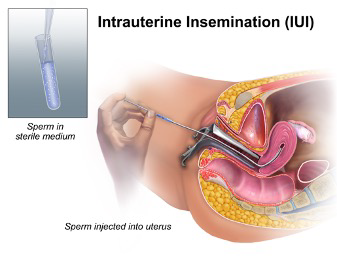
    Illustration of intrauterine insemination (IUI) procedure, showing sperm injection into the uterus.

    The Link Between Male Factor Infertility and Other Health Issues: Treatment Implications

    The link between male factor infertility and other health issues has important implications for treatment. Traditionally, fertility treatments have focused primarily on the female partner, with male factor infertility often being overlooked. However, understanding the potential underlying health issues in men can lead to more effective and personalized treatment plans.

    For instance, if a man is diagnosed with obesity or diabetes, lifestyle changes such as weight loss and managing blood sugar levels may improve his fertility. Similarly, men with heart disease may benefit from treating their condition with medication or lifestyle changes, which can improve blood flow and erectile function.

    In some cases, addressing the underlying health issue may even improve fertility without the need for assisted reproductive techniques. For example, a study published in the journal Human Reproduction found that men with diabetes who underwent bariatric surgery to manage their weight and blood sugar levels experienced improvements in sperm quality and were able to conceive naturally.

    For men with male factor infertility and a known health condition, it is important to work closely with a healthcare provider to address both issues simultaneously. This can not only improve fertility outcomes but also have a positive impact on overall health and well-being.

    Conclusion

    Male factor infertility is a complex issue that can be influenced by a variety of factors. While it is primarily viewed as a reproductive problem, recent research has shown that it can also be linked to other health conditions. Understanding these connections is crucial for developing effective treatment plans that address both male factor infertility and other health issues.

    For men who are struggling with infertility, it is important to seek medical advice and undergo a comprehensive evaluation to identify any underlying health issues. By addressing these issues, men can improve their chances of conceiving and also improve their overall health and quality of life.

    In summary, male factor infertility is not just a reproductive problem, but it can also be linked to other health issues such as obesity, diabetes, and heart disease. Understanding these connections is crucial for developing effective treatment plans that address both male factor infertility and other health conditions. By working closely with healthcare providers, men can improve their chances of conceiving and improve their overall health and well-being.
  • The Role of Stress in Fertility: Can At-Home Testing Help Identify the Cause?

    Blog Post:

    The journey of trying to conceive can be filled with excitement, hope, and joy, but it can also come with its fair share of stress and anxiety. While some level of stress is a part of everyday life, excessive stress can have a significant impact on our overall health, including fertility. In fact, studies have shown that high levels of stress can affect both male and female fertility, making it difficult to conceive. However, the good news is that there are ways to manage stress and improve fertility, and at-home testing may be able to help identify the underlying causes. In this blog post, we will explore the role of stress in fertility and how at-home testing can be a useful tool in understanding and addressing fertility issues.

    Understanding Stress and Its Impact on Fertility

    Before we dive into the connection between stress and fertility, it’s essential to understand what stress is and how it affects our bodies. Stress is the body’s natural response to any demand or threat. It triggers the release of hormones, such as cortisol and adrenaline, which prepare the body for a fight or flight response. While this response is necessary in certain situations, chronic stress can have harmful effects on our physical and mental well-being.

    When it comes to fertility, stress can disrupt the delicate balance of hormones in the body, leading to an irregular menstrual cycle and ovulation. In men, stress can affect sperm production and quality, making it difficult to fertilize an egg. Additionally, stress can also impact sexual desire and intimacy, further hindering the chances of conception.

    The Link Between Stress and Infertility

    Several studies have explored the connection between stress and fertility and have found a significant association between the two. One study from the National Institutes of Health found that women with high levels of alpha-amylase, an enzyme that indicates stress, had a 29% lower chance of getting pregnant each month than those with lower levels. Another study from the American Society for Reproductive Medicine found that women who reported feeling stressed had a lower chance of conceiving during their fertile window.

    In men, stress can also have a significant impact on fertility. A study published in the journal Fertility and Sterility found that men with high levels of perceived stress had a lower sperm count and motility compared to men with lower stress levels. This can make it challenging to fertilize an egg and lead to difficulties in conceiving.

    How At-Home Testing Can Help Identify the Cause of Infertility

    Infertility can have various underlying causes, and stress is just one of them. However, identifying the root cause is crucial in finding the right treatment and improving chances of conception. At-home fertility testing kits can be a useful tool in understanding the factors that may be impacting fertility.

    Hormone testing kits can help monitor hormone levels, such as estrogen, progesterone, and testosterone, which play a vital role in fertility. These tests can be done at home, making it more convenient for individuals and couples to track their hormone levels regularly. This can help identify any imbalances that may be causing fertility issues.

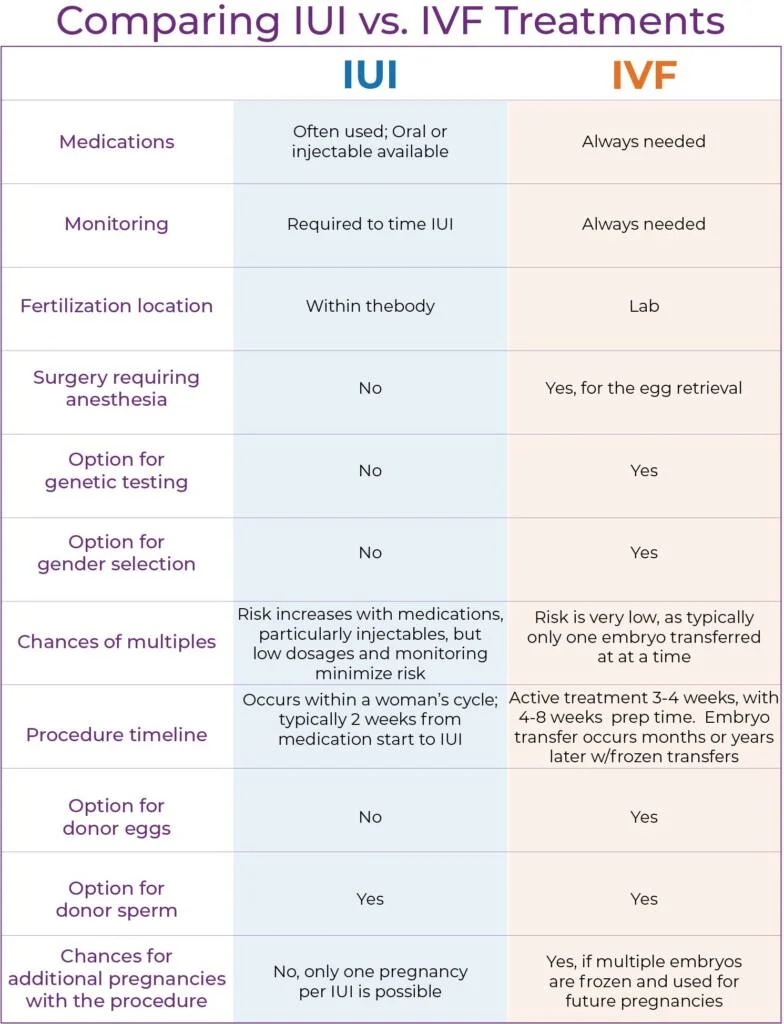
    Comparison chart of IUI and IVF treatments, detailing medications, monitoring, procedures, and success rates.

    The Role of Stress in Fertility: Can At-Home Testing Help Identify the Cause?

    Another at-home testing option is semen analysis kits, which can help men determine their sperm count and quality. These kits can provide valuable information and help identify any potential fertility issues that may be related to stress.

    Other at-home tests, such as ovulation predictor kits and fertility tracking apps, can also be helpful in understanding ovulation patterns and fertile days. These tools can be beneficial for couples trying to conceive as they can help identify the best time to have intercourse for optimal chances of pregnancy.

    Managing Stress for Improved Fertility

    While at-home testing can help identify the cause of infertility, managing stress is equally important in improving fertility. Here are some ways to reduce stress and promote overall well-being:

    1. Practice relaxation techniques: Activities such as yoga, meditation, and deep breathing can help reduce stress and promote relaxation.

    2. Exercise regularly: Regular physical activity can help release endorphins, also known as the “feel-good” hormones, which can help reduce stress levels.

    3. Get quality sleep: Lack of sleep can increase stress levels, so it’s essential to get enough rest each night.

    4. Seek support: Talking to a therapist or joining a support group can be beneficial for managing stress and coping with the emotional challenges of fertility struggles.

    5. Make time for self-care: Engage in activities that bring joy and help you relax, such as reading, listening to music, or taking a warm bath.

    Summary:

    Stress can have a significant impact on fertility, affecting both men and women. Chronic stress can disrupt hormone balance and interfere with ovulation, making it difficult to conceive. However, at-home testing can be a useful tool in identifying the underlying causes of infertility, including stress. Hormone testing kits, semen analysis kits, and ovulation predictor kits can help individuals and couples track and monitor their fertility, providing valuable information to address any potential issues. Additionally, managing stress through relaxation techniques, regular exercise, and self-care can also help improve fertility. With the help of at-home testing and stress management techniques, couples can take a proactive approach towards improving their fertility and achieving their dream of starting a family.