Male factor infertility, or the inability of a man to impregnate a woman after a year of unprotected sexual intercourse, affects approximately 7% of all men. While it is often thought of as solely a reproductive issue, recent research has shown that male factor infertility may also be linked to other health issues. In this blog post, we will explore the connection between male factor infertility and other health conditions, and discuss the implications for treatment.
The Link between Male Factor Infertility and Other Health Issues
Male factor infertility can be caused by a variety of factors, including genetic abnormalities, hormonal imbalances, structural problems, and lifestyle choices. However, recent studies have also found a correlation between male factor infertility and certain health conditions, such as obesity, diabetes, and heart disease.
Obesity, defined as having a body mass index (BMI) of 30 or higher, has been linked to male factor infertility. A study published in the journal Fertility and Sterility found that obese men were 40% more likely to experience infertility than men with a healthy BMI. This is because excess weight can lead to hormonal imbalances, specifically an increase in estrogen and a decrease in testosterone, which can affect sperm production and quality.
Diabetes, a chronic condition that affects how the body processes sugar, has also been connected to male factor infertility. Men with diabetes have a higher risk of erectile dysfunction, which can make it difficult to have intercourse and conceive. Diabetes can also cause damage to blood vessels and nerves, which can affect sperm production and lead to erectile dysfunction.
Heart disease, a condition that affects the heart and blood vessels, has also been linked to male factor infertility. A study published in the Journal of Urology found that men with cardiovascular disease had a 60% higher risk of experiencing infertility compared to men without the condition. This is because heart disease can affect blood flow, which is essential for maintaining erections and producing healthy sperm.
Other health conditions that have been associated with male factor infertility include sleep apnea, high blood pressure, and autoimmune disorders. While the exact mechanisms behind these connections are not fully understood, it is believed that these conditions can affect sperm quality and production, as well as sexual function.
Implications for Treatment
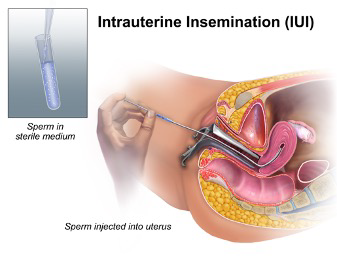
The Link Between Male Factor Infertility and Other Health Issues: Treatment Implications
The link between male factor infertility and other health issues has important implications for treatment. Traditionally, fertility treatments have focused primarily on the female partner, with male factor infertility often being overlooked. However, understanding the potential underlying health issues in men can lead to more effective and personalized treatment plans.
For instance, if a man is diagnosed with obesity or diabetes, lifestyle changes such as weight loss and managing blood sugar levels may improve his fertility. Similarly, men with heart disease may benefit from treating their condition with medication or lifestyle changes, which can improve blood flow and erectile function.
In some cases, addressing the underlying health issue may even improve fertility without the need for assisted reproductive techniques. For example, a study published in the journal Human Reproduction found that men with diabetes who underwent bariatric surgery to manage their weight and blood sugar levels experienced improvements in sperm quality and were able to conceive naturally.
For men with male factor infertility and a known health condition, it is important to work closely with a healthcare provider to address both issues simultaneously. This can not only improve fertility outcomes but also have a positive impact on overall health and well-being.
Conclusion
Male factor infertility is a complex issue that can be influenced by a variety of factors. While it is primarily viewed as a reproductive problem, recent research has shown that it can also be linked to other health conditions. Understanding these connections is crucial for developing effective treatment plans that address both male factor infertility and other health issues.
For men who are struggling with infertility, it is important to seek medical advice and undergo a comprehensive evaluation to identify any underlying health issues. By addressing these issues, men can improve their chances of conceiving and also improve their overall health and quality of life.
In summary, male factor infertility is not just a reproductive problem, but it can also be linked to other health issues such as obesity, diabetes, and heart disease. Understanding these connections is crucial for developing effective treatment plans that address both male factor infertility and other health conditions. By working closely with healthcare providers, men can improve their chances of conceiving and improve their overall health and well-being.