Tag: genetic counseling

  • Fertility Clinics vs Hospitals: The Role of Genetics in Treatment

    Title: Fertility Clinics vs Hospitals: The Role of Genetics in Treatment

    Introduction:
    Fertility issues are a common problem that affects many couples worldwide. With advancements in technology, there are now various treatment options available to help couples struggling with infertility. However, when it comes to deciding between fertility clinics and hospitals for treatment, many factors need to be considered. One crucial aspect that often plays a significant role in the success of fertility treatment is genetics. In this blog post, we will discuss the role of genetics in fertility treatment and compare fertility clinics and hospitals in terms of their approach to genetic testing and treatment.

    Genetics and Infertility:
    Genetics play a vital role in fertility, and it is estimated that up to 15% of couples struggling with infertility have a genetic cause. In some cases, genetic disorders can lead to infertility, while in others, they can affect the success of fertility treatments. Therefore, understanding the role of genetics in infertility is crucial in determining the most effective treatment approach.

    Fertility Clinics:
    Fertility clinics are specialized centers that offer a range of services to help couples conceive. These clinics have highly trained and experienced staff, including reproductive endocrinologists, embryologists, and genetic counselors, who work together to provide personalized treatment plans for each patient. Fertility clinics often have a holistic approach to treatment, considering all factors that may affect fertility, including genetics.

    Role of Genetics in Fertility Clinics:
    Fertility clinics understand the significance of genetics in fertility, and they offer various genetic testing options to their patients. These tests can help identify genetic disorders that may be causing infertility and determine the best course of treatment. Some of the most common genetic tests offered by fertility clinics include carrier screening, preimplantation genetic testing, and chromosomal analysis. These tests not only help with the diagnosis of genetic disorders but also help in selecting the best embryos for transfer during IVF procedures.

    Genetic Counseling:
    Fertility clinics also provide genetic counseling services to their patients. This involves discussing the results of genetic testing and the potential risks and implications of any inherited disorders. Genetic counselors help patients understand their options and make informed decisions about their treatment.
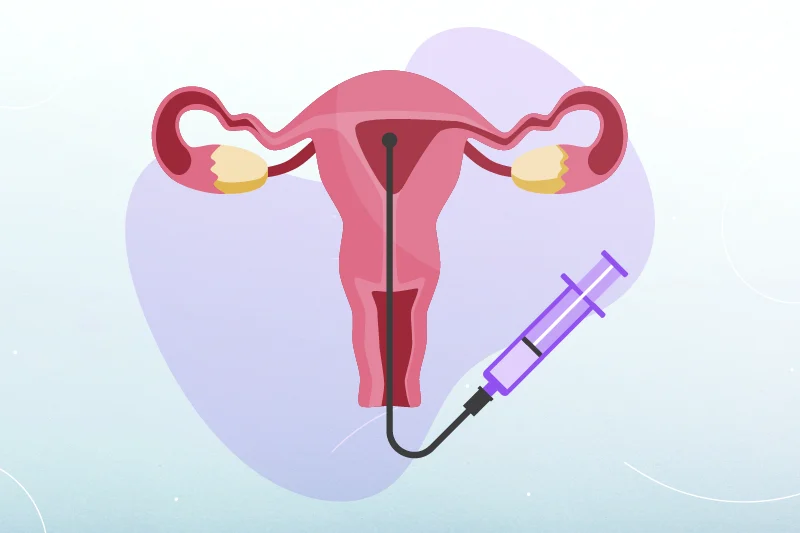
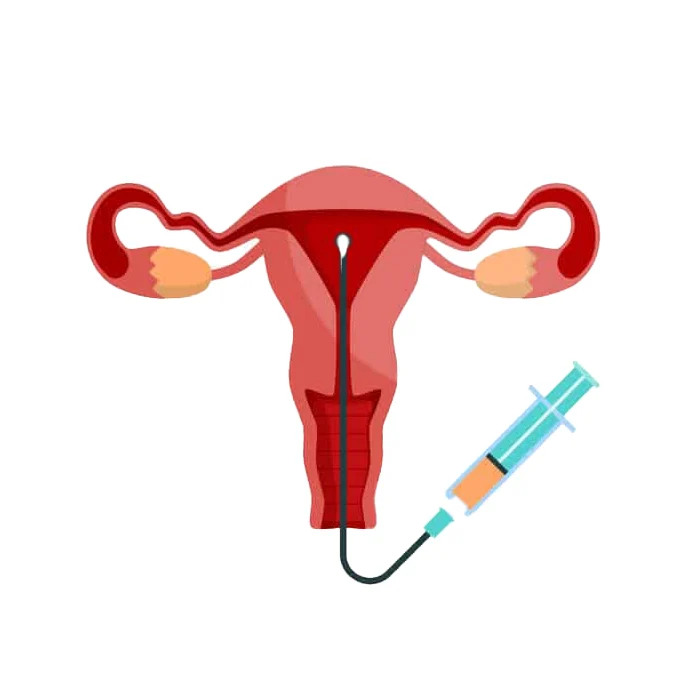
    Illustration of the uterus with a syringe, depicting the intrauterine insemination procedure.

    Fertility Clinics vs Hospitals: The Role of Genetics in Treatment

    Hospitals:
    Hospitals, on the other hand, are primary healthcare facilities that offer a broad range of medical services, including fertility treatment. Unlike fertility clinics, hospitals are more focused on treating medical conditions rather than specialized fertility services. However, many hospitals have fertility clinics within their premises, offering a more comprehensive range of fertility services.

    Role of Genetics in Hospitals:
    While hospitals may not have the same level of expertise and experience in fertility treatment as specialized fertility clinics, they still recognize the importance of genetics in fertility. Therefore, many hospitals offer genetic testing and counseling services to their patients. However, the level of expertise and resources may vary from hospital to hospital, and they may not have the same range of genetic testing options as fertility clinics.

    Comparison:
    When it comes to the role of genetics in fertility treatment, fertility clinics have a clear advantage over hospitals. Fertility clinics have a team of experts who specialize in reproductive genetics and have access to advanced genetic testing options, making them better equipped to handle genetic issues in fertility treatment. Moreover, fertility clinics have a more personalized approach to treatment, considering each patient’s genetic profile to develop the most effective treatment plan.

    On the other hand, hospitals may not have the same level of expertise in reproductive genetics, and their genetic testing options may be limited. However, some patients may prefer hospitals due to their familiarity and trust with their doctors, and they may feel more comfortable receiving treatment in a hospital setting.

    Conclusion:
    In conclusion, genetics play a crucial role in fertility, and it is essential to consider them when seeking treatment. Fertility clinics have a clear advantage over hospitals in terms of expertise and resources when it comes to genetic testing and counseling. However, both fertility clinics and hospitals recognize the importance of genetics in fertility treatment and strive to provide the best possible care to their patients.

    Summary:
    Fertility clinics and hospitals are both options for couples seeking fertility treatment. However, when it comes to the role of genetics in treatment, fertility clinics have an advantage due to their specialized expertise and resources. Fertility clinics offer a range of genetic testing options and genetic counseling services, while hospitals may have limited resources in this area. Ultimately, the decision between fertility clinics and hospitals for treatment should be based on individual preferences and needs.

  • The Role of Genetics: Intrauterine Insemination vs Intracervical Insemination

    The Role of Genetics: Intrauterine Insemination vs Intracervical Insemination

    For couples struggling to conceive, assisted reproductive techniques like intrauterine insemination (IUI) and intracervical insemination (ICI) can be a game-changer. These procedures involve placing sperm directly into the uterus or cervix, respectively, in the hopes of increasing the chances of fertilization. However, there is an important factor that can greatly impact the success of these procedures: genetics.

    Genetics play a significant role in fertility and can greatly impact a couple’s ability to conceive through IUI or ICI. In this blog post, we will explore the role of genetics in these assisted reproductive techniques and how it can affect the outcome.

    Understanding Genetics and Fertility

    Before delving into the specifics of IUI and ICI, it is important to understand the role of genetics in fertility. Our genes determine many factors related to reproduction, including the quality and quantity of eggs and sperm, the health of the reproductive organs, and the likelihood of inherited genetic disorders.

    Genetic disorders can affect both men and women and can have a significant impact on fertility. For example, women with a genetic disorder called polycystic ovary syndrome (PCOS) may have difficulty ovulating, making it challenging to conceive. Similarly, men with certain genetic conditions may have a lower sperm count or abnormal sperm, making it difficult for fertilization to occur.

    Intrauterine Insemination (IUI)

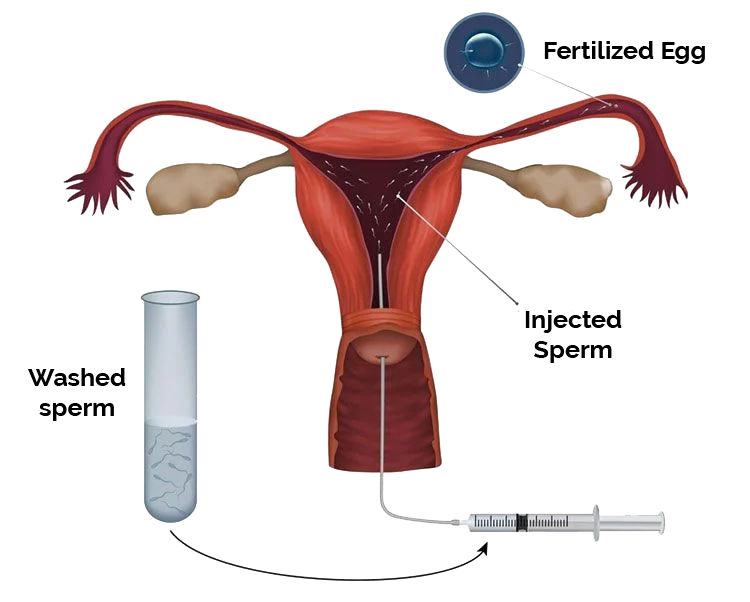
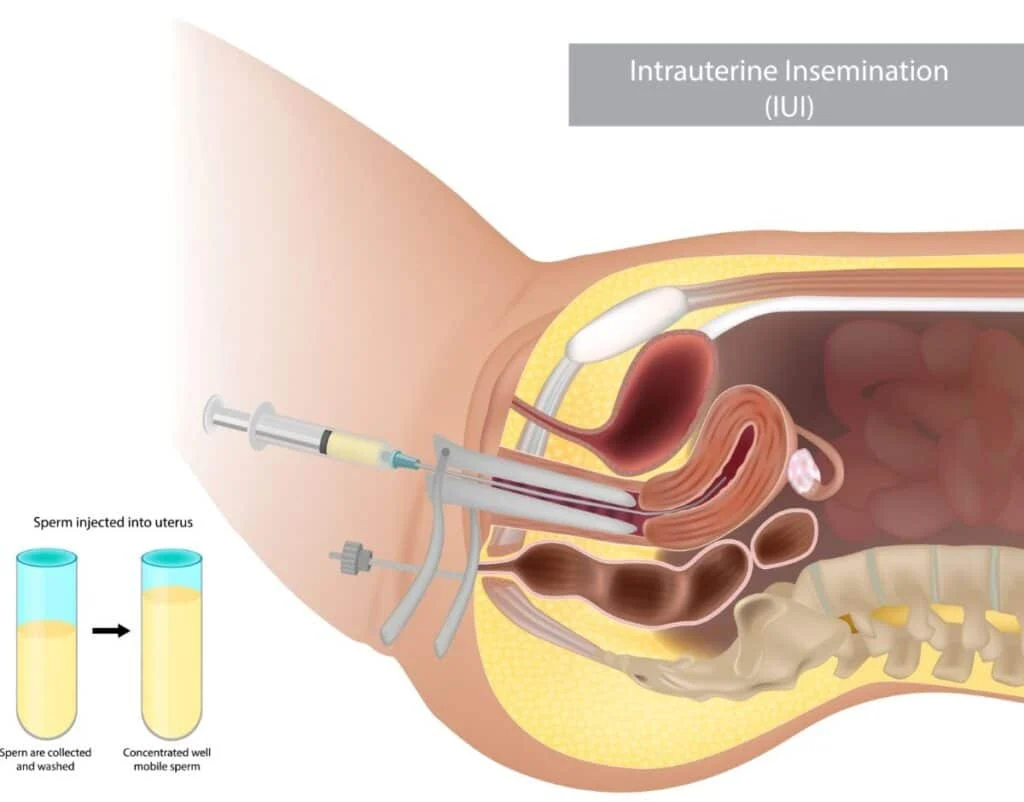
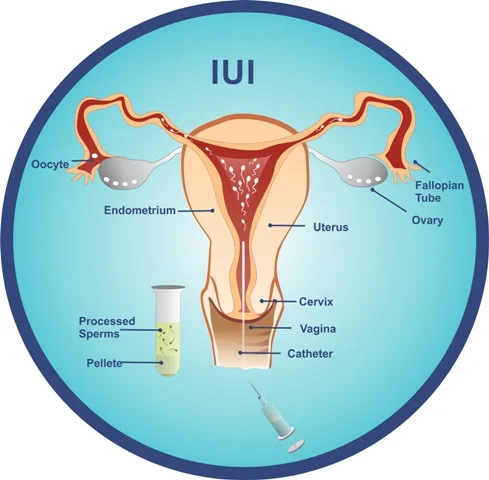
    IUI is a commonly used assisted reproductive technique that involves placing washed and concentrated sperm directly into the uterus. This procedure is often recommended for couples with unexplained infertility or for those who have difficulty with sperm motility or cervical mucus quality.

    However, the success of IUI greatly depends on the quality of the sperm being used. If the sperm has genetic abnormalities, it may have a lower chance of fertilizing the egg, reducing the success rate of IUI. Additionally, if a woman has a genetic disorder that affects her egg quality, it may also impact the success of IUI.

    Intracervical Insemination (ICI)

    ICI is a procedure similar to IUI, where sperm is placed directly into the cervix instead of the uterus. This technique is often used for couples with male factor infertility or for same-sex female couples using a donor sperm.

    diagram illustrating intrauterine insemination (IUI) with labeled reproductive anatomy and procedures

    The Role of Genetics: Intrauterine Insemination vs Intracervical Insemination

    Just like with IUI, the success of ICI depends on the quality of the sperm being used. If the sperm has genetic abnormalities, it may have a lower chance of fertilization, reducing the success rate of ICI. Additionally, if a woman has a genetic disorder that affects her cervical mucus quality, it may also impact the success of ICI.

    Genetic Testing and IUI/ICI

    Given the significant impact of genetics on fertility, it is important for couples considering IUI or ICI to undergo genetic testing. This can help identify any potential genetic disorders or abnormalities that may affect the success of the procedure.

    For example, if a woman is found to have a genetic disorder that affects her ovulation, she may be recommended to undergo in vitro fertilization (IVF) instead of IUI or ICI. This is because IVF allows for genetic screening of the embryos before implantation, increasing the chances of a successful pregnancy.

    The Role of Genetics in Donor Sperm

    For couples using donor sperm for IUI or ICI, the role of genetics is also crucial. It is important to choose a sperm donor who has undergone thorough genetic testing to reduce the risk of passing on any genetic disorders to the child.

    Additionally, the genetic health of the donor can also impact the success of IUI or ICI. If the donor has a lower sperm count or abnormal sperm, it may decrease the chances of a successful pregnancy.

    The Importance of Genetic Counseling

    With the significant impact of genetics on fertility and assisted reproductive techniques, it is essential for couples to seek genetic counseling before undergoing any procedures. Genetic counselors can help identify any potential genetic risks and offer guidance on the best course of action for achieving a successful pregnancy.

    In conclusion, genetics play a crucial role in the success of IUI and ICI. Couples struggling with infertility should undergo genetic testing and seek genetic counseling to understand the potential impact of genetics on their fertility journey. By addressing any genetic concerns, couples can increase their chances of achieving a successful pregnancy through IUI or ICI.

    Summary:

    Genetics play a significant role in fertility and can greatly impact the success of assisted reproductive techniques like intrauterine insemination (IUI) and intracervical insemination (ICI). Factors such as the quality and quantity of eggs and sperm, genetic disorders, and donor sperm health can all affect the outcome of these procedures. It is essential for couples to undergo genetic testing and seek genetic counseling before undergoing IUI or ICI to understand the potential impact of genetics on their fertility journey.

  • The Role of Genetics and Family History: Donor Insemination vs Partner Insemination

    The Role of Genetics and Family History: Donor Insemination vs Partner Insemination

    Genetics and family history play a significant role in the process of fertility treatments, particularly in cases of insemination. Insemination, also known as artificial insemination, is a form of assisted reproductive technology that involves placing sperm into a woman’s reproductive tract in order to facilitate pregnancy. While there are various methods of insemination, two common options are donor insemination and partner insemination. Both methods have their own unique benefits and considerations, but genetics and family history are crucial factors to consider in either option.

    Donor insemination is a process in which the sperm used for insemination comes from a donor, rather than the woman’s partner. Donor sperm can come from a sperm bank or through a known donor, such as a friend or family member. This method is often used by same-sex female couples, single women, or heterosexual couples facing male infertility. By using donor sperm, couples or individuals can have a child with a genetic connection to one parent, while still experiencing the joys of pregnancy and childbirth.

    One of the main considerations when using donor insemination is the selection of the donor. Sperm banks typically have strict screening processes for donors, which include physical and psychological evaluations, as well as testing for genetic disorders. This helps to ensure that the sperm used for insemination is of high quality and does not carry any inheritable diseases or conditions. However, there is always a risk of passing on genetic disorders through donor sperm, as not all conditions can be tested for.

    Another factor to consider in donor insemination is the level of anonymity. Donor sperm can either be anonymous, meaning the donor’s identity is not disclosed, or open, allowing the child to potentially contact the donor in the future. This decision should be carefully considered, as it can have implications for the child’s sense of identity and understanding of their genetic background.

    On the other hand, partner insemination is a process in which the sperm used for insemination comes from the woman’s partner. This method is often used by heterosexual couples facing male infertility or couples who desire a child with both parents’ genetic contributions. Partner insemination can be done at home or in a clinical setting and does not require the use of sperm from a donor.

    diagram of a uterus with a syringe for intrauterine insemination procedure

    The Role of Genetics and Family History: Donor Insemination vs Partner Insemination

    While partner insemination may seem like the more straightforward option, genetics and family history still play a crucial role. It is important for both partners to undergo genetic testing to identify any potential risks or conditions that could be passed on to the child. If either partner is a carrier for a genetic disorder, there is a chance that the child could inherit the condition. In some cases, alternative fertility treatments may be recommended to avoid passing on a genetic disorder.

    Moreover, family history should also be taken into consideration when deciding on partner insemination. Certain genetic conditions or diseases may run in families, and it is important to be aware of these risks before attempting insemination. This can help to prepare for any potential challenges and make informed decisions about the best course of action.

    In both donor and partner insemination, genetic counseling can be beneficial. Genetic counselors can provide information and support to individuals or couples considering insemination, as well as help them navigate any potential risks or concerns related to genetics and family history. They can also assist in the selection of a donor or provide guidance on alternative fertility treatments.

    In conclusion, genetics and family history are important factors to consider in both donor and partner insemination. While donor insemination may provide a genetic connection to one parent, partner insemination allows for a child with both parents’ genetic contributions. However, it is crucial to undergo genetic testing and counseling to identify any potential risks or conditions that could be inherited. Ultimately, the decision between donor insemination and partner insemination should be made after careful consideration of these factors, as well as personal preferences and circumstances.

    Summary:

    Genetics and family history play a significant role in the decision between donor insemination and partner insemination, two common options for assisted reproductive technology. Donor insemination involves using sperm from a donor, while partner insemination uses sperm from the woman’s partner. Both methods have their own unique benefits and considerations, but it is important to consider genetics and family history in both cases. Donor insemination requires careful selection of the donor and consideration of anonymity, while partner insemination requires genetic testing and counseling to identify any potential risks or conditions. Ultimately, the decision should be made after careful consideration of these factors and personal circumstances.

  • The Role of Genetics in Fertility: How It Affects Your Options

    Blog Post: The Role of Genetics in Fertility: How It Affects Your Options

    Fertility is a complex and deeply personal topic that can be affected by a variety of factors. One important factor that often goes overlooked is genetics. Our genes play a significant role in our reproductive health and can influence our fertility in many ways. In this blog post, we will explore the role of genetics in fertility and how it can impact your options when it comes to starting a family.

    Understanding Genetics and Fertility

    Genetics refers to the study of genes, their functions, and how they are inherited. Our genes contain the instructions for our bodies to develop and function properly, including our reproductive system. These instructions are passed down from our parents and can have a significant impact on our overall health, including our fertility.

    Genetics and Infertility

    Research has shown that genetics can contribute to a variety of fertility issues, including both male and female infertility. For women, genetic factors can impact the development of the reproductive organs, hormone levels, and egg quality. In men, genetics can affect sperm production, motility, and overall semen quality.

    Some genetic conditions, such as polycystic ovary syndrome (PCOS) and endometriosis, are known to cause fertility problems. These conditions are often inherited and can make it more difficult for women to get pregnant. In men, genetic conditions like Klinefelter syndrome and Y-chromosome deletions can lead to low sperm count and infertility.

    Genetics and Family Planning Options

    When it comes to family planning, understanding your genetic makeup can provide valuable insights and options. For example, if you and your partner both carry a genetic mutation that increases the risk of passing on a genetic disorder to your child, you may choose to undergo genetic testing and consider alternative options like in vitro fertilization (IVF) with preimplantation genetic testing (PGT). This can help reduce the risk of passing on a genetic disorder to your child.

    In some cases, genetic testing can also help identify underlying fertility issues that may be addressed with medical interventions. For example, if a woman carries a genetic mutation that affects her egg quality, she may opt for IVF with the use of donor eggs to increase her chances of conceiving.

    illustration of a uterus with a syringe for intrauterine insemination (IUI) procedure

    The Role of Genetics in Fertility: How It Affects Your Options

    Genetics and Reproductive Aging

    As we age, our reproductive abilities decline, and this is largely influenced by our genes. Women are born with a finite number of eggs, and the quality of these eggs decreases as we get older. This is largely determined by our genetic makeup. Some women may have a genetic predisposition to experience early menopause, which can significantly impact their chances of conceiving later in life.

    For men, aging can also affect fertility as it can lead to a decline in sperm quality and quantity. This decline is largely determined by genetics, and some men may experience a more rapid decline than others.

    Genetics and Fertility Treatments

    For couples struggling with fertility issues, genetics can also play a role in the success of fertility treatments. For example, the success rates of IVF can vary depending on the quality of eggs and sperm, which are largely determined by genetics. Couples may also be more likely to experience recurrent pregnancy loss if they carry certain genetic mutations.

    However, advances in technology, such as PGT, can help increase the chances of a successful pregnancy by identifying and selecting embryos with the best chance of implantation and development. PGT can also screen for genetic disorders to reduce the risk of passing them on to the child.

    The Importance of Genetic Counseling

    Given the significant impact of genetics on fertility, it is essential to seek out genetic counseling when considering starting a family. A genetic counselor can help you understand your genetic makeup and the potential risks and options for future family planning. They can also provide guidance and support for couples facing fertility challenges due to genetic factors.

    In addition to genetic counseling, it is also crucial to maintain open communication with your doctor about any family history of genetic disorders or fertility issues. This can help them better understand your unique situation and provide appropriate care and treatment options.

    Summary:

    Genetics play a crucial role in fertility, influencing everything from the development of reproductive organs to the quality of eggs and sperm. Genetic conditions can also lead to fertility issues, and understanding your genetic makeup can provide valuable insights and options for family planning. As we age, our genetics also play a role in reproductive aging, making it important to seek out genetic counseling and maintain open communication with your doctor. Advances in technology, such as PGT, can also help increase the chances of a successful pregnancy for couples facing fertility challenges due to genetic factors.

  • The Role of Genetics in Sperm Banks vs Known Donors

    Blog Post Title: The Role of Genetics in Sperm Banks vs Known Donors

    Introduction:
    The decision to use donor sperm is a complex one, and often involves considerations such as financial costs, legal concerns, and emotional factors. One of the most crucial aspects to take into account is the role of genetics. Many people want to ensure that the donor sperm they choose will result in a child who shares their own genetic makeup. In this blog post, we will explore the role of genetics in sperm banks versus known donors and discuss the implications of each option.

    Sperm Banks:
    Sperm banks are facilities that collect, store, and distribute donor sperm for use in assisted reproductive techniques such as artificial insemination or in vitro fertilization. One of the main advantages of using sperm banks is the extensive screening process that donors undergo. This includes medical and genetic testing, as well as psychological evaluations. These measures are in place to ensure that the donor is healthy and free of any genetic diseases that could be passed on to the child.

    Another advantage of sperm banks is the anonymity of the donor. This means that the child will not have access to the donor’s identity, and the donor will not have any legal or financial responsibilities towards the child. This can be beneficial for families who do not want any potential complications or emotional attachments with the donor.

    However, one of the biggest limitations of sperm banks is the lack of control over the genetic traits of the donor. While donors are screened for genetic diseases, they are not typically chosen based on specific physical or personality traits. This can be a concern for individuals or couples who have a strong desire for their child to resemble them or share certain characteristics.

    Known Donors:
    In contrast, known donors are individuals who are personally known to the recipient and agree to donate their sperm. This could be a friend, family member, or someone found through online platforms or support groups. One of the main advantages of using known donors is the ability to have more control over the genetic traits of the donor. Recipients can choose someone who closely resembles them or shares their desired characteristics.

    diagram of the female reproductive system with an IUI syringe and test tube for artificial insemination

    The Role of Genetics in Sperm Banks vs Known Donors

    Another advantage of known donors is the possibility of creating a relationship with them. This can be particularly beneficial for single mothers or same-sex couples who may want their child to have a connection with their biological father. Additionally, having a known donor can provide the child with a sense of identity and belonging.

    However, using known donors also comes with potential risks and complications. Unlike donors from sperm banks, known donors may not undergo the same extensive screening process. This means that there is a higher risk of genetic diseases being passed on to the child. In addition, there may be legal and financial implications to consider, as the donor may be held responsible for child support or custody in the future.

    The Role of Genetics:
    The role of genetics in sperm banks and known donors is an important factor to consider. Sperm banks offer a more comprehensive screening process for genetic diseases, while known donors allow for more control over the genetic traits of the donor. However, both options have their limitations and potential risks.

    It is essential for individuals or couples to thoroughly research and carefully consider their options when it comes to the role of genetics in choosing donor sperm. Consulting with a medical professional or a genetic counselor can also provide valuable insights and guidance in making this decision.

    Conclusion:
    In conclusion, the role of genetics plays a significant role in the decision between sperm banks and known donors. Each option has its advantages and limitations, and it is crucial for individuals or couples to thoroughly assess their priorities and concerns before making a decision. Ultimately, the most important factor is to ensure the health and well-being of the child, both physically and emotionally.

    Summary:
    The decision to use donor sperm is a complex one, and one of the crucial aspects to consider is the role of genetics. Sperm banks offer a more comprehensive screening process for genetic diseases, while known donors allow for more control over the genetic traits of the donor. However, both options have their limitations and potential risks. It is essential for individuals or couples to thoroughly research and carefully consider their options before making a decision.

  • The Role of Genetics in Natural Conception and Assisted Reproduction: Understanding Risks and Benefits

    Blog Post:

    The process of conception, or the fertilization of an egg by sperm to form a viable embryo, is a complex and miraculous event. It involves a delicate balance of genetic material from both parents and requires a myriad of intricate biological processes to occur correctly. However, for some couples, natural conception may not be possible due to various genetic factors. In these cases, assisted reproduction techniques, such as in vitro fertilization (IVF), have become a viable option. In this blog post, we will explore the role of genetics in natural conception and assisted reproduction, and the risks and benefits associated with these methods.

    Understanding Genetics and Inheritance in Natural Conception:

    Genetics plays a crucial role in natural conception, as it determines the physical and biological characteristics of an individual. Every person has 23 pairs of chromosomes, with each pair containing genetic material from both parents. These chromosomes are responsible for passing on traits such as eye color, hair color, and height from parents to their offspring.

    During natural conception, the sperm and egg each contribute 23 chromosomes, which then combine to form a zygote, the first stage of embryo development. Certain genetic conditions, such as cystic fibrosis or sickle cell anemia, can be inherited from parents if they carry a faulty gene. In these cases, there is a 25% chance that the child will inherit the condition.

    Genetic Factors Affecting Natural Conception:

    There are several genetic factors that can affect natural conception. These include chromosomal abnormalities, gene mutations, and genetic disorders. Chromosomal abnormalities can result in a missing or extra chromosome, which can lead to miscarriage or birth defects. Gene mutations can also cause infertility or increase the risk of certain genetic disorders in offspring. Additionally, genetic disorders, such as polycystic ovary syndrome (PCOS) or endometriosis, can impact a woman’s ability to conceive naturally.

    Assisted Reproduction and Genetics:

    Assisted reproduction techniques, such as IVF, have revolutionized the field of reproductive medicine, offering hope to couples struggling with infertility. IVF involves the retrieval of eggs from a woman’s ovaries and fertilizing them with sperm in a laboratory setting. The resulting embryos are then transferred back into the woman’s uterus for implantation.

    One of the significant benefits of assisted reproduction is the ability to screen embryos for genetic abnormalities before implantation. This process, known as preimplantation genetic testing (PGT), can help identify embryos with chromosomal abnormalities or genetic disorders, thus reducing the risk of passing them onto the child.

    Diagram illustrating intrauterine insemination (IUI) procedure with sperm injection into the uterus.

    The Role of Genetics in Natural Conception and Assisted Reproduction: Understanding Risks and Benefits

    PGT has also opened up the possibility of using donated eggs or sperm from individuals with healthy genetic profiles, increasing the chances of a healthy pregnancy. However, this also raises ethical concerns, as it could lead to designer babies and the commodification of genetic material.

    Risks Associated with Assisted Reproduction:

    While assisted reproduction techniques have proven to be successful in helping couples conceive, there are also potential risks involved. One of the significant concerns is the increased risk of multiple pregnancies, which can occur when more than one embryo is transferred during IVF. Multiple pregnancies can result in complications such as preterm birth, low birth weight, and maternal health issues.

    Moreover, there is a small risk of genetic abnormalities in IVF-conceived children, as the manipulation of genetic material in the laboratory setting may lead to errors. Some studies have also suggested a higher risk of birth defects and developmental delays in IVF-conceived children, although more research is needed to confirm this.

    The Importance of Genetic Counseling:

    When considering assisted reproduction, it is crucial for couples to receive genetic counseling. Genetic counselors specialize in identifying and managing genetic conditions and can help individuals understand the risks and benefits associated with assisted reproduction techniques. They can also provide guidance on the best course of treatment and help couples make informed decisions about their family planning.

    Conclusion:

    In conclusion, genetics play a vital role in both natural conception and assisted reproduction. While natural conception relies on the correct combination of genetic material from both parents, assisted reproduction techniques offer hope to couples struggling with infertility. However, there are risks associated with both methods, and it is crucial for couples to receive genetic counseling to make informed decisions about their reproductive options.

    Summary:

    Genetics plays a crucial role in natural conception, as it determines physical and biological characteristics. However, certain genetic factors, such as chromosomal abnormalities and gene mutations, can affect natural conception. Assisted reproduction techniques, such as IVF, offer hope to couples struggling with infertility. These methods allow for the screening of embryos for genetic abnormalities, but also come with potential risks, such as multiple pregnancies. It is essential for couples to receive genetic counseling to make informed decisions about their reproductive options.