The Role of Genetics and Family History: Donor Insemination vs Partner Insemination
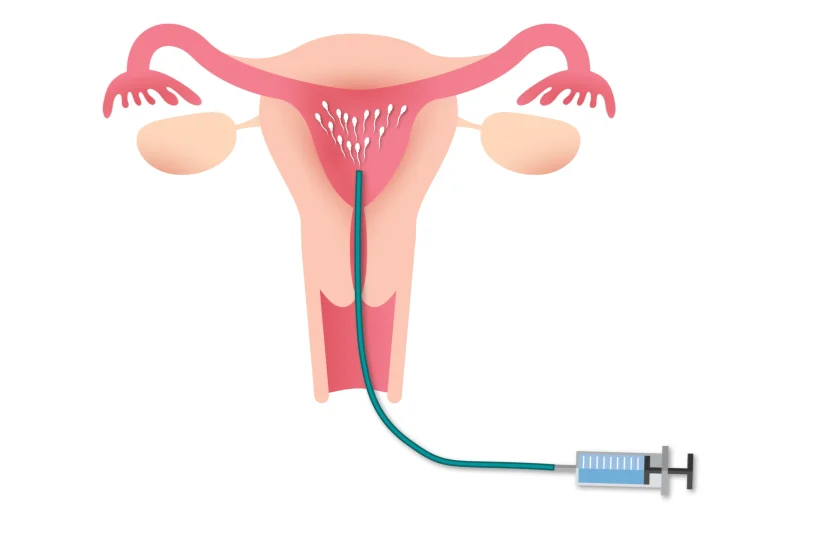
Genetics and family history play a significant role in the process of fertility treatments, particularly in cases of insemination. Insemination, also known as artificial insemination, is a form of assisted reproductive technology that involves placing sperm into a woman’s reproductive tract in order to facilitate pregnancy. While there are various methods of insemination, two common options are donor insemination and partner insemination. Both methods have their own unique benefits and considerations, but genetics and family history are crucial factors to consider in either option.
Donor insemination is a process in which the sperm used for insemination comes from a donor, rather than the woman’s partner. Donor sperm can come from a sperm bank or through a known donor, such as a friend or family member. This method is often used by same-sex female couples, single women, or heterosexual couples facing male infertility. By using donor sperm, couples or individuals can have a child with a genetic connection to one parent, while still experiencing the joys of pregnancy and childbirth.
One of the main considerations when using donor insemination is the selection of the donor. Sperm banks typically have strict screening processes for donors, which include physical and psychological evaluations, as well as testing for genetic disorders. This helps to ensure that the sperm used for insemination is of high quality and does not carry any inheritable diseases or conditions. However, there is always a risk of passing on genetic disorders through donor sperm, as not all conditions can be tested for.
Another factor to consider in donor insemination is the level of anonymity. Donor sperm can either be anonymous, meaning the donor’s identity is not disclosed, or open, allowing the child to potentially contact the donor in the future. This decision should be carefully considered, as it can have implications for the child’s sense of identity and understanding of their genetic background.
On the other hand, partner insemination is a process in which the sperm used for insemination comes from the woman’s partner. This method is often used by heterosexual couples facing male infertility or couples who desire a child with both parents’ genetic contributions. Partner insemination can be done at home or in a clinical setting and does not require the use of sperm from a donor.
The Role of Genetics and Family History: Donor Insemination vs Partner Insemination
While partner insemination may seem like the more straightforward option, genetics and family history still play a crucial role. It is important for both partners to undergo genetic testing to identify any potential risks or conditions that could be passed on to the child. If either partner is a carrier for a genetic disorder, there is a chance that the child could inherit the condition. In some cases, alternative fertility treatments may be recommended to avoid passing on a genetic disorder.
Moreover, family history should also be taken into consideration when deciding on partner insemination. Certain genetic conditions or diseases may run in families, and it is important to be aware of these risks before attempting insemination. This can help to prepare for any potential challenges and make informed decisions about the best course of action.
In both donor and partner insemination, genetic counseling can be beneficial. Genetic counselors can provide information and support to individuals or couples considering insemination, as well as help them navigate any potential risks or concerns related to genetics and family history. They can also assist in the selection of a donor or provide guidance on alternative fertility treatments.
In conclusion, genetics and family history are important factors to consider in both donor and partner insemination. While donor insemination may provide a genetic connection to one parent, partner insemination allows for a child with both parents’ genetic contributions. However, it is crucial to undergo genetic testing and counseling to identify any potential risks or conditions that could be inherited. Ultimately, the decision between donor insemination and partner insemination should be made after careful consideration of these factors, as well as personal preferences and circumstances.
Summary:
Genetics and family history play a significant role in the decision between donor insemination and partner insemination, two common options for assisted reproductive technology. Donor insemination involves using sperm from a donor, while partner insemination uses sperm from the woman’s partner. Both methods have their own unique benefits and considerations, but it is important to consider genetics and family history in both cases. Donor insemination requires careful selection of the donor and consideration of anonymity, while partner insemination requires genetic testing and counseling to identify any potential risks or conditions. Ultimately, the decision should be made after careful consideration of these factors and personal circumstances.