Tag: Fertility Diet

  • Fertility Nutrition and Mental Health: How Diet Can Impact Your Mood and Fertility

    Fertility Nutrition and Mental Health: How Diet Can Impact Your Mood and Fertility

    Fertility is a topic that is often discussed in terms of physical health, such as hormones and reproductive organs. However, what is often overlooked is the role that nutrition plays in both fertility and mental health. The food we eat not only affects our physical health, but it also has a significant impact on our mental and emotional well-being. In this blog post, we will delve into the connection between fertility, nutrition, and mental health, and how making simple changes to your diet can improve both your mood and your chances of conceiving.

    The Link Between Nutrition and Fertility

    When it comes to fertility, nutrition is crucial. Our bodies need a balanced and healthy diet to function optimally, and this is especially true when trying to conceive. Certain vitamins and minerals are essential for reproductive health, such as folate, zinc, and iron. These nutrients help regulate hormone levels, support egg and sperm production, and promote a healthy menstrual cycle.

    Studies have shown that women who follow a Mediterranean-style diet, rich in whole grains, fruits, vegetables, and healthy fats, have a higher chance of conceiving compared to those who consume a diet high in processed foods and unhealthy fats. This is because the Mediterranean diet is packed with essential vitamins and minerals that support reproductive health. Additionally, a healthy diet can also help with weight management, which is crucial for fertility. Being under or overweight can disrupt hormonal balance and make it harder to conceive.

    How Nutrition Affects Mental Health

    The food we eat not only impacts our physical health, but it also has a significant influence on our mental and emotional well-being. Our brains need a constant supply of nutrients to function correctly, and a poor diet can lead to imbalances in neurotransmitters, which are responsible for regulating our mood. For example, a deficiency in omega-3 fatty acids has been linked to depression and anxiety.

    Moreover, our gut health has a significant impact on our mental health. The gut is often referred to as the “second brain” because it contains millions of nerve cells that communicate with the brain. Therefore, the food we eat can affect our gut microbiome, which can impact our mood and overall mental health. Eating a diet high in processed foods and sugar can lead to inflammation in the gut, which has been linked to depression and other mental health disorders.

    The Connection Between Nutrition, Mental Health, and Fertility

    It may come as no surprise that there is a strong link between nutrition, mental health, and fertility. When we are stressed or anxious, our bodies produce high levels of the hormone cortisol, which can interfere with ovulation and sperm production. Additionally, poor nutrition can lead to inflammation in the body, which can cause damage to reproductive organs and interfere with the body’s ability to conceive.

    Furthermore, mental health disorders, such as depression and anxiety, can also affect fertility. Women with these conditions may have irregular menstrual cycles or experience hormonal imbalances that make it harder to conceive. Therefore, addressing mental health through nutrition can also improve fertility outcomes.

    What to Eat for Better Fertility and Mental Health
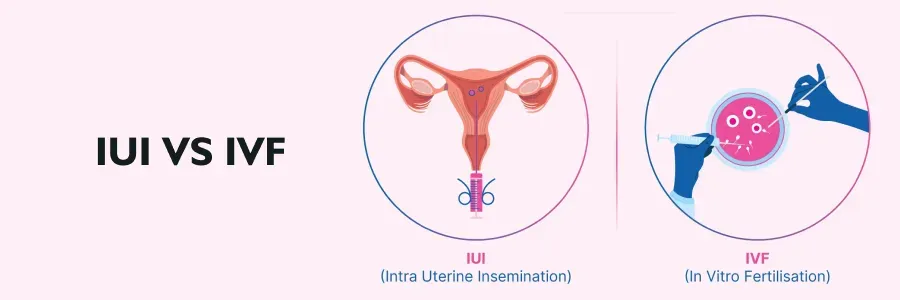
    Comparison of IUI and IVF with illustrations of each procedure.

    Fertility Nutrition and Mental Health: How Diet Can Impact Your Mood and Fertility

    Now that we understand the connection between nutrition, mental health, and fertility, let’s explore some specific foods that can improve both.

    1. Leafy Greens

    Leafy greens, such as spinach, kale, and arugula, are rich in folate, a B vitamin essential for reproductive health. Folate helps with egg and sperm production and can reduce the risk of birth defects. Additionally, leafy greens are packed with antioxidants, which can help reduce inflammation in the body and promote a healthy gut.

    2. Healthy Fats

    Healthy fats, such as avocados, nuts, and olive oil, are essential for reproductive health and mental well-being. These fats contain omega-3 fatty acids, which have been linked to improved fertility, reduced inflammation, and improved mood. Incorporating these healthy fats into your diet can also help with weight management, which is crucial for fertility.

    3. Whole Grains

    Whole grains, such as quinoa, brown rice, and oats, are rich in fiber, which is essential for hormonal balance. These foods also have a low glycemic index, meaning they don’t cause a spike in blood sugar levels, which can disrupt ovulation and sperm production. Moreover, whole grains are packed with essential vitamins and minerals that support reproductive health and overall well-being.

    4. Fermented Foods

    Fermented foods, such as sauerkraut, kimchi, and yogurt, contain probiotics, which are beneficial bacteria that support gut health. By promoting a healthy gut microbiome, these foods can also improve mental health and fertility outcomes. Additionally, fermented foods are rich in B vitamins, which are crucial for reproductive health.

    5. Colorful Fruits and Vegetables

    Fruits and vegetables of all colors are packed with essential vitamins, minerals, and antioxidants that support fertility and mental health. For example, berries are rich in antioxidants that can help reduce inflammation and support a healthy gut. Brightly colored vegetables, such as sweet potatoes and bell peppers, are rich in vitamin C, which can improve egg quality and reduce the risk of ovulatory infertility.

    In summary, fertility, nutrition, and mental health are all interconnected. The food we eat plays a significant role in our reproductive health and emotional well-being. By incorporating a variety of nutrient-dense foods into our diets, we can support our bodies’ overall health and increase our chances of conceiving. Additionally, paying attention to our mental health and addressing any imbalances through nutrition can also improve fertility outcomes. Remember, a healthy body and mind are crucial for starting a family.
  • Fertility Nutrition and Weight: Finding the Right Balance for Conception

    Finding the Right Balance for Conception: Fertility Nutrition and Weight

    Conceiving a child is a natural and beautiful desire for many couples. However, for some, it may not come as easily as others. Factors such as nutrition and weight can greatly affect a couple’s ability to conceive. In this blog post, we will explore the importance of fertility nutrition and weight and how to find the right balance for conception.

    The Link Between Fertility and Nutrition

    Many studies have shown that a healthy diet can improve fertility in both men and women. The food we eat provides the essential vitamins, minerals, and nutrients that our bodies need to function properly. When it comes to fertility, these nutrients play a crucial role in the production of hormones, ovulation, and sperm health.

    One of the most important nutrients for fertility is folic acid. This B vitamin is crucial for a healthy pregnancy, as it helps prevent neural tube defects in the developing fetus. It is recommended that women trying to conceive take a daily supplement of 400-800 micrograms of folic acid. Foods rich in folic acid include leafy greens, beans, and citrus fruits.

    Another essential nutrient for fertility is iron. Iron helps carry oxygen to the body’s cells and is necessary for the production of healthy eggs and sperm. Iron deficiency can lead to anemia, which can cause irregular ovulation and decreased sperm count. Foods high in iron include lean meats, leafy greens, and beans.

    In addition to these key nutrients, a well-balanced fertility diet should include plenty of fruits, vegetables, whole grains, and lean proteins. These foods provide essential vitamins and minerals that support overall health and reproductive function. It is also recommended to limit or avoid processed foods, trans fats, and excessive alcohol consumption, as these can have a negative impact on fertility.

    The Impact of Weight on Fertility

    Maintaining a healthy weight is also vital for fertility. Both being underweight and overweight can affect a couple’s ability to conceive. In women, excessive weight can lead to irregular menstrual cycles, hormonal imbalances, and ovulation disorders. In men, obesity can cause a decrease in sperm quality and quantity.

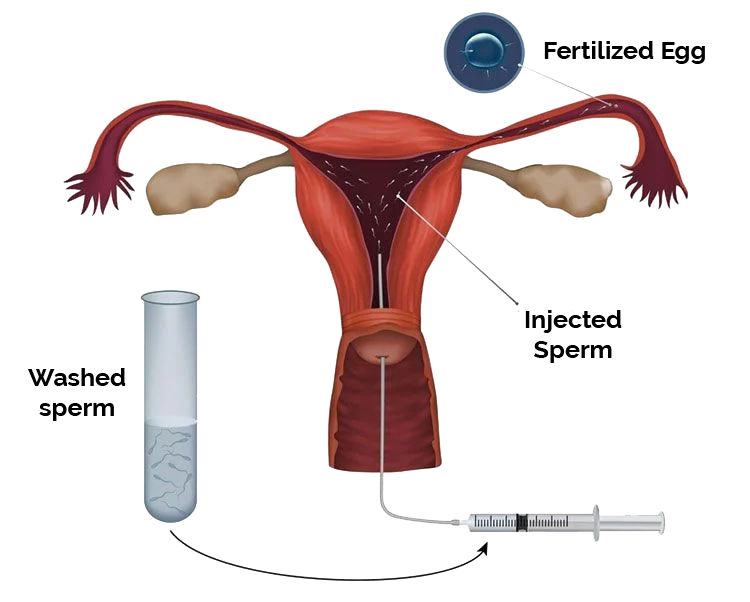
    diagram of the female reproductive system with an IUI syringe and test tube for artificial insemination

    Fertility Nutrition and Weight: Finding the Right Balance for Conception

    On the other hand, being underweight can also disrupt a woman’s menstrual cycle and lead to irregular or absent periods. It can also affect hormone production and decrease the chances of ovulation. In men, being underweight can also lead to a decrease in sperm quality and quantity.

    Finding the Right Balance for Conception

    The key to finding the right balance for conception is to maintain a healthy weight while also getting the necessary nutrients for fertility. This may require some lifestyle changes, but they are essential for a healthy pregnancy.

    First and foremost, it is crucial to consult with a healthcare provider before making any significant changes to your diet or exercise routine. They can assess your current health and provide personalized recommendations for your specific needs.

    For those who are overweight, a gradual and steady weight loss of 1-2 pounds per week is recommended. This can be achieved through a combination of a healthy diet and regular physical activity. It is essential to focus on whole, nutrient-dense foods and to avoid crash diets, which can be harmful to fertility.

    For those who are underweight, a healthcare provider may recommend a weight gain plan that includes a balanced diet and strength training exercises to build muscle mass. It is crucial to avoid extreme weight gain, as this can also have a negative impact on fertility.

    In addition to a healthy diet, regular physical activity is also essential for maintaining a healthy weight and promoting fertility. It can also help reduce stress, which can also affect a couple’s ability to conceive. Aim for at least 30 minutes of moderate exercise, such as walking or cycling, most days of the week.

    Conclusion

    In conclusion, fertility nutrition and weight play a significant role in a couple’s ability to conceive. A balanced and healthy diet, along with regular physical activity, can greatly improve fertility in both men and women. It is essential to consult with a healthcare provider and make gradual, sustainable changes to achieve the right balance for conception. Remember, a healthy lifestyle not only improves fertility but also sets the foundation for a healthy pregnancy and baby.

    SUMMARY: Fertility nutrition and weight are crucial factors in a couple’s ability to conceive. A healthy diet rich in key nutrients, such as folic acid and iron, can improve fertility in both men and women. Maintaining a healthy weight through a balanced diet and regular physical activity is also important for conception. Consulting with a healthcare provider and making gradual, sustainable changes is key to finding the right balance for fertility and pregnancy.

  • The Fertility Diet: What to Eat and What to Avoid for Optimal Fertility

    Blog Post:

    Trying to conceive can be a challenging and emotional journey for many couples. While there are many factors that can impact fertility, diet is often overlooked. However, what we eat can play a crucial role in our reproductive health. In fact, research has shown that certain dietary patterns and nutrients can optimize fertility and increase the chances of conception. This is where the fertility diet comes in – a specialized eating plan designed to support and enhance fertility. In this blog post, we will explore the fertility diet: what to eat and what to avoid for optimal fertility.

    What is the Fertility Diet?

    The fertility diet is a dietary approach that focuses on consuming foods that are nutrient-dense, anti-inflammatory, and promote hormonal balance. It is not a restrictive diet, but rather a way of eating that encourages a wide variety of whole, unprocessed foods. The main goal of the fertility diet is to support the body’s natural reproductive processes and create an optimal environment for conception.

    What to Eat for Optimal Fertility:

    1. Plant-based Foods:

    A diet high in plant-based foods, such as fruits, vegetables, whole grains, and legumes, has been linked to improved fertility. These foods are rich in antioxidants and anti-inflammatory compounds that can help reduce oxidative stress and support hormonal balance. Additionally, plant-based foods are high in fiber, which can aid in weight management, a factor that can affect fertility.

    2. Healthy Fats:

    Incorporating healthy fats into your diet is essential for optimal fertility. Healthy fats, such as those found in avocados, nuts, seeds, and fatty fish, are important for hormone production and regulation. They also help reduce inflammation in the body, which can interfere with reproductive processes. Be sure to include a variety of healthy fats in your meals and snacks to support your fertility.

    3. Lean Proteins:

    Protein is an essential nutrient for reproductive health. It provides the building blocks for hormones and supports egg and sperm quality. When choosing protein sources, opt for lean options such as chicken, fish, beans, and lentils. It is also important to limit red and processed meats, as they have been linked to decreased fertility.

    4. Folate-rich Foods:

    Folate, also known as Vitamin B9, is a crucial nutrient for fertility. It plays a vital role in DNA synthesis and cell division, making it essential for the development of a healthy embryo. Foods high in folate include leafy greens, legumes, fortified cereals, and citrus fruits. It is recommended to consume at least 400-600 mcg of folate daily when trying to conceive.

    5. Iron-rich Foods:

    Iron is another vital nutrient for reproductive health. It helps transport oxygen to cells and is essential for a healthy menstrual cycle. It is especially important for women who experience heavy menstrual bleeding. Iron-rich foods include lean meats, leafy greens, beans, and fortified cereals. However, it is essential to note that iron supplements should only be taken under the guidance of a healthcare professional.

    success rate of IUI in India with a graphic of a uterus and syringe alongside a rising graph

    The Fertility Diet: What to Eat and What to Avoid for Optimal Fertility

    6. Omega-3 Fatty Acids:

    Omega-3 fatty acids, specifically EPA and DHA, are essential for fertility. They help regulate hormones, improve egg quality, and support a healthy uterine lining. Sources of omega-3s include fatty fish, chia seeds, flaxseeds, and walnuts. If you have trouble incorporating these foods into your diet, consider taking a high-quality omega-3 supplement.

    Foods to Avoid for Optimal Fertility:

    1. Processed Foods:

    Processed foods, such as chips, cookies, and fast food, are high in unhealthy fats, added sugars, and refined carbohydrates. These foods can increase inflammation in the body and negatively impact hormonal balance. They can also contribute to weight gain, which can affect fertility. It is best to limit or avoid processed foods when trying to conceive.

    2. Trans Fats:

    Trans fats are artificial fats found in processed foods, baked goods, and fried foods. They have been linked to decreased fertility and should be avoided as much as possible. When reading food labels, look for “partially hydrogenated oils” and avoid products that contain them.

    3. Caffeine:

    While moderate caffeine intake (less than 200 mg per day) is generally safe for most individuals, it is best to limit or avoid caffeine when trying to conceive. Caffeine has been shown to affect hormone levels and can interfere with ovulation. Instead, opt for decaffeinated beverages or herbal teas.

    4. Alcohol:

    Alcohol consumption has been linked to decreased fertility in both men and women. For women, alcohol can disrupt hormone levels and interfere with ovulation. For men, it can affect sperm production and quality. It is best to avoid alcohol when trying to conceive.

    5. High-Mercury Fish:

    Certain types of fish, such as swordfish, shark, and king mackerel, are high in mercury, which can negatively impact fertility. Mercury can accumulate in the body and interfere with hormone production and egg quality. Instead, opt for low-mercury fish such as salmon, sardines, and trout.

    In Summary:

    The fertility diet focuses on consuming nutrient-dense, anti-inflammatory foods that support hormonal balance and reproductive health. This includes a variety of plant-based foods, healthy fats, lean proteins, folate and iron-rich foods, and omega-3 fatty acids. It is also important to limit or avoid processed foods, trans fats, caffeine, alcohol, and high-mercury fish. By following the fertility diet, you can create an optimal environment for conception and increase your chances of getting pregnant.

  • Fueling Your Fertility: Understanding the Benefits of Fertility Nutrition

    Fueling Your Fertility: Understanding the Benefits of Fertility Nutrition

    When it comes to trying to conceive, many couples turn to medical interventions or fertility treatments, but often overlook the impact of nutrition on their fertility. However, studies have shown that making certain dietary changes and incorporating key nutrients can have a significant impact on fertility and increase the chances of conception. In this blog post, we will delve into the benefits of fertility nutrition and how it can help you on your journey to parenthood.

    The Importance of Fertility Nutrition
    Nutrition plays a crucial role in overall health and well-being, and this is especially true for fertility. The foods we eat provide our bodies with the essential nutrients needed to support reproductive functions. A balanced and nutrient-rich diet can help regulate hormone levels, improve egg and sperm quality, and increase the chances of successful implantation.

    Key Nutrients for Fertility
    There are several key nutrients that have been linked to improved fertility, and incorporating them into your diet can make a significant difference. These include:

    1. Folate: Folate, also known as folic acid, is a B vitamin essential for healthy fetal development. It has been shown to reduce the risk of birth defects and improve fertility in both men and women.

    2. Iron: Iron is an important mineral for reproductive health, as it helps with the production of red blood cells and supports the transportation of oxygen to the reproductive organs. Iron deficiency has been linked to irregular ovulation and menstrual cycles in women.

    3. Omega-3 Fatty Acids: Omega-3 fatty acids, found in fatty fish, nuts, and seeds, have been shown to improve sperm quality and increase blood flow to the reproductive organs.

    4. Vitamin D: Vitamin D plays a crucial role in regulating hormone levels and supporting healthy ovulation in women. It has also been linked to improved sperm quality in men.

    5. Zinc: Zinc is an essential mineral for reproductive health, as it helps with the production of eggs and sperm. Studies have shown that zinc deficiency can lead to fertility issues in both men and women.

    success rate of IUI in India with a graphic of a uterus and syringe alongside a rising graph

    Fueling Your Fertility: Understanding the Benefits of Fertility Nutrition

    Incorporating these key nutrients into your diet through whole, nutrient-dense foods is the best way to ensure you are getting the necessary nutrients for fertility. However, if you struggle to meet your daily requirements, supplements can also be beneficial.

    The Role of Antioxidants
    Antioxidants are compounds that help protect our cells from damage caused by free radicals. These free radicals can harm reproductive cells, leading to infertility. Incorporating antioxidant-rich foods, such as fruits, vegetables, and whole grains, into your diet can help reduce oxidative stress and improve fertility.

    The Impact of Diet on Hormone Balance
    Hormone imbalances are a common cause of fertility issues, and diet can play a significant role in balancing hormones. Processed foods, high in sugar and unhealthy fats, can disrupt hormone levels and lead to insulin resistance, which can affect ovulation. On the other hand, a diet rich in whole foods, healthy fats, and complex carbohydrates can help regulate hormone levels and improve fertility.

    Foods to Avoid
    In addition to incorporating fertility-boosting foods, it is also essential to avoid certain foods that can have a negative impact on fertility. These include:

    1. Trans Fats: Trans fats are found in processed foods and have been linked to infertility in women.

    2. High-Mercury Fish: Certain types of fish, such as swordfish and tuna, contain high levels of mercury, which can impair fertility.

    3. Caffeine and Alcohol: Both caffeine and alcohol have been linked to infertility and should be limited or avoided when trying to conceive.

    4. Refined Carbohydrates: Refined carbohydrates, such as white bread and pasta, can cause spikes in insulin levels, leading to hormone imbalances and fertility issues.

    The Importance of a Healthy Weight
    Maintaining a healthy weight is crucial for fertility. Both being underweight and overweight can affect hormone levels and decrease fertility. A balanced diet, regular exercise, and a healthy weight can all contribute to improved fertility and increase the chances of conception.

    In summary, proper nutrition plays a significant role in fertility and can greatly impact your chances of conceiving. By incorporating key nutrients, antioxidants, and hormone-balancing foods into your diet, and avoiding certain harmful foods, you can support your reproductive health and increase your chances of a successful pregnancy. Consult with a healthcare professional or a registered dietitian to create a personalized fertility nutrition plan that fits your needs.

  • The Role of Nutrition in Boosting Fertility: A Comparison of Fertility Diets

    Blog Post Title: The Role of Nutrition in Boosting Fertility: A Comparison of Fertility Diets

    Summary:

    Fertility is a topic that is often surrounded by myths and misconceptions, making it challenging for couples who are struggling to conceive. While there are various factors that can affect fertility, one crucial aspect that is often overlooked is nutrition. The food we eat plays a significant role in our overall health, including our reproductive health. In recent years, fertility diets have gained popularity as a way to boost fertility and increase the chances of conception. In this blog post, we will delve into the role of nutrition in fertility and compare some of the most popular fertility diets.

    First, let’s understand how nutrition affects fertility. Our bodies require a balance of essential nutrients, vitamins, and minerals to function correctly. This balance is especially crucial for reproductive health. For example, certain vitamins and minerals, such as folic acid, iron, and zinc, are vital for sperm production and egg quality. A deficiency in these nutrients can lead to fertility issues in both men and women. Additionally, being overweight or underweight can also impact fertility by disrupting hormonal balance and ovulation.

    Now, let’s take a closer look at some of the popular fertility diets and how they can boost fertility:

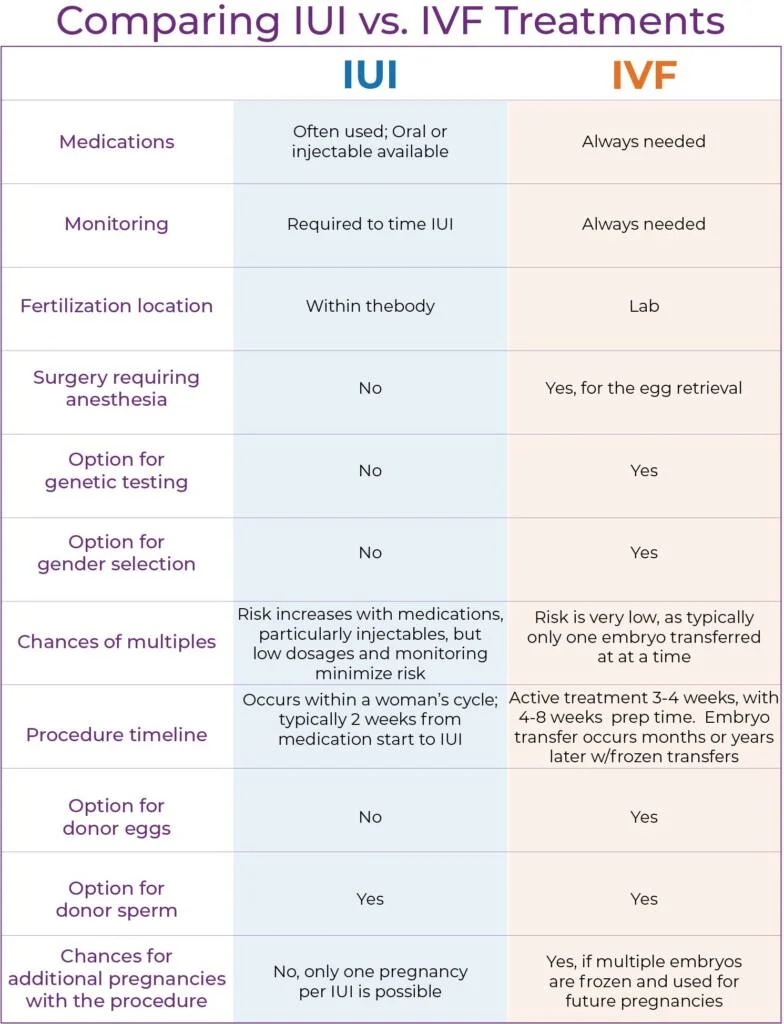
    Comparison chart of IUI and IVF treatments, detailing medications, monitoring, procedures, and success rates.

    The Role of Nutrition in Boosting Fertility: A Comparison of Fertility Diets

    1. The Mediterranean Diet:
    The Mediterranean diet is known for its abundance of fresh fruits, vegetables, whole grains, and healthy fats, such as olive oil and nuts. This diet has been linked to various health benefits, including improved fertility. Studies have shown that following a Mediterranean diet can increase the chances of conception and improve the success rates of fertility treatments. This diet is rich in antioxidants, which help protect the reproductive cells from damage and improve their quality. It also promotes a healthy weight, which is essential for fertility.

    2. The DASH Diet:
    The DASH (Dietary Approaches to Stop Hypertension) diet is another popular diet that has shown promising effects on fertility. This diet focuses on reducing sodium intake and increasing the consumption of fruits, vegetables, whole grains, and lean proteins. Studies have found that women who followed the DASH diet had a higher chance of conceiving compared to those who did not follow the diet. This could be because the DASH diet promotes a healthy weight and reduces the risk of conditions like polycystic ovary syndrome (PCOS) that can affect fertility.

    3. The Fertility Diet:
    The Fertility Diet is a specific diet designed to boost fertility. It was developed based on a study that looked at the dietary patterns of women who had a higher chance of conceiving. This diet focuses on whole foods, healthy fats, and lean proteins while limiting the consumption of refined carbohydrates and trans fats. It also encourages the intake of high-fat dairy products, which have been linked to improved fertility. Studies have shown that following the Fertility Diet can increase the chances of conception and reduce the risk of ovulatory infertility.

    4. The Paleo Diet:
    The Paleo diet is a popular diet that focuses on eating like our ancient ancestors, mainly consisting of lean meats, fruits, vegetables, nuts, and seeds. While there is limited research on the effects of the Paleo diet on fertility, some studies have suggested that it may have positive effects on reproductive health. The Paleo diet eliminates processed foods and focuses on whole, nutrient-dense foods, which can promote a healthy weight and improve fertility.

    5. Gluten-Free Diet:
    Gluten has been a topic of much debate when it comes to fertility. While there is no evidence to suggest that gluten directly affects fertility, some studies have shown that a gluten-free diet can improve the chances of conception in women with unexplained fertility issues. This could be because gluten can cause inflammation in the body, which can affect reproductive health. However, it is essential to note that a gluten-free diet is not necessary for everyone and should only be followed if you have a gluten intolerance or sensitivity.

    In conclusion, nutrition plays a crucial role in boosting fertility. While there is no one-size-fits-all diet for fertility, incorporating whole, nutrient-dense foods and maintaining a healthy weight can increase the chances of conception. It is also essential to consult with a healthcare professional or a registered dietitian before making significant changes to your diet, especially if you have any underlying health conditions.