Tag: digital age

  • Fertility Tracking in the Digital Age: Apps vs Traditional Techniques

    Fertility tracking is a practice that has been used for centuries to help individuals and couples monitor their reproductive health and increase their chances of conceiving. With the rise of technology, there are now various digital tools, such as apps, that claim to make fertility tracking easier and more accurate. However, many traditional techniques, such as basal body temperature charting and cervical mucus monitoring, are still widely used and trusted. In this blog post, we will explore the pros and cons of using fertility tracking apps versus traditional techniques in the digital age.

    Introduction to Fertility Tracking
    Fertility tracking is the process of monitoring various physiological changes in the body to determine the most fertile days of a woman’s menstrual cycle. This can be used to either avoid or achieve pregnancy. The most fertile time for a woman is typically around ovulation, which occurs when an egg is released from the ovary. By tracking fertility, individuals and couples can plan for pregnancy or use natural methods of birth control.

    Traditional Techniques
    Basal body temperature charting and cervical mucus monitoring are two of the most commonly used traditional techniques for fertility tracking. Basal body temperature charting involves taking your temperature every morning before getting out of bed and recording it on a chart. This can help determine when ovulation occurs, as there is a slight increase in temperature after ovulation. Cervical mucus monitoring involves observing changes in the consistency and texture of cervical mucus throughout the menstrual cycle. As ovulation approaches, the mucus becomes more clear, stretchy, and slippery, making it easier for sperm to travel to the egg.

    Pros of Traditional Techniques
    One of the main advantages of traditional techniques is that they are natural and non-invasive. They do not require any expensive devices or technology, making them accessible to everyone. Additionally, these methods have been used for centuries and have been proven to be effective in tracking fertility. They also provide a deeper understanding of one’s own body and can help individuals identify any potential fertility issues.
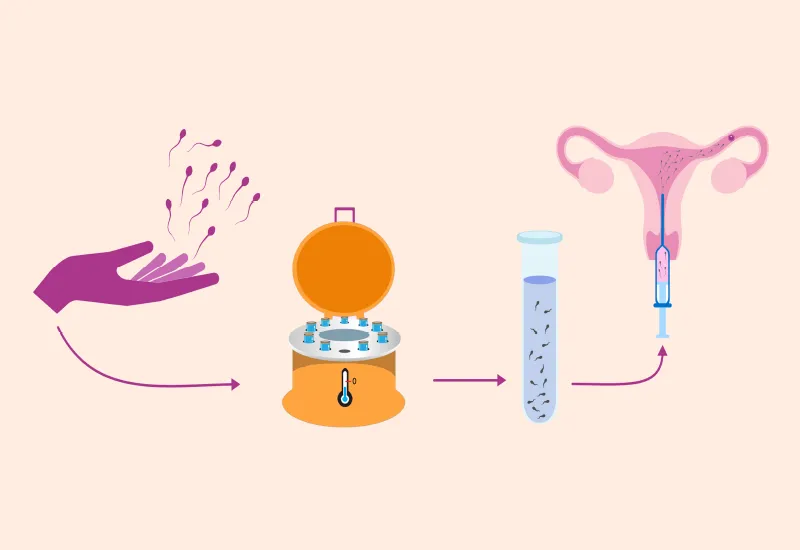
    illustration of the IUI process, showing sperm collection, preparation, and insertion into the uterus

    Fertility Tracking in the Digital Age: Apps vs Traditional Techniques

    Cons of Traditional Techniques
    The main drawback of traditional techniques is that they require a lot of time and effort. Basal body temperature charting requires taking your temperature at the same time every morning, which can be challenging for those with irregular sleep schedules. Cervical mucus monitoring also requires daily observation and recording, which can be inconvenient for some individuals. Another downside is that these methods are subjective and rely on the individual’s interpretation of their own body, which can lead to errors.

    Fertility Tracking Apps
    In recent years, there has been an explosion of fertility tracking apps in the market. These apps use algorithms and data input by the user to predict ovulation and fertile days. Some apps also offer additional features, such as tracking of other fertility indicators like mood, energy levels, and exercise. These apps can be downloaded on smartphones, making them easily accessible and convenient for users.

    Pros of Fertility Tracking Apps
    One of the main benefits of fertility tracking apps is their convenience. They require minimal effort and can provide quick and accurate results. They also offer additional features that can help individuals track other aspects of their health that may affect fertility. Additionally, these apps can store and analyze data over time, providing a more comprehensive understanding of one’s fertility patterns. Some apps also offer community support and educational resources, which can be helpful for those trying to conceive.

    Cons of Fertility Tracking Apps
    One of the major concerns with fertility tracking apps is their accuracy. While they may use advanced algorithms, these apps rely on the user inputting accurate data. If the data is incorrect or incomplete, it can lead to inaccurate predictions. Additionally, these apps may not work for individuals with irregular menstrual cycles, as they are not able to make accurate predictions for those with unpredictable ovulation patterns. Another disadvantage is that most fertility tracking apps are not regulated by medical authorities, so their effectiveness and safety cannot be guaranteed.

    Summary
    In summary, fertility tracking is a useful practice for both those trying to conceive and those using natural methods of birth control. Traditional techniques, such as basal body temperature charting and cervical mucus monitoring, have been used for centuries and have proven to be effective. However, they require a lot of time and effort and can be subjective. Fertility tracking apps offer convenience and additional features, but their accuracy and effectiveness may be questionable. Ultimately, the best approach may be to combine traditional techniques with the use of fertility tracking apps for a more comprehensive understanding of one’s fertility.

  • The Digital Fertility Revolution: How Online Forums Are Changing the Game

    The Digital Fertility Revolution: How Online Forums Are Changing the Game

    In today’s digital age, the internet has revolutionized the way we access information, connect with others, and seek support. This is especially true in the world of fertility, where online forums have become a game-changer for individuals and couples struggling with infertility. These forums provide a safe and supportive space for people to share their experiences, seek advice, and find a sense of community. In this blog post, we will explore the digital fertility revolution and how online forums are changing the game for those struggling with fertility issues.

    The Rise of Online Forums

    With the rise of social media and online communities, it’s no surprise that fertility forums have become a popular resource for individuals and couples going through fertility treatments. These online forums provide a platform for people to connect with others who are going through similar experiences, share their stories, and offer support and advice. They offer a sense of anonymity, which can be comforting for those who are not ready to share their struggles with friends and family. Additionally, these forums are accessible 24/7, making it easier for people to find support whenever they need it.

    Breaking the Silence Around Fertility Issues

    Infertility is still a taboo topic in many societies, and it can be challenging for individuals and couples to openly discuss their struggles with fertility. This silence often leads to feelings of isolation, shame, and inadequacy. However, online forums have provided a space for people to break this silence and talk openly about their fertility journey. This has helped to reduce the stigma surrounding infertility and has given people the confidence to share their experiences and seek support.

    Sharing Experiences and Finding Support

    One of the most significant benefits of online fertility forums is the ability to connect with others who are going through a similar experience. These forums bring together people from all over the world, making it possible to connect with someone who understands what you’re going through. This sense of community can be incredibly empowering, as it allows individuals to share their experiences, offer advice, and find support from others who are on a similar journey. It also provides a safe space for people to express their emotions and feel understood and validated.

    Comparison chart of IUI and IVF treatments, detailing medications, monitoring, procedures, and success rates.

    The Digital Fertility Revolution: How Online Forums Are Changing the Game

    Access to Information and Resources

    In addition to providing a supportive community, online fertility forums also offer a wealth of information and resources. Many forums have sections dedicated to specific fertility treatments, such as IVF or IUI, where individuals can find information, tips, and success stories from others who have gone through the same treatment. This can be incredibly helpful for those who are just starting their fertility journey and are looking for guidance and advice.

    Support Beyond the Screen

    While online forums provide a great platform for support, many of them have also led to real-life connections and friendships. Through these forums, people have been able to connect with others in their local area, leading to in-person meetups and support groups. This has helped to create a sense of community and belonging, which is essential for those going through fertility treatments. It also provides an opportunity for individuals to share their success stories and offer hope to others who are still on their journey.

    The Role of Moderators and Experts

    To ensure these online forums are a safe and supportive space, many of them have moderators who monitor the conversations and ensure that everyone follows the forum’s guidelines. These moderators are often individuals who have gone through fertility treatments themselves and can offer valuable insights and support. Some forums also have experts, such as fertility specialists or therapists, who can provide professional advice and answer any questions that forum members may have. This adds an extra layer of credibility and trust to the forums, making them a reliable source of information and support.

    The Downside of Online Forums

    While online fertility forums have many benefits, there are also some downsides to consider. As with any online platform, there is a risk of misinformation and false claims. It’s essential to remember that every person’s fertility journey is unique, and what works for one person may not work for another. It’s crucial to take advice and information from these forums with a grain of salt and always consult with a medical professional for personalized guidance. Additionally, some forums may become a place of comparison and competition, which can be harmful to individuals’ mental health. It’s important to approach these forums with a positive and supportive mindset and to avoid comparing one’s journey with others.

    In summary, the digital fertility revolution has brought about a significant change in how individuals and couples struggling with fertility issues seek support and information. Online forums offer a safe and supportive community, breaking the silence around infertility and providing a sense of belonging and understanding. They also offer access to valuable information and resources and can lead to real-life connections and friendships. However, it’s essential to approach these forums with caution and to always consult with medical professionals for personalized guidance.

  • and Fertile: Finding Support in the Digital Age

    Fertile: Finding Support in the Digital Age

    In today’s fast-paced and technology-driven world, it has become increasingly difficult for individuals to find emotional support and connection. With the rise of social media, people are more connected than ever before, but often lack the deeper and more meaningful connections that are necessary for personal growth and wellbeing. This is where the concept of “fertile” comes in – finding support and nourishment in the digital age.

    The term “fertile” refers to the idea of cultivating and nurturing relationships that can provide a sense of belonging, understanding, and support. In the digital age, this concept has taken on a whole new meaning, as technology has opened up new ways for people to connect, share, and support one another.

    One of the most significant ways that the digital age has impacted support and connection is through social media. Platforms like Facebook, Instagram, and Twitter allow individuals to connect with others from all over the world, regardless of geographical barriers. This has created a sense of global community, where people can find support and understanding from others who may be going through similar experiences.

    In recent years, there has also been a rise in online support groups and communities. These platforms provide a safe and secure space for individuals to connect with others who are facing similar challenges or have shared interests. From mental health support groups to groups for new parents, these online communities have become a lifeline for many individuals who may not have access to in-person support.

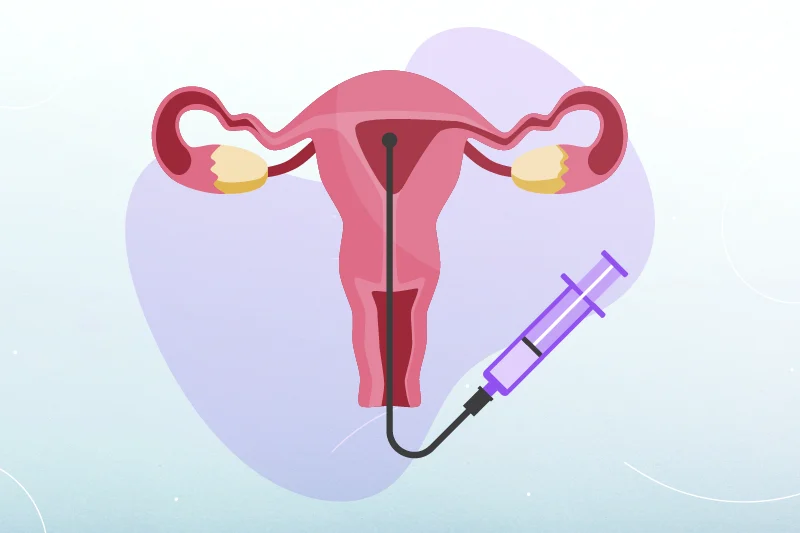
    Illustration of the uterus with a syringe, depicting the intrauterine insemination procedure.

    and Fertile: Finding Support in the Digital Age

    The digital age has also made it easier for individuals to seek professional support and guidance. Online therapy and counseling services have become increasingly popular, allowing individuals to access therapy from the comfort of their own home. This has been especially beneficial for those who may have limited access to mental health resources in their local area.

    Additionally, technology has also made it easier for individuals to find and connect with experts in various fields. Whether it’s through online courses, webinars, or social media, people can now access a wealth of knowledge and expertise from professionals all over the world. This not only provides support but also allows individuals to learn and grow in areas that interest them.

    Another significant impact of the digital age on support and connection is the rise of crowdfunding platforms. These websites allow individuals to raise money from a large number of people for a specific cause or project. This has been particularly beneficial for those facing financial difficulties due to illness or other challenging circumstances. Crowdfunding has also allowed individuals to come together and support causes and charities that they are passionate about, creating a sense of community and togetherness.

    While the digital age has undoubtedly opened up new avenues for support and connection, it’s essential to note that it also has its challenges. With the constant use of technology, individuals may find it challenging to disconnect and be present in the moment. The pressure to constantly be connected and available can also lead to feelings of burnout and isolation. It’s crucial for individuals to find a balance between using technology to find support and taking breaks to focus on their mental and emotional wellbeing.

    In conclusion, the digital age has had a significant impact on the way we seek and receive support. From social media and online communities to professional services and crowdfunding, technology has opened up new opportunities for individuals to connect, share, and find support. However, it’s essential to use technology mindfully and find a balance between virtual and in-person support to truly nourish and cultivate “fertile” relationships.