Fertility tracking is a practice that has been used for centuries to help individuals and couples monitor their reproductive health and increase their chances of conceiving. With the rise of technology, there are now various digital tools, such as apps, that claim to make fertility tracking easier and more accurate. However, many traditional techniques, such as basal body temperature charting and cervical mucus monitoring, are still widely used and trusted. In this blog post, we will explore the pros and cons of using fertility tracking apps versus traditional techniques in the digital age.
Introduction to Fertility Tracking
Fertility tracking is the process of monitoring various physiological changes in the body to determine the most fertile days of a woman’s menstrual cycle. This can be used to either avoid or achieve pregnancy. The most fertile time for a woman is typically around ovulation, which occurs when an egg is released from the ovary. By tracking fertility, individuals and couples can plan for pregnancy or use natural methods of birth control.
Traditional Techniques
Basal body temperature charting and cervical mucus monitoring are two of the most commonly used traditional techniques for fertility tracking. Basal body temperature charting involves taking your temperature every morning before getting out of bed and recording it on a chart. This can help determine when ovulation occurs, as there is a slight increase in temperature after ovulation. Cervical mucus monitoring involves observing changes in the consistency and texture of cervical mucus throughout the menstrual cycle. As ovulation approaches, the mucus becomes more clear, stretchy, and slippery, making it easier for sperm to travel to the egg.
Pros of Traditional Techniques
One of the main advantages of traditional techniques is that they are natural and non-invasive. They do not require any expensive devices or technology, making them accessible to everyone. Additionally, these methods have been used for centuries and have been proven to be effective in tracking fertility. They also provide a deeper understanding of one’s own body and can help individuals identify any potential fertility issues.
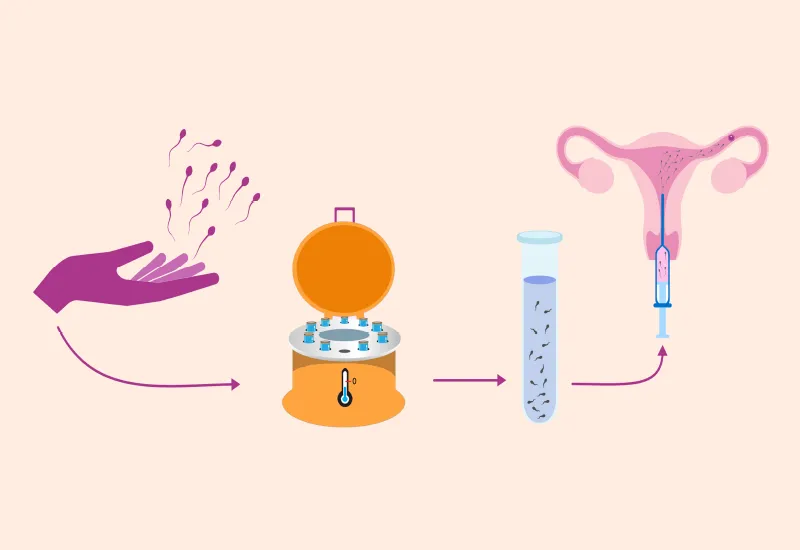
Fertility Tracking in the Digital Age: Apps vs Traditional Techniques
Cons of Traditional Techniques
The main drawback of traditional techniques is that they require a lot of time and effort. Basal body temperature charting requires taking your temperature at the same time every morning, which can be challenging for those with irregular sleep schedules. Cervical mucus monitoring also requires daily observation and recording, which can be inconvenient for some individuals. Another downside is that these methods are subjective and rely on the individual’s interpretation of their own body, which can lead to errors.
Fertility Tracking Apps
In recent years, there has been an explosion of fertility tracking apps in the market. These apps use algorithms and data input by the user to predict ovulation and fertile days. Some apps also offer additional features, such as tracking of other fertility indicators like mood, energy levels, and exercise. These apps can be downloaded on smartphones, making them easily accessible and convenient for users.
Pros of Fertility Tracking Apps
One of the main benefits of fertility tracking apps is their convenience. They require minimal effort and can provide quick and accurate results. They also offer additional features that can help individuals track other aspects of their health that may affect fertility. Additionally, these apps can store and analyze data over time, providing a more comprehensive understanding of one’s fertility patterns. Some apps also offer community support and educational resources, which can be helpful for those trying to conceive.
Cons of Fertility Tracking Apps
One of the major concerns with fertility tracking apps is their accuracy. While they may use advanced algorithms, these apps rely on the user inputting accurate data. If the data is incorrect or incomplete, it can lead to inaccurate predictions. Additionally, these apps may not work for individuals with irregular menstrual cycles, as they are not able to make accurate predictions for those with unpredictable ovulation patterns. Another disadvantage is that most fertility tracking apps are not regulated by medical authorities, so their effectiveness and safety cannot be guaranteed.
Summary
In summary, fertility tracking is a useful practice for both those trying to conceive and those using natural methods of birth control. Traditional techniques, such as basal body temperature charting and cervical mucus monitoring, have been used for centuries and have proven to be effective. However, they require a lot of time and effort and can be subjective. Fertility tracking apps offer convenience and additional features, but their accuracy and effectiveness may be questionable. Ultimately, the best approach may be to combine traditional techniques with the use of fertility tracking apps for a more comprehensive understanding of one’s fertility.