Tag: devices

  • The Future of Fertility Tracking: Predictions for Devices and Traditional Methods

    The Future of Fertility Tracking: Predictions for Devices and Traditional Methods

    Fertility tracking has been around for centuries, with traditional methods such as tracking menstrual cycles and changes in cervical mucus. However, with the advancements in technology, fertility tracking has also evolved, and there are now various devices and apps available to help women track their fertility. In this blog post, we will discuss the future of fertility tracking and make predictions about how both devices and traditional methods will continue to evolve.

    Devices for Fertility Tracking

    The market for fertility tracking devices has been steadily growing in recent years, with more and more women looking for efficient and accurate ways to track their fertility. Currently, the most popular devices for fertility tracking are ovulation predictor kits (OPKs), basal body temperature (BBT) monitors, and fertility tracking bracelets.

    However, we can expect to see even more advanced and user-friendly devices in the future. One prediction is the development of wearable devices that can track hormone levels and provide real-time data on a woman’s fertility status. These devices could potentially eliminate the need for daily urine or saliva tests, making fertility tracking more convenient and less invasive.

    Another trend we may see is the integration of fertility tracking with other health tracking devices such as smartwatches and fitness trackers. This could provide a more holistic approach to women’s health and allow for a better understanding of how lifestyle factors can impact fertility.

    Artificial intelligence (AI) is also expected to play a significant role in the future of fertility tracking devices. With AI, these devices can learn and adapt to a woman’s unique cycle, providing more accurate predictions and personalized recommendations for conception or contraception.

    Traditional Methods of Fertility Tracking

    While devices are becoming increasingly popular, traditional methods of fertility tracking are still widely used. These methods include tracking basal body temperature, changes in cervical mucus, and ovulation symptoms.

    One prediction for the future of traditional methods is the incorporation of technology. For example, there are already apps available that allow women to track their BBT and cervical mucus, making it easier to keep records and identify patterns. We can expect to see more advancements in this area, such as wearable devices that can measure BBT and automatically input the data into the app.

    Illustration of IUI procedure with uterus and syringe against a DNA background.

    The Future of Fertility Tracking: Predictions for Devices and Traditional Methods

    Additionally, traditional methods may also see an increase in accuracy with the use of AI. By analyzing data from multiple cycles, AI can identify and predict ovulation patterns more accurately, making traditional methods a more reliable option for fertility tracking.

    The Rise of Personalized Fertility Tracking

    One of the most significant advancements in fertility tracking is the ability to personalize it based on a woman’s unique cycle and health factors. With the integration of technology and AI, fertility tracking devices and apps can gather data on a woman’s cycle, lifestyle, and health history to provide tailored recommendations.

    For example, a woman with irregular periods may receive different predictions and recommendations than someone with a regular cycle. Similarly, a woman with PCOS or endometriosis may receive personalized suggestions to help manage their condition and optimize their fertility.

    This personalized approach to fertility tracking can also extend to couples trying to conceive. By tracking and analyzing data from both partners, these devices and apps can provide insights into fertility and potential fertility issues, ultimately improving the chances of conception.

    Challenges and Controversies

    While the future of fertility tracking looks promising, there are also challenges and controversies surrounding the use of these devices and methods. One concern is the reliance on technology and the potential for it to replace the knowledge and understanding of one’s body. As with any technology, there is also a risk of malfunctions or incorrect data, which could lead to unintended consequences.

    There are also concerns about privacy and the security of the data collected by these devices and apps. As fertility tracking becomes more personalized and integrated with other health tracking devices, there is a need for strict security measures to protect sensitive information.

    Another controversy surrounding fertility tracking is the potential for it to be used as a form of birth control. While these devices and methods can provide valuable insights into fertility, they are not 100% effective and should not be relied upon as the sole method of contraception.

    In summary, the future of fertility tracking looks promising, with advancements in technology and AI making it more accurate, convenient, and personalized. However, there are also challenges and controversies that need to be addressed to ensure the safe and responsible use of these devices and methods.

  • The Role of Technology in Fertility Tracking: From Devices to Wearables

    Summary:

    The use of technology in fertility tracking has revolutionized the way women can monitor their menstrual cycle and increase their chances of conception. From traditional methods such as charting to more advanced devices and wearables, technology has made fertility tracking more accurate and convenient than ever before. In this blog post, we will explore the various ways in which technology has played a crucial role in fertility tracking, from devices that detect hormonal changes to wearable gadgets that collect data in real-time. We will also discuss how these technological advancements have helped women take control of their fertility and make informed decisions about their reproductive health.

    Firstly, we will look at the traditional methods of fertility tracking, such as charting and tracking basal body temperature (BBT). These methods involve manually recording the dates of periods, changes in cervical mucus, and monitoring BBT to determine ovulation. While these methods have been used for decades, they require a lot of effort and are prone to errors. However, with the introduction of fertility tracking apps, these traditional methods have become more accurate and easier to use. Apps like Clue, Glow, and Flo use algorithms to predict ovulation and fertile days based on data entered by the user. This has made fertility tracking more accessible and convenient for women.

    Next, we will explore the role of devices in fertility tracking. With the advancement of technology, there are now a variety of devices available that can accurately track a woman’s menstrual cycle. These devices work by detecting hormonal changes in the body, such as the rise in luteinizing hormone (LH) levels, which indicate ovulation. Some popular devices include the Clearblue Fertility Monitor, OvaCue Fertility Monitor, and Ava Bracelet. These devices use different methods, such as urine tests, saliva tests, and wrist-worn sensors, to track fertility and provide a comprehensive view of a woman’s cycle. This not only helps in predicting ovulation but also provides valuable insights into overall reproductive health.

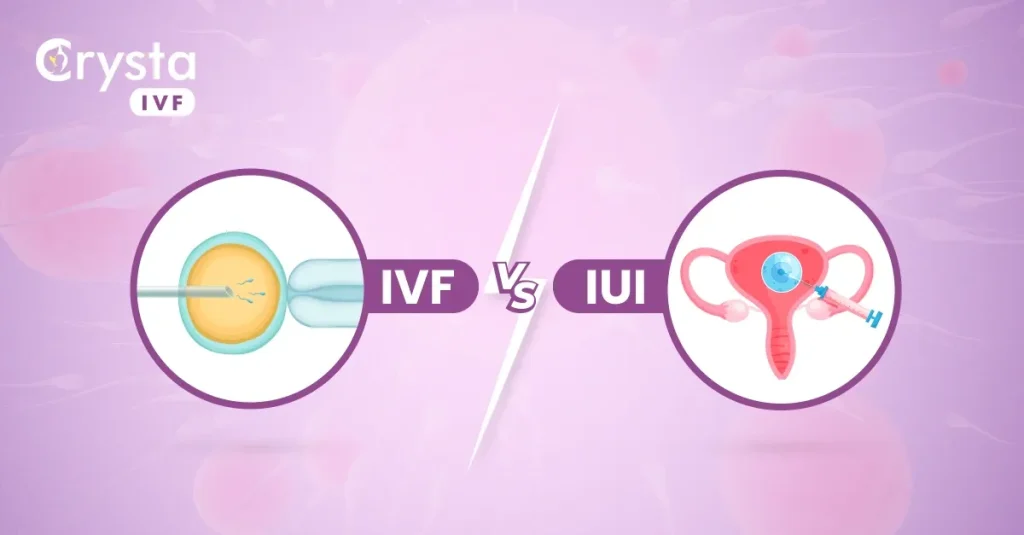
    IVF vs IUI comparison graphic highlighting reproductive methods for aspiring parents.

    The Role of Technology in Fertility Tracking: From Devices to Wearables

    Another exciting development in fertility tracking technology is the use of wearable gadgets. These gadgets, such as the Tempdrop, YONO, and Ava Bracelet, can be worn throughout the day and night to collect data on a woman’s cycle in real-time. They track metrics like BBT, heart rate, and sleep patterns, which are crucial in understanding fertility. Wearables also eliminate the need for daily manual tracking, making it easier for women to monitor their fertility without disrupting their daily routine. These gadgets also sync with fertility tracking apps, providing a more comprehensive and accurate analysis of a woman’s cycle.

    Apart from tracking fertility, technology has also played a significant role in assisting women with fertility treatments. Fertility clinics now use advanced technology, such as ultrasound machines, to monitor follicle growth and track the progress of treatments. They also use genetic testing and advanced imaging techniques to identify potential issues that may affect fertility. This has greatly improved the success rates of fertility treatments and reduced the time and cost involved.

    In addition to tracking fertility, technology has also helped in identifying underlying health issues that may affect a woman’s ability to conceive. For instance, fertility tracking apps can now analyze data and provide insights into potential hormonal imbalances or irregularities in the menstrual cycle. This information can be shared with healthcare providers, allowing them to address any underlying health issues and improve overall reproductive health.

    In conclusion, technology has had a significant impact on fertility tracking, making it more efficient, accurate, and convenient for women. From traditional methods to advanced devices and wearables, technology has made it easier for women to take control of their fertility and make informed decisions about their reproductive health. As technology continues to advance, we can expect even more innovative tools to help women in their fertility journey.

  • A New Era of Fertility Tracking: The Advancements of Devices vs Traditional Methods

    Blog Post Title: A New Era of Fertility Tracking: The Advancements of Devices vs Traditional Methods

    Summary:

    Fertility tracking has come a long way in recent years, with the rise of technology and the development of new devices. These advancements have made it easier for women to track their fertility and understand their menstrual cycles. However, some still prefer traditional methods of fertility tracking. In this blog post, we will explore the advancements of devices versus traditional methods in fertility tracking, and which one may be the best option for you.

    Firstly, let’s discuss traditional methods of fertility tracking. These include methods such as tracking basal body temperature, cervical mucus, and menstrual cycle length. These methods have been used for centuries, and many women still rely on them to track their fertility. While they can be effective, they require a lot of time and effort from the user. For example, tracking basal body temperature requires taking your temperature every morning at the same time before getting out of bed. Not only is this method time-consuming, but it also requires a lot of consistency to get accurate results.

    On the other hand, fertility tracking devices have become increasingly popular in recent years. These devices use technology to track various fertility indicators, such as basal body temperature, heart rate, and hormone levels. They come in various forms, such as wearable bracelets, patches, and even apps on your phone. These devices offer convenience and accuracy, as they eliminate the need for manual tracking and provide real-time data. They also have additional features such as personalized insights and reminders, making the tracking process much more manageable.

    Comparison of IVF and IUI procedures with illustrations of each method.

    A New Era of Fertility Tracking: The Advancements of Devices vs Traditional Methods

    One of the significant advantages of using fertility tracking devices is the accuracy they provide. Traditional methods of fertility tracking may be prone to human error, such as forgetting to take your temperature or tracking the wrong data. Devices, on the other hand, use advanced technology to track multiple fertility indicators and provide precise data. This accuracy can be essential for women trying to conceive, as it allows them to pinpoint their most fertile days accurately.

    Another benefit of fertility tracking devices is their ability to provide personalized insights. Many devices come with accompanying apps that analyze the data collected and provide personalized suggestions and recommendations. This can be incredibly helpful for women trying to conceive, as it can give them a better understanding of their bodies and their fertility. Additionally, these apps can also track patterns and predict future ovulation and fertility windows, making it easier to plan for pregnancy.

    However, traditional methods of fertility tracking do have some advantages over devices. For one, they are much more affordable. While fertility tracking devices can range from $50 to $200, traditional methods only require a thermometer or a calendar, which can be found at a much lower cost. This makes traditional methods a more accessible option for those on a budget. Additionally, some women may prefer the simplicity of traditional methods and not want to rely on technology for their fertility tracking.

    Moreover, there are some concerns about the accuracy and reliability of fertility tracking devices. As with any technology, there is always a possibility of malfunctions or incorrect readings. While the majority of devices have shown to be accurate, there have been some cases of discrepancies. This is why it is essential to do thorough research before investing in a fertility tracking device and choose a reputable brand.

    In conclusion, fertility tracking devices have brought about a new era in fertility tracking, offering convenience, accuracy, and personalized insights. However, traditional methods still have their place and may be more suitable for some individuals. Ultimately, the best method for fertility tracking will depend on personal preferences and needs. Whether you choose to use a device or stick to traditional methods, the most important thing is to understand your body and your fertility to achieve your family planning goals.

  • Fertility Tracking Devices: Are They Worth the Investment?

    Blog Post Summary:

    Fertility tracking devices have become increasingly popular in recent years, offering women a way to track their menstrual cycles and identify their most fertile days for either trying to conceive or avoiding pregnancy. However, with so many different options on the market, it can be overwhelming to decide if these devices are worth the investment. In this blog post, we will explore the different types of fertility tracking devices available, their effectiveness, and the potential benefits and drawbacks of using them. By the end, you will have a better understanding of whether or not a fertility tracking device is the right choice for you.

    First, let’s discuss the different types of fertility tracking devices. The most common and widely used method is the fertility awareness method, which involves tracking changes in basal body temperature, cervical mucus, and menstrual cycles. There are also wearable devices such as fertility bracelets and armbands that use sensors to track changes in body temperature and movement to predict ovulation. Additionally, there are fertility tracking apps that use data input from the user to predict fertile days.

    Next, it’s important to understand the effectiveness of these devices. According to a study published in Obstetrics & Gynecology, the fertility awareness method is 99% effective when used correctly. However, the effectiveness can vary depending on the individual’s ability to accurately track and interpret their data. Wearable devices have also shown promising results, with some studies reporting up to 98% accuracy in predicting ovulation. However, fertility tracking apps may not be as reliable as they rely on user input and may not take into account individual variations in menstrual cycles.

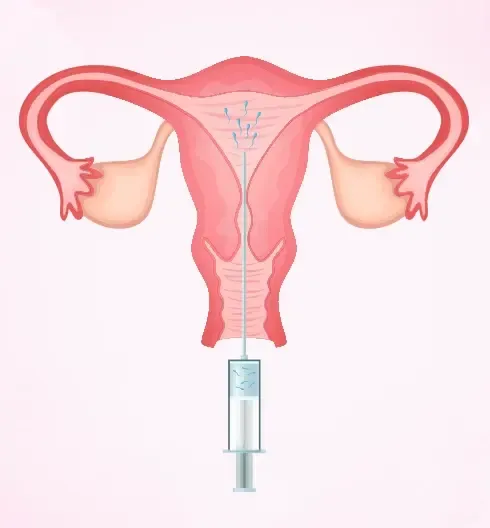
    Illustration of a uterus with a syringe indicating an intrauterine insemination procedure.

    Fertility Tracking Devices: Are They Worth the Investment?

    One of the main benefits of using a fertility tracking device is the ability to better understand your menstrual cycle. By tracking changes in basal body temperature and cervical mucus, you can learn more about your body and its natural patterns. This can be especially helpful for those trying to conceive, as it can help them identify their most fertile days and increase their chances of getting pregnant. Fertility tracking devices can also be useful for those who are not trying to conceive, as they can help them avoid pregnancy by indicating when it is safe to have unprotected sex.

    However, there are also some potential drawbacks to using fertility tracking devices. The most significant one is the learning curve and commitment required to accurately track and interpret data. This can be especially challenging for those with irregular menstrual cycles or for those who are not diligent in tracking their data. Additionally, some devices can be quite expensive, with some costing hundreds of dollars. This may not be feasible for everyone, and it’s important to consider the cost before investing in a fertility tracking device.

    In conclusion, fertility tracking devices can be a helpful tool for those trying to conceive or avoid pregnancy. They offer a natural and non-invasive way to track your menstrual cycle and identify your most fertile days. However, it’s essential to understand the different types of devices available and their effectiveness, as well as the potential benefits and drawbacks. Ultimately, the decision to invest in a fertility tracking device will depend on individual needs, preferences, and budget.

    In summary, fertility tracking devices are tools that can help women track their menstrual cycles and identify their most fertile days. There are different types of devices available, including wearable devices and fertility tracking apps. These devices have shown promising results in terms of effectiveness, with the fertility awareness method being the most accurate. However, there are also potential drawbacks, such as a learning curve and cost. Ultimately, the decision to invest in a fertility tracking device will depend on individual needs and preferences.

  • Fertility Tracking Devices: A Game-Changer for Couples Trying to Conceive

    Summary:

    Fertility tracking devices have emerged as a game-changer for couples trying to conceive. These devices use advanced technology to accurately track a woman’s ovulation cycle and increase the chances of successful pregnancy. They provide a more convenient and reliable alternative to traditional methods of fertility tracking, such as tracking basal body temperature or using ovulation predictor kits. In this blog post, we will explore the different types of fertility tracking devices available, their effectiveness, and how they can benefit couples on their journey to parenthood.

    Introduction:

    For many couples, trying to conceive can be a challenging and emotional journey. According to the Centers for Disease Control and Prevention (CDC), about 10% of women in the United States have difficulty getting or staying pregnant. Traditional methods of fertility tracking, such as tracking basal body temperature or using ovulation predictor kits, can be time-consuming, inaccurate, and stressful. This is where fertility tracking devices come in.

    Types of Fertility Tracking Devices:

    There are various types of fertility tracking devices available in the market, each with its unique features and benefits. The most common ones include:

    1. Wearable Devices:

    These devices are worn on the body and use sensors to track various fertility indicators, such as basal body temperature, heart rate, and cervical mucus. They connect to a companion app on a smartphone, where the data is stored and analyzed to determine the best time for conception.

    2. Basal Body Temperature Monitors:

    Similar to wearable devices, these monitors track basal body temperature, which rises during ovulation. The data is recorded and analyzed on a smartphone app, providing a more accurate prediction of ovulation.

    3. Ovulation Predictor Kits:

    These kits use urine or saliva to detect the presence of luteinizing hormone (LH), which surges right before ovulation. However, these kits can be expensive and sometimes produce false results.

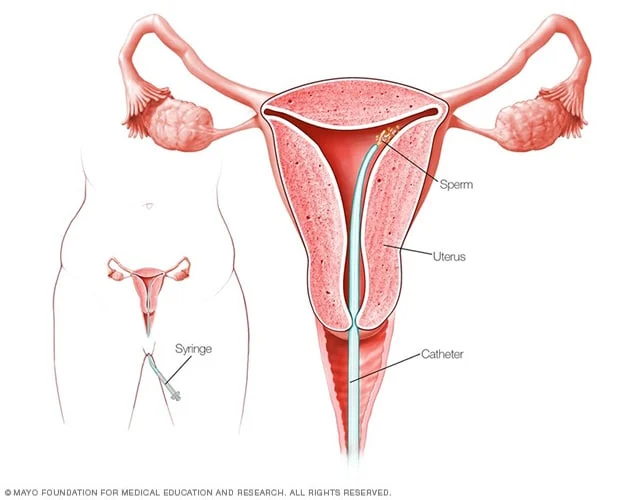
    diagram illustrating intrauterine insemination (IUI) procedure with uterus, sperm, and catheter labeled

    Fertility Tracking Devices: A Game-Changer for Couples Trying to Conceive

    Effectiveness of Fertility Tracking Devices:

    Studies have shown that fertility tracking devices can be highly effective in predicting ovulation and increasing the chances of conception. A study published in the Journal of Women’s Health found that wearable devices accurately predicted ovulation in 80% of women. Additionally, a study published in Obstetrics and Gynecology International showed that the use of basal body temperature monitors significantly improved the chances of pregnancy in women with irregular menstrual cycles.

    Benefits of Fertility Tracking Devices:

    1. Convenience:

    Fertility tracking devices offer a more convenient alternative to traditional methods of fertility tracking. They can be worn discreetly and provide continuous tracking, eliminating the need for daily manual measurements.

    2. Accuracy:

    Compared to traditional methods, fertility tracking devices offer a higher level of accuracy. This is because they use advanced technology to track multiple fertility indicators, providing a more comprehensive picture of a woman’s ovulation cycle.

    3. Reduces Stress:

    The journey of trying to conceive can be stressful, and traditional methods of fertility tracking can add to that stress. Fertility tracking devices take away the guesswork and provide a more reliable way to track ovulation, reducing stress for couples.

    4. Cost-effective:

    While fertility treatments and procedures can be expensive, fertility tracking devices are a cost-effective option. They are a one-time investment and can be used for multiple cycles, making them a more affordable option for couples.

    Conclusion:

    Fertility tracking devices have revolutionized the way couples track ovulation and increase their chances of getting pregnant. They offer a more convenient, accurate, and stress-free alternative to traditional methods of fertility tracking. However, it is essential to consult with a healthcare professional before relying solely on these devices for conception. With the advancements in technology and the increasing demand for fertility solutions, we can expect to see more innovative fertility tracking devices in the future.

  • Fertility Tracking 101: Understanding the Basics of Devices and Traditional Methods

    Fertility tracking is a method of monitoring a woman’s menstrual cycle to determine the most fertile days for conception. It is a popular tool for those trying to conceive or avoid pregnancy, and advancements in technology have made it easier than ever to track fertility. In this blog post, we will provide a comprehensive guide to fertility tracking, including the basics of devices and traditional methods.

    Understanding the Menstrual Cycle and Fertility

    Before diving into the various tracking methods, it is essential to understand the basics of the menstrual cycle and how it relates to fertility. The menstrual cycle is typically 28 days long, but it can vary from person to person. It consists of three phases: the follicular phase, ovulation, and the luteal phase.

    The follicular phase begins on the first day of menstruation and lasts for about 14 days. During this phase, the body prepares for ovulation by producing follicle-stimulating hormone (FSH), which stimulates the ovaries to produce mature eggs.

    Next is ovulation, which occurs around day 14 of the cycle. During this phase, the mature egg is released from the ovary and travels down the fallopian tube, where it can be fertilized by sperm.

    Finally, the luteal phase begins after ovulation and lasts for about 14 days. During this phase, the body produces progesterone, which helps thicken the uterine lining in preparation for a potential pregnancy. If the egg is not fertilized, the uterine lining sheds, and menstruation occurs, starting the cycle over again.

    Fertility Tracking Devices

    1. Ovulation Predictor Kits (OPKs)

    OPKs are one of the most popular fertility tracking devices on the market. They work by detecting the surge of luteinizing hormone (LH) in the body, which occurs 24-36 hours before ovulation. This surge triggers the release of the mature egg from the ovary.

    To use an OPK, a woman must collect a urine sample and place it on the test strip, which will indicate the presence of LH. These kits are relatively affordable and easy to use, but they can produce false results if the LH surge is not detected correctly.

    2. Basal Body Temperature (BBT) Thermometers

    BBT thermometers track a woman’s basal body temperature, which is the body’s temperature at rest. During ovulation, a woman’s BBT will increase by 0.5-1 degree Fahrenheit due to increased levels of progesterone.

    To use a BBT thermometer, a woman must take her temperature every morning before getting out of bed and record the results. This method requires consistency and accuracy, as well as several cycles of tracking to determine patterns accurately.

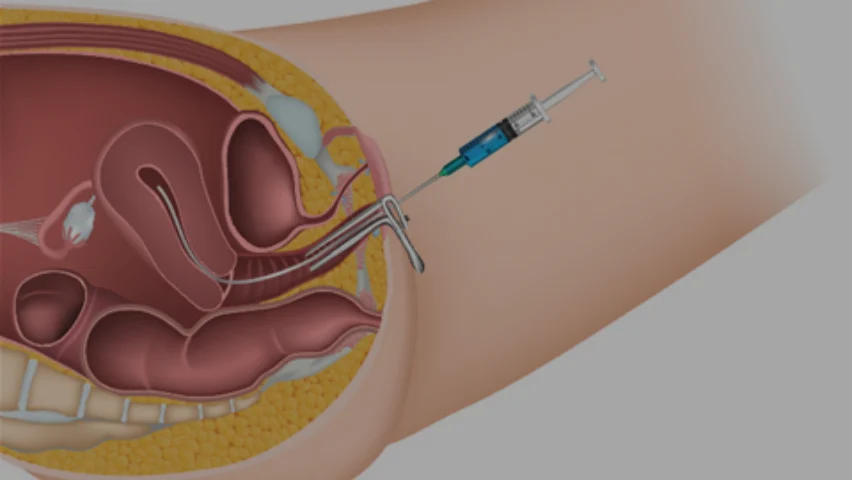
    Illustration of intrauterine insemination (IUI) procedure with syringe and catheter in the uterus.

    Fertility Tracking 101: Understanding the Basics of Devices and Traditional Methods

    3. Fertility Tracking Apps

    With the rise of technology, fertility tracking apps have become increasingly popular. These apps use data inputted by the user, such as menstrual cycle length, symptoms, and other factors, to determine the most fertile days for conception.

    While these apps can be convenient and provide helpful insights into a woman’s cycle, they should not be relied upon as the sole method of fertility tracking. They can produce inaccurate results if the user does not input data correctly or if the app’s algorithm is flawed.

    Traditional Fertility Tracking Methods

    1. Cervical Mucus Method

    The cervical mucus method involves tracking changes in the consistency and amount of cervical mucus throughout the menstrual cycle. As ovulation approaches, the cervical mucus becomes thinner, clearer, and more slippery, resembling egg whites. This type of mucus helps sperm travel to the egg more easily.

    To use this method, a woman must check her cervical mucus daily and record any changes in consistency and amount. While this method is low-cost and natural, it can be challenging to determine the exact timing of ovulation and may not be suitable for those with irregular cycles.

    2. Calendar Method

    The calendar method, also known as the rhythm method, involves tracking the length of a woman’s menstrual cycle to determine the most fertile days. It is based on the assumption that ovulation occurs 14 days before the start of the next period. This method is best suited for women with regular cycles.

    To use this method, a woman must track her menstrual cycle for several months to determine the average length and then subtract 14 days from the expected start date of her next period to determine her fertile window. While this method is easy and inexpensive, it is not very accurate and may not work for those with irregular cycles.

    3. Symptothermal Method

    The symptothermal method combines the cervical mucus method, BBT tracking, and other fertility signs, such as changes in the cervix’s position and texture. By combining multiple methods, this approach provides a more accurate prediction of ovulation.

    To use this method, a woman must track various fertility signs and record them on a chart. This method requires dedication and consistency but can be highly effective when done correctly.

    In summary, fertility tracking is a beneficial tool for those trying to conceive or avoid pregnancy. There are various devices and traditional methods available, each with its own benefits and limitations. It is essential to understand the basics of the menstrual cycle and how it relates to fertility to effectively use these tracking methods.

  • Enhancing Fertility: How Devices and Traditional Methods Can Help Boost Your Chances

    Blog Post:

    Fertility is a topic that affects millions of people around the world. Whether you are trying to conceive, struggling with infertility, or simply planning for the future, it is important to understand the various ways in which you can enhance your fertility. From devices to traditional methods, there are numerous ways to boost your chances of conceiving and starting or growing your family.

    In this blog post, we will discuss the different ways in which you can enhance your fertility, including the use of modern devices and traditional methods. We will also provide helpful tips and advice on how to make the most out of these methods and increase your chances of conceiving.

    Devices for Enhancing Fertility:

    In recent years, there has been a surge in the development of devices that claim to enhance fertility. These devices range from ovulation trackers and fertility monitors to at-home testing kits and even wearable technology. The main purpose of these devices is to help women track their menstrual cycles, monitor their ovulation, and determine the best time for them to try to conceive.

    One popular device for enhancing fertility is the ovulation tracker. These devices use various methods such as temperature tracking, hormone levels, and cervical mucus analysis to predict ovulation. By knowing the most fertile days of your cycle, you can time intercourse accordingly and increase your chances of conception.

    Fertility monitors are another type of device that has gained popularity in recent years. These devices use advanced technology and algorithms to track multiple fertility signs and provide personalized fertility predictions. Some monitors even come with mobile apps that allow you to track your cycle and receive personalized insights and tips.

    At-home testing kits are also widely used for enhancing fertility. These kits allow women to test their hormone levels at home and determine their most fertile days. They can also be used to track the progress of fertility treatments and monitor hormone levels during pregnancy.

    Wearable technology, such as fertility bracelets, is also gaining popularity among women who are trying to conceive. These devices use sensors to track various fertility signs and provide personalized insights and predictions. They can also be synced with your smartphone to provide real-time data and personalized recommendations.

    Traditional Methods for Enhancing Fertility:

    While modern devices can be helpful in enhancing fertility, there are also traditional methods that have proven to be effective for centuries. These methods may not have the same level of technology, but they have been used by women all over the world to boost their chances of conceiving.

    One of the most common traditional methods for enhancing fertility is tracking your menstrual cycle. By understanding your cycle and knowing when you ovulate, you can time intercourse accordingly and increase your chances of conceiving. This method is simple, free, and has been used for centuries by women to plan or prevent pregnancy.

    Comparison of IUI and IVF with illustrations of each procedure.

    Enhancing Fertility: How Devices and Traditional Methods Can Help Boost Your Chances

    Another traditional method for enhancing fertility is maintaining a healthy lifestyle. This includes eating a well-balanced diet, exercising regularly, and avoiding harmful substances such as tobacco and alcohol. A healthy lifestyle can help regulate your hormones and improve your overall fertility.

    Acupuncture and herbal supplements are also traditional methods that have gained popularity in recent years for enhancing fertility. Acupuncture has been shown to improve blood flow to the reproductive organs and balance hormone levels, while herbal supplements can help regulate menstrual cycles and improve egg quality.

    Tips for Enhancing Fertility:

    In addition to devices and traditional methods, there are also several tips that can help enhance your fertility and increase your chances of conceiving. These include:

    1. Understanding your fertility window: By knowing when you ovulate, you can time intercourse accordingly and increase your chances of conceiving.

    2. Reducing stress: Stress can have a negative impact on your fertility. Find ways to relax and manage stress, such as through meditation, yoga, or talking to a therapist.

    3. Maintaining a healthy weight: Being underweight or overweight can affect your fertility. Aim for a healthy weight by following a balanced diet and exercising regularly.

    4. Avoiding harmful substances: Tobacco, alcohol, and certain medications can have a negative impact on your fertility. Avoid these substances or talk to your doctor about alternatives.

    5. Consulting a fertility specialist: If you have been trying to conceive for over a year (or six months if you are over 35), consider consulting a fertility specialist for personalized advice and treatment options.

    In conclusion, there are various ways in which you can enhance your fertility, from using modern devices to traditional methods and following helpful tips. By understanding your body and taking the necessary steps, you can boost your chances of conceiving and starting or growing your family.

    Summary:

    Enhancing fertility is a common concern for many individuals and couples. From devices such as ovulation trackers and fertility monitors to traditional methods like tracking your menstrual cycle and maintaining a healthy lifestyle, there are numerous ways to increase your chances of conceiving. Other tips such as reducing stress and avoiding harmful substances can also help boost fertility. Ultimately, understanding your body and consulting a fertility specialist if needed can greatly improve your chances of achieving your goal of starting or growing your family.

  • Fertility Tracking Devices vs Traditional Methods: Which is More Convenient?

    Blog Post:

    Fertility tracking is a crucial aspect for many women, whether they are trying to conceive or simply monitoring their reproductive health. In recent years, the market has been flooded with various fertility tracking devices claiming to be more advanced and convenient than traditional methods. With so many options available, it can be overwhelming for women to decide which method is best for them. In this blog post, we will discuss the pros and cons of fertility tracking devices versus traditional methods and determine which one is more convenient.

    Traditional methods of fertility tracking involve monitoring changes in the body such as basal body temperature, cervical mucus, and menstrual cycle. These methods have been used for centuries and are still widely used by women today. On the other hand, fertility tracking devices use technology such as sensors, apps, and algorithms to track and predict a woman’s fertile window. Let’s take a closer look at the convenience of each method.

    Convenience of Traditional Methods:

    One of the biggest advantages of traditional fertility tracking methods is that they are readily available and require no additional cost. Women can use a simple thermometer and chart their basal body temperature, or they can monitor changes in their cervical mucus with no need for fancy gadgets. These methods also rely on understanding and observing one’s body, which can help women become more in tune with their menstrual cycle and overall reproductive health.

    However, traditional methods do have their limitations. They require consistency and accuracy in tracking, which can be challenging for some women. For example, measuring basal body temperature requires waking up at the same time every day, and any slight deviation can affect the accuracy of the results. Similarly, monitoring cervical mucus can be subjective and may not be as accurate as other methods.

    Convenience of Fertility Tracking Devices:

    Fertility tracking devices have gained popularity in recent years due to their promises of accuracy and convenience. These devices use technology to track and analyze various factors such as basal body temperature, hormone levels, and heart rate to predict a woman’s fertile window. They also come with user-friendly apps that provide detailed insights into one’s fertility and menstrual cycle.

    diagram of a uterus with a syringe for intrauterine insemination procedure

    Fertility Tracking Devices vs Traditional Methods: Which is More Convenient?

    One of the main advantages of fertility tracking devices is their ability to automate the tracking process. Women no longer have to wake up at the same time every day or monitor their cervical mucus. The devices do the work for them and provide accurate results. Another convenience factor is the portability of these devices. They can easily fit into a pocket or purse, making it easier for women to track their fertility on the go.

    However, fertility tracking devices do have some drawbacks. The initial cost of these devices can be high, and some may require a monthly subscription fee for the app. Moreover, these devices rely heavily on technology, which means they can malfunction or provide inaccurate results. This can be frustrating and may lead to unnecessary stress for women trying to conceive.

    Which is More Convenient?

    When it comes to convenience, it ultimately depends on the individual woman’s preferences and needs. For some women, traditional methods may be more convenient as they are easily accessible and do not require any additional cost. They also allow women to become more in tune with their bodies, which can be empowering.

    On the other hand, fertility tracking devices offer a level of convenience that traditional methods cannot match. They automate the tracking process and provide detailed insights that can be helpful for women trying to conceive or monitoring their reproductive health. However, these devices can be costly and may not be suitable for every woman.

    In conclusion, both fertility tracking devices and traditional methods have their pros and cons when it comes to convenience. It is essential for women to assess their needs and preferences and choose the method that works best for them. Some may prefer the simplicity and affordability of traditional methods, while others may opt for the advanced technology and convenience offered by fertility tracking devices. Whichever method a woman chooses, the ultimate goal is to track her fertility accurately and make informed decisions about her reproductive health.

    Summary:

    Fertility tracking is crucial for women trying to conceive or monitoring their reproductive health. Traditional methods involve monitoring changes in the body, while fertility tracking devices use technology to track and predict a woman’s fertile window. Traditional methods are readily available and require no additional cost, but they can be challenging to track accurately. Fertility tracking devices offer convenience with automated tracking and detailed insights, but they can be costly and rely heavily on technology. Ultimately, the choice between the two methods depends on individual preferences and needs.

  • A Closer Look at Fertility Tracking Devices: Do They Really Work?

    Title: A Closer Look at Fertility Tracking Devices: Do They Really Work?

    Fertility is a topic that has gained increased attention in recent years, as more and more people are exploring alternative methods for tracking their fertility and planning or preventing pregnancies. With the rise of technology, there has been an influx of fertility tracking devices on the market, claiming to accurately predict a woman’s fertile window and help couples conceive or avoid pregnancy. But how effective are these devices? Do they really work?

    In this blog post, we will take a closer look at fertility tracking devices, their methods, and their claims to determine if they are truly reliable and effective.

    Understanding Fertility Tracking Devices

    Fertility tracking devices come in various forms, including wearable devices, apps, and at-home kits. These devices use different methods to track a woman’s menstrual cycle and determine her fertile window, which is the time when she is most likely to conceive.

    Some devices use basal body temperature (BBT) tracking, where the user takes their temperature every morning and records it to track hormonal changes throughout their cycle. Others use urine-based tests to detect luteinizing hormone (LH) levels, which indicate ovulation is about to occur. Some devices combine these methods with additional data, such as cervical mucus consistency or period tracking, to provide a more comprehensive picture of a woman’s fertility.

    The Effectiveness of Fertility Tracking Devices

    The accuracy and effectiveness of fertility tracking devices can vary greatly depending on the method used and the quality of the device. Let’s take a closer look at some of the most popular fertility tracking devices and their success rates.

    1. Basal Body Temperature (BBT) Tracking Devices

    BBT tracking devices, such as Ava, Tempdrop, and Daysy, use a wearable device to track a woman’s temperature throughout her cycle. These devices claim to be 90% effective in predicting ovulation, as changes in BBT can indicate when ovulation has occurred.

    However, BBT tracking devices may not be suitable for everyone. Factors such as illness, stress, and irregular sleep patterns can affect a woman’s basal body temperature, leading to inaccurate readings. Additionally, these devices may not provide enough advance notice of ovulation, making it difficult for couples to plan intercourse during the fertile window.

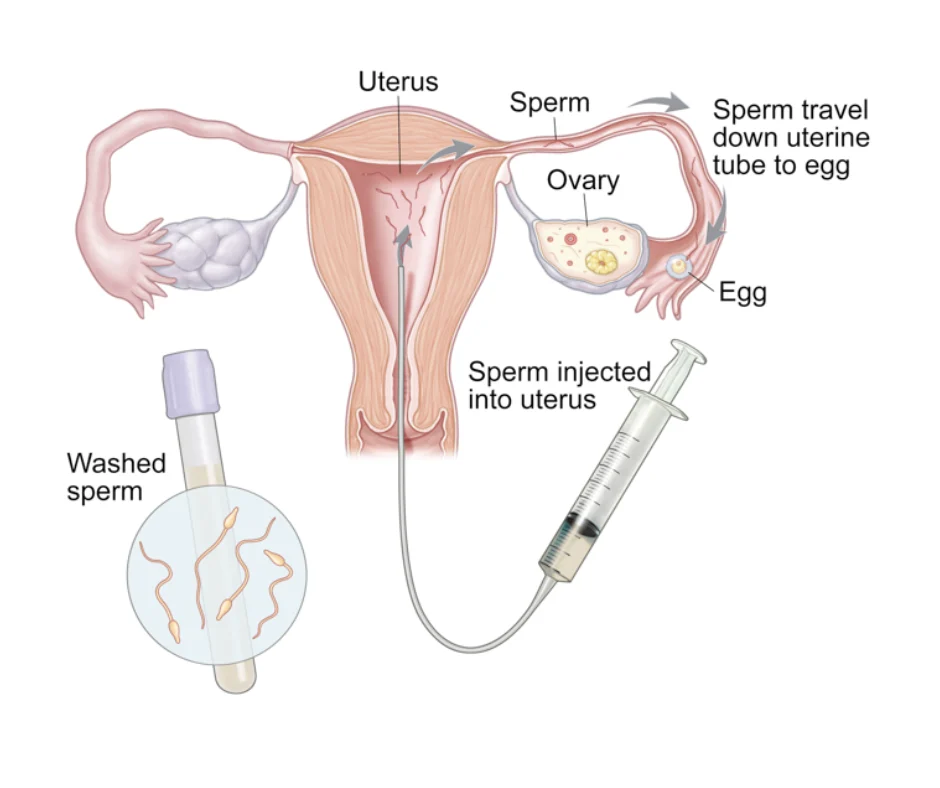
    diagram illustrating intrauterine insemination process, showing sperm injection into the uterus and egg fertilization pathway

    A Closer Look at Fertility Tracking Devices: Do They Really Work?

    2. Urine-Based LH Tracking Devices

    Urine-based LH tracking devices, such as Clearblue Fertility Monitor and OvaCue, use urine tests to detect the surge of LH that occurs before ovulation. These devices claim to be up to 99% accurate in predicting ovulation and are more convenient than BBT tracking as they do not require daily temperature readings.

    However, these devices may also have limitations. They can be expensive, with the need to purchase test strips regularly, and may not be suitable for women with irregular cycles or conditions that can affect LH levels, such as polycystic ovary syndrome (PCOS).

    3. Combination Devices

    Some fertility tracking devices, such as Kindara and Natural Cycles, use a combination of methods, including BBT tracking, LH testing, and other data inputs, to predict a woman’s fertile window. These devices claim to be over 95% effective in preventing pregnancy when used correctly.

    While these devices may provide a more comprehensive approach to tracking fertility, they still have limitations. They may not be suitable for women with highly irregular cycles, and some may require consistent use of additional fertility awareness methods, such as tracking cervical mucus, for accurate results.

    The Importance of Understanding Your Body

    While fertility tracking devices may be helpful in tracking your cycle and identifying your fertile window, they should not be relied upon as the sole method of contraception or conception. It is essential to understand your body and the various factors that can affect your fertility.

    Factors such as stress, diet, and underlying health conditions can all impact your menstrual cycle and fertility, and it is crucial to consider these factors when using a fertility tracking device. Additionally, these devices do not protect against sexually transmitted infections (STIs), so it is essential to use additional protection if you are not in a monogamous relationship.

    Conclusion

    Fertility tracking devices can be helpful tools for understanding your menstrual cycle and identifying your fertile window. However, they may not be 100% reliable and should not be used as the only method of contraception or conception. It is crucial to understand your body and the various factors that can affect your fertility to make informed decisions about your reproductive health.

    In summary, fertility tracking devices can be effective in predicting ovulation and helping couples conceive or avoid pregnancy. However, they may have limitations and should be used in conjunction with other methods of fertility awareness and protection. Understanding your body and its unique patterns is key to effectively using a fertility tracking device and making informed decisions about your reproductive health.

  • Navigating Fertility: Choosing Between Devices and Traditional Methods

    Navigating Fertility: Choosing Between Devices and Traditional Methods

    Fertility is a deeply personal topic for many individuals and couples. Whether someone is trying to conceive or trying to prevent pregnancy, the decision of which method to use can be overwhelming. With the advancement of technology, there are now a plethora of devices and traditional methods available to aid in fertility management. In this blog post, we will explore the different options for navigating fertility and help you determine which method may be the best fit for you.

    Traditional Methods

    Traditional methods of fertility management have been used for centuries and rely on tracking a person’s menstrual cycle to determine when they are most fertile. These methods include tracking basal body temperature, monitoring cervical mucus, and using the calendar method. While these methods are natural and free, they require diligence and accuracy in tracking and can be less effective for individuals with irregular cycles.

    Basal body temperature (BBT) tracking involves taking your temperature every morning before getting out of bed. This method relies on the fact that a person’s body temperature rises slightly after ovulation, indicating that they are fertile. While this method is easy to do, it can be affected by factors such as illness, lack of sleep, or alcohol consumption, which can alter body temperature.

    Cervical mucus monitoring involves tracking changes in the texture and consistency of cervical mucus throughout the menstrual cycle. As a person gets closer to ovulation, their cervical mucus becomes thinner and more stretchy, similar to egg whites. This method requires the person to check their mucus daily and can be affected by factors such as medications, sexual activity, and vaginal infections.

    The calendar method, also known as the rhythm method, involves tracking the length of a person’s menstrual cycle to determine when they are most likely to be fertile. This method relies on the assumption that ovulation occurs around day 14 of a typical 28-day cycle. However, this method can be unreliable for individuals with irregular periods or those who have recently stopped using hormonal birth control.

    Devices

    With the advancement of technology, there are now several devices available for tracking fertility. These devices use various methods, such as tracking hormones or monitoring body temperature, to determine a person’s fertile window.

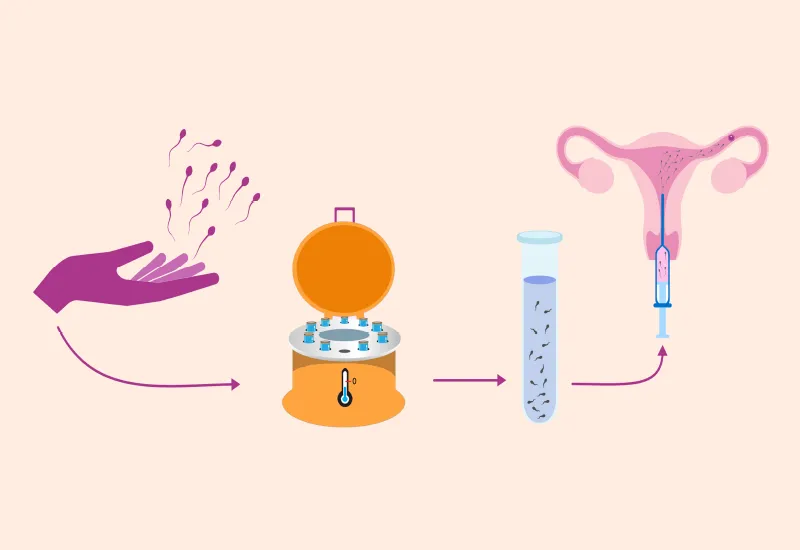
    illustration of the IUI process, showing sperm collection, preparation, and insertion into the uterus

    Navigating Fertility: Choosing Between Devices and Traditional Methods

    One popular device is the fertility tracker, which uses a combination of BBT tracking, cervical mucus monitoring, and calendar tracking to provide a more accurate prediction of ovulation. These devices often come with a corresponding app that allows the user to input their data and receive personalized fertility predictions.

    Another popular device is the ovulation predictor kit (OPK), which measures the levels of luteinizing hormone (LH) in a person’s urine. A surge in LH indicates that ovulation is about to occur, making it the best time to try to conceive. OPKs can be used alone or in combination with BBT tracking to confirm ovulation.

    For individuals trying to prevent pregnancy, there are also fertility devices that use hormone tracking to determine when it is safe to have unprotected sex. These devices, such as the contraceptive bracelet, monitor hormone levels in the body to predict when a person is most fertile and when they are not.

    Which Method is Best?

    The decision of which fertility method to use ultimately depends on personal preference and lifestyle. Traditional methods may be a good fit for individuals who are comfortable with tracking their cycles and have regular periods. These methods are also free and do not require any devices or technology.

    On the other hand, devices may be a better option for individuals who prefer a more accurate and convenient method. These devices often come with apps that make tracking and predicting fertility easier and more personalized. However, they can be more expensive and may require a learning curve to understand how to use them effectively.

    It’s also important to consider the effectiveness of each method. According to a study published by the National Institutes of Health, fertility awareness-based methods have a failure rate of 24%. This means that for every 100 couples using these methods, 24 will experience an unintended pregnancy within the first year of use. On the other hand, devices such as fertility trackers and OPKs have a failure rate of less than 10%, making them more effective in preventing or achieving pregnancy.

    In addition to effectiveness, it’s crucial to think about the potential risks and side effects associated with each method. Traditional methods are natural and have no side effects, but they require a high level of diligence and accuracy. Devices, on the other hand, may have side effects such as skin irritation from wearing the device or false predictions due to user error.

    Summary

    When it comes to navigating fertility, there are many factors to consider, including personal preferences, effectiveness, and potential risks and side effects. Traditional methods such as BBT tracking and calendar methods are natural and free but require diligence and accuracy. Devices, such as fertility trackers and ovulation predictor kits, offer more convenience and accuracy but come with a higher cost. Ultimately, it’s important to choose a method that fits your lifestyle and goals for family planning.