Tag: considerations

  • Intrauterine Insemination vs Donor Insemination: A Physician’s Perspective

    Intrauterine Insemination vs Donor Insemination: A Physician’s Perspective

    For couples struggling with fertility, there are various options available to help them conceive. Two of the most common methods are intrauterine insemination (IUI) and donor insemination (DI). As a physician, it is important to understand the differences between these two procedures and to guide patients in making an informed decision. In this blog post, we will discuss the similarities and differences between IUI and DI, their success rates, and potential considerations for patients.

    Understanding Intrauterine Insemination (IUI)

    Intrauterine insemination (IUI) is a fertility treatment that involves placing sperm directly into the uterus during the woman’s ovulation. This procedure is often recommended for couples facing male factor infertility, unexplained infertility, or cervical factor infertility. It may also be recommended for same-sex couples or single women who desire to use donor sperm to conceive.

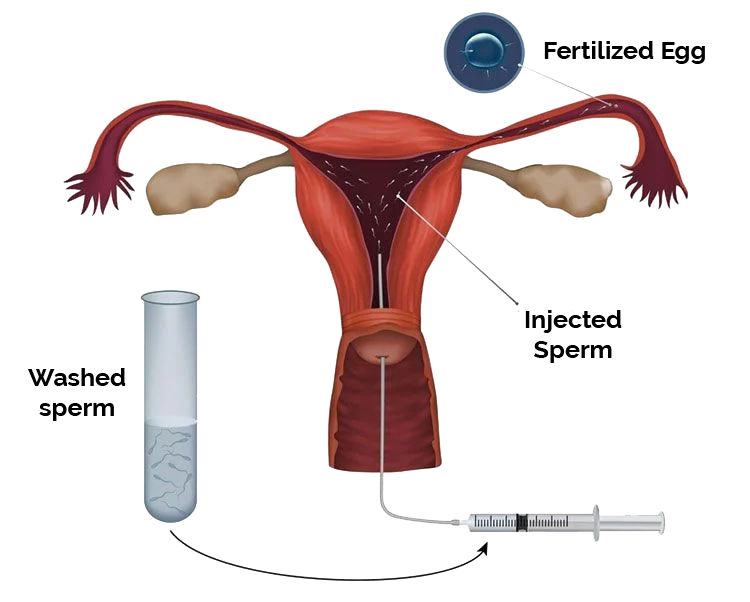
    The IUI process starts with semen collection from either the male partner or a sperm donor. The semen is then washed and prepared in the laboratory to separate the sperm from the seminal fluid. This process helps to remove any potential irritants in the semen and concentrate the sperm, increasing the chances of fertilization. During the procedure, a thin catheter is inserted through the cervix and into the uterus, where the washed sperm is injected. This process bypasses any potential barriers that may prevent sperm from reaching the egg, increasing the chances of fertilization.

    Understanding Donor Insemination (DI)

    Donor insemination (DI) is a fertility treatment that involves using sperm from a donor to achieve pregnancy. This procedure is often recommended for couples facing severe male factor infertility, same-sex couples, or single women. It may also be recommended for couples who have a history of recurrent pregnancy loss or genetic disorders and wish to avoid passing it on to their child.
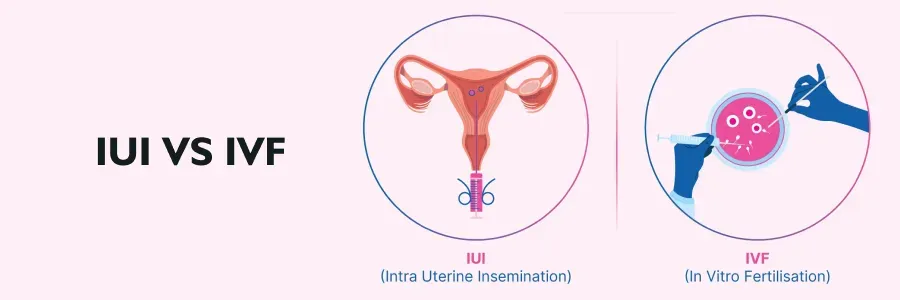
    Comparison of IUI and IVF with illustrations of each procedure.

    Intrauterine Insemination vs Donor Insemination: A Physician's Perspective

    The DI process starts with selecting a sperm donor from a sperm bank based on desired characteristics, such as physical appearance, education, and medical history. Before the sperm is used, it undergoes extensive testing to rule out any genetic or infectious diseases. The sperm is then thawed and prepared for insemination, similar to the IUI process. The procedure is the same as IUI, with the difference being the source of the sperm.

    Success Rates

    When it comes to success rates, both IUI and DI have similar rates of success. According to the American Pregnancy Association, the success rate for IUI ranges from 10-20% per cycle, while the success rate for DI ranges from 15-20% per cycle. However, the success rates may vary depending on factors such as age, cause of infertility, and overall health of the couple.

    Considerations for Patients

    When considering IUI or DI, there are various factors that patients should take into account. Firstly, IUI is a less invasive procedure compared to DI, as it involves using the male partner’s sperm. This may be a more comfortable option for some couples. However, for couples facing severe male factor infertility, DI may be the only viable option.

    Another consideration is the cost. IUI is generally less expensive than DI, as it does not involve purchasing donor sperm. However, for couples who require multiple cycles of IUI, the cost may add up. On the other hand, DI may have a higher upfront cost, but it may result in pregnancy sooner.

    Genetic considerations are also important. With DI, couples have the option to choose a sperm donor with desired genetic traits and undergo extensive testing to ensure a healthy pregnancy. However, with IUI, there is a chance of passing on any genetic disorders or diseases from the male partner’s sperm.

    In summary, both IUI and DI are viable options for couples struggling with fertility. As a physician, it is important to consider each couple’s unique situation and guide them towards the best option for their specific needs. The success rates for both procedures are similar, and factors such as cost, invasiveness, and genetic considerations should be taken into account when making a decision.
  • Exploring the Differences: Intrauterine Insemination vs Donor Insemination

    Exploring the Differences: Intrauterine Insemination vs Donor Insemination

    In today’s world, there are various options available for couples who are struggling with fertility and trying to conceive. Two popular methods that are often used are intrauterine insemination (IUI) and donor insemination (DI). Both of these methods involve assisted reproductive technology, but they differ in their approach and process. In this blog post, we will explore the differences between IUI and DI, including their procedures, success rates, and considerations for couples.

    What is Intrauterine Insemination?

    Intrauterine insemination, also known as artificial insemination, is a fertility treatment that involves placing sperm directly into a woman’s uterus to increase the chances of fertilization. This procedure can be done with the partner’s sperm or donor sperm.

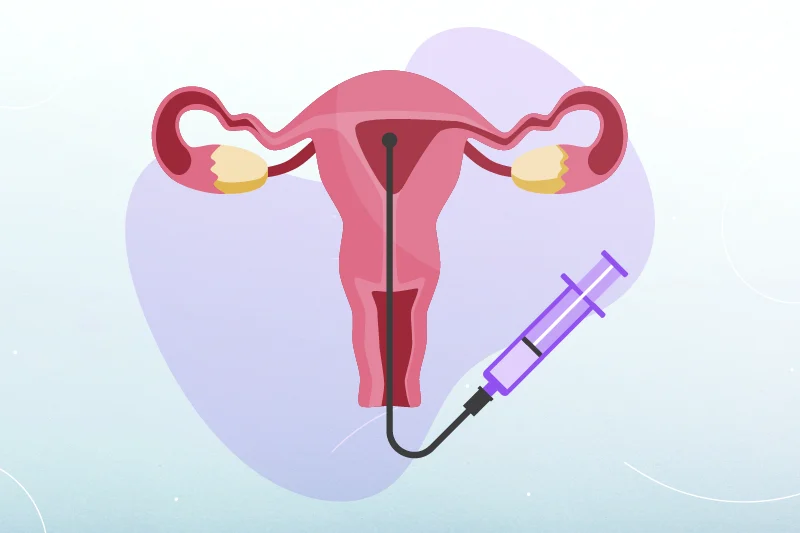
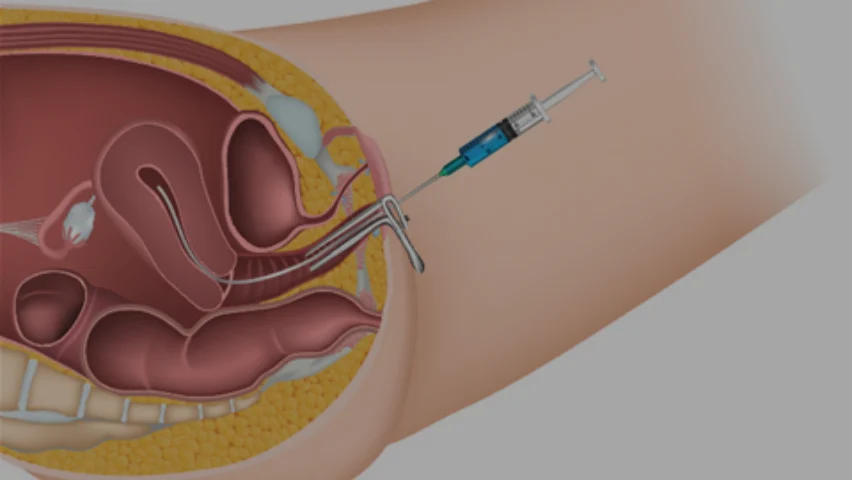
    The IUI process begins with the woman taking fertility medications to stimulate her ovaries to produce multiple eggs. The doctor will then monitor the woman’s ovulation cycle and determine the best time for the IUI procedure. On the day of the procedure, the sperm is collected and washed to remove any potential impurities. Then, a thin, flexible catheter is inserted into the woman’s cervix and the prepared sperm is injected into the uterus. The woman may experience some discomfort during the procedure, but it is usually quick and relatively painless.

    What is Donor Insemination?

    Donor insemination, also known as donor sperm insemination, is a method of fertility treatment where donor sperm is used to fertilize a woman’s egg. This method is often used for single women, same-sex couples, or heterosexual couples with male infertility. The donor sperm can be obtained from a sperm bank, or the couple can use a known donor.

    The process of donor insemination is similar to IUI, except for the source of the sperm. The woman may still need to take fertility medications to stimulate ovulation, and the sperm is inserted into the uterus using a catheter. However, the success rate of donor insemination may be slightly lower than IUI because the sperm has to travel a longer distance to reach the egg.

    Illustration of the uterus with a syringe, depicting the intrauterine insemination procedure.

    Exploring the Differences: Intrauterine Insemination vs Donor Insemination

    Success Rates of IUI and DI

    The success rates of both IUI and DI vary and depend on various factors such as the woman’s age, overall health, and the cause of infertility. According to the American Pregnancy Association, the success rate for IUI is around 10-20% per cycle, while the success rate for DI can range from 10-30% per cycle.

    It is essential to note that the success rates of both methods can increase with multiple cycles. On average, it is recommended to undergo 3-6 cycles of IUI or DI before considering other fertility treatments.

    Considerations for Couples

    When deciding between IUI and DI, there are several factors that couples should consider. One crucial factor is the cause of infertility. For couples with male infertility issues, IUI may be a suitable option as it involves the partner’s sperm. On the other hand, couples with female infertility issues may benefit from DI as it bypasses any potential issues with the woman’s reproductive system.

    Another consideration is the cost. IUI tends to be less expensive than DI as it does not involve sperm donation. However, the cost of both methods can vary depending on the clinic and any additional treatments or medications needed.

    Couples should also consider the emotional and legal implications of both methods. With IUI, the child will be biologically related to both parents, while DI may involve a known or anonymous donor. It is crucial for couples to discuss their feelings and concerns with each other and their healthcare provider before deciding on a fertility treatment.

    In conclusion, both IUI and DI are viable options for couples struggling with fertility. They differ in their process, success rates, and considerations, and it is essential for couples to weigh these factors carefully before choosing a method that is best for them. Working closely with a healthcare provider and being open and honest with each other can help couples make an informed decision and increase their chances of a successful pregnancy.

  • At-Home Insemination for Same-Sex Couples: Tips and Considerations

    Blog Post Summary:

    At-home insemination is a popular option for same-sex couples who want to start a family. This method involves using a syringe or a specially designed device to deposit semen directly into the vagina, cervix, or uterus. While it may seem simple, there are several important factors that same-sex couples should consider before attempting at-home insemination. In this blog post, we will discuss the tips and considerations that can help same-sex couples successfully navigate the process and increase their chances of conception.

    Firstly, it is crucial for same-sex couples to understand the legal implications of at-home insemination. In many countries, the donor may have legal rights and responsibilities towards the child, regardless of whether they are the biological parent. It is essential to consult with a lawyer and have a clear agreement in place to protect all parties involved.

    The next consideration is choosing a donor. Many same-sex couples choose to use a known donor, such as a friend or family member. However, it is crucial to consider the emotional and legal implications of this decision. If a known donor is not an option, there are sperm banks and online donor registries available. It is essential to thoroughly research and screen potential donors to ensure their health and medical history align with your preferences.

    Timing is also crucial when it comes to at-home insemination. Unlike traditional conception, where intercourse can happen anytime during the woman’s cycle, at-home insemination requires more precise timing. It is recommended to track ovulation using methods such as ovulation predictor kits or basal body temperature charting. This will help determine the best time for insemination and increase the chances of conception.

    Illustration of intrauterine insemination (IUI) procedure with syringe and catheter in the uterus.

    At-Home Insemination for Same-Sex Couples: Tips and Considerations

    Preparing for the insemination process is also essential. Couples should ensure a clean and comfortable environment, gather all necessary supplies, and have a plan in place in case of any unexpected circumstances. It is also advisable to have a backup plan in case the first attempt is unsuccessful.

    When it comes to the actual insemination process, there are a few techniques that can increase the chances of success. One is to use a soft-cup, which is inserted into the vagina after insemination and helps keep semen close to the cervix. Another technique is to elevate the hips or use a pillow to tilt the pelvis upward, allowing gravity to assist the sperm in reaching the egg.

    After insemination, it is crucial to remain calm and relaxed. Stress and anxiety can hinder conception, so it is essential to practice self-care and relaxation techniques. It is also essential to have realistic expectations and understand that it may take multiple attempts before achieving pregnancy.

    Finally, it is crucial to have open and honest communication with your partner throughout the entire process. At-home insemination can be emotionally and physically challenging, so having a supportive and understanding partner can make a significant difference.

    In summary, at-home insemination is a viable option for same-sex couples looking to start a family. However, it is essential to consider the legal implications, choose a donor carefully, track ovulation, prepare adequately, use recommended techniques, and prioritize self-care and communication with your partner. With these tips and considerations in mind, same-sex couples can increase their chances of a successful at-home insemination and achieve their dream of starting a family.

  • Donor Insemination vs Partner Insemination: A Medical Perspective

    Donor Insemination vs Partner Insemination: A Medical Perspective

    When it comes to starting a family, there are various options available for couples and individuals who are unable to conceive naturally. Two popular methods of assisted reproduction are donor insemination (DI) and partner insemination (PI). Both methods involve the use of donor sperm, but there are some key differences that individuals should know before deciding which option is best for them. In this blog post, we will explore the medical perspective of both donor insemination and partner insemination, including the process, success rates, and potential risks.

    Donor Insemination (DI)

    Donor insemination, also known as artificial insemination, is a process where donor sperm is used to fertilize a woman’s egg. This method is commonly used by single women, same-sex couples, and heterosexual couples where the male partner has fertility issues. The process involves the insertion of donor sperm into the woman’s reproductive tract, either through the cervix or directly into the uterus. This can be done through intrauterine insemination (IUI) or intra-cervical insemination (ICI).

    One of the main advantages of DI is that it allows individuals to have a child without a male partner. It also provides options for individuals with certain medical conditions or genetic disorders that may make it difficult to conceive naturally. Additionally, DI is a relatively simple and less invasive procedure compared to other assisted reproductive techniques.

    Partner Insemination (PI)

    Partner insemination, also known as at-home insemination, is a process where a known or anonymous donor provides sperm for insemination at home. This method is commonly used by lesbian couples or single women who want to involve a known donor, such as a friend or family member, in the conception process. Unlike DI, PI does not involve a medical professional and can be done in the comfort of one’s own home.

    One of the main advantages of PI is the involvement of a known donor, which can provide a sense of connection and involvement in the child’s life. It also allows individuals to have more control over the insemination process, as they can choose when and where to inseminate. However, it is important to note that PI is not legal in all countries and may not be covered by insurance.

    diagram of the female reproductive system with an IUI syringe and test tube for artificial insemination

    Donor Insemination vs Partner Insemination: A Medical Perspective

    Success Rates

    The success rates of both DI and PI can vary depending on various factors, such as the age and health of the woman, the quality of the sperm, and the timing of insemination. According to the American Society for Reproductive Medicine, the success rate for DI ranges from 10-20% per cycle, while the success rate for PI is estimated to be around 5-15% per cycle. This is due to the fact that DI involves a medical professional who can monitor the ovulation cycle and ensure that the sperm is placed in the optimal location for fertilization.

    Risks and Considerations

    Like any medical procedure, both DI and PI carry some risks that individuals should be aware of before making a decision. DI may involve some mild discomfort or cramping during the insemination process, and there is a small risk of infection. Additionally, there may be psychological and emotional considerations for individuals and couples using donor sperm, including questions about the child’s genetic background and potential feelings of loss or lack of connection to the child.

    On the other hand, PI may carry a higher risk of infection if proper hygiene and sterilization procedures are not followed. There is also a risk of legal and emotional complications if the known donor is involved in the child’s life. It is important for individuals to thoroughly discuss and plan for these potential risks and considerations with their healthcare provider before proceeding with either DI or PI.

    In conclusion, both donor insemination and partner insemination are viable options for individuals and couples looking to start a family. The choice ultimately depends on personal preferences, medical considerations, and legal regulations. It is important to consult with a medical professional and carefully weigh the pros and cons of each method before making a decision.

    Summary:

    Donor insemination (DI) and partner insemination (PI) are two methods of assisted reproduction that involve the use of donor sperm. DI is a medical procedure that involves the insertion of donor sperm into a woman’s reproductive tract, while PI is an at-home insemination process using a known or anonymous donor. DI offers higher success rates, while PI allows for more control and involvement of a known donor. Both methods have potential risks and considerations that individuals should discuss with a healthcare provider before making a decision. Ultimately, the choice between DI and PI depends on personal preferences, medical considerations, and legal regulations.