Intrauterine Insemination vs Donor Insemination: A Physician’s Perspective
For couples struggling with fertility, there are various options available to help them conceive. Two of the most common methods are intrauterine insemination (IUI) and donor insemination (DI). As a physician, it is important to understand the differences between these two procedures and to guide patients in making an informed decision. In this blog post, we will discuss the similarities and differences between IUI and DI, their success rates, and potential considerations for patients.
Understanding Intrauterine Insemination (IUI)
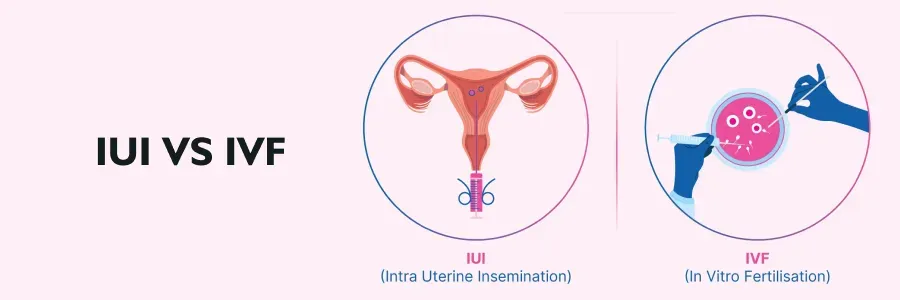
Intrauterine insemination (IUI) is a fertility treatment that involves placing sperm directly into the uterus during the woman’s ovulation. This procedure is often recommended for couples facing male factor infertility, unexplained infertility, or cervical factor infertility. It may also be recommended for same-sex couples or single women who desire to use donor sperm to conceive.
The IUI process starts with semen collection from either the male partner or a sperm donor. The semen is then washed and prepared in the laboratory to separate the sperm from the seminal fluid. This process helps to remove any potential irritants in the semen and concentrate the sperm, increasing the chances of fertilization. During the procedure, a thin catheter is inserted through the cervix and into the uterus, where the washed sperm is injected. This process bypasses any potential barriers that may prevent sperm from reaching the egg, increasing the chances of fertilization.
Understanding Donor Insemination (DI)
Donor insemination (DI) is a fertility treatment that involves using sperm from a donor to achieve pregnancy. This procedure is often recommended for couples facing severe male factor infertility, same-sex couples, or single women. It may also be recommended for couples who have a history of recurrent pregnancy loss or genetic disorders and wish to avoid passing it on to their child.
Intrauterine Insemination vs Donor Insemination: A Physician's Perspective
The DI process starts with selecting a sperm donor from a sperm bank based on desired characteristics, such as physical appearance, education, and medical history. Before the sperm is used, it undergoes extensive testing to rule out any genetic or infectious diseases. The sperm is then thawed and prepared for insemination, similar to the IUI process. The procedure is the same as IUI, with the difference being the source of the sperm.
Success Rates
When it comes to success rates, both IUI and DI have similar rates of success. According to the American Pregnancy Association, the success rate for IUI ranges from 10-20% per cycle, while the success rate for DI ranges from 15-20% per cycle. However, the success rates may vary depending on factors such as age, cause of infertility, and overall health of the couple.
Considerations for Patients
When considering IUI or DI, there are various factors that patients should take into account. Firstly, IUI is a less invasive procedure compared to DI, as it involves using the male partner’s sperm. This may be a more comfortable option for some couples. However, for couples facing severe male factor infertility, DI may be the only viable option.
Another consideration is the cost. IUI is generally less expensive than DI, as it does not involve purchasing donor sperm. However, for couples who require multiple cycles of IUI, the cost may add up. On the other hand, DI may have a higher upfront cost, but it may result in pregnancy sooner.
Genetic considerations are also important. With DI, couples have the option to choose a sperm donor with desired genetic traits and undergo extensive testing to ensure a healthy pregnancy. However, with IUI, there is a chance of passing on any genetic disorders or diseases from the male partner’s sperm.
In summary, both IUI and DI are viable options for couples struggling with fertility. As a physician, it is important to consider each couple’s unique situation and guide them towards the best option for their specific needs. The success rates for both procedures are similar, and factors such as cost, invasiveness, and genetic considerations should be taken into account when making a decision.