Tag: Consent

  • The Legal Implications of Home Insemination: Protecting Your Family’s Future

    Blog Post:

    In recent years, more and more couples and individuals are turning to home insemination as a way to start or expand their families. With advances in technology and the increasing acceptance of non-traditional families, home insemination has become a popular option for those who may not be able to conceive through traditional methods. However, with this rise in popularity comes legal implications that must be considered to protect the future of your family. In this blog post, we will discuss the legal implications of home insemination and how you can ensure that your family’s future is legally protected.

    What is home insemination?

    Home insemination, also known as self-insemination, is the process of using a donor’s sperm to conceive a child without the assistance of a medical professional. This can be done through various methods, such as using a syringe or a special kit that facilitates the process. The donor can be a known or anonymous individual, and the insemination can take place in the comfort and privacy of your own home.

    Legal implications of home insemination:

    1. Parental rights and responsibilities:

    One of the most important legal implications of home insemination is determining the parental rights and responsibilities of all parties involved. In traditional conception, the biological father is automatically considered the legal father of the child. However, in cases of home insemination, the legal status of the donor may not be as clear. In some states, the donor may be considered the legal father unless a written agreement stating otherwise is in place. This can lead to potential custody and child support issues in the future.

    To avoid any confusion or legal battles, it is crucial to have a written agreement in place before the insemination takes place. This agreement should clearly state the intentions of all parties involved, including the donor’s relinquishment of parental rights and responsibilities.

    2. Legal parentage:

    In addition to determining parental rights and responsibilities, home insemination also raises questions about legal parentage. In cases where a same-sex couple is using a donor’s sperm, the non-biological parent may not have legal parentage without a second-parent adoption or a court order. This can have serious implications in terms of custody, inheritance, and decision-making for the child.

    To protect the legal parentage of the non-biological parent, it is important to consult with a family law attorney and complete the necessary legal steps, such as a second-parent adoption or a court order, to establish legal parentage.
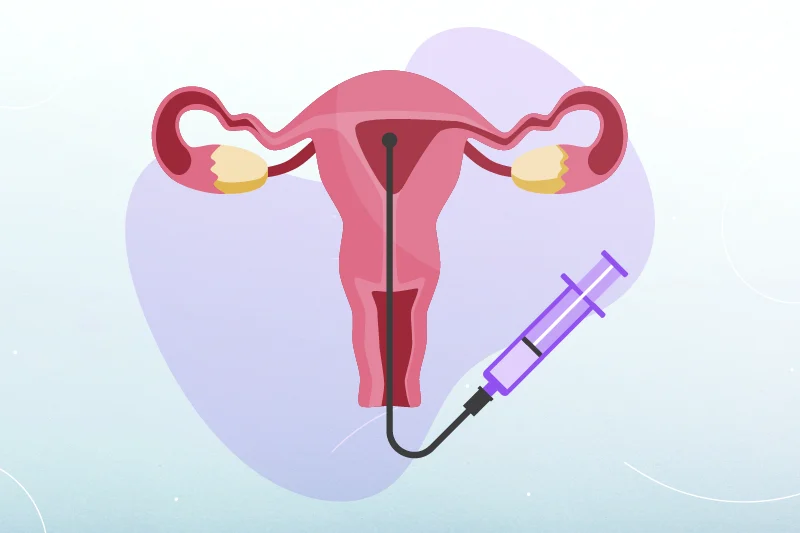
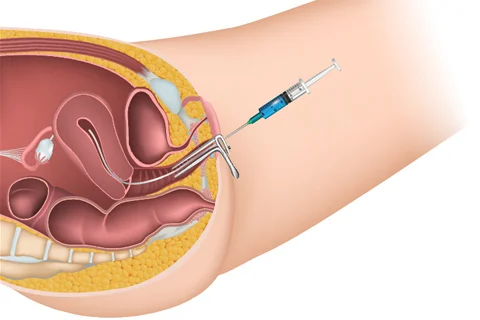
    Illustration of the uterus with a syringe, depicting the intrauterine insemination procedure.

    The Legal Implications of Home Insemination: Protecting Your Family's Future

    3. Medical and genetic history:

    When using a known donor for home insemination, it is essential to consider the medical and genetic history of the donor. In traditional conception through a medical professional, the donor’s medical and genetic history is thoroughly screened. However, in home insemination, this responsibility falls on the individuals involved.

    To protect the future health of your child, it is crucial to have the donor undergo medical and genetic testing before the insemination takes place. This can help identify any potential health risks for the child and ensure that the donor does not carry any hereditary conditions that could affect the child.

    4. Consent and documentation:

    Consent and documentation are critical in any legal matter, and home insemination is no exception. It is essential to have written consent from all parties involved, including the donor and the non-biological parent, if applicable. This will help protect all parties in case of any legal disputes in the future.

    In addition to consent, it is also crucial to keep thorough documentation of the entire process, including any medical or genetic testing, the insemination process, and the written agreement. This documentation can serve as evidence in case of any legal issues that may arise.

    Protecting your family’s future:

    To ensure that your family’s future is legally protected, it is crucial to consult with a family law attorney who has experience in handling home insemination cases. They can provide guidance and assist in creating a comprehensive legal agreement that outlines all parties’ rights and responsibilities. Additionally, they can help navigate the legal process of establishing legal parentage and securing the non-biological parent’s rights.

    In conclusion, home insemination can be a beautiful and rewarding way to start or expand your family. However, it is essential to consider the legal implications and take the necessary steps to protect your family’s future. By consulting with a family law attorney and having a well-documented and legally binding agreement in place, you can ensure that your family is legally protected.

    Summary:

    Home insemination is a popular option for couples and individuals who want to start or expand their families. However, this process comes with legal implications that must be considered to protect the future of your family. These include determining parental rights and responsibilities, legal parentage, medical and genetic history, and the importance of consent and documentation. To protect your family’s future, it is crucial to consult with a family law attorney and have a comprehensive legal agreement in place.
  • The Legalities of Home Insemination: Understanding the Role of Donor Contracts

    Summary:

    Home insemination, also known as self-insemination, is a method of assisted reproduction where a person or couple uses donor sperm to achieve pregnancy without the involvement of a medical professional. While this option may be more affordable and convenient than traditional assisted reproduction methods, it is important to understand the legal aspects involved in home insemination. One crucial aspect to consider is the use of donor contracts, which outline the rights and responsibilities of all parties involved in the process. In this blog post, we will explore the legalities of home insemination and the role of donor contracts in ensuring a smooth and legally sound process.

    The Legalities of Home Insemination:

    Before engaging in home insemination, it is important to understand the legalities surrounding this method of assisted reproduction. While laws and regulations may vary from country to country, there are some general legal considerations to keep in mind.

    1. Parental Rights:
    One of the main legal concerns in home insemination is the parental rights of the sperm donor. In most cases, the sperm donor is not considered the legal parent of the child, as they are not biologically related to the child and have no intention of raising the child. However, laws regarding parental rights may differ depending on the jurisdiction. It is important to consult with a legal professional to understand the specific laws and regulations in your area.

    2. Consent:
    Another crucial aspect of home insemination is obtaining consent from all parties involved. This includes the sperm donor, the recipient(s), and any potential co-parent(s). A donor contract can help ensure that all parties have given their informed consent and have a clear understanding of their rights and responsibilities.

    3. Legal Parentage:
    In some cases, a donor contract may not be enough to establish legal parentage. If the insemination is not carried out in a licensed clinic, the recipient(s) may need to go through a legal process to establish parentage. This is especially important for same-sex couples, as the non-biological parent may not have automatic legal rights to the child.

    4. Child Support:
    Another important consideration is the issue of child support. In some jurisdictions, the sperm donor may be held financially responsible for the child, regardless of the terms outlined in the donor contract. It is important to consult with a legal professional to understand the laws and regulations regarding child support in your area.

    illustration of intrauterine insemination procedure with a syringe and catheter in the uterus.

    The Legalities of Home Insemination: Understanding the Role of Donor Contracts

    Understanding Donor Contracts:

    A donor contract is a legal document that outlines the rights and responsibilities of all parties involved in the home insemination process. While it is not a legally binding document, it serves as a written agreement that can be used as a reference in case of any disputes or legal issues. Here are some key elements to consider when drafting a donor contract:

    1. Identification:
    The donor contract should clearly identify all parties involved, including the sperm donor, the recipient(s), and any potential co-parent(s). It should also include the date and location of the insemination.

    2. Rights and Responsibilities:
    The contract should outline the rights and responsibilities of all parties involved. This may include the sperm donor’s right to have a relationship with the child, the recipient(s)’s responsibility to provide updates on the child’s well-being, and any financial arrangements made between the parties.

    3. Health and Medical Considerations:
    The donor contract should also address any health or medical concerns, such as the donor’s medical history and any potential risks or complications associated with the insemination.

    4. Termination of Agreement:
    It is important to include a clause in the donor contract that outlines the circumstances under which the agreement may be terminated. This could include the donor’s withdrawal of consent, the recipient(s)’s decision to no longer use the donor’s sperm, or any legal issues that may arise.

    5. Legal Advice:
    It is highly recommended to seek legal advice when drafting a donor contract. A legal professional can ensure that the contract is legally sound and addresses all potential issues that may arise.

    In conclusion, home insemination can be a viable option for individuals or couples hoping to start a family. However, it is crucial to understand the legalities involved and to take the necessary precautions to ensure a smooth and legally sound process. Donor contracts play a crucial role in this process, as they outline the rights and responsibilities of all parties involved and can serve as a reference in case of any disputes or legal issues.

  • Home Insemination vs Clinical Insemination: Legal Challenges for Single Parents

    Home Insemination vs Clinical Insemination: Legal Challenges for Single Parents

    For many single parents, the journey to parenthood can be a long and difficult one. While some may choose to adopt or use alternative methods such as surrogacy, others may opt for insemination as a way to have a biological child. However, for single parents who choose to use insemination, there are two options to consider: home insemination and clinical insemination. Each option comes with its own set of challenges, particularly when it comes to the legal aspect. In this blog post, we will explore the legal challenges that single parents face when choosing between home insemination and clinical insemination.

    Home insemination, also known as self-insemination, involves the use of sperm from a known or unknown donor, which is then inserted into the woman’s reproductive tract without medical assistance. This method is often preferred by single women who want to have a child without the involvement of a partner. Unlike clinical insemination, which requires the involvement of a medical professional, home insemination can be done in the comfort of one’s own home.

    One of the main legal challenges for single parents who choose home insemination is the issue of parentage. In many countries, the law dictates that the donor of the sperm is not considered the legal father of the child, and therefore has no rights or responsibilities towards the child. This can be a major concern for single parents, as they may worry about the donor coming forward in the future and claiming parental rights. To avoid this, it is important for single parents to have a written agreement with the donor, clearly stating that they will have no parental rights or responsibilities towards the child. However, even with a written agreement in place, there is still a risk of the donor changing their mind in the future.

    Another legal challenge for single parents who choose home insemination is the issue of consent. In most countries, medical procedures such as insemination require the consent of both parents. However, in the case of home insemination, there is no medical professional involved, and therefore no official consent form. This can be problematic if the donor or the parent who is not genetically related to the child decides to contest the parentage of the child in the future. In some cases, this can lead to a lengthy and expensive legal battle.

    On the other hand, clinical insemination involves the use of donor sperm that has been screened and processed by a medical professional. This method is often preferred by single women who want to ensure the safety and legality of the process. However, even with clinical insemination, single parents may still face legal challenges.

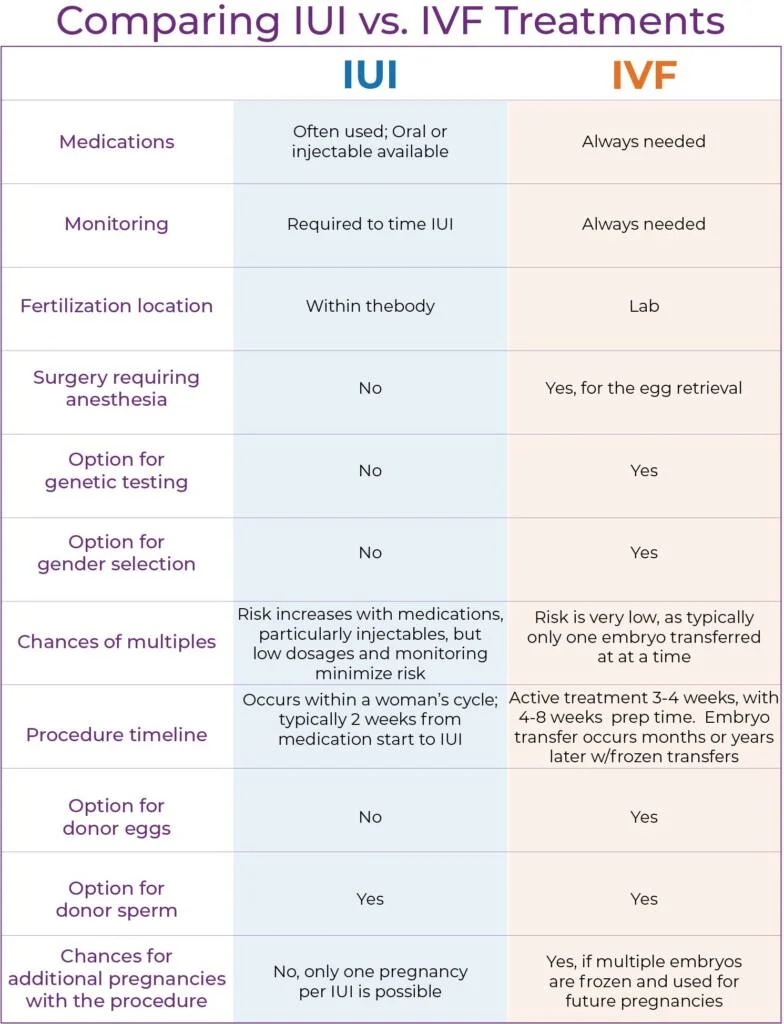
    Comparison chart of IUI and IVF treatments, detailing medications, monitoring, procedures, and success rates.

    Home Insemination vs Clinical Insemination: Legal Challenges for Single Parents

    One of the main legal challenges for single parents who choose clinical insemination is the issue of donor anonymity. In many countries, sperm donors are required to be anonymous, meaning that their identity cannot be revealed to the child. This can be problematic for single parents who want their child to have the option of knowing their biological father in the future. Additionally, if the donor is not anonymous, there may be legal implications for both the donor and the single parent, as the donor could potentially be held liable for child support.

    Another legal challenge for single parents who choose clinical insemination is the issue of consent. While the medical consent form may cover the legal aspect of the donor’s involvement, it may not address the issue of parentage. In some cases, the donor may still be considered the legal father of the child, even if the medical consent form states otherwise. This can lead to complications in terms of parental rights and responsibilities.

    In addition to the legal challenges mentioned above, single parents who choose clinical insemination may also face financial challenges. The cost of clinical insemination can be quite expensive, especially if multiple insemination attempts are needed. This can be a barrier for single parents who may not have the financial means to pursue this option.

    In conclusion, both home insemination and clinical insemination come with their own set of legal challenges for single parents. While home insemination may be a more affordable and convenient option, it also comes with a higher risk of legal complications. On the other hand, clinical insemination may provide a safer and more regulated process, but it can also be costly and may not guarantee complete legal protection. It is important for single parents to carefully consider their options and seek legal advice before making a decision.

    Summary:

    Single parents who choose insemination as a way to have a child face legal challenges, particularly when deciding between home insemination and clinical insemination. Home insemination, which involves the use of donor sperm without medical assistance, raises concerns about parentage and consent. Clinical insemination, which involves the use of screened and processed donor sperm, may still present issues of donor anonymity and consent. Both options come with financial challenges as well. It is important for single parents to carefully consider their options and seek legal advice before proceeding.

  • The Importance of Consent in At-Home and Clinical Insemination

    Blog Post Title: The Importance of Consent in At-Home and Clinical Insemination

    Consent is a crucial aspect of any medical procedure, including insemination. Insemination, also known as artificial insemination, is the process of introducing sperm into a female’s reproductive tract to achieve pregnancy. It can be done at home or in a clinical setting, but regardless of the location, consent plays a vital role in the process. In this blog post, we will discuss the importance of consent in both at-home and clinical insemination and why it should never be overlooked.

    At-Home Insemination and Consent

    At-home insemination is becoming increasingly popular, especially among same-sex couples and single individuals. It involves using a donor’s sperm, either from a known or anonymous source, to achieve pregnancy. While at-home insemination may seem like a simple and convenient option, it is essential to ensure that all parties involved have given their consent.

    First and foremost, the donor must give their consent to provide their sperm for insemination. This consent should be given in writing and should state the specific terms and conditions of the donation. It should also include information on the legal rights and responsibilities of the donor in regards to the child that may be conceived from their sperm.

    The recipient of the sperm must also give their consent for the insemination to take place. This includes understanding the potential risks and complications that may arise from the procedure and being fully informed about the donor’s medical history. Consent should also be given regarding the use of any fertility medications or procedures that may be involved in the insemination process.

    In at-home insemination, it is also crucial to involve a legal professional to draft a contract between the donor and the recipient. This contract should outline the rights and responsibilities of both parties and address any potential issues that may arise in the future regarding the child’s custody and support.

    Clinical Insemination and Consent

    Clinical insemination, also known as intrauterine insemination (IUI), is a more complex process that involves using a medical professional to introduce the sperm directly into the uterus. While it is often perceived as a more reliable option, it is still essential to obtain consent from all parties involved.

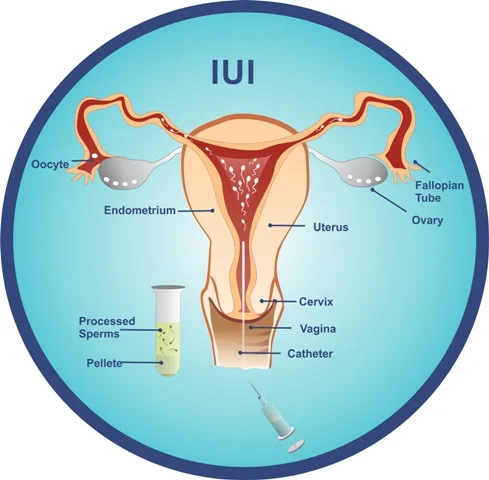
    diagram illustrating intrauterine insemination (IUI) with labeled reproductive anatomy and procedures

    The Importance of Consent in At-Home and Clinical Insemination

    The donor’s consent is still required in clinical insemination, and it should be given in writing as well. In a clinical setting, the donor’s sperm is usually screened and tested for any potential health issues. However, it is crucial to ensure that the donor is fully aware of the process and has given their consent for their sperm to be used in the insemination procedure.

    The recipient’s consent is also vital in clinical insemination, and it should be given after a thorough discussion with the medical professional. The recipient must be informed of any potential risks and complications associated with the procedure and provide their consent for the use of any fertility treatments that may be involved.

    In clinical insemination, the medical professional also plays a crucial role in obtaining consent. They must ensure that both the donor and recipient have given their informed consent and that all parties understand the potential outcomes of the procedure.

    The Importance of Consent in Insemination

    Consent is essential in insemination for several reasons. Firstly, it ensures that all parties involved are fully aware of the process and have given their approval for it to take place. It also protects the rights and responsibilities of both the donor and recipient and helps to avoid any potential legal issues in the future.

    Consent is also crucial in maintaining a respectful and ethical approach to insemination. It ensures that the donor’s wishes and intentions are taken into consideration and that the recipient is fully informed about the potential outcomes of the procedure. This helps to avoid any misunderstandings or conflicts that may arise in the future.

    In at-home insemination, consent also plays a crucial role in protecting the child’s rights. With a legally binding contract in place, the child’s well-being and best interests are prioritized, and any potential issues regarding custody and support can be addressed.

    In clinical insemination, consent is essential in maintaining a professional and ethical relationship between the medical professional and the donor and recipient. It helps to establish trust and ensures that all parties are working together towards a common goal.

    In conclusion, consent is a vital aspect of both at-home and clinical insemination. It ensures that all parties involved are fully aware of the process and have given their approval for it to take place. It also protects the rights and responsibilities of both the donor and recipient and helps to maintain a respectful and ethical approach to insemination. If you are considering insemination, it is crucial to seek legal and medical advice to ensure that all parties involved have given their informed consent.

  • Intrauterine Insemination vs Sperm Washing: Exploring the Legalities

    Intrauterine insemination (IUI) and sperm washing are two common fertility treatments used to help couples or individuals conceive a child. Both procedures involve the insertion of sperm into the woman’s uterus, but they differ in the preparation and legalities surrounding them. In this blog post, we will explore the differences between IUI and sperm washing, specifically focusing on the legalities surrounding these procedures.

    Intrauterine insemination, also known as artificial insemination, is a procedure where washed and concentrated sperm is placed directly into the uterus during the woman’s ovulation cycle. This increases the chances of fertilization by bringing the sperm closer to the egg. IUI is a relatively simple and non-invasive procedure, making it a popular choice for couples struggling with infertility.

    On the other hand, sperm washing involves the separation of sperm from the seminal fluid and the removal of any potential infectious agents. The washed sperm is then used for intrauterine insemination or in vitro fertilization (IVF) procedures. This process reduces the risk of transmitting infectious diseases from the male partner to the female partner or potential offspring.

    One of the main differences between IUI and sperm washing is the legalities surrounding these procedures. Intrauterine insemination is a widely accepted and legally recognized fertility treatment, while sperm washing is a newer and more controversial procedure.

    In most countries, IUI is legal and regulated by laws and guidelines set by medical boards and government agencies. However, sperm washing is not yet widely accepted and is often considered a gray area in terms of legality. This is because the procedure is relatively new and there is limited research on the potential risks and long-term effects.

    One major legal consideration for both IUI and sperm washing is the consent of all parties involved. In IUI, the male partner must give consent for his sperm to be used for the procedure, and the female partner must give consent for the insertion of the sperm into her uterus. In some cases, a donor may also be involved, and their consent is also required.

    doctor discussing treatment with a patient in a medical office, featuring an ultrasound machine in the background

    Intrauterine Insemination vs Sperm Washing: Exploring the Legalities

    In sperm washing, the male partner must give consent for his sperm to be used for the procedure, and the female partner must give consent for the procedure to be done. In cases where a donor sperm is used, the donor’s consent is also required. However, there may be additional legal considerations in cases of sperm washing, as the procedure may involve the use of donor sperm, which can raise issues of parental rights and responsibilities.

    Another important legal consideration is the screening of donors for infectious diseases. In both IUI and sperm washing, donors must undergo thorough screening for any potential infectious diseases, such as HIV, hepatitis, and genetic disorders. This is to ensure the safety of the mother and potential offspring. However, in cases of sperm washing, there may be stricter regulations and guidelines for donor screening due to the potential risks involved.

    Furthermore, the legalities surrounding sperm washing may also vary depending on the country or state. In some places, the procedure may be completely banned, while in others, it may be allowed with strict regulations and guidelines. It is important for individuals or couples considering sperm washing to research and understand the legalities in their specific location.

    In terms of cost, IUI is generally more affordable than sperm washing. This is because sperm washing involves additional steps and procedures, such as the separation and screening of sperm, which can add to the overall cost. In some cases, insurance may cover the cost of IUI, but may not cover sperm washing due to its controversial nature.

    In summary, while both IUI and sperm washing involve the insertion of sperm into the uterus, they differ in their preparation and legalities. Intrauterine insemination is a widely accepted and legally recognized procedure, while sperm washing is a newer and more controversial procedure with varying legalities depending on location. Both procedures require the consent of all parties involved and thorough screening for potential infectious diseases. However, sperm washing may involve stricter regulations and be more expensive than IUI.

    In conclusion, for individuals or couples considering fertility treatments, it is important to thoroughly research and understand the legalities surrounding IUI and sperm washing. Consulting with a medical professional and seeking legal advice can help navigate any legal concerns and ensure a safe and successful fertility journey.

  • Egg Retrieval vs Egg Sharing: The Importance of Consent

    Blog Post:

    Egg retrieval and egg sharing are two commonly used techniques in assisted reproductive technology (ART) that have helped countless individuals and couples achieve their dream of having a child. While both methods involve the harvesting of a woman’s eggs, there are significant differences between the two, especially when it comes to the issue of consent.

    Egg retrieval, also known as oocyte retrieval, is a process where a woman’s eggs are retrieved from her ovaries, typically through a minimally invasive surgical procedure called transvaginal ultrasound aspiration. These eggs are then fertilized in a laboratory with sperm, and the resulting embryos are transferred into the woman’s uterus or frozen for future use. This procedure is commonly used in in-vitro fertilization (IVF) treatments, where the woman’s own eggs are used for fertilization.

    On the other hand, egg sharing is a process where a woman donates some of her eggs to another woman, usually a stranger, who is unable to produce her own eggs. The donor and recipient go through a screening process, and if they are deemed suitable, the donor’s eggs are retrieved and fertilized with the recipient’s partner’s sperm. The resulting embryos are then transferred into the recipient’s uterus or frozen for later use.

    While both egg retrieval and egg sharing can be life-changing for those undergoing fertility treatments, the issue of consent is of utmost importance. Consent is the act of giving permission or agreement to something, and in the context of ART, it refers to the donor’s or recipient’s informed and voluntary decision to undergo the procedure.

    success rate of IUI in India with a graphic of a uterus and syringe alongside a rising graph

    Egg Retrieval vs Egg Sharing: The Importance of Consent

    In egg retrieval, the woman is the sole decision-maker and gives consent for the procedure. She undergoes extensive counseling and screening to ensure that she fully understands the process and its potential risks. She also has the right to change her mind at any point before the procedure.

    However, in egg sharing, the issue of consent becomes more complex as it involves two individuals – the donor and the recipient. While the donor gives her consent to donate her eggs, the recipient also needs to give her consent to receive the eggs. In most cases, this consent is given before the donor’s eggs are retrieved, which means the donor’s eggs are harvested based on the recipient’s consent. This raises ethical concerns as the donor’s eggs are being used for the recipient’s benefit, and the donor may feel pressured to give her consent, especially if she is being compensated.

    Another important aspect of consent in egg sharing is the legal and financial implications for both the donor and recipient. The donor may have to undergo medical procedures and take medications that may have side effects, and she may also be required to disclose personal information and undergo psychological evaluations. The recipient, on the other hand, may have to bear the financial costs of the procedure and may also face legal issues if any disputes arise in the future regarding the child’s parentage.

    Moreover, there is also the issue of informed consent, which means that both the donor and recipient should be fully informed about the procedure and its potential risks and consequences. In egg sharing, the recipient may not be aware of the donor’s medical history or the number of eggs being retrieved, which can have implications for the success of the procedure and the health of the resulting child.

    In conclusion, while egg retrieval and egg sharing are both effective methods of assisted reproduction, the issue of consent is of utmost importance, especially in egg sharing. Both the donor and recipient should be fully informed and give their voluntary and informed consent for the procedure to ensure the safety and well-being of all parties involved.

    In summary, egg retrieval and egg sharing are two techniques used in assisted reproductive technology to help individuals and couples achieve their dream of having a child. Consent is crucial in both methods, but it becomes more complex in egg sharing, where the donor and recipient both need to give their informed and voluntary consent. The issue of consent should be carefully considered and addressed to ensure the well-being and rights of all parties involved.

  • The Importance of Consent: Donor Insemination vs Partner Insemination

    The Importance of Consent: Donor Insemination vs Partner Insemination

    Consent is a crucial aspect of any medical procedure, especially when it involves reproductive health. In the world of assisted reproduction, there are two main methods for achieving pregnancy – donor insemination and partner insemination. While both methods have their own benefits and challenges, one of the key differences between the two is the issue of consent. In this blog post, we will delve into the importance of consent in the context of donor insemination and partner insemination.

    Donor Insemination:

    Donor insemination, also known as donor sperm insemination, is a method of assisted reproduction where sperm from a donor is used to fertilize the egg of the intended parent or recipient. This method is often used by same-sex female couples, single women, and heterosexual couples with male infertility issues. In this process, the donor’s sperm is either purchased from a sperm bank or obtained from a known donor.

    Consent is a critical aspect of donor insemination, as it involves the use of genetic material from a third party. In most cases, the donor is anonymous and has no legal rights or responsibilities towards the child. However, there are instances where known donors are involved, and in such cases, it is crucial to have clear and documented consent from all parties involved.

    The donor’s consent is essential as it ensures that they are willing to participate in the process and understand the implications of their decision. It also protects them from any legal or financial responsibilities towards the child in the future. The recipient’s consent is equally important as it ensures that they are fully aware of the donor’s identity and have agreed to use their sperm for the purpose of insemination.

    Partner Insemination:

    Partner insemination, also known as artificial insemination by husband (AIH), is a method of assisted reproduction where the sperm of the intended parent is used to fertilize the egg of their partner. This method is commonly used by heterosexual couples, where the male partner has fertility issues, or by same-sex male couples using a surrogate.

    illustration of a uterus with a syringe for intrauterine insemination (IUI) procedure

    The Importance of Consent: Donor Insemination vs Partner Insemination

    Unlike donor insemination, partner insemination involves using genetic material from one of the intended parents, eliminating the need for donor consent. However, this method still requires the consent of both partners. In cases where the male partner has fertility issues, it is essential to have a thorough discussion and understanding of the process, including the procedures, risks, and potential outcomes.

    Consent in partner insemination also extends beyond the medical procedure itself. It involves the decision to have a child and the responsibilities and commitments that come with it. Couples must have open and honest communication about their desires and expectations for parenthood before proceeding with partner insemination.

    The Importance of Consent:

    In both donor insemination and partner insemination, consent is vital for ethical and legal reasons. It ensures that all parties involved are fully aware and agree to the process, eliminating the risk of any misunderstandings or disagreements in the future. It also protects the rights and responsibilities of the donor, recipient, and any potential child.

    Furthermore, consent in assisted reproduction also extends to the use of embryos and the creation of a family. In cases where embryos are created through in vitro fertilization, it is essential to have clear consent from both partners on how to proceed with any unused embryos in the event of a separation or death. This ensures that everyone involved is on the same page and that the best interests of the child are considered.

    In addition, consent is crucial in protecting the emotional and psychological well-being of all parties involved. The decision to have a child through assisted reproduction is a significant one, and it is essential for all individuals to be fully informed and comfortable with the process.

    Final Thoughts:

    In conclusion, consent is a critical aspect of both donor insemination and partner insemination. It ensures that all parties involved are fully aware, willing, and legally protected in the process of creating a family. Therefore, it is essential to have open and honest communication and to document consent thoroughly, regardless of which method of assisted reproduction is being used.

    SEO metadata:

  • The Role of Consent and Boundaries in Co-Parenting and Sperm Donation Agreements

    Co-parenting and sperm donation agreements have become increasingly common in today’s society, as more individuals and couples choose to start families through non-traditional means. These agreements involve two parties coming together to establish a parental relationship and outline the terms of their co-parenting or sperm donation arrangement. However, such agreements are not without their complexities and potential challenges. One of the key considerations in these agreements is the role of consent and boundaries, which are essential for ensuring a healthy and successful co-parenting or sperm donation relationship. In this blog post, we will explore the importance of consent and boundaries in co-parenting and sperm donation agreements, and how they can contribute to a positive and harmonious family dynamic.

    First and foremost, it is crucial to define what we mean by consent and boundaries in the context of co-parenting and sperm donation agreements. Consent refers to the voluntary and informed agreement of all parties involved in the arrangement. This means that all parties must fully understand and agree to the terms and conditions of the agreement, without any coercion or pressure. Boundaries, on the other hand, refer to the limits and expectations that each party has regarding their involvement in the co-parenting or sperm donation process. These boundaries can include but are not limited to, financial arrangements, visitation schedules, and decision-making processes regarding the child’s upbringing.

    One of the main reasons why consent and boundaries are crucial in co-parenting and sperm donation agreements is that they help to establish clear communication and expectations between the parties involved. Without consent, there is a risk of misunderstandings and conflicts arising later on in the co-parenting or sperm donation relationship. Boundaries also play a vital role in establishing expectations and avoiding potential disagreements, as each party knows their role and responsibilities in the arrangement.

    In co-parenting agreements, consent and boundaries are particularly essential as the parties involved are not in a romantic relationship. This means that there may be less emotional investment or shared history between the co-parents, making it even more crucial to have clear boundaries and consent in place. Without these agreements, conflicts and misunderstandings can arise, which can have a negative impact on the child’s well-being and the co-parenting relationship as a whole.

    Similarly, in sperm donation agreements, consent and boundaries are critical for establishing a healthy and respectful relationship between the donor and the intended parent(s). The donor must fully understand their role and responsibilities in the child’s life, and the intended parent(s) must respect the donor’s boundaries and decisions regarding their involvement in the child’s upbringing. Without these agreements, there is a risk of the donor feeling pressured or obligated to participate in the child’s life beyond their initial agreement, which can lead to resentment and conflict.

    Comparison chart of IUI and IVF treatments, detailing medications, monitoring, procedures, and success rates.

    The Role of Consent and Boundaries in Co-Parenting and Sperm Donation Agreements

    Another crucial aspect of consent and boundaries in co-parenting and sperm donation agreements is the protection of all parties involved. These agreements should outline the legal rights and responsibilities of each party, ensuring that everyone is protected and has a clear understanding of their role in the child’s life. In co-parenting agreements, this may include financial support, visitation rights, and decision-making processes. In sperm donation agreements, the donor’s legal rights and responsibilities may differ, depending on the specific laws and regulations in the intended parent(s)’ country or state.

    Consent and boundaries also play a significant role in promoting a positive and healthy co-parenting or sperm donation relationship. When all parties have given their informed consent and have clear boundaries in place, there is a higher likelihood of mutual respect and understanding between the co-parents or the donor and intended parent(s). This can lead to a more harmonious family dynamic and a positive upbringing for the child, as all parties are working together towards a common goal.

    However, it is essential to note that consent and boundaries may change over time in co-parenting and sperm donation agreements. As the child grows and circumstances change, the initial agreements may need to be reassessed and amended to better suit the evolving needs of all parties involved. This highlights the importance of ongoing communication and flexibility in these arrangements.

    In conclusion, consent and boundaries are crucial components of co-parenting and sperm donation agreements. They establish clear communication, expectations, and protection for all parties involved, promoting a positive and healthy family dynamic. These agreements may require ongoing communication and amendments as circumstances change, but with consent and boundaries in place, the co-parenting or sperm donation relationship can thrive. It is essential for all parties to carefully consider and discuss these aspects before entering into such agreements, to ensure a successful and fulfilling family dynamic.

    Summary:

    Co-parenting and sperm donation agreements involve two parties coming together to establish a parental relationship and outline the terms of their arrangement. Consent refers to voluntary and informed agreement, while boundaries refer to limits and expectations. Consent and boundaries are crucial for clear communication, establishing expectations, and protecting all parties involved. They also promote a positive and healthy family dynamic. These agreements may require ongoing communication and amendments as circumstances change, but with consent and boundaries in place, the co-parenting or sperm donation relationship can thrive.

  • The Changing Face of Parenthood: Sperm Donation and Co-Parenting in the Digital Age

    Title: The Changing Face of Parenthood: Sperm Donation and Co-Parenting in the Digital Age

    Parenthood has always been a complex and ever-evolving concept, but with the advancements in technology and the rise of the digital age, the landscape of parenthood is changing rapidly. In particular, the practices of sperm donation and co-parenting have seen a significant shift with the help of digital platforms and online communities. In this blog post, we will explore how the digital age has transformed the way people approach parenthood through sperm donation and co-parenting.

    The Evolution of Sperm Donation

    Sperm donation, once a taboo subject, has become more widely accepted and accessible in recent years. With the help of the internet and online sperm banks, individuals and couples looking to start a family can now easily find a suitable donor and order sperm samples from the comfort of their own homes. This shift has opened up a whole new world of possibilities for those struggling with fertility issues or those who choose to have a child without a partner.

    The rise of online sperm banks has also made the process more inclusive and diverse. Donors from different backgrounds, races, and sexual orientations can now make their sperm available for those in need. This has allowed for a more diverse gene pool and has given individuals and couples more options when choosing a donor.

    In addition to online sperm banks, social media has played a significant role in connecting donors with intended parents. Many donors now use social media platforms to share their stories and connect with potential recipients. This has created a more personal and transparent process, as donors can share their backgrounds, medical history, and motivations for donating. It has also allowed for a more direct and open communication between donors and intended parents.

    Co-Parenting in the Digital Age

    Co-parenting, where two or more individuals come together to raise a child without being in a romantic relationship, has also seen a rise in popularity with the help of digital platforms. Online co-parenting websites and apps have made it easier for people to find like-minded individuals who share the same desire to become parents.

    These platforms allow individuals to create profiles, specify their parenting goals, and search for potential co-parents based on various criteria. This has made it possible for people to find a co-parent who shares their values, beliefs, and parenting style, which is crucial in raising a child together.

    Moreover, the digital age has also made it easier for co-parents to communicate and co-parent effectively. With the use of video calls, messaging apps, and shared calendars, co-parents can now easily stay connected and involved in their child’s life, even if they live in different locations. This has greatly improved the co-parenting experience and has made it a more feasible option for many.

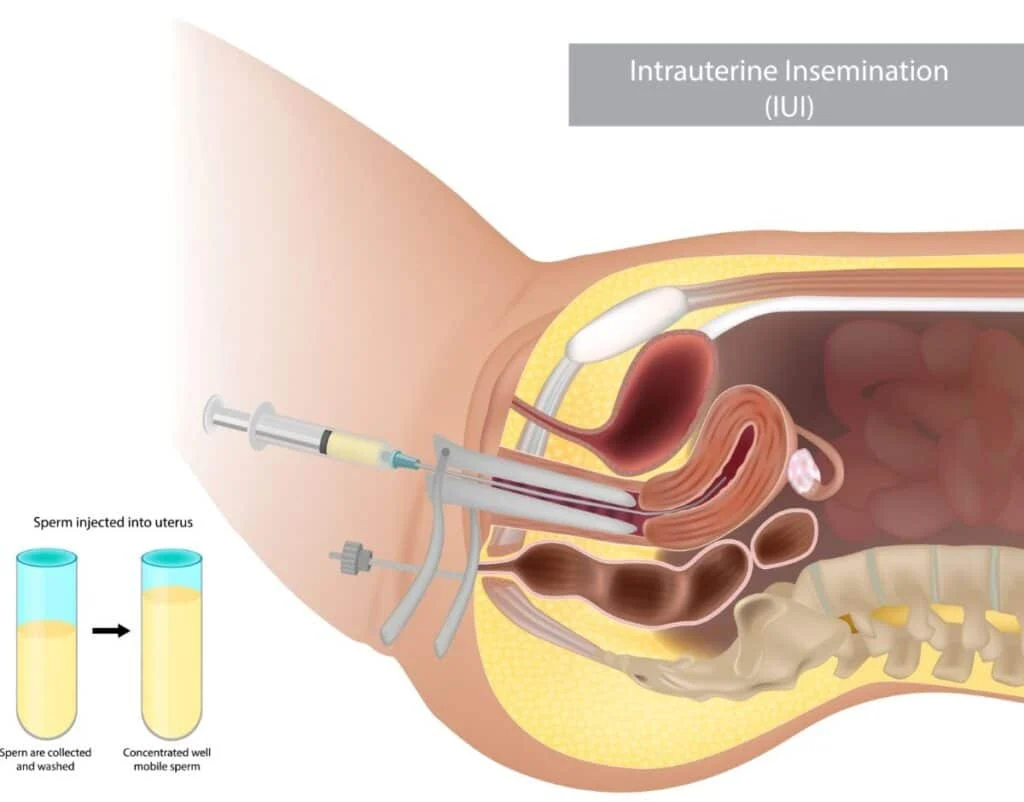
    Diagram illustrating intrauterine insemination (IUI) procedure with sperm injection into the uterus.

    The Changing Face of Parenthood: Sperm Donation and Co-Parenting in the Digital Age

    Legal Implications and Challenges

    While the digital age has made sperm donation and co-parenting more accessible, it has also brought about some legal implications and challenges. With the use of online platforms, the lines between traditional sperm donation and co-parenting have become blurred, leading to potential legal issues for both donors and intended parents.

    In the case of sperm donation, online platforms may not have the necessary regulations and protocols in place to ensure the safety and well-being of both donors and recipients. This can lead to concerns about the anonymity of donors, potential health risks, and legal disputes over parental rights.

    Similarly, with co-parenting, the lack of legal frameworks and agreements can lead to complications in the future. Without proper legal documentation, co-parents may face challenges in terms of custody, financial responsibilities, and decision-making for the child.

    The Importance of Open Communication and Consent

    With the changing landscape of sperm donation and co-parenting, it is more important than ever to have open communication and clear consent between all parties involved. Whether it is between donors and intended parents or co-parents, it is crucial to have honest and transparent conversations about expectations, responsibilities, and boundaries.

    Moreover, it is important to seek legal advice and have proper documentation in place to protect all parties involved. This will help avoid potential legal issues and ensure that everyone’s rights and responsibilities are clearly defined.

    In conclusion, the digital age has brought about significant changes in the world of parenthood, particularly in the practices of sperm donation and co-parenting. While these changes have made it easier for individuals and couples to start a family, it is important to be aware of the potential legal implications and challenges that may arise. By prioritizing open communication and seeking legal guidance, we can navigate the changing face of parenthood in the digital age with more confidence and clarity.

    Summary:

    Parenthood has undergone significant changes in the digital age, particularly in the areas of sperm donation and co-parenting. The rise of online sperm banks and social media has made sperm donation more accessible and diverse, while online platforms have made it easier for individuals to find co-parents with similar values and goals. However, these changes have also brought about legal implications and challenges, making it crucial for open communication and consent to be prioritized. Seeking legal advice and having proper documentation in place can help navigate the changing landscape of parenthood in the digital age.

  • The Legal Side: Understanding the Laws and Regulations of Artificial Insemination and IVF

    Title: The Legal Side: Understanding the Laws and Regulations of Artificial Insemination and IVF

    With advances in technology and medical procedures, more and more couples are turning to artificial insemination and in vitro fertilization (IVF) to start or expand their families. However, with these innovative methods come a host of legal considerations and regulations that must be carefully navigated. In this blog post, we will explore the legal side of artificial insemination and IVF and provide a thorough understanding of the laws and regulations surrounding these procedures.

    What is Artificial Insemination and IVF?
    Artificial insemination is a fertility treatment that involves inserting sperm into a woman’s reproductive system to achieve pregnancy. This can be done through intrauterine insemination (IUI), where sperm is placed directly into the uterus, or through in vitro fertilization (IVF), where eggs and sperm are fertilized outside of the body and then implanted into the uterus.

    IVF, on the other hand, is a more complex procedure that involves retrieving eggs from a woman’s ovaries and fertilizing them with sperm in a laboratory. The resulting embryos are then transferred into the woman’s uterus.

    Legal Considerations for Artificial Insemination and IVF
    The legal considerations for artificial insemination and IVF can vary depending on the specific circumstances and location. However, there are several important laws and regulations that apply to these procedures.

    1. Consent
    One of the most critical legal considerations for artificial insemination and IVF is obtaining proper consent from all parties involved. This includes the donor of the sperm or egg, the recipient, and any surrogate or gestational carrier. Written consent forms are typically required to ensure that all parties understand their rights and responsibilities and have given their informed consent to the procedure.

    2. Parental Rights and Responsibilities
    Another crucial aspect to consider is the parental rights and responsibilities of all parties involved. In cases where a sperm or egg donor is used, it is essential to establish legal parentage to avoid any potential disputes in the future. For example, in cases of donor insemination, the donor is usually not considered the legal parent, and the recipient’s partner or spouse is presumed to be the legal parent.

    3. Medical Malpractice
    As with any medical procedure, there is always the risk of medical malpractice. In the case of artificial insemination and IVF, this can include errors in the handling of sperm or eggs, incorrect procedures, or failure to obtain proper consent. It is crucial to work with a reputable and experienced fertility clinic to minimize these risks.

    4. Gamete and Embryo Ownership
    The ownership of gametes (sperm and eggs) and embryos can also be a complicated legal issue. In cases where a donor is involved, they may have rights to the gametes or embryos. It is important to have clear agreements in place regarding ownership and use of these materials to avoid any legal disputes.

    Comparison of IUI and IVF, illustrating procedures and definitions for each fertility treatment.

    The Legal Side: Understanding the Laws and Regulations of Artificial Insemination and IVF

    5. Surrogacy Laws
    In cases where a surrogate or gestational carrier is used, it is essential to understand the laws and regulations surrounding surrogacy in your state or country. Some jurisdictions have strict regulations on surrogacy, while others may not recognize surrogacy agreements at all. It is crucial to seek legal advice and ensure that all parties involved are protected under the law.

    6. Genetic Testing and Screening
    Genetic testing and screening are also significant legal considerations for artificial insemination and IVF. Some jurisdictions require genetic testing for certain genetic disorders before using donor gametes or embryos. Additionally, some countries have laws prohibiting the use of certain donors based on their genetic makeup.

    7. Insurance Coverage
    The cost of fertility treatments can be high, and insurance coverage can vary significantly. It is crucial to understand what procedures and medications are covered under your insurance plan and what out-of-pocket expenses you may incur. Some states have laws that require insurance companies to cover fertility treatments, while others do not. It is essential to research your insurance coverage and options thoroughly.

    Regulations for Artificial Insemination and IVF
    In addition to the legal considerations, there are also specific regulations that fertility clinics and healthcare providers must follow when performing artificial insemination and IVF procedures.

    1. The Food and Drug Administration (FDA)
    The FDA regulates the use of donor sperm and eggs and requires screening and testing for certain infectious diseases. They also regulate the use of fertility medications and the handling of gametes and embryos.

    2. The American Society for Reproductive Medicine (ASRM)
    The ASRM is a professional organization that provides guidelines and regulations for fertility clinics and healthcare providers. These guidelines cover various aspects of fertility treatments, including donor screening, informed consent, and medical procedures.

    3. State Laws
    State laws can vary significantly when it comes to fertility treatments. Some states have strict regulations on surrogacy, while others have laws regarding the number of embryos that can be transferred during IVF. It is essential to understand the laws and regulations in your state when considering artificial insemination or IVF.

    Conclusion
    Artificial insemination and IVF offer hope for couples struggling with infertility, but it is crucial to understand the legal considerations and regulations surrounding these procedures. Proper consent, parental rights, medical malpractice, gamete and embryo ownership, surrogacy laws, genetic testing, and insurance coverage should all be carefully considered before embarking on fertility treatments. It is also essential to work with a reputable and experienced fertility clinic and seek legal advice to ensure that all parties involved are protected under the law.

    In summary, the legal side of artificial insemination and IVF is complex and requires careful consideration of various laws and regulations. Couples and individuals seeking fertility treatments should thoroughly research and understand the legal and regulatory landscape to make informed decisions and protect their rights and interests.