The Importance of Consent: Donor Insemination vs Partner Insemination
Consent is a crucial aspect of any medical procedure, especially when it involves reproductive health. In the world of assisted reproduction, there are two main methods for achieving pregnancy – donor insemination and partner insemination. While both methods have their own benefits and challenges, one of the key differences between the two is the issue of consent. In this blog post, we will delve into the importance of consent in the context of donor insemination and partner insemination.
Donor Insemination:
Donor insemination, also known as donor sperm insemination, is a method of assisted reproduction where sperm from a donor is used to fertilize the egg of the intended parent or recipient. This method is often used by same-sex female couples, single women, and heterosexual couples with male infertility issues. In this process, the donor’s sperm is either purchased from a sperm bank or obtained from a known donor.
Consent is a critical aspect of donor insemination, as it involves the use of genetic material from a third party. In most cases, the donor is anonymous and has no legal rights or responsibilities towards the child. However, there are instances where known donors are involved, and in such cases, it is crucial to have clear and documented consent from all parties involved.
The donor’s consent is essential as it ensures that they are willing to participate in the process and understand the implications of their decision. It also protects them from any legal or financial responsibilities towards the child in the future. The recipient’s consent is equally important as it ensures that they are fully aware of the donor’s identity and have agreed to use their sperm for the purpose of insemination.
Partner Insemination:
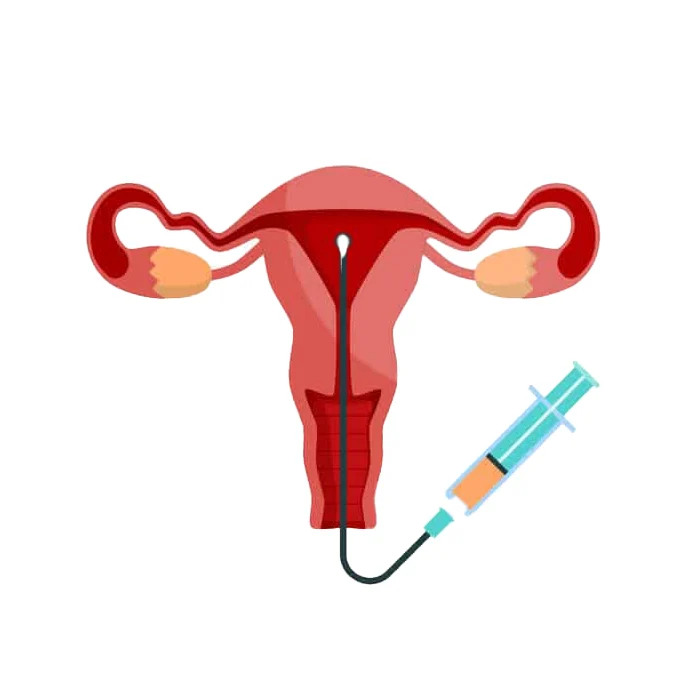
Partner insemination, also known as artificial insemination by husband (AIH), is a method of assisted reproduction where the sperm of the intended parent is used to fertilize the egg of their partner. This method is commonly used by heterosexual couples, where the male partner has fertility issues, or by same-sex male couples using a surrogate.
The Importance of Consent: Donor Insemination vs Partner Insemination
Unlike donor insemination, partner insemination involves using genetic material from one of the intended parents, eliminating the need for donor consent. However, this method still requires the consent of both partners. In cases where the male partner has fertility issues, it is essential to have a thorough discussion and understanding of the process, including the procedures, risks, and potential outcomes.
Consent in partner insemination also extends beyond the medical procedure itself. It involves the decision to have a child and the responsibilities and commitments that come with it. Couples must have open and honest communication about their desires and expectations for parenthood before proceeding with partner insemination.
The Importance of Consent:
In both donor insemination and partner insemination, consent is vital for ethical and legal reasons. It ensures that all parties involved are fully aware and agree to the process, eliminating the risk of any misunderstandings or disagreements in the future. It also protects the rights and responsibilities of the donor, recipient, and any potential child.
Furthermore, consent in assisted reproduction also extends to the use of embryos and the creation of a family. In cases where embryos are created through in vitro fertilization, it is essential to have clear consent from both partners on how to proceed with any unused embryos in the event of a separation or death. This ensures that everyone involved is on the same page and that the best interests of the child are considered.
In addition, consent is crucial in protecting the emotional and psychological well-being of all parties involved. The decision to have a child through assisted reproduction is a significant one, and it is essential for all individuals to be fully informed and comfortable with the process.
Final Thoughts:
In conclusion, consent is a critical aspect of both donor insemination and partner insemination. It ensures that all parties involved are fully aware, willing, and legally protected in the process of creating a family. Therefore, it is essential to have open and honest communication and to document consent thoroughly, regardless of which method of assisted reproduction is being used.
SEO metadata: