Tag: Alcohol

  • Fertility Nutrition for LGBTQ+ Couples: Tips for Conception and Pregnancy

    Blog Post: Fertility Nutrition for LGBTQ+ Couples: Tips for Conception and Pregnancy

    Fertility and pregnancy are deeply personal and emotional journeys for any couple, but for LGBTQ+ couples, there can be unique challenges and considerations to navigate. However, with the right nutrition and lifestyle choices, these challenges can be overcome and the path to parenthood can be made smoother. In this blog post, we will discuss the importance of nutrition for fertility in LGBTQ+ couples and provide helpful tips for conception and pregnancy.

    The Importance of Nutrition for Fertility

    Nutrition plays a crucial role in fertility for both men and women. A balanced and nutrient-rich diet can improve overall health and increase the chances of conception. For LGBTQ+ couples, this is especially important as they may be using assisted reproductive technologies (ART) such as IVF, which can be physically and emotionally taxing. A healthy diet can support the body during these procedures and increase the chances of success.

    Tips for Fertility Nutrition for LGBTQ+ Couples

    1. Get Enough Nutrients

    A healthy and balanced diet is essential for fertility, as certain nutrients can affect hormone levels and reproductive function. For LGBTQ+ couples, it is important to pay attention to the intake of nutrients that are important for fertility, such as zinc, folate, iron, and omega-3 fatty acids. These can be found in foods like lean meats, seafood, leafy greens, and nuts and seeds.

    2. Consider Supplementation

    Sometimes, it may be difficult to get enough nutrients from diet alone. In such cases, supplementation can be beneficial. For example, folic acid supplements are recommended for women trying to conceive, as it can prevent birth defects in the baby. LGBTQ+ couples may also consider taking a prenatal multivitamin to ensure they are getting all the necessary nutrients for a healthy pregnancy.

    3. Maintain a Healthy Weight

    Both being underweight and overweight can have a negative impact on fertility. For LGBTQ+ couples, this can be particularly challenging as some may be using hormones for fertility treatments. It is important to work with a healthcare provider to maintain a healthy weight and to monitor hormone levels regularly.

    4. Limit Alcohol and Caffeine Intake

    Excessive alcohol and caffeine consumption have been linked to decreased fertility in both men and women. LGBTQ+ couples should limit their intake of these substances to increase their chances of conception. Instead, opt for healthier alternatives like herbal teas and mocktails.

    5. Avoid Smoking and Recreational Drugs

    Smoking and recreational drug use can also decrease fertility and increase the risk of complications during pregnancy. LGBTQ+ couples should refrain from these habits to improve their chances of conception and to ensure a healthy pregnancy.

    6. Consider a Plant-Based Diet
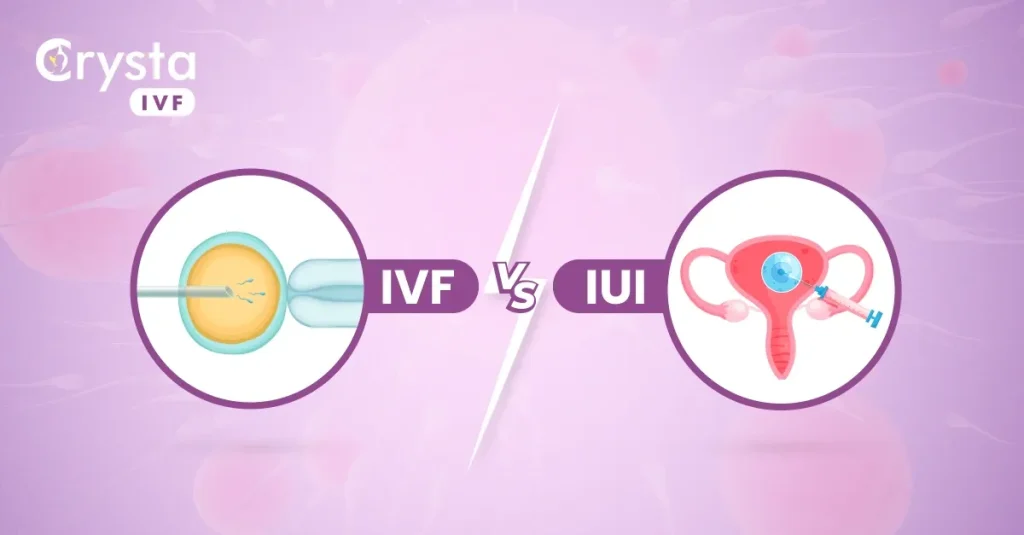
    Comparison of IVF and IUI procedures with illustrations of each method.

    Fertility Nutrition for LGBTQ+ Couples: Tips for Conception and Pregnancy

    Plant-based diets have been associated with improved fertility, as they are high in antioxidants and anti-inflammatory compounds. For LGBTQ+ couples, a plant-based diet can also be a great option as it is inclusive of all dietary restrictions and preferences.

    7. Seek Professional Guidance

    Every individual’s fertility journey is unique, and it is important to seek professional guidance from a healthcare provider or a registered dietitian who specializes in fertility. They can provide personalized advice and create a nutrition plan that meets the specific needs of LGBTQ+ couples.

    Staying Healthy During Pregnancy

    Once conception is achieved, nutrition continues to play a crucial role in maintaining a healthy pregnancy. LGBTQ+ couples may have additional considerations during pregnancy, such as hormone levels and potential complications, but the following tips can help ensure a healthy pregnancy:

    1. Continue Taking Prenatal Vitamins

    Prenatal vitamins are important for providing essential nutrients for the developing baby and for the health of the mother. Continue taking them as recommended by a healthcare provider throughout the pregnancy.

    2. Stay Hydrated

    Staying hydrated is crucial during pregnancy to support the increased blood volume and to prevent common pregnancy-related issues like constipation and urinary tract infections. Aim for at least 8-10 glasses of water a day and choose water over sugary drinks.

    3. Consume a Variety of Nutrient-Dense Foods

    As the baby grows, the mother’s nutrient needs increase. It is important to consume a variety of nutrient-dense foods such as fruits, vegetables, whole grains, lean protein, and healthy fats to meet these increased needs.

    4. Listen to Your Body

    Pregnancy can bring about many changes in a person’s body, and it is important to listen to your body and give it what it needs. If you are experiencing any food aversions, try to find alternatives that provide similar nutrients. If you have any concerns, always consult a healthcare provider.

    5. Stay Active

    Staying physically active during pregnancy has many benefits, including improving mood, reducing the risk of pregnancy complications, and preparing the body for labor and delivery. Speak to a healthcare provider about safe exercises for pregnancy.

    Summary:

    Fertility and pregnancy can be challenging for LGBTQ+ couples, but with the right nutrition and lifestyle choices, these challenges can be overcome. A balanced and nutrient-rich diet, along with professional guidance, can improve fertility and increase the chances of a healthy pregnancy. It is important to maintain a healthy weight, limit alcohol and caffeine intake, avoid smoking and recreational drugs, and consider a plant-based diet. During pregnancy, continue taking prenatal vitamins, stay hydrated, consume a variety of nutrient-dense foods, listen to your body, and stay active.
  • Male Factor Infertility and Lifestyle Changes: How Diet and Habits Can Affect Fertility

    Blog Post:

    Male factor infertility, also known as male infertility, is a condition where a man has difficulty in impregnating a woman despite frequent and unprotected sexual intercourse. It is estimated that male infertility accounts for about 40-50% of all infertility cases. While there are various factors that can contribute to male infertility, lifestyle choices and habits are often overlooked. In this blog post, we will explore the impact of diet and habits on male fertility and discuss lifestyle changes that can improve fertility.

    Diet and Male Fertility:

    Diet plays a crucial role in overall health and well-being, including fertility. Studies have shown that certain nutrients and dietary patterns can affect sperm quality and quantity, thus impacting male fertility. Here are some dietary factors that can affect male fertility:

    1. Antioxidants:

    Antioxidants are essential for maintaining reproductive health in men. They help protect sperm from damage caused by free radicals, which can affect sperm quality. Foods rich in antioxidants include fruits, vegetables, nuts, and whole grains. Some specific antioxidants that have been linked to improved sperm quality include vitamins C and E, selenium, and zinc.

    2. Omega-3 Fatty Acids:

    Omega-3 fatty acids are essential for sperm production and function. They also play a role in reducing inflammation, which can affect sperm quality. Foods rich in omega-3 fatty acids include fatty fish like salmon, mackerel, and sardines, as well as flaxseeds, chia seeds, and walnuts.

    3. Processed Foods:

    On the other hand, a diet high in processed and unhealthy foods has been linked to poor sperm quality. These foods are often high in trans fats, which can decrease sperm count and motility. They can also lead to inflammation and oxidative stress, which can damage sperm.

    4. Caffeine and Alcohol:

    Excessive caffeine and alcohol consumption have been linked to male infertility. Studies have shown that caffeine can affect sperm quality, while excessive alcohol intake can lead to hormonal imbalances and decreased sperm production. It is advisable to limit caffeine intake to no more than 300 mg per day and to moderate alcohol consumption.

    Lifestyle Habits and Male Fertility:

    Apart from diet, certain lifestyle habits can also affect male fertility. Here are some common habits that can have a negative impact on male fertility:

    1. Smoking:

    Smoking is harmful to overall health, and it can also have a significant impact on male fertility. Studies have shown that smoking can decrease sperm quality, sperm count, and motility. It can also lead to DNA damage in sperm, which can affect fertility and increase the risk of birth defects.

    2. Sedentary Lifestyle:

    A sedentary lifestyle, characterized by little or no physical activity, can also contribute to male infertility. Regular exercise has been linked to improved sperm quality and quantity. It can also help reduce stress and maintain a healthy body weight, both of which are essential for fertility.

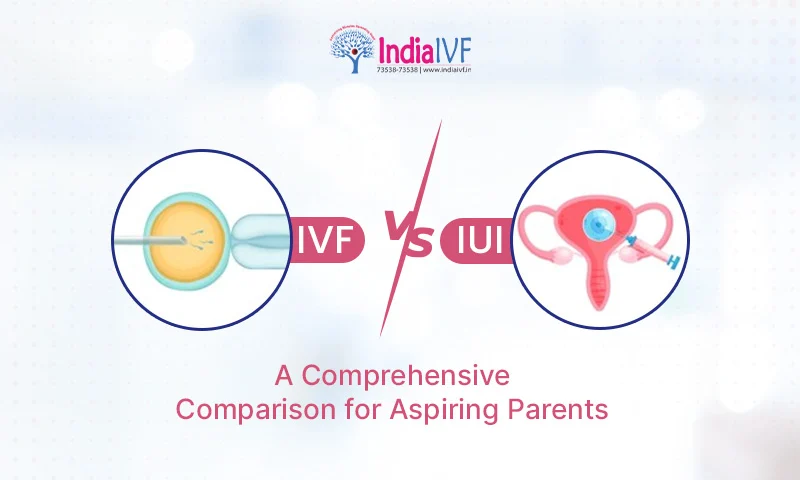
    IVF vs IUI comparison graphic highlighting reproductive methods for aspiring parents.

    Male Factor Infertility and Lifestyle Changes: How Diet and Habits Can Affect Fertility

    3. Stress:

    Stress can affect male fertility in several ways. It can lead to hormonal imbalances, decrease libido, and cause erectile dysfunction. It can also affect sperm production and function. Finding ways to manage stress, such as through exercise, meditation, or therapy, can help improve fertility.

    4. Heat Exposure:

    Exposure to high temperatures can also have a negative impact on male fertility. It can lead to decreased sperm production and affect sperm quality. Activities like using hot tubs, wearing tight clothing, and prolonged sitting can increase scrotal temperature, thus affecting sperm production.

    Lifestyle Changes to Improve Male Fertility:

    Making positive lifestyle changes can significantly improve male fertility. Here are some changes that men can make to promote reproductive health:

    1. Follow a Balanced Diet:

    Eating a balanced diet that includes plenty of fruits, vegetables, whole grains, and healthy fats can help improve sperm quality and quantity. It is also essential to limit the intake of processed and unhealthy foods.

    2. Exercise Regularly:

    Regular exercise, such as running, swimming, or weightlifting, can help improve sperm quality and quantity. It can also reduce stress and maintain a healthy body weight, both of which are essential for fertility.

    3. Quit Smoking and Limit Alcohol Intake:

    Quitting smoking and limiting alcohol consumption can significantly improve male fertility. It is also advisable to avoid recreational drugs, as they can have a negative impact on reproductive health.

    4. Manage Stress:

    Finding ways to manage stress, such as through exercise, meditation, or therapy, can help improve fertility. It is also essential to maintain a healthy work-life balance and prioritize self-care.

    5. Avoid Heat Exposure:

    To improve male fertility, it is advisable to avoid activities that can increase scrotal temperature, such as using hot tubs or saunas, wearing tight clothing, or sitting for prolonged periods.

    In conclusion, male factor infertility is a prevalent issue, and lifestyle choices and habits can play a significant role in its development. By making positive lifestyle changes, men can improve their fertility and increase their chances of conceiving. It is essential to follow a balanced diet, exercise regularly, manage stress, and avoid harmful habits to promote reproductive health and overall well-being.

    Summary:

    Male factor infertility is a condition where a man has difficulty in impregnating a woman despite frequent and unprotected sexual intercourse. While there are various factors that can contribute to male infertility, lifestyle choices and habits are often overlooked. Diet and habits, such as smoking and a sedentary lifestyle, can have a negative impact on male fertility. On the other hand, following a balanced diet, exercising regularly, managing stress, and avoiding heat exposure can help improve fertility. By making positive lifestyle changes, men can increase their chances of conceiving and promote their overall well-being.

  • The Impact of Lifestyle Choices on Natural Conception and Assisted Reproduction

    Blog Post:

    Natural conception, or the process of becoming pregnant without medical intervention, is a complex and delicate process that can be greatly impacted by an individual’s lifestyle choices. From diet and exercise to stress levels and environmental factors, there are many lifestyle factors that can affect a person’s ability to conceive naturally. In recent years, with the rise of assisted reproduction technologies, the impact of lifestyle choices on fertility has become an even more important topic to explore. In this blog post, we will discuss the various ways in which lifestyle choices can influence natural conception and assisted reproduction, and how making positive changes can improve one’s chances of conceiving.

    Diet and Nutrition:

    One of the most crucial lifestyle factors that can affect fertility is diet and nutrition. A balanced and healthy diet is essential for overall health and can greatly impact a person’s reproductive health. For women, maintaining a healthy weight through a well-rounded diet is crucial for regular ovulation and a regular menstrual cycle. A diet rich in fruits, vegetables, whole grains, and lean proteins can provide the necessary nutrients for reproductive health. On the other hand, an unhealthy diet high in processed foods, trans fats, and sugar can lead to hormonal imbalances and disrupt ovulation.

    For men, a diet high in antioxidants, zinc, and folate can improve sperm quality and increase fertility. Foods like leafy greens, nuts, and seafood are excellent sources of these nutrients. On the other hand, a diet high in saturated fats and processed foods can negatively impact sperm count and motility.

    Exercise:

    Regular physical activity is not only beneficial for overall health but can also improve fertility. For women, exercising can help regulate hormones and improve ovulation. However, too much exercise or excessive strenuous activity can have the opposite effect and disrupt ovulation. On the other hand, a sedentary lifestyle can lead to weight gain and hormonal imbalances that can affect fertility. Finding the right balance and incorporating moderate exercise into one’s routine can have a positive impact on natural conception.

    Stress:

    Stress has become a prevalent issue in our modern society, and it can have a significant impact on fertility. Chronic stress can disrupt the hormonal balance in both men and women, leading to irregular menstrual cycles, lowered sperm quality, and decreased libido. Finding ways to manage stress, such as through mindfulness practices, exercise, and therapy, can help improve fertility.

    Smoking, Alcohol, and Drug Use:

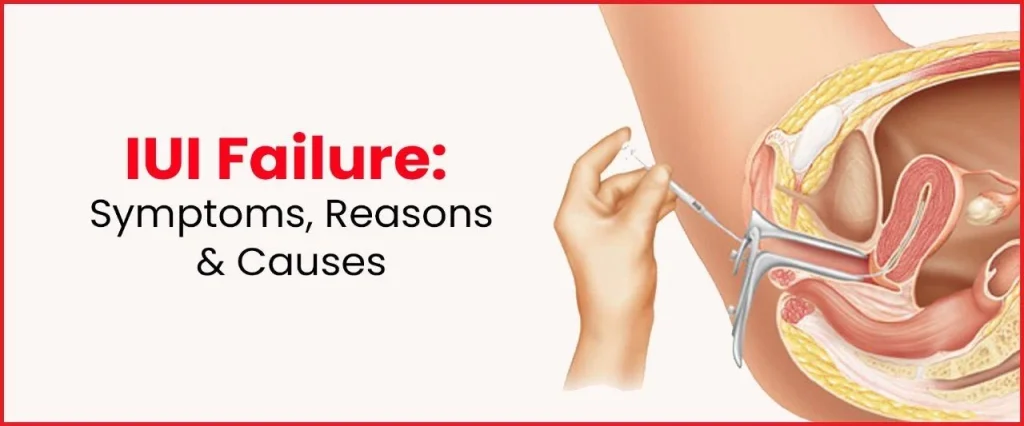
    illustration of IUI procedure with text on symptoms, reasons, and causes of IUI failure

    The Impact of Lifestyle Choices on Natural Conception and Assisted Reproduction

    Tobacco, alcohol, and drug use have been linked to fertility issues in both men and women. Smoking can damage the reproductive organs and decrease the quality and quantity of sperm in men. In women, smoking can lead to early menopause and increase the risk of miscarriage. Similarly, excessive alcohol consumption can have a negative impact on fertility, and drug use can disrupt hormone production and ovulation.

    Environmental Factors:

    Environmental factors such as exposure to toxins and pollutants can also affect fertility. Chemicals in cleaning products, pesticides, and pollutants in the air and water can have a negative impact on reproductive health. It is essential to be aware of these potential hazards and take steps to limit exposure as much as possible.

    Assisted Reproduction:

    In some cases, natural conception may not be possible, and couples may turn to assisted reproduction technologies such as in vitro fertilization (IVF) or intrauterine insemination (IUI). However, even with these interventions, lifestyle choices can still play a significant role in the success of these procedures. For example, maintaining a healthy weight and diet can improve the chances of success with IVF, and reducing stress levels can improve the chances of a successful IUI.

    Making Positive Lifestyle Changes:

    While lifestyle choices can have a significant impact on natural conception and assisted reproduction, the good news is that many of these factors are within our control. Making positive changes, such as adopting a healthy diet, managing stress levels, and avoiding harmful substances, can greatly improve one’s chances of conceiving naturally or with the help of assisted reproduction. Seeking the help of a fertility specialist can also provide valuable guidance and support in making these lifestyle changes.

    In conclusion, while there may be many factors that can affect natural conception and assisted reproduction, lifestyle choices play a crucial role. By making positive changes, individuals can improve their overall reproductive health and increase their chances of conceiving a healthy baby.

    Summary:

    Natural conception and assisted reproduction can be greatly impacted by lifestyle choices such as diet, exercise, stress levels, smoking, alcohol, drug use, and exposure to environmental factors. These factors can affect hormone levels, ovulation, and sperm quality, leading to fertility issues. However, by making positive changes such as adopting a healthy diet, managing stress levels, and avoiding harmful substances, individuals can improve their chances of conceiving naturally or with the help of assisted reproduction technologies.