Blog Post:
Natural conception, or the process of becoming pregnant without medical intervention, is a complex and delicate process that can be greatly impacted by an individual’s lifestyle choices. From diet and exercise to stress levels and environmental factors, there are many lifestyle factors that can affect a person’s ability to conceive naturally. In recent years, with the rise of assisted reproduction technologies, the impact of lifestyle choices on fertility has become an even more important topic to explore. In this blog post, we will discuss the various ways in which lifestyle choices can influence natural conception and assisted reproduction, and how making positive changes can improve one’s chances of conceiving.
Diet and Nutrition:
One of the most crucial lifestyle factors that can affect fertility is diet and nutrition. A balanced and healthy diet is essential for overall health and can greatly impact a person’s reproductive health. For women, maintaining a healthy weight through a well-rounded diet is crucial for regular ovulation and a regular menstrual cycle. A diet rich in fruits, vegetables, whole grains, and lean proteins can provide the necessary nutrients for reproductive health. On the other hand, an unhealthy diet high in processed foods, trans fats, and sugar can lead to hormonal imbalances and disrupt ovulation.
For men, a diet high in antioxidants, zinc, and folate can improve sperm quality and increase fertility. Foods like leafy greens, nuts, and seafood are excellent sources of these nutrients. On the other hand, a diet high in saturated fats and processed foods can negatively impact sperm count and motility.
Exercise:
Regular physical activity is not only beneficial for overall health but can also improve fertility. For women, exercising can help regulate hormones and improve ovulation. However, too much exercise or excessive strenuous activity can have the opposite effect and disrupt ovulation. On the other hand, a sedentary lifestyle can lead to weight gain and hormonal imbalances that can affect fertility. Finding the right balance and incorporating moderate exercise into one’s routine can have a positive impact on natural conception.
Stress:
Stress has become a prevalent issue in our modern society, and it can have a significant impact on fertility. Chronic stress can disrupt the hormonal balance in both men and women, leading to irregular menstrual cycles, lowered sperm quality, and decreased libido. Finding ways to manage stress, such as through mindfulness practices, exercise, and therapy, can help improve fertility.
Smoking, Alcohol, and Drug Use:
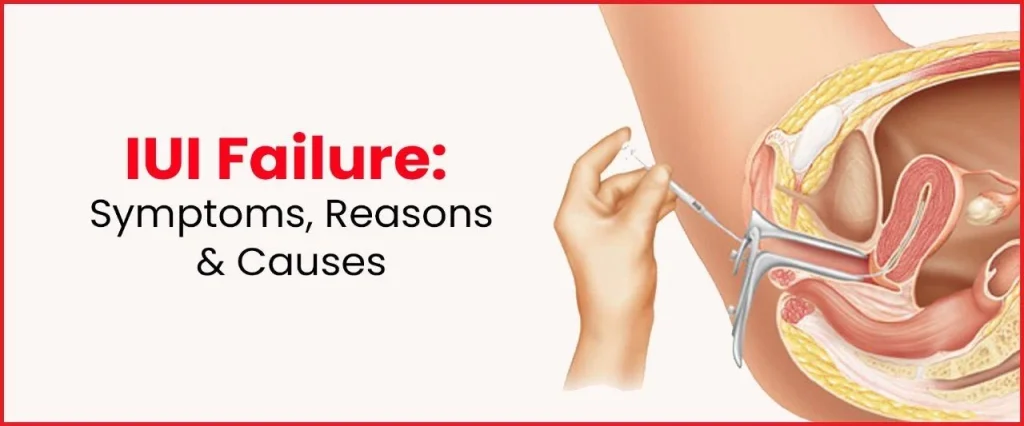
The Impact of Lifestyle Choices on Natural Conception and Assisted Reproduction
Tobacco, alcohol, and drug use have been linked to fertility issues in both men and women. Smoking can damage the reproductive organs and decrease the quality and quantity of sperm in men. In women, smoking can lead to early menopause and increase the risk of miscarriage. Similarly, excessive alcohol consumption can have a negative impact on fertility, and drug use can disrupt hormone production and ovulation.
Environmental Factors:
Environmental factors such as exposure to toxins and pollutants can also affect fertility. Chemicals in cleaning products, pesticides, and pollutants in the air and water can have a negative impact on reproductive health. It is essential to be aware of these potential hazards and take steps to limit exposure as much as possible.
Assisted Reproduction:
In some cases, natural conception may not be possible, and couples may turn to assisted reproduction technologies such as in vitro fertilization (IVF) or intrauterine insemination (IUI). However, even with these interventions, lifestyle choices can still play a significant role in the success of these procedures. For example, maintaining a healthy weight and diet can improve the chances of success with IVF, and reducing stress levels can improve the chances of a successful IUI.
Making Positive Lifestyle Changes:
While lifestyle choices can have a significant impact on natural conception and assisted reproduction, the good news is that many of these factors are within our control. Making positive changes, such as adopting a healthy diet, managing stress levels, and avoiding harmful substances, can greatly improve one’s chances of conceiving naturally or with the help of assisted reproduction. Seeking the help of a fertility specialist can also provide valuable guidance and support in making these lifestyle changes.
In conclusion, while there may be many factors that can affect natural conception and assisted reproduction, lifestyle choices play a crucial role. By making positive changes, individuals can improve their overall reproductive health and increase their chances of conceiving a healthy baby.
Summary:
Natural conception and assisted reproduction can be greatly impacted by lifestyle choices such as diet, exercise, stress levels, smoking, alcohol, drug use, and exposure to environmental factors. These factors can affect hormone levels, ovulation, and sperm quality, leading to fertility issues. However, by making positive changes such as adopting a healthy diet, managing stress levels, and avoiding harmful substances, individuals can improve their chances of conceiving naturally or with the help of assisted reproduction technologies.