Tag: family planning

  • The Debate: Home Insemination vs IVF for Same-Sex Couples

    The Debate: Home Insemination vs IVF for Same-Sex Couples

    In recent years, there has been a significant increase in the number of same-sex couples who are looking to start a family. With the advancements in medical technology, there are now more options than ever before for couples to conceive. However, one of the biggest debates within the LGBTQ+ community is whether home insemination or In Vitro Fertilization (IVF) is the better option. Both methods have their pros and cons, and the decision can be a difficult one for couples to make. In this blog post, we will explore the advantages and disadvantages of both home insemination and IVF for same-sex couples, and offer some insight to help make the decision a little easier.

    Home Insemination

    Home insemination, also known as “DIY” insemination, is a method where sperm is directly inserted into the vagina or cervix at home, without the assistance of a medical professional. This can be done using a sperm donor or a known donor, and can either be done through artificial insemination (using a syringe or cup) or through intercourse. For same-sex female couples, this method can be a more convenient and cost-effective option compared to IVF.

    One of the major advantages of home insemination is the privacy and intimacy it offers. Some couples may feel more comfortable with this method, as it allows them to conceive in the comfort of their own home and without the involvement of a medical professional. It can also be a more affordable option, as the cost of sperm donation and insemination supplies can be significantly lower than the cost of IVF treatments.

    However, there are also some potential downsides to home insemination. The success rate of this method is relatively low, with only a 10-15% chance of pregnancy per cycle. This can be due to factors such as the quality of the sperm, timing of insemination, and other fertility issues. Additionally, there is a lack of medical supervision, which can be concerning for some couples who may want the guidance and support of a healthcare professional during the conception process.

    IVF
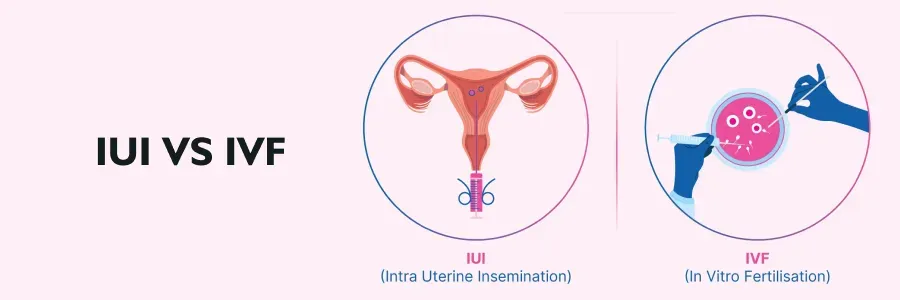
    Comparison of IUI and IVF with illustrations of each procedure.

    The Debate: Home Insemination vs IVF for Same-Sex Couples

    In Vitro Fertilization, or IVF, is a more complex and invasive method of assisted reproduction. It involves retrieving eggs from the ovaries and fertilizing them with sperm in a laboratory. The resulting embryos are then transferred into the uterus for implantation. This process can be used by both same-sex female and male couples, and has a higher success rate compared to home insemination.

    One of the key advantages of IVF is the higher success rate. The success rate for IVF is around 40% per cycle, which is significantly higher than home insemination. This can be attributed to the fact that the eggs and sperm are selected and fertilized in a controlled laboratory environment. Additionally, IVF allows for genetic testing of the embryos, which can be beneficial for couples who may have genetic concerns.

    On the other hand, IVF is a much more expensive and time-consuming process compared to home insemination. The cost can range from $8,000 to $20,000 per cycle, and the process can take several weeks or even months to complete. This can be a major barrier for some same-sex couples, especially those who may not have insurance coverage for fertility treatments.

    Another factor to consider is the physical and emotional toll that IVF can take on individuals. The hormone injections and medical procedures involved in IVF can be physically taxing, and the emotional rollercoaster of the process can be overwhelming for some couples.

    The Debate Continues

    As with any debate, there are valid arguments for both home insemination and IVF. Ultimately, the decision should be based on the individual needs and preferences of each couple. Some may prefer the privacy and intimacy of home insemination, while others may opt for the higher success rate and genetic testing offered by IVF. It is important for couples to do their research, consult with a fertility specialist, and make the decision that is best for them.

    In conclusion, the debate between home insemination and IVF for same-sex couples is a complex and personal one. Each method has its own advantages and disadvantages, and the decision should be based on individual circumstances. What is most important is that couples feel supported and empowered in their journey to starting a family, no matter which method they choose.

  • Navigating the Emotional Journey of Fertility: Advice from Those Who Have Been There

    Fertility is a deeply personal and emotional journey for many individuals and couples. The desire to have a child and build a family can be all-consuming, and the challenges of fertility can be overwhelming. For those on this journey, it can feel like a rollercoaster of emotions, from hope and excitement to disappointment and despair. It’s a journey that can often be isolating and difficult to navigate alone.

    In this blog post, we will explore the emotional journey of fertility and offer advice from individuals who have been through it. These individuals have shared their experiences and wisdom to provide support and guidance for others on this journey. We hope that their stories and advice will help those struggling with fertility to feel less alone and more empowered to navigate their own emotional journey.

    The Overwhelming Desire to Have a Child

    For many people, the desire to have a child is an overwhelming and all-consuming feeling. It’s a natural instinct to want to build a family and pass on your genes and legacy. However, when faced with fertility challenges, this desire can become a source of great pain and frustration.

    One woman, who wishes to remain anonymous, shared her experience of this overwhelming desire, saying, “I always knew I wanted to be a mother, but when my husband and I started trying to conceive, it became an all-consuming desire. Every month, when my period arrived, it felt like a punch in the gut. I couldn’t understand why it wasn’t happening for us.”

    The emotional toll of this desire can be immense, and it’s essential to acknowledge and validate these feelings. It’s okay to feel frustrated, sad, and even angry about your fertility struggles. It’s a natural and valid response to a challenging situation.

    Advice from Those Who Have Been There

    So how can you cope with this overwhelming desire and the emotions that come with it? Those who have been through this journey have shared their advice and insights on how to navigate these difficult emotions.

    1. Find a Support System

    One of the most important pieces of advice from those who have been through fertility challenges is to find a support system. This can include your partner, family, friends, or even online support groups. Having people who understand and can empathize with your struggles can be incredibly comforting and validating.

    One woman, who struggled with infertility, shared her experience of finding support, saying, “It was so helpful to connect with other women who were going through similar struggles. We could share our experiences, offer each other support, and remind each other that we were not alone in this journey.”

    2. Take Care of Your Mental and Emotional Health

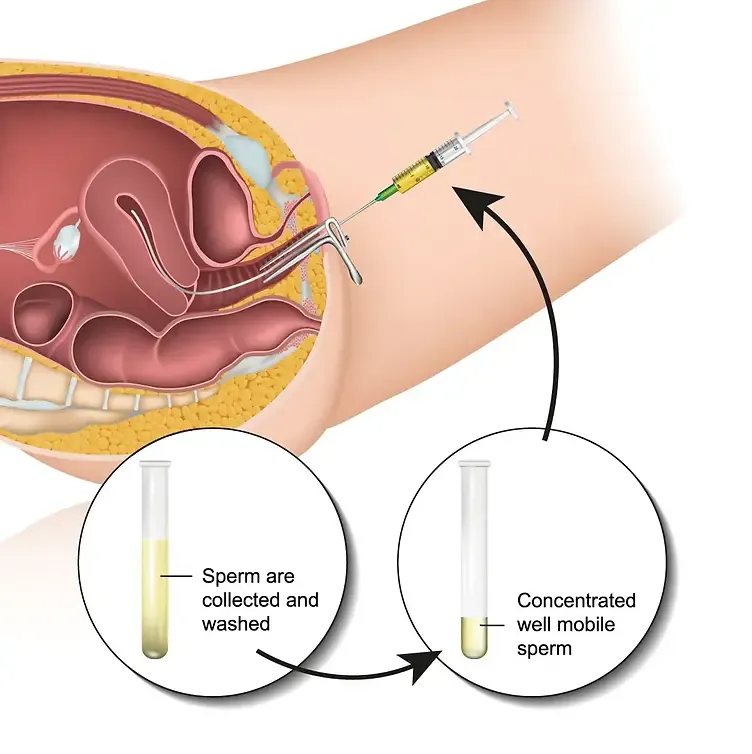
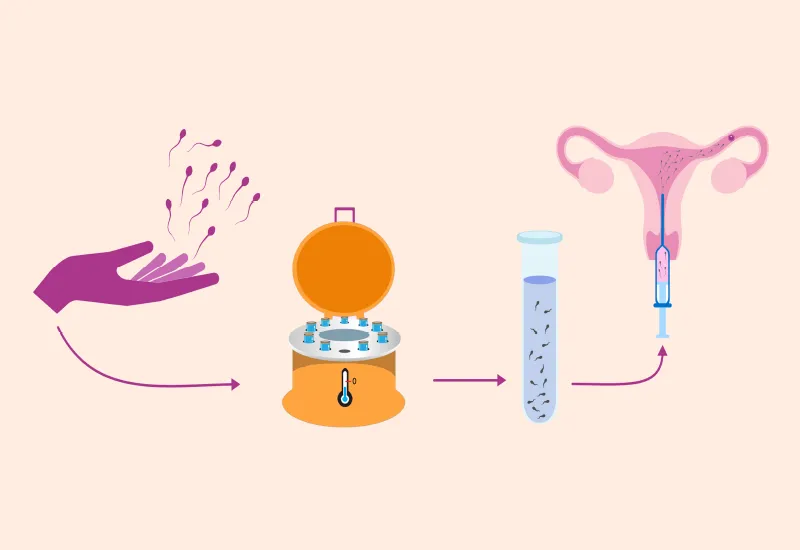
    illustration of the IUI process, showing sperm collection, preparation, and insertion into the uterus

    Navigating the Emotional Journey of Fertility: Advice from Those Who Have Been There

    The emotional toll of fertility challenges can be immense, and it’s crucial to prioritize your mental and emotional health. This can include therapy, self-care practices, and finding healthy coping mechanisms.

    One woman, who went through multiple rounds of fertility treatments, shared her experience, saying, “It was so important for me to take care of my mental health during this journey. I went to therapy, practiced mindfulness, and found healthy ways to cope with the stress and disappointment. It made a significant difference in my overall well-being.”

    3. Educate Yourself and Advocate for Yourself

    Another crucial piece of advice from those who have been through fertility challenges is to educate yourself about your options and advocate for yourself. It’s essential to be knowledgeable about the various fertility treatments and to ask questions and advocate for your needs during appointments.

    One woman, who went through IVF, shared her experience, saying, “I did a lot of research and asked a lot of questions during my fertility treatments. I wanted to make sure I understood all of my options and felt confident in the decisions I was making. It gave me a sense of control in a situation that often felt out of my control.”

    4. Be Kind to Yourself

    Fertility challenges can take a toll on your self-esteem and self-worth, but it’s crucial to be kind to yourself during this journey. Remind yourself that you are doing the best you can, and it’s not your fault if things don’t go as planned.

    One woman, who went through multiple miscarriages, shared her experience, saying, “It was challenging not to blame myself for my body’s inability to carry a pregnancy. But I had to remind myself that it wasn’t my fault and that I was doing everything I could. Being kind to myself was a crucial part of my emotional healing.”

    5. Remember That You Are Not Defined by Your Fertility

    Lastly, it’s essential to remember that your worth and identity are not defined by your ability to have a child. You are so much more than your fertility struggles, and it’s crucial to hold onto that perspective.

    One woman, who eventually chose to pursue other paths to parenthood, shared her experience, saying, “It took me a while to let go of the idea that I had to give birth to a child to be a mother. But once I did, I felt a sense of freedom and relief. I realized that my worth and identity were not tied to my fertility, and that allowed me to explore other paths to parenthood.”

    Summary:

    The emotional journey of fertility can be a rollercoaster of emotions, from hope and excitement to disappointment and despair. It’s a journey that can be isolating and challenging to navigate alone. However, there are ways to cope with and manage these emotions. The advice from those who have been through fertility challenges includes finding a support system, taking care of your mental and emotional health, educating yourself and advocating for yourself, being kind to yourself, and remembering that you are not defined by your fertility. By following this advice, those on the journey of fertility can feel less alone and more empowered to navigate their own emotional journey.

  • The Role of Genetics in Fertility: How It Affects Your Options

    Blog Post: The Role of Genetics in Fertility: How It Affects Your Options

    Fertility is a complex and deeply personal topic that can be affected by a variety of factors. One important factor that often goes overlooked is genetics. Our genes play a significant role in our reproductive health and can influence our fertility in many ways. In this blog post, we will explore the role of genetics in fertility and how it can impact your options when it comes to starting a family.

    Understanding Genetics and Fertility

    Genetics refers to the study of genes, their functions, and how they are inherited. Our genes contain the instructions for our bodies to develop and function properly, including our reproductive system. These instructions are passed down from our parents and can have a significant impact on our overall health, including our fertility.

    Genetics and Infertility

    Research has shown that genetics can contribute to a variety of fertility issues, including both male and female infertility. For women, genetic factors can impact the development of the reproductive organs, hormone levels, and egg quality. In men, genetics can affect sperm production, motility, and overall semen quality.

    Some genetic conditions, such as polycystic ovary syndrome (PCOS) and endometriosis, are known to cause fertility problems. These conditions are often inherited and can make it more difficult for women to get pregnant. In men, genetic conditions like Klinefelter syndrome and Y-chromosome deletions can lead to low sperm count and infertility.

    Genetics and Family Planning Options

    When it comes to family planning, understanding your genetic makeup can provide valuable insights and options. For example, if you and your partner both carry a genetic mutation that increases the risk of passing on a genetic disorder to your child, you may choose to undergo genetic testing and consider alternative options like in vitro fertilization (IVF) with preimplantation genetic testing (PGT). This can help reduce the risk of passing on a genetic disorder to your child.

    In some cases, genetic testing can also help identify underlying fertility issues that may be addressed with medical interventions. For example, if a woman carries a genetic mutation that affects her egg quality, she may opt for IVF with the use of donor eggs to increase her chances of conceiving.

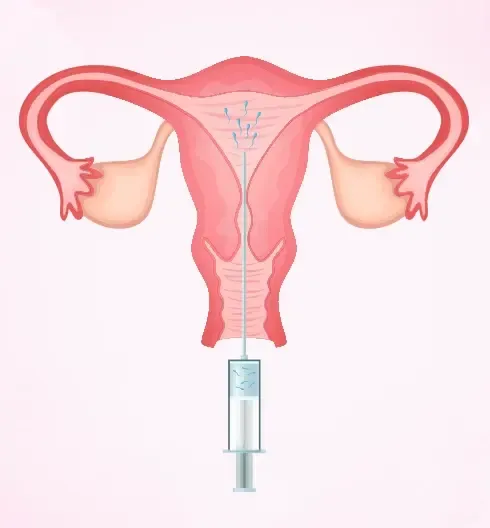
    illustration of a uterus with a syringe for intrauterine insemination (IUI) procedure

    The Role of Genetics in Fertility: How It Affects Your Options

    Genetics and Reproductive Aging

    As we age, our reproductive abilities decline, and this is largely influenced by our genes. Women are born with a finite number of eggs, and the quality of these eggs decreases as we get older. This is largely determined by our genetic makeup. Some women may have a genetic predisposition to experience early menopause, which can significantly impact their chances of conceiving later in life.

    For men, aging can also affect fertility as it can lead to a decline in sperm quality and quantity. This decline is largely determined by genetics, and some men may experience a more rapid decline than others.

    Genetics and Fertility Treatments

    For couples struggling with fertility issues, genetics can also play a role in the success of fertility treatments. For example, the success rates of IVF can vary depending on the quality of eggs and sperm, which are largely determined by genetics. Couples may also be more likely to experience recurrent pregnancy loss if they carry certain genetic mutations.

    However, advances in technology, such as PGT, can help increase the chances of a successful pregnancy by identifying and selecting embryos with the best chance of implantation and development. PGT can also screen for genetic disorders to reduce the risk of passing them on to the child.

    The Importance of Genetic Counseling

    Given the significant impact of genetics on fertility, it is essential to seek out genetic counseling when considering starting a family. A genetic counselor can help you understand your genetic makeup and the potential risks and options for future family planning. They can also provide guidance and support for couples facing fertility challenges due to genetic factors.

    In addition to genetic counseling, it is also crucial to maintain open communication with your doctor about any family history of genetic disorders or fertility issues. This can help them better understand your unique situation and provide appropriate care and treatment options.

    Summary:

    Genetics play a crucial role in fertility, influencing everything from the development of reproductive organs to the quality of eggs and sperm. Genetic conditions can also lead to fertility issues, and understanding your genetic makeup can provide valuable insights and options for family planning. As we age, our genetics also play a role in reproductive aging, making it important to seek out genetic counseling and maintain open communication with your doctor. Advances in technology, such as PGT, can also help increase the chances of a successful pregnancy for couples facing fertility challenges due to genetic factors.

  • Making an Informed Choice: Educating Yourself on Fertility Options

    Blog Post:

    Making an Informed Choice: Educating Yourself on Fertility Options

    Couples often dream of starting a family and having children. However, for some, this dream may not come easily or naturally. Infertility affects millions of couples worldwide, and it can be a challenging journey to navigate. Fortunately, with advancements in medical technology, there are now several fertility options available for those struggling to conceive. However, with so many options, it can be overwhelming and confusing to make an informed decision. In this blog post, we will discuss the importance of educating yourself on fertility options and how to make an informed choice.

    What is fertility?

    Before diving into the various fertility options, it is essential to understand what fertility means. Fertility refers to a person’s ability to conceive and carry a pregnancy to full term. Both men and women can experience fertility issues due to various reasons such as age, medical conditions, and lifestyle choices. It is crucial to note that infertility does not just affect women; men can also contribute to a couple’s fertility struggles.

    Understanding your fertility status

    The first step in educating yourself on fertility options is understanding your fertility status. If you and your partner have been trying to conceive for over a year without success, it is recommended to consult a fertility specialist. They will conduct tests to determine your fertility status and identify any underlying issues. Understanding your fertility status will help you and your doctor decide on the best course of action and fertility treatment options that are suitable for you.

    Fertility options

    There are several fertility options available, and your doctor will recommend the best one based on your fertility status and medical history. Let’s take a look at some of the most common fertility options:

    1. Intrauterine Insemination (IUI)

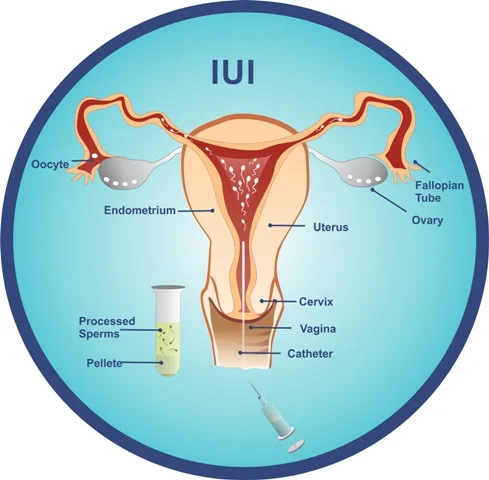
    Intrauterine insemination, also known as artificial insemination, is a form of assisted reproductive technology (ART) that involves placing sperm directly into a woman’s uterus. This method is used to overcome issues such as low sperm count, poor sperm mobility, or endometriosis.

    2. In vitro fertilization (IVF)

    In vitro fertilization is another form of ART that involves fertilizing an egg with sperm outside of the body and then transferring the embryo into the woman’s uterus. This method is commonly used for women who have blocked or damaged fallopian tubes, endometriosis, or unexplained infertility.

    3. Egg or Sperm Donation

    diagram illustrating intrauterine insemination (IUI) with labeled reproductive anatomy and procedures

    Making an Informed Choice: Educating Yourself on Fertility Options

    For couples who are unable to produce viable eggs or sperm, egg or sperm donation may be an option. This involves using donated eggs or sperm from a donor to create an embryo. This method is often used by same-sex couples or individuals who have a genetic condition that can be passed on to their child.

    4. Surrogacy

    Surrogacy is an option for women who are unable to carry a pregnancy to full term. It involves using a surrogate to carry the pregnancy and give birth to the child. Surrogacy can be either traditional, where the surrogate’s egg is used, or gestational, where the embryo is created using the intended parents’ egg and sperm.

    5. Adoption

    Adoption is another option for couples who are unable to conceive. It involves legally adopting a child and providing them with a loving and stable home. Adoption can be a rewarding and fulfilling way to start a family.

    Making an informed choice

    Now that you are aware of the various fertility options available, it is crucial to make an informed choice. Here are some tips to help you make the right decision:

    1. Educate yourself: The more you know about each fertility option, the better equipped you will be to make a decision. Do your research, ask questions, and consult with your doctor to gain a better understanding of each option.

    2. Consider your emotional, physical, and financial capabilities: Fertility treatments can be emotionally, physically, and financially taxing. Consider all these aspects before making a decision. It is essential to choose an option that you and your partner are both comfortable with.

    3. Seek support: Going through fertility struggles can be emotionally draining. Seek support from your partner, family, friends, or a support group. It can be helpful to talk to others who have gone through similar experiences and get their insights and advice.

    4. Be open and flexible: Sometimes, the first fertility option may not work, and that’s okay. Be open to trying other options and be flexible with your plans. Remember that the end goal is to start a family, and the journey may not always go as planned.

    5. Trust your instincts: Ultimately, it is essential to trust your instincts and make a decision that feels right for you and your partner. Every couple’s fertility journey is unique, and what works for others may not necessarily work for you.

    In conclusion, educating yourself on fertility options is crucial in making an informed choice. Be sure to understand your fertility status, explore the available options, and consider all aspects before making a decision. Remember to seek support and trust your instincts throughout this journey. With the right knowledge and support, you can make the best decision for you and your partner to start a family.

    Summary:

    Educating yourself on fertility options is crucial when facing infertility struggles. Fertility refers to a person’s ability to conceive and carry a pregnancy to full term, and both men and women can experience fertility issues. Understanding your fertility status is the first step, and based on that, a fertility specialist may recommend different options such as IUI, IVF, egg or sperm donation, surrogacy, or adoption. It is essential to make an informed choice by educating yourself, considering your emotional, physical, and financial capabilities, seeking support, being open and flexible, and trusting your instincts. With the right knowledge and support, you can make the best decision for you and your partner to start a family.

  • The Importance of Donor-Recipient Compatibility in Sperm Banks vs Known Donors

    Sperm donation has become a popular option for individuals and couples who are struggling with infertility or looking to start a family through alternative means. With advancements in technology and medical procedures, sperm banks have made it easier for people to access donated sperm from anonymous donors. However, there is a growing debate over the importance of donor-recipient compatibility in sperm banks compared to known donors. In this blog post, we will discuss the significance of this factor in the process of sperm donation and how it can impact the lives of the donor, recipient, and potential offspring.

    Firstly, it is essential to understand what donor-recipient compatibility means in the context of sperm donation. Donor-recipient compatibility refers to the matching of the physical, emotional, and psychological traits of the donor and recipient. This includes factors such as ethnicity, physical characteristics, interests, values, and beliefs. While these may seem trivial, they can have a significant impact on the donor-recipient relationship and, ultimately, the well-being of the child.

    In the case of sperm banks, donors are usually anonymous, and recipients have little to no information about the donor’s background, except for basic physical characteristics. This lack of information can create a sense of disconnect and uncertainty for both the donor and recipient. The recipient may have concerns about the donor’s genetic history, while the donor may feel detached from the child’s life, leading to potential emotional and psychological implications for all involved.

    On the other hand, known donors are individuals who donate sperm to someone they know, such as a friend or family member. In this scenario, there is an established relationship between the donor and recipient, making it easier to navigate the complexities of sperm donation. The donor and recipient can openly discuss their expectations, boundaries, and any concerns they may have. This creates a more personalized and involved process, leading to a stronger bond between the donor, recipient, and potential child.

    A person administering an injection into their abdomen with a yellow pen-like device.

    The Importance of Donor-Recipient Compatibility in Sperm Banks vs Known Donors

    Another crucial aspect of donor-recipient compatibility is the potential impact on the child. Children conceived through sperm donation may have questions about their biological father and may long for a connection with their donor. In the case of anonymous donors, the child may not have the opportunity to establish this connection, which can affect their sense of identity and self-esteem. With known donors, the child can have a more open and transparent relationship with their biological father, which can positively impact their emotional well-being.

    Moreover, the issue of genetic compatibility cannot be overlooked when it comes to sperm donation. The donor’s genetic history can have a significant impact on the potential child’s health and well-being. In the case of anonymous donors, recipients may have limited information about the donor’s medical history, making it difficult to determine any potential genetic risks. With known donors, the recipient can have more information and control over the genetic compatibility, reducing the risks of passing on any hereditary health conditions to the child.

    Additionally, the lack of involvement from anonymous donors in the child’s life can also have financial implications. In the case of known donors, there is usually an established agreement between the donor and recipient regarding financial support and responsibilities towards the child. This can provide a sense of security for the recipient and ensure that the child has access to necessary resources.

    In conclusion, the importance of donor-recipient compatibility in sperm banks versus known donors is crucial in the process of sperm donation. While sperm banks offer a convenient and accessible option for individuals and couples, it is essential to consider the potential implications of anonymous donation on the donor, recipient, and child. Known donors provide a more personalized and involved process, leading to a stronger donor-recipient relationship and a potentially healthier and happier child. It is crucial to carefully consider all factors and make an informed decision that is best for all parties involved.

  • The Psychological Effects of Using Sperm Banks vs Known Donors

    In today’s world, there are various methods available for individuals and couples to conceive a child, including sperm donation. Within the realm of sperm donation, there are two main options – using a sperm bank or using a known donor. While both options have their benefits and drawbacks, it is important to understand the psychological effects that may arise from each choice.

    Sperm banks, also known as fertility clinics, are facilities that collect, store and distribute donor sperm for use in assisted reproductive technologies. These banks have strict regulations and protocols to ensure the safety and quality of the sperm. On the other hand, known donors are individuals who donate sperm directly to the recipient, usually a friend or acquaintance, without the involvement of a sperm bank.

    One of the major psychological impacts of using a sperm bank is the loss of genetic connection to the child. For many individuals, the desire to have a child with their own genetic material is strong. When using a sperm bank, this connection is lost, and some may feel a sense of grief or loss over not being able to pass on their genes. This can also lead to questions and concerns about the child’s identity and whether they will feel a sense of belonging in the family.

    In contrast, using a known donor allows for a genetic connection to the child. This can alleviate the feelings of loss and grief mentioned above. However, it can also bring about its own set of psychological challenges. For example, the involvement of a known donor may complicate family dynamics and relationships. In cases where the donor is a friend or acquaintance, there may be blurred boundaries and expectations, which can lead to tension and conflicts.

    Illustration of a uterus with a syringe indicating an intrauterine insemination procedure.

    The Psychological Effects of Using Sperm Banks vs Known Donors

    Another psychological effect to consider is the potential impact on the child. Children conceived through sperm donation may experience feelings of curiosity and a desire to know their biological father. This can lead to questions about their identity and feelings of being different from their peers. On the other hand, children conceived through a known donor may have to navigate the complexities of having multiple parental figures in their life.

    In addition to the effects on the individuals involved, the choice between sperm banks and known donors can also have an impact on the relationship between the recipient and their partner. In cases where a partner is infertile or has a low sperm count, using donor sperm can cause feelings of inadequacy and insecurity. On the other hand, involving a known donor can lead to feelings of jealousy and insecurity within the relationship, particularly if there is a close connection between the donor and the recipient.

    It is also important to consider the legal and ethical implications of using sperm banks versus known donors. Sperm banks have strict protocols and regulations in place to protect the rights of both the donor and the recipient. This can provide a sense of security for all parties involved. In contrast, using a known donor may leave the recipient and the child vulnerable to potential legal and ethical issues, such as custody battles or access to medical information.

    Ultimately, the decision between using a sperm bank or a known donor is a personal one and should be carefully considered. Both options have their own set of psychological effects that need to be taken into account. It is important for individuals and couples to have open and honest discussions about their desires, concerns and expectations before making a decision.

    In conclusion, the use of sperm banks versus known donors for conception can have significant psychological effects on all parties involved. These effects can range from the loss of genetic connection and identity concerns to potential legal and ethical issues. It is crucial for individuals and couples to thoroughly consider these factors and have open communication before making a decision. Seeking the guidance of a therapist or counselor can also be beneficial in navigating the psychological impacts of using sperm banks or known donors.

  • Exploring Alternative Options: Intrauterine Insemination vs In Vitro Fertilization

    Exploring Alternative Options: Intrauterine Insemination vs In Vitro Fertilization

    The journey to parenthood can be a challenging one for many couples, and when traditional methods of conception do not work, exploring alternative options becomes necessary. Intrauterine insemination (IUI) and in vitro fertilization (IVF) are two of the most common assisted reproductive techniques used to help couples struggling with infertility to achieve pregnancy. While both procedures have the same end goal, they differ in many ways. In this blog post, we will explore the differences between IUI and IVF, their success rates, costs, and other factors to help you make an informed decision about which option is best for you.

    Understanding Intrauterine Insemination (IUI)

    Intrauterine insemination, also known as artificial insemination, is a fertility treatment that involves placing sperm directly into a woman’s uterus to increase the chances of fertilization. This procedure is often recommended for couples who have unexplained infertility, mild male factor infertility, or for single women or same-sex couples using donor sperm.

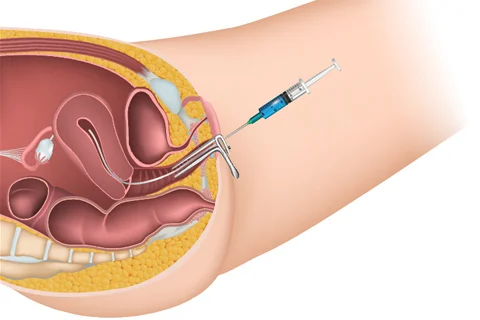
    The IUI process begins with the collection of sperm from either a partner or a donor. The sperm is then washed and concentrated to improve its quality before being inserted into the woman’s uterus using a thin, flexible catheter. This procedure is usually performed around the time of ovulation to increase the chances of successful fertilization.

    Understanding In Vitro Fertilization (IVF)

    In vitro fertilization, or IVF, is a more complex assisted reproductive technique that involves fertilizing eggs with sperm outside of the body in a laboratory. This procedure is often recommended for couples who have severe male factor infertility, blocked fallopian tubes, or for women with ovulation disorders.

    The IVF process begins with the woman undergoing ovarian stimulation to produce multiple eggs. The eggs are then retrieved through a minor surgical procedure and fertilized with sperm in a laboratory. The resulting embryos are monitored for a few days before being transferred back into the woman’s uterus. Any extra embryos can be frozen for future use.

    Success Rates of IUI vs IVF

    Illustration of the IUI process, showing a syringe and catheter in the reproductive system.

    Exploring Alternative Options: Intrauterine Insemination vs In Vitro Fertilization

    The success rates of both IUI and IVF vary depending on many factors such as age, underlying fertility issues, and the quality of the sperm and eggs. Generally, IVF has a higher success rate compared to IUI. According to the American Society for Reproductive Medicine, the success rate for IUI is around 10-20% per cycle, while the success rate for IVF can range from 40-50% for women under 35 years old, and around 20-30% for women over 35.

    Cost Comparison of IUI vs IVF

    The cost of fertility treatments can be a significant barrier for many couples. IUI is generally a more affordable option compared to IVF. The average cost of one IUI cycle can range from $500 to $4,000, depending on the clinic and any additional medications or procedures needed. On the other hand, the average cost of one IVF cycle can range from $12,000 to $15,000, not including the cost of medications and additional procedures.

    Other Factors to Consider

    Aside from success rates and costs, there are other factors that couples should consider when deciding between IUI and IVF. For IUI, the procedure is relatively simple and can be done in a doctor’s office without anesthesia. However, the success rates may be lower for individuals with more severe fertility issues.

    On the other hand, IVF is a more invasive and complicated procedure that requires multiple appointments and more monitoring. It also has a higher risk of multiple pregnancies, which can lead to more complications. However, IVF may be the only option for couples with severe fertility issues.

    In addition to these factors, it is essential to consider the emotional and physical toll that fertility treatments can take on both individuals in a relationship. It is crucial to have open and honest discussions with your partner and your doctor to determine which option is the best for your specific situation.

    In conclusion, both IUI and IVF are viable options for couples struggling with infertility. It is essential to understand the differences between the two procedures, their success rates, costs, and other factors before making a decision. Consult with your doctor to determine which option is best for you and your partner’s unique situation.

    SEO metadata:

  • Intrauterine Insemination vs In Vitro Fertilization: Which Is Right for You?

    Intrauterine insemination (IUI) and in vitro fertilization (IVF) are two common fertility treatments used by couples who are struggling with infertility. Both of these procedures involve medical intervention to help a couple conceive, but they differ in various ways. If you and your partner are facing fertility issues, it’s important to understand the differences between these two treatments to determine which one is the right option for you.

    In this blog post, we will explore the differences between IUI and IVF, including their procedures, success rates, and potential risks. We will also discuss the factors that can help you decide which fertility treatment is the best choice for you and your family.

    What is Intrauterine Insemination?
    Intrauterine insemination, also known as artificial insemination, is a fertility treatment that involves inserting washed and concentrated sperm directly into a woman’s uterus. This procedure is usually done around the time of ovulation, when the woman’s ovaries release an egg.

    The IUI procedure begins with the male partner providing a semen sample, which is then processed in a laboratory to separate the sperm from the semen. The sperm is then placed into a catheter, a thin flexible tube, and inserted into the woman’s uterus. This process bypasses the cervix and deposits the sperm directly into the uterus, increasing the chances of fertilization.

    IUI is a relatively simple and non-invasive procedure that can be done in a doctor’s office. It is often recommended for couples who have unexplained infertility, male factor infertility, or women with cervical issues that make it difficult for sperm to reach the egg. It is also a common option for couples with same-sex partners or single women who want to conceive using donor sperm.

    What is In Vitro Fertilization?
    In vitro fertilization is a more complex fertility treatment that involves retrieving eggs from a woman’s ovaries and fertilizing them with sperm in a laboratory. The fertilized eggs, or embryos, are then transferred into the woman’s uterus, where they can implant and develop into a pregnancy.

    The IVF process begins with the woman taking fertility medications to stimulate the ovaries to produce multiple eggs. These eggs are then retrieved through a minor surgical procedure and fertilized in a lab with the sperm. After a few days, the fertilized eggs are checked for viability and the healthiest ones are transferred back into the woman’s uterus.

    IVF is a more invasive and intensive procedure compared to IUI and is usually recommended for couples with more complex fertility issues such as blocked fallopian tubes, severe male factor infertility, or advanced maternal age. It is also a common option for couples who have experienced multiple failed IUI cycles.

    Success Rates of IUI and IVF
    The success rates of IUI and IVF vary depending on various factors such as the age of the woman, the cause of infertility, and the number of previous attempts. Generally, IVF has a higher success rate compared to IUI. According to the American Pregnancy Association, the success rate for IUI is around 10-20% per cycle, while the success rate for IVF ranges from 40-45% for women under 35, and decreases with age.

    illustration of intrauterine insemination procedure with a syringe and catheter in the uterus.

    Intrauterine Insemination vs In Vitro Fertilization: Which Is Right for You?

    Risks and Considerations
    As with any medical procedure, both IUI and IVF carry some risks. The most common risk for IUI is multiple pregnancies, which can lead to complications for both the mother and the babies. IVF has a higher risk of multiple pregnancies, as well as a risk of ovarian hyperstimulation syndrome (OHSS) from the fertility medications.

    The cost of these treatments is also a significant consideration. IUI is generally less expensive than IVF, but it may require multiple attempts to achieve a successful pregnancy. IVF can be a more costly option, but it also has a higher success rate and may be more cost-effective in the long run.

    Factors to Consider in Choosing the Right Treatment
    When deciding between IUI and IVF, there are several factors to consider, including the cause of infertility, the age of the woman, and the couple’s financial situation. It’s essential to discuss these factors with a fertility specialist to determine the best course of action for your specific situation.

    If you and your partner have a known fertility issue, such as blocked fallopian tubes or low sperm count, IVF may be the best option. On the other hand, if you have unexplained infertility, IUI may be recommended as a first-line treatment.

    Another important factor to consider is the age of the woman. As a woman’s age increases, the success rates for both IUI and IVF decrease. Therefore, women over 35 may have a better chance of success with IVF.

    It’s also essential to consider your emotional and mental well-being when choosing a fertility treatment. Both IUI and IVF can be emotionally and physically taxing, so it’s necessary to have a support system in place and be prepared for the potential challenges.

    In Conclusion
    Intrauterine insemination and in vitro fertilization are two common fertility treatments that can help couples achieve their dream of having a child. While they both have their advantages and risks, it’s essential to discuss your options with a fertility specialist and consider your unique circumstances to determine which treatment is best for you.

    Whether you choose IUI or IVF, it’s important to remember that both treatments require patience, perseverance, and a positive mindset. With the right treatment and support, you and your partner can increase your chances of success and start your journey towards parenthood.

    In summary, IUI and IVF are two different fertility treatments with varying procedures, success rates, and risks. Factors such as the cause of infertility, age, and financial situation should be considered when deciding which treatment is best. With proper guidance from a fertility specialist and a supportive mindset, both treatments can help couples achieve their dream of having a child.

  • The Role of Counseling in Traditional and Gestational Surrogacy

    Surrogacy has become an increasingly popular option for couples and individuals struggling with infertility or other medical conditions that prevent them from conceiving a child. It involves a woman carrying a pregnancy for someone else, either genetically related or not, and then giving birth to the child for the intended parents. There are two types of surrogacy: traditional and gestational. In traditional surrogacy, the surrogate mother’s egg is fertilized with the intended father’s sperm through artificial insemination, making her the biological mother of the child. In gestational surrogacy, the surrogate carries a pregnancy using either the intended parents’ genetic material or donated genetic material, making her the gestational carrier but not the biological mother of the child.

    While surrogacy can bring joy and fulfillment to many families, it is a complex process that involves legal, medical, and emotional considerations. One crucial aspect of surrogacy that often goes overlooked is the role of counseling. In this blog post, we will explore the role of counseling in both traditional and gestational surrogacy and discuss its importance for all parties involved.

    Counseling in Traditional Surrogacy

    Traditional surrogacy can be a challenging process both emotionally and legally. The surrogate mother has a biological connection to the child, and this can lead to complex emotions and relationships within the arrangement. Counseling can play a crucial role in helping the surrogate mother navigate the emotional journey of carrying a child for someone else.

    One of the key roles of counseling in traditional surrogacy is to provide emotional support to the surrogate mother. The process of carrying a child for nine months and then giving it up can be emotionally taxing. The surrogate mother may experience feelings of attachment to the child, even though she knows it is not hers biologically. Counseling can help her process these emotions and provide a safe space to express her feelings.

    Counseling can also help the surrogate mother set boundaries and manage expectations within the surrogacy arrangement. It is essential to establish clear communication and boundaries between the surrogate and intended parents to avoid any misunderstandings or conflicts. Counseling can help the surrogate mother communicate her needs and expectations and ensure that they are met throughout the process.

    Another crucial aspect of counseling in traditional surrogacy is addressing any potential legal issues. Surrogacy laws vary from state to state, and it is essential to understand the legal implications of the arrangement. Counseling can help the surrogate mother understand her rights and responsibilities and ensure that she is protected legally.

    Counseling in Gestational Surrogacy

    Gestational surrogacy, while less emotionally complicated than traditional surrogacy, still requires counseling for all parties involved. In gestational surrogacy, the surrogate mother is not biologically related to the child, but she still carries the pregnancy and gives birth. This can bring about its unique set of emotions and challenges.

    Illustration of intrauterine insemination process, showing sperm collection and injection into the uterus.

    The Role of Counseling in Traditional and Gestational Surrogacy

    For the intended parents, counseling can provide emotional support and help them navigate the process of building their family through surrogacy. It can also help them understand and manage their expectations of the surrogate mother and the pregnancy.

    Counseling for the surrogate mother in gestational surrogacy can help her process any emotions that may arise during the pregnancy. While she may not have a biological connection to the child, she is still carrying it and may experience feelings of attachment or identity confusion. Counseling can provide a safe space for her to explore and address these emotions.

    Counseling can also play a crucial role in managing the relationship between the surrogate mother and the intended parents. The surrogate may have a close relationship with the intended parents, or they may prefer to have a more professional arrangement. Counseling can help establish healthy boundaries and facilitate communication between the parties involved.

    Importance of Counseling in Surrogacy

    Counseling is a vital aspect of surrogacy, regardless of the type. It provides emotional support and helps all parties involved navigate the complexities of the arrangement. It can also help address any potential legal issues and ensure that everyone’s needs and expectations are met.

    Furthermore, surrogacy can be a long and challenging journey, and counseling can help mitigate any potential risks or challenges that may arise. It can also provide a safe space for all parties to express their feelings and concerns without judgment.

    In addition to emotional support, counseling can also provide education and resources for all parties involved in the surrogacy process. It can help them understand the legal and ethical implications of surrogacy and ensure that the arrangement is carried out in a responsible and ethical manner.

    Conclusion

    Surrogacy can be a beautiful and fulfilling experience for all involved, but it also comes with its unique set of challenges. Counseling plays a crucial role in providing emotional support, managing expectations and boundaries, and addressing any legal issues that may arise. It is an essential component of the surrogacy process and should not be overlooked.

    In summary, counseling is essential in both traditional and gestational surrogacy to provide emotional support, manage expectations and boundaries, and address any legal issues. It plays a vital role in ensuring a healthy and successful surrogacy journey for all parties involved.

  • The Financial Considerations of Traditional vs. Gestational Surrogacy

    Surrogacy is becoming an increasingly popular option for individuals and couples who are struggling with fertility issues or unable to carry a pregnancy themselves. There are two main types of surrogacy: traditional and gestational. While both options involve a woman carrying a pregnancy for someone else, there are significant differences in the financial considerations for each type. In this blog post, we will explore the financial aspects of traditional and gestational surrogacy and how they may impact those considering this family planning option.

    Traditional Surrogacy

    Traditional surrogacy, also known as genetic or partial surrogacy, involves the surrogate mother using her own eggs to conceive the child. This method is usually less expensive than gestational surrogacy because it does not require fertility treatments such as in vitro fertilization (IVF). However, there are still significant costs associated with traditional surrogacy.

    The first major expense for traditional surrogacy is the compensation for the surrogate mother. This can vary greatly depending on the country and state laws, but on average, it can range from $10,000 to $30,000. This amount may also include any medical expenses for the surrogate mother during the pregnancy.

    Another expense to consider is the legal fees for establishing parental rights. Since the surrogate mother is also the biological mother in traditional surrogacy, she may have legal rights to the child. This can be a complex and costly process, involving contracts and court hearings, and can add thousands of dollars to the overall cost of traditional surrogacy.

    Additionally, traditional surrogacy may also require fertility treatments for the surrogate mother to become pregnant. This can include intrauterine insemination (IUI) or IVF, which can range from $3,000 to $15,000 per cycle. If multiple cycles are needed, this can significantly increase the overall cost of traditional surrogacy.

    Gestational Surrogacy

    Gestational surrogacy, also known as full or host surrogacy, involves using the intended parents’ or donor’s eggs and sperm to create an embryo, which is then transferred to the surrogate’s uterus. This method is typically more expensive than traditional surrogacy due to the additional medical procedures involved.

    The biggest cost associated with gestational surrogacy is the IVF process. This can include the cost of fertility medications, monitoring, and the actual IVF procedure, which can range from $12,000 to $20,000 per cycle. The number of cycles needed will depend on various factors, such as the age and health of the intended mother or donor.

    doctor discussing treatment with a patient in a medical office, featuring an ultrasound machine in the background

    The Financial Considerations of Traditional vs. Gestational Surrogacy

    Another significant expense for gestational surrogacy is the surrogate’s compensation. This can range from $25,000 to $50,000, depending on the location and surrogate’s experience. In some cases, the intended parents may also cover additional expenses for the surrogate, such as travel, maternity clothes, and health insurance.

    Legal fees for establishing parental rights can also be a significant cost in gestational surrogacy, as the intended parents will need to go through a legal process to secure their rights as the child’s legal parents. This can add several thousand dollars to the overall cost of gestational surrogacy.

    Other Considerations

    Aside from the direct costs of surrogacy, there are also other financial considerations that intended parents should keep in mind. These may include the cost of travel and accommodations, as well as lost wages for time off work during medical appointments and the birth of the child.

    It’s also essential to consider the potential for unexpected medical expenses. While most surrogate pregnancies are uncomplicated, there is always a risk of complications that could result in additional costs for the intended parents.

    Additionally, intended parents should also consider the potential cost of psychological support for themselves and the surrogate. Surrogacy can be an emotionally challenging experience, and it’s crucial to have the support of a therapist or counselor throughout the process.

    Summary:

    Surrogacy is a family planning option for individuals and couples struggling with fertility issues. There are two main types of surrogacy: traditional and gestational, and each type has its own set of financial considerations. Traditional surrogacy is typically less expensive but may still involve significant costs such as compensation for the surrogate mother, legal fees, and fertility treatments. On the other hand, gestational surrogacy involves additional medical procedures, such as IVF, which can significantly increase the overall cost. Intended parents should also consider other expenses such as travel, accommodations, and potential unexpected medical costs. It’s also essential to consider the emotional and psychological impact of surrogacy and budget for therapy or counseling as needed.

    In conclusion, surrogacy can be a costly but rewarding option for those looking to start or expand their families. It’s crucial to carefully consider the financial aspects of both traditional and gestational surrogacy and budget accordingly. Ultimately, the decision to pursue surrogacy should be based on what is best for the intended parents and the surrogate, both emotionally and financially.