Blog Post:
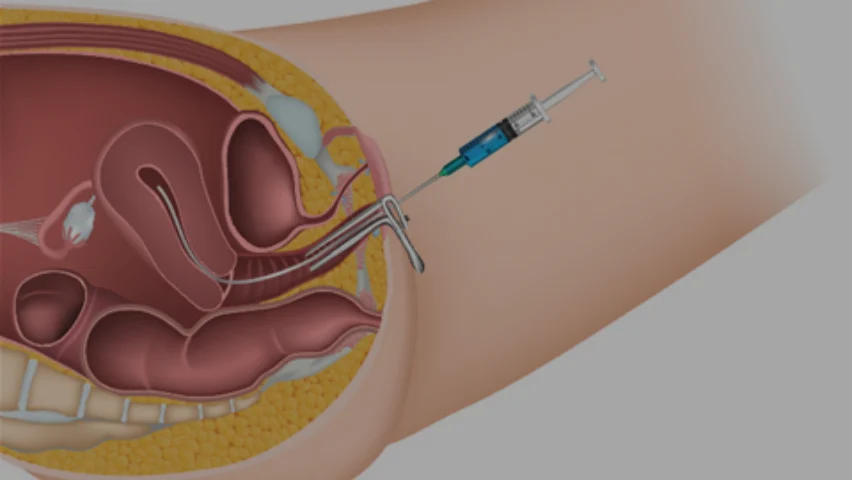
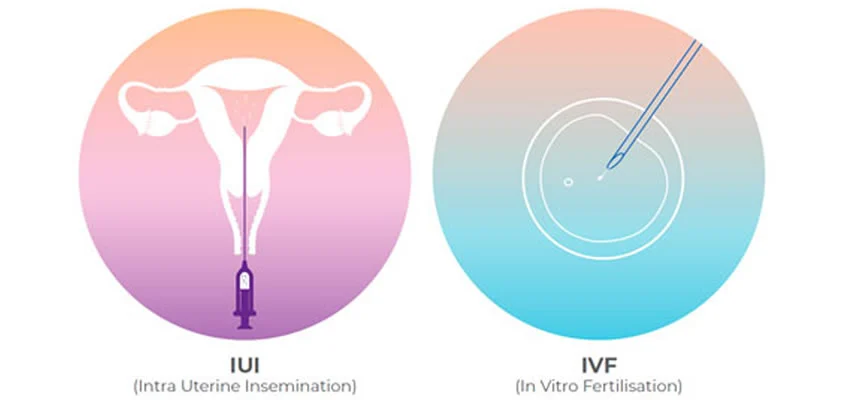
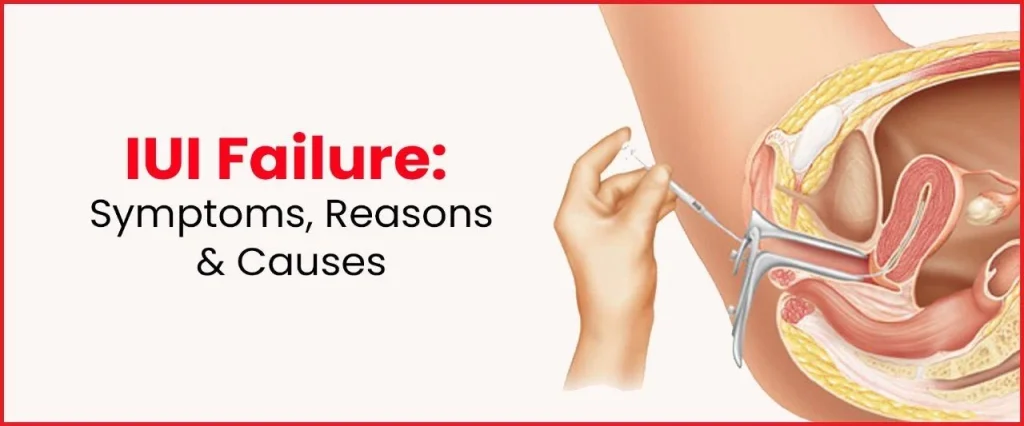
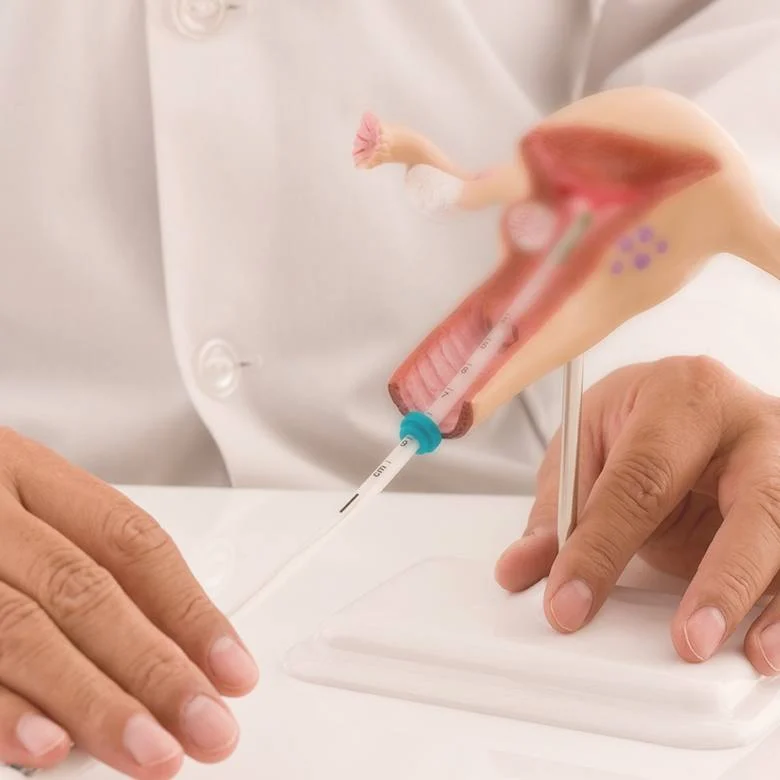
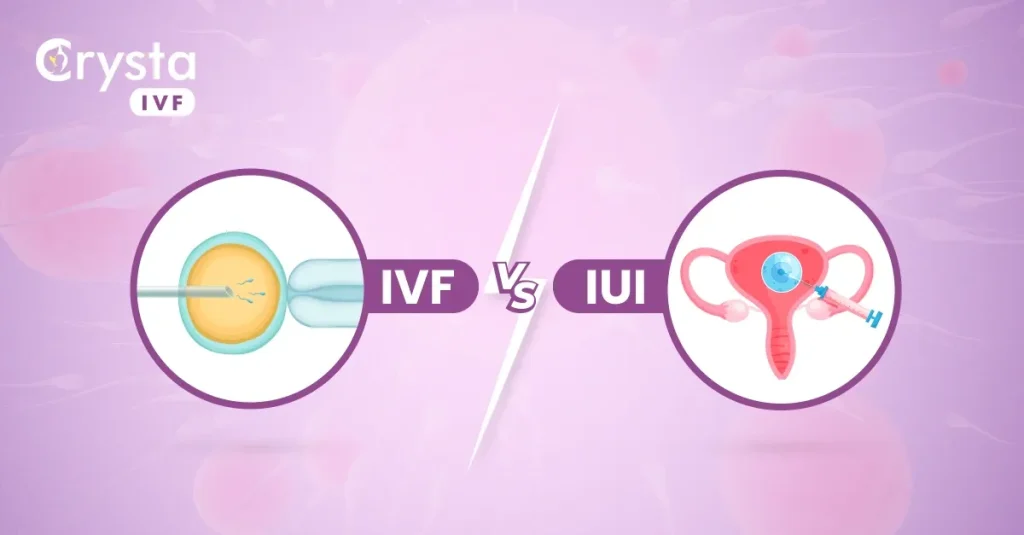
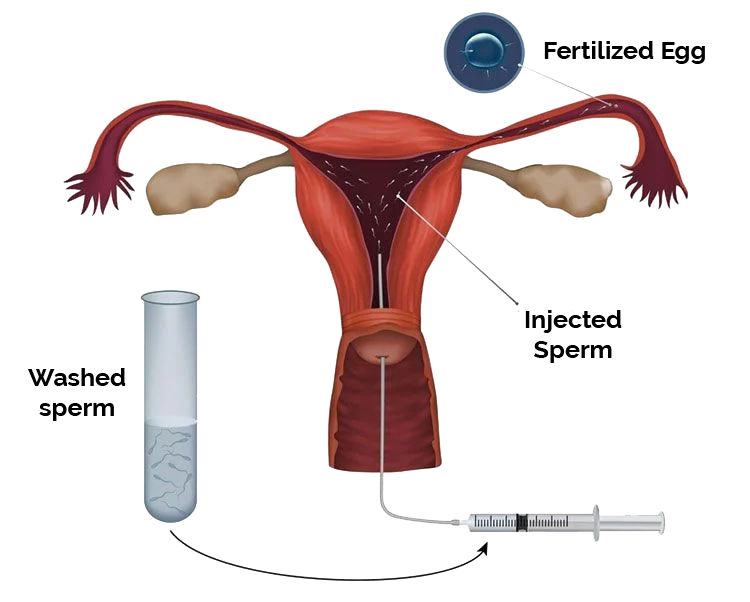
Clinical insemination, also known as intrauterine insemination (IUI), is a common fertility treatment used to help couples struggling with infertility. It involves placing washed and prepared sperm directly into a woman’s uterus, increasing the chances of fertilization and pregnancy. While this procedure may seem straightforward, it is not always successful. One important factor that can greatly affect the success rates of clinical insemination is stress.
The Impact of Stress on Clinical Insemination Success Rates
Stress is a natural response to challenging or overwhelming situations, and it is a common experience for individuals undergoing fertility treatments. In fact, studies have shown that couples dealing with infertility experience higher levels of stress and anxiety compared to those who are not struggling with fertility issues. This stress can come from various sources, such as financial strain, relationship strain, and the emotional toll of trying to conceive.
But how exactly does stress impact the success rates of clinical insemination? Let’s take a closer look at the potential effects of stress on this fertility treatment.
1. Hormonal Imbalance
Stress can disrupt hormonal balance in the body, particularly the hormones involved in the menstrual cycle and ovulation. This can affect the quality and timing of ovulation, which is crucial for successful clinical insemination. Hormonal imbalances can also lead to irregular or absent periods, making it difficult to track the best time for insemination.
2. Decreased Sperm Quality
Stress can also impact male fertility by decreasing sperm quality. Studies have shown that chronic stress can lead to lower sperm concentration, motility, and overall quality. This can greatly reduce the chances of successful fertilization during clinical insemination.
3. Reduced Blood Flow to the Uterus
Stress can cause the body to release a hormone called cortisol, which can constrict blood vessels and decrease blood flow to the uterus. This reduced blood flow can make it difficult for the sperm to reach the egg and can also affect the uterine lining, making it less receptive to implantation.
4. Increased Risk of Miscarriage
Stress has been linked to an increased risk of miscarriage in women undergoing fertility treatments. This is because stress can affect the immune system, making it more difficult for the body to support a developing pregnancy. This is especially important to consider during clinical insemination, as the procedure involves introducing sperm directly into the uterus, increasing the risk of miscarriage if the body is not in an optimal state.
5. Negative Impact on Mental Health
The Impact of Stress on Clinical Insemination Success Rates
Dealing with infertility and undergoing fertility treatments can take a toll on an individual’s mental health. Stress, anxiety, and depression are common among couples struggling to conceive. These mental health issues can not only make the fertility journey more difficult, but they can also have a negative impact on the success rates of clinical insemination. Studies have shown that individuals with higher levels of stress and anxiety have lower pregnancy rates after fertility treatments.
How to Manage Stress During Clinical Insemination
While it may not be possible to eliminate stress completely during clinical insemination, there are steps that individuals and couples can take to manage and reduce stress levels.
1. Seek Support
Dealing with infertility can be a lonely and isolating experience. It is important to seek support from loved ones, friends, or a therapist to help manage stress and emotions during this time. Support groups can also provide a safe space to connect with others who are going through a similar journey.
2. Practice Mindfulness
Mindfulness techniques, such as meditation and deep breathing, can help individuals cope with stress and anxiety. These practices can help reduce cortisol levels and promote a sense of calm and relaxation.
3. Exercise Regularly
Physical activity is not only beneficial for overall health, but it can also help reduce stress levels. Regular exercise can increase endorphins, which are known as “feel-good” hormones. It can also improve blood flow and promote a healthy weight, which can positively impact fertility.
4. Try Acupuncture
Acupuncture has been shown to reduce stress and improve fertility outcomes. This ancient Chinese practice involves inserting thin needles into specific points on the body to restore balance and promote relaxation.
5. Consider Counseling
Individual or couples counseling can provide a safe and supportive environment to work through the emotional toll of infertility. A therapist can also provide coping strategies and tools to manage stress during clinical insemination.
Summary:
Stress can have a significant impact on the success rates of clinical insemination. It can disrupt hormonal balance, decrease sperm quality, reduce blood flow to the uterus, increase the risk of miscarriage, and have a negative impact on mental health. To manage stress during this fertility treatment, individuals can seek support, practice mindfulness, exercise regularly, try acupuncture, and consider counseling.