Blog Post:
In recent years, the use of assisted reproductive technologies (ART) has become increasingly popular as a means of achieving pregnancy for individuals and couples struggling with fertility issues. One aspect of ART is egg donation, where a woman’s eggs are retrieved and used to create embryos for another individual or couple to use in their fertility treatment. However, there are two main ways that egg donation can occur – through egg retrieval or through egg sharing. While both methods have the same end goal of helping individuals achieve pregnancy, there are significant differences in the process and potential impacts on the mental health of the individuals involved. In this blog post, we will explore these differences and the impact they can have on mental health.
Egg Retrieval:
Egg retrieval, also known as traditional egg donation, involves a woman undergoing ovarian stimulation (using hormones) to produce multiple eggs, which are then removed through a minor surgical procedure. These eggs are then fertilized with sperm and the resulting embryos are transferred to the intended parent(s). This method is commonly used for individuals or couples who are unable to produce their own eggs or have a genetic condition they do not want to pass on.
While egg retrieval may seem like a straightforward process, it can have a significant impact on the mental health of the woman donating her eggs. The physical and emotional toll of undergoing ovarian stimulation and the surgical procedure can be overwhelming. The use of hormones can cause mood swings, anxiety, and depression. The surgical procedure itself may also cause discomfort and pain, which can lead to feelings of anxiety and stress. Additionally, there may be concerns about the potential risks and complications associated with the procedure.
Furthermore, the decision to donate eggs can also bring up complex emotions. Some women may feel a sense of loss or grief knowing that they will not be genetically related to any resulting children. This can be especially difficult for women who have their own children or have a desire to have children in the future. There may also be feelings of guilt or pressure to help others, which can be emotionally taxing.
Egg Sharing:
Egg sharing, on the other hand, involves a woman undergoing ovarian stimulation and egg retrieval, but instead of all the eggs being used for her own fertility treatment, she shares some of the retrieved eggs with another individual or couple. This method is commonly used for women who are undergoing in vitro fertilization (IVF) and have extra eggs that they are willing to donate.
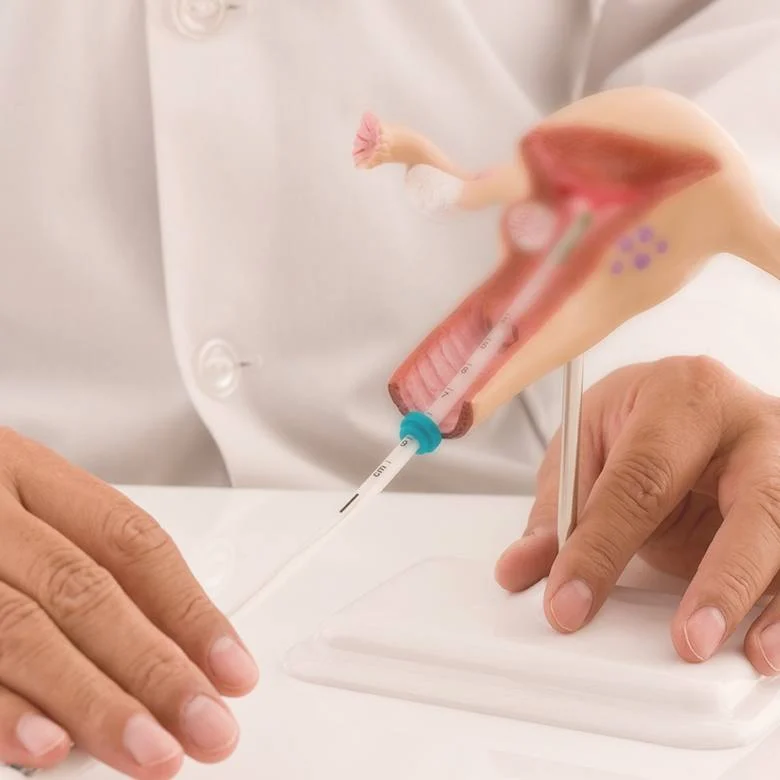
The Impact on Mental Health: Egg Retrieval vs Egg Sharing
One of the main differences between egg retrieval and egg sharing is the potential impact on the mental health of the woman donating her eggs. With egg sharing, the woman may experience similar physical and emotional effects from the ovarian stimulation and surgical procedure, but there may be less psychological burden. The woman is still undergoing the process for her own fertility treatment and may feel a sense of control and ownership over the eggs she is sharing, rather than feeling like she is giving them away.
However, there are still potential emotional challenges with egg sharing. The decision to share eggs may bring up concerns about the well-being of the resulting children and the potential relationship with the intended parent(s). There may also be feelings of jealousy or resentment if the intended parent(s) successfully achieve pregnancy while the woman donating does not. These emotions can be amplified if the egg sharing arrangement is with someone the woman knows, such as a friend or family member.
The Impact on Mental Health:
Both egg retrieval and egg sharing can have a significant impact on the mental health of the individuals involved. The physical and emotional toll of the procedures, as well as the complex emotions that may arise, can lead to feelings of stress, anxiety, and depression. Studies have shown that women who donate their eggs may experience higher levels of anxiety and depression compared to women who do not.
Furthermore, the lack of support and resources for women going through egg donation can also contribute to the negative impact on mental health. Many women may feel isolated and alone in their experiences, as egg donation is still a relatively taboo topic and not openly discussed. This lack of support can make it difficult for women to process their emotions and cope with the challenges they face.
It is also important to consider the long-term impact on mental health for women who have donated their eggs. While the physical effects of egg donation may subside after a few weeks, the emotional effects may linger. Some women may experience ongoing feelings of grief, loss, or guilt, which can have a significant impact on their mental well-being.
Summary:
Egg retrieval and egg sharing are two methods of egg donation that have different impacts on mental health. Egg retrieval, which involves a woman undergoing ovarian stimulation and surgical egg retrieval to donate all of her eggs, can have a significant emotional toll. This is due to the physical and psychological challenges of the procedures, as well as complex emotions such as grief, guilt, and pressure. On the other hand, egg sharing, where a woman shares some of her retrieved eggs with another individual or couple, may have less psychological burden, but can still bring up concerns and emotions related to the well-being of the resulting children and the relationship with the intended parent(s). Both methods can have a negative impact on the mental health of the individuals involved, and it is important for there to be more support and resources available for those going through the egg donation process.