Tag: Known Donors

  • The Emotional Impact of Sperm Banks vs Known Donors for Parents and Children

    Sperm banks and known donors are two options available for individuals or couples looking to start a family through donor conception. Both methods involve the use of donated sperm, but they differ in terms of anonymity and involvement of the donor. This decision can have a significant emotional impact on both parents and children, and it is important to consider the pros and cons of each option before making a decision.

    Sperm banks, also known as fertility clinics, are facilities that store and distribute donated sperm to help individuals or couples achieve pregnancy. These donors are anonymous, and their identity is kept confidential. This anonymity can be appealing to some parents as it provides a sense of privacy and eliminates any potential involvement of the donor in the child’s life. However, this can also lead to a lack of information about the donor’s medical history, personality traits, and other important factors that can affect the child’s physical and emotional well-being.

    On the other hand, known donors are individuals who personally know the intended parents and agree to donate their sperm. This can be a close friend or family member, or someone found through online platforms or support groups. Known donors often have a more involved role in the child’s life, and they may be open to maintaining a relationship with the child as they grow up. This can provide a sense of connection and identity for the child, as they have the opportunity to know their biological father.

    One of the most significant emotional impacts of sperm banks vs known donors is the sense of loss and grief experienced by both parents and children. For parents, the inability to conceive a child naturally can be a challenging and emotional journey. The use of donor sperm can often bring up feelings of inadequacy and loss of control, which can be amplified when using anonymous donors. The lack of information about the donor can also lead to uncertainty and a sense of disconnect from the child’s genetic origins.

    Similarly, children conceived through donor sperm may feel a sense of loss and confusion about their identity and biological roots. This can be especially challenging for children born from anonymous donors, as they may have limited information about their genetic background. This can lead to feelings of emptiness and a desire to know more about their donor and their heritage.
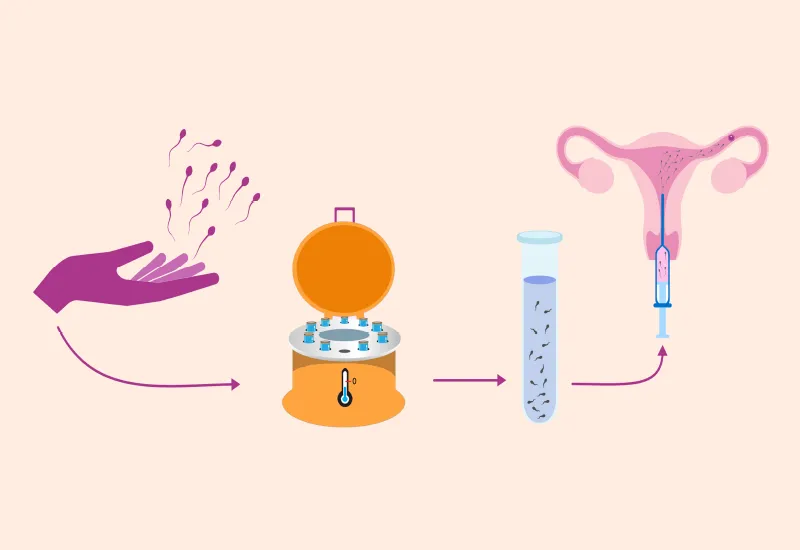
    illustration of the IUI process, showing sperm collection, preparation, and insertion into the uterus

    The Emotional Impact of Sperm Banks vs Known Donors for Parents and Children

    In contrast, known donors offer the child the opportunity to have a relationship with their biological father, which can have a positive impact on their emotional well-being. Knowing their donor’s identity and having access to their medical history and other personal information can also help children feel more connected to their genetic origins. However, the involvement of the known donor in the child’s life can also bring about its own set of emotional challenges, such as navigating boundaries and managing expectations.

    Another significant emotional impact of sperm banks vs known donors is the level of trust and communication involved in the process. With sperm banks, the donor is usually a complete stranger, and there is a level of trust placed in the facility to provide high-quality sperm and accurate information about the donor. This lack of personal connection can create feelings of uncertainty and anxiety for parents, as they may worry about the donor’s true intentions and the accuracy of the information provided.

    Known donors, on the other hand, involve a more personal and intimate relationship between the donor and the intended parents. This can lead to a higher level of trust and communication, as both parties are personally invested in the well-being of the child. However, this can also bring about potential conflicts and challenges, such as disagreements about the level of involvement and responsibilities of the donor.

    In conclusion, the emotional impact of sperm banks vs known donors is complex and deeply personal. Both options have their advantages and disadvantages, and it is essential for individuals or couples to carefully consider their priorities and values before making a decision. It is also crucial to seek support and guidance from professionals and support groups to navigate the emotional challenges that may arise during the donor conception process. Ultimately, the most crucial factor is creating a loving and supportive environment for the child, regardless of the method of conception.

    In summary, the decision between sperm banks and known donors can have a significant emotional impact on parents and children. Sperm banks offer anonymity and privacy, but may also lead to a lack of information and a sense of loss. Known donors, on the other hand, provide a personal connection and the opportunity for a relationship with the biological father, but can also bring about emotional challenges and conflicts. It is crucial for individuals or couples to carefully consider their priorities and seek support to navigate the emotional journey of donor conception.
  • Breaking Down the Costs: Sperm Banks vs Known Donors

    Blog Post: Breaking Down the Costs: Sperm Banks vs Known Donors

    Choosing to have a child through artificial insemination is a big decision and comes with a lot of important considerations. One of the biggest factors to think about is whether to use a sperm bank or a known donor. While there are pros and cons to each option, one of the most pressing concerns for many prospective parents is the cost. In this blog post, we will break down the costs associated with sperm banks and known donors to help you make an informed decision.

    Sperm Banks:

    Sperm banks are facilities that collect and store donated sperm for the purpose of artificial insemination. Using a sperm bank can offer a wide selection of donors, thorough screening processes, and legal protections for both the donor and the recipient. However, all of these benefits come at a cost.

    Initial Fees: The first cost associated with using a sperm bank is the initial fees. This typically includes registration fees, background checks, and initial consultations. These fees can range from a few hundred to a few thousand dollars.

    Donor Fees: The biggest expense when using a sperm bank is the donor fees. Sperm banks charge for each vial of sperm, with prices ranging from $500 to $1000 per vial. On average, it takes about 2-3 vials to achieve pregnancy, meaning total donor fees can range from $1000 to $3000.

    Shipping and Storage: If you are not located near a sperm bank, you will also need to factor in the cost of shipping the vials to your location. This can add an additional $100-$200 per shipment. In addition, most sperm banks charge an annual storage fee for keeping the vials in their facility, typically ranging from $100-$500 per year.

    Medical Expenses: It’s important to note that these costs only cover the sperm itself. You will also need to factor in the cost of medical procedures, such as intrauterine insemination (IUI) or in vitro fertilization (IVF), which can range from $500 to $10,000 per cycle.

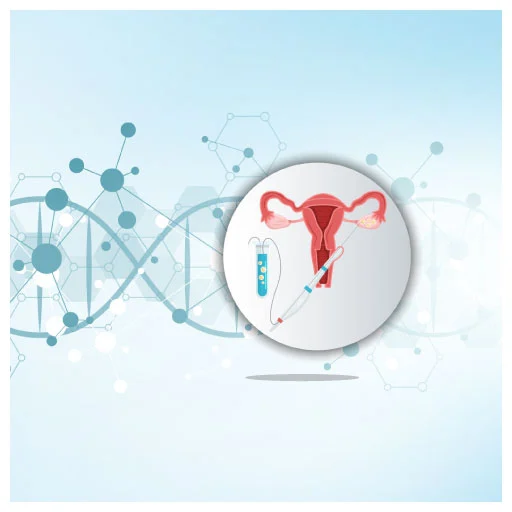
    Illustration of IUI procedure with uterus and syringe against a DNA background.

    Breaking Down the Costs: Sperm Banks vs Known Donors

    Known Donors:

    Known donors are individuals that you personally know and have chosen to donate their sperm for your use. This option can offer a more personal connection to the donor and may be a more cost-effective option. However, there are some important costs to consider.

    Legal Fees: One of the biggest costs associated with using a known donor is the legal fees. It’s important to have a legal agreement in place to protect both the donor and the recipient. This typically requires the services of a lawyer, which can range from $1000 to $3000.

    Medical Expenses: As with using a sperm bank, you will still need to factor in the cost of medical procedures when using a known donor. This can include fertility testing, IUI or IVF, and any additional medical treatments.

    Other Expenses: It’s important to also consider other potential expenses when using a known donor. This may include travel expenses if the donor is not local, as well as any compensation or expenses you may choose to provide for the donor.

    Summary:

    In summary, choosing between a sperm bank and a known donor comes with its own set of costs to consider. Sperm banks offer the convenience of a wide selection of donors and thorough screening processes, but can be quite costly. On the other hand, using a known donor can be more affordable, but requires legal fees and other potential expenses. It’s important to carefully weigh these costs and consider all of your options before making a decision.

    In general, the total cost of using a sperm bank can average around $10,000-$15,000 per cycle, while using a known donor can range from $5,000 to $10,000 per cycle. It’s important to keep in mind that these costs can vary depending on factors such as location, medical procedures, and any additional expenses.

    In the end, the decision between using a sperm bank or a known donor will ultimately depend on your personal preferences and financial situation. It’s important to carefully consider all of the costs and weigh them against the benefits of each option. No matter which path you choose, the most important thing is to ensure that you are making the best decision for you and your future family.

  • Navigating the World of Sperm Donation: Sperm Banks vs Known Donors

    Navigating the World of Sperm Donation: Sperm Banks vs Known Donors

    Sperm donation has become a popular option for individuals and couples who are unable to conceive through traditional means. With advancements in reproductive technology, there are now various options available for those seeking sperm donation. However, navigating the world of sperm donation can be overwhelming, with the decision of using a sperm bank or a known donor being one of the most significant ones. In this blog post, we will explore the differences between sperm banks and known donors and provide some guidance for those considering sperm donation.

    What is Sperm Donation?

    Sperm donation involves the process of using donated sperm to help a person or couple conceive a child. The donated sperm is used in artificial insemination or in vitro fertilization (IVF) procedures, and it can come from either a sperm bank or a known donor.

    Sperm Banks

    Sperm banks are facilities that collect, store, and distribute donated sperm. They have strict screening processes for donors to ensure that only healthy and genetically viable sperm is used for fertilization. The donor’s identity is kept confidential, and the sperm is usually frozen and stored for future use.

    Pros of Sperm Banks

    1. Safety and Reliability: Sperm banks have stringent screening processes in place to ensure the safety and quality of the donated sperm. This includes testing for infectious diseases, genetic disorders, and physical characteristics. This provides peace of mind to the recipient, knowing that the sperm they are receiving is healthy and safe.

    2. Anonymity: Sperm banks provide anonymity to donors, which means that the recipient will not know the donor’s identity. This can be crucial for some individuals or couples who prefer not to have any contact with the donor or have concerns about future legal issues.

    3. Wider Selection: Sperm banks have a larger pool of donors, which means that recipients have a wider selection to choose from. Donors are also usually available from different ethnicities, races, and physical characteristics, giving recipients the opportunity to find a donor that matches their preferences.

    Cons of Sperm Banks

    1. Cost: Sperm banks can be expensive, with the cost of one vial of sperm ranging from $500 to $1000. This can be a significant financial burden for those who require multiple vials for successful insemination.

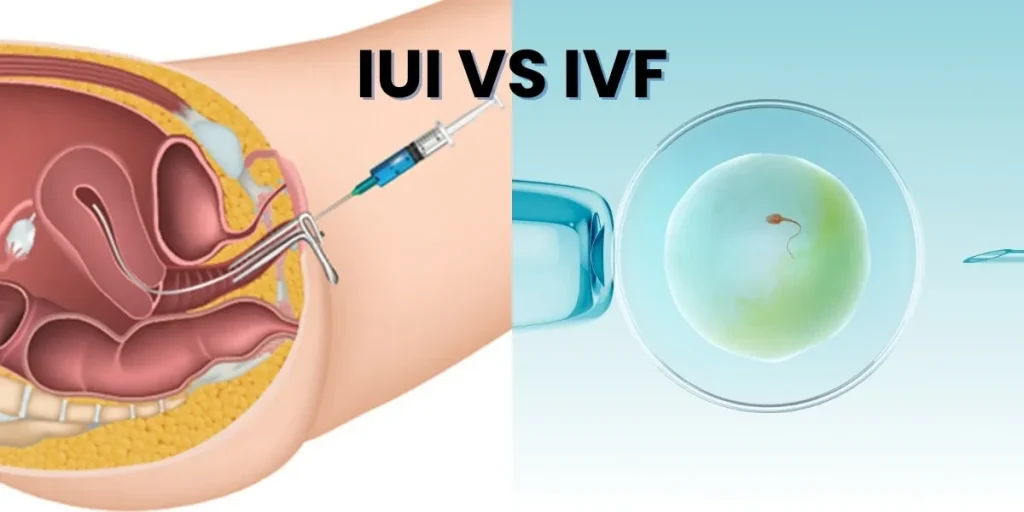
    comparison of IUI and IVF fertility treatments with illustrations of procedures and a petri dish with an egg and sperm

    Navigating the World of Sperm Donation: Sperm Banks vs Known Donors

    2. Limited Information: While sperm banks provide some information about the donor’s physical characteristics, medical history, and education, it is usually limited. This can be a disadvantage for recipients who would like more in-depth information about the donor.

    Known Donors

    Known donors are individuals who donate their sperm directly to the recipient, usually someone they know or someone they have connected with through a sperm donation website. The process of using a known donor is less formal and regulated than using a sperm bank.

    Pros of Known Donors

    1. Relationship with Donor: The use of a known donor allows for a more personal connection between the donor and the recipient. This can be beneficial for those who would like their child to have a relationship with their biological father or for those who prefer a more intimate experience.

    2. Cost-effective: Known donors do not charge for their sperm, making it a more cost-effective option compared to sperm banks. This can be a significant advantage for those on a tight budget.

    Cons of Known Donors

    1. Potential Legal Issues: One of the most significant disadvantages of using a known donor is the potential for legal issues to arise. As the donor is known, there is a possibility for them to claim parental rights in the future, which can create complications in terms of custody and financial responsibilities.

    2. Lack of Regulation: Unlike sperm banks, known donors are not regulated, which means that they do not undergo the same screening processes. This can lead to uncertainty about the quality and safety of the donated sperm.

    3. Emotional Complications: Using a known donor can create emotional complexities, especially if the donor is a friend or family member. This can also cause conflicts and strain in relationships if expectations are not clearly communicated and agreed upon.

    Summing Up

    Sperm donation can be a viable option for those struggling with fertility. While both sperm banks and known donors have their pros and cons, it ultimately comes down to personal preferences and circumstances. Sperm banks offer a safer and more regulated option, while known donors provide a more personal and cost-effective approach. It is essential to carefully consider all factors and seek professional advice before making a decision.

    In summary, navigating the world of sperm donation can be overwhelming, but understanding the differences between sperm banks and known donors can help with the decision-making process. Consider the pros and cons of each option, and seek professional guidance to make an informed decision.

  • Choosing a Biological Father: The Debate Between Sperm Banks and Known Donors

    Choosing a Biological Father: The Debate Between Sperm Banks and Known Donors

    When it comes to starting a family, one of the most important decisions to make is choosing a biological father. For many couples and individuals, the traditional method of conception may not be an option, leading them to explore alternative methods such as sperm banks and known donors. However, this decision can be daunting and overwhelming, as it involves not only legal and financial considerations but also emotional ones. In this blog post, we will delve into the debate between sperm banks and known donors, discussing the pros and cons of each option to help you make an informed decision.

    Sperm Banks: Pros and Cons

    Sperm banks, also known as cryobanks, are facilities that store and distribute sperm for use in artificial insemination or other assisted reproductive techniques. They offer a range of donors to choose from, including anonymous, semi-open, and open donors. Here are some pros and cons of using a sperm bank as a means of conceiving a child.

    Pros:

    1. Anonymity: One of the main advantages of using a sperm bank is the anonymity it provides. For those who value privacy and don’t want the donor to have any involvement in the child’s life, this can be a significant factor.

    2. Medical Screening: Sperm banks thoroughly screen their donors for medical and genetic conditions, ensuring that the sperm used for insemination is of high quality and free from any potential health risks.

    3. Variety of Donors: Sperm banks offer a wide variety of donors to choose from, including physical characteristics, education, and occupation. This allows individuals and couples to find a donor that closely matches their desired traits.

    4. Legal Protection: When using a sperm bank, the donor’s rights and responsibilities are outlined in a legal contract, providing protection for both the donor and the recipient.

    Cons:

    1. Lack of Control: One of the main drawbacks of using a sperm bank is the lack of control over the donor’s identity. The child may have questions about their biological father that cannot be answered due to the anonymity of the donor.

    2. Cost: Sperm banks can be expensive, with the cost of one vial of sperm ranging from $500 to $1000. This cost can add up, especially if multiple attempts are needed to achieve pregnancy.

    3. Emotional Connection: Using a sperm bank means that the donor has no involvement in the child’s life. This can be a disadvantage for those who want the child to have a relationship with their biological father.

    Illustration of IUI procedure with uterus and syringe against a DNA background.

    Choosing a Biological Father: The Debate Between Sperm Banks and Known Donors

    Known Donors: Pros and Cons

    Known donors, also known as known sperm donors, are individuals who donate their sperm directly to the recipient, whether it be a friend, family member, or someone they met through a donor matching service. Let’s take a look at the pros and cons of using a known donor.

    Pros:

    1. Control: The main advantage of using a known donor is the level of control over the process. The recipient can choose someone they know and trust, and they can also negotiate the level of involvement the donor will have in the child’s life.

    2. Emotional Connection: By using a known donor, the recipient has the opportunity for the child to have a relationship with their biological father. This can be beneficial for both the child and the recipient, as the child can have a sense of identity and the recipient can have the support of the donor.

    3. Cost: Using a known donor can be a more cost-effective option as there is no need to pay for the sperm itself, only for any medical procedures or legal fees.

    Cons:

    1. Legal Complications: One of the major drawbacks of using a known donor is the potential for legal complications. Without a legal contract in place, the donor may have parental rights and responsibilities, which can lead to custody battles and financial obligations.

    2. Medical Screening: Unlike sperm banks, known donors may not undergo the same rigorous medical screening processes. This can pose a risk to the recipient and the child’s health.

    3. Relationship Strain: Using a known donor can put a strain on the relationship between the recipient and the donor, especially if expectations and boundaries are not clearly communicated.

    Making the Decision

    Ultimately, the decision between using a sperm bank or a known donor comes down to personal preferences and circumstances. If anonymity and medical screening are a priority, then a sperm bank may be the best option. However, if control and an emotional connection with the donor are important, then using a known donor may be the better choice. It is essential to carefully consider all factors and seek legal and medical advice before making a decision.

    In conclusion, choosing a biological father is a complex and personal decision. Both sperm banks and known donors have their advantages and disadvantages, and it is crucial to weigh them carefully before making a choice. Regardless of which option is chosen, the most important thing is to ensure that all parties involved are comfortable and informed, and that the best interests of the child are the top priority.

  • The Pros and Cons of Sperm Banks vs Known Donors

    Blog Post Title: The Pros and Cons of Sperm Banks vs Known Donors: Making an Informed Choice

    Introduction

    In today’s world, there are various options available for individuals and couples who want to start a family but are unable to do so through traditional means. One of these options is using sperm from a sperm bank or a known donor. While both options have their own set of advantages and disadvantages, it is important to understand the differences between them in order to make an informed decision. In this blog post, we will explore the pros and cons of using sperm banks vs known donors.

    What is a Sperm Bank?

    A sperm bank is a facility that collects, freezes, and stores sperm from anonymous donors for use in assisted reproduction. These donors are typically screened for genetic diseases and medical conditions, as well as physical and mental health. Sperm banks also maintain strict confidentiality and anonymity for both the donors and the recipients.

    Pros of Sperm Banks

    1. Anonymity and Confidentiality

    One of the main advantages of using sperm from a sperm bank is the anonymity and confidentiality it provides. Both the donor and the recipient are kept anonymous, which can be beneficial for individuals or couples who want to keep their family planning private.

    2. Medical Screening

    Sperm banks have strict policies in place for medical screening of donors. This ensures that the sperm used for assisted reproduction is of high quality and does not carry any genetic diseases or medical conditions that could be passed on to the child.

    3. Legal Protection

    Using sperm from a sperm bank also provides legal protection for both the donor and the recipient. The sperm bank will handle all legal aspects, including contracts and agreements, which can help avoid any potential legal issues in the future.

    Cons of Sperm Banks

    1. Limited Information about Donor

    One of the main drawbacks of using sperm from a sperm bank is the limited information available about the donor. While some sperm banks provide basic information such as physical characteristics and medical history, the donors remain anonymous and there is no way to get to know them personally.

    2. Cost

    Using sperm from a sperm bank can be expensive, with costs varying depending on the location and the specific sperm bank. In addition to the cost of the sperm itself, there may also be fees for medical screening, storage, and shipping.

    3. Limited Availability

    Sperm banks may have limited availability of sperm from certain ethnicities or races, making it difficult for individuals or couples from these backgrounds to find a suitable donor.

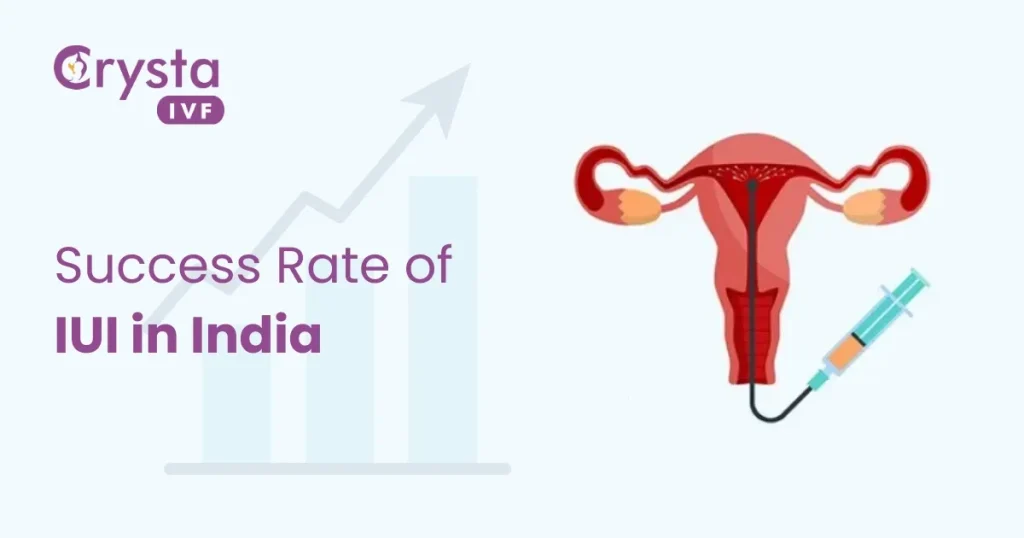
    success rate of IUI in India with a graphic of a uterus and syringe alongside a rising graph

    The Pros and Cons of Sperm Banks vs Known Donors

    What is a Known Donor?

    A known donor is an individual who provides sperm for assisted reproduction to someone they know personally. This can be a friend, relative, or someone they have met through a sperm donation website or forum. Known donors may or may not be screened for medical conditions or genetic diseases, depending on the agreement between the donor and the recipient.

    Pros of Known Donors

    1. Personal Connection

    Using sperm from a known donor allows the recipient to have a personal connection with the donor. This can be important for some individuals or couples, as they may want their child to have a relationship with their biological father.

    2. Flexibility in Choosing Donor

    With a known donor, the recipient has the flexibility to choose someone they know and trust. This can help ensure that the donor shares similar values and beliefs, making it a more comfortable and familiar choice.

    3. Lower Cost

    Using a known donor can be a more affordable option compared to using sperm from a sperm bank. This is because there are no fees associated with obtaining sperm from a sperm bank, and the donor may be willing to provide sperm for free.

    Cons of Known Donors

    1. Risk of Legal Issues

    Unlike using sperm from a sperm bank, using a known donor can pose the risk of legal issues in the future. Without proper legal contracts and agreements in place, the donor may have legal rights and responsibilities towards the child.

    2. No Guarantee of Medical Screening

    With a known donor, there is no guarantee that the donor has been screened for genetic diseases or medical conditions. This can pose a risk to the health of the child and the recipient.

    3. Potential for Complications in Relationships

    Using a known donor can also lead to complications in relationships, especially if the donor is a friend or relative. This can potentially strain the relationship and create conflicts or awkward situations in the future.

    Summary

    In summary, both sperm banks and known donors have their own set of pros and cons. Sperm banks offer anonymity, confidentiality, and medical screening, but can be expensive and have limited information about the donor. On the other hand, known donors offer a personal connection, flexibility in choosing a donor, and lower cost, but pose the risk of legal issues, lack of medical screening, and potential complications in relationships. It is important to consider these factors and make an informed decision that is best for you and your future family.

    In conclusion, whether you choose to use sperm from a sperm bank or a known donor, it is important to do thorough research and seek professional advice to ensure a safe and successful journey towards parenthood.

  • The Intersection of Love and Science: The Evolution of Sperm Donation and Co-Parenting

    Blog Post Title: The Intersection of Love and Science: The Evolution of Sperm Donation and Co-Parenting

    Summary:

    Love and science have long been intertwined, and one area where this intersection is particularly evident is in the evolution of sperm donation and co-parenting. In the past, traditional family structures were the norm, but today, with advances in reproductive technology and changing societal norms, alternative forms of family building have emerged.

    Sperm donation has been around for centuries, with records of it dating back to the ancient Greeks and Romans. However, it wasn’t until the 20th century that it became a more widely accepted and regulated practice. In the 1950s, artificial insemination became a viable option for couples struggling with fertility issues. This procedure involved using fresh or frozen sperm from a donor to fertilize a woman’s egg. While this method was initially used only for married couples, it eventually became available to single women and lesbian couples as well.

    As technology continued to advance, so did the options for sperm donation. In the 1970s, the first successful live birth from a donor egg was recorded, and in the 1980s, the first successful pregnancy from a frozen embryo was achieved. These developments opened up new possibilities for individuals and couples who were unable to conceive or carry a child on their own.

    With the rise of reproductive technology, the concept of co-parenting also emerged. Co-parenting refers to the arrangement where two or more people share the responsibility of raising a child, without necessarily being romantically involved. This could involve a same-sex couple choosing to have a child with a friend of the opposite sex, or a single person teaming up with a friend or family member to raise a child together.

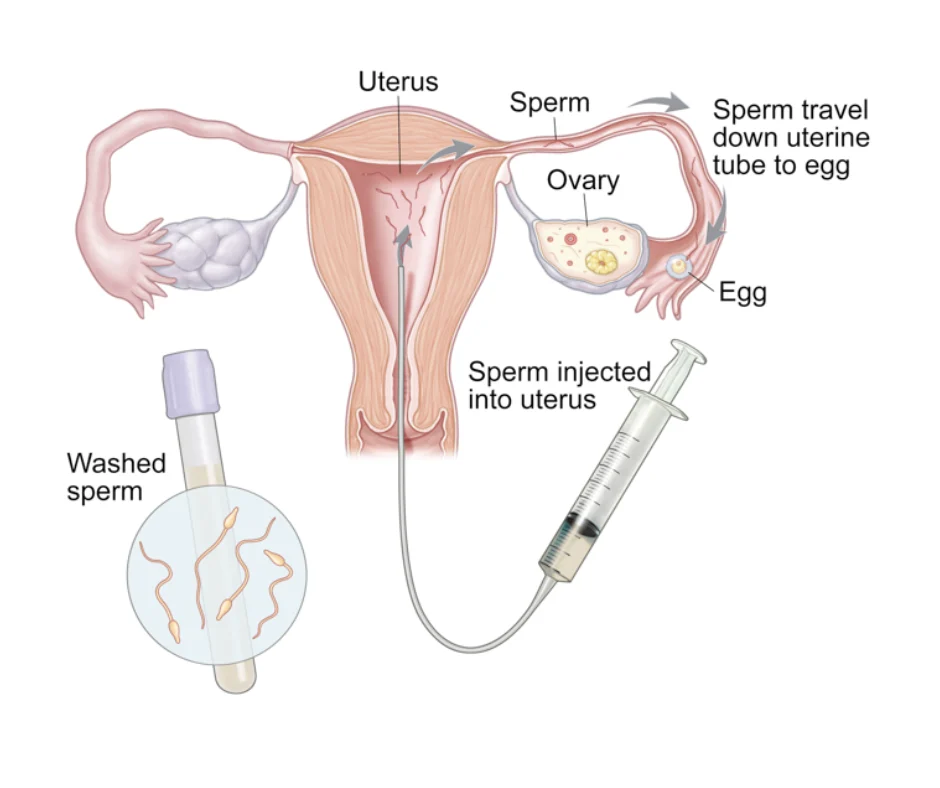
    diagram illustrating intrauterine insemination process, showing sperm injection into the uterus and egg fertilization pathway

    The Intersection of Love and Science: The Evolution of Sperm Donation and Co-Parenting

    The evolution of sperm donation and co-parenting has also been influenced by changing societal norms. With more people choosing to delay marriage and parenthood, and an increasing number of single and same-sex individuals wanting to start a family, alternative methods of family building have become more widely accepted and accessible.

    One significant development in the world of sperm donation and co-parenting is the rise of online platforms that connect potential donors and co-parents. These platforms allow individuals and couples to browse profiles and choose a donor or co-parent based on various criteria such as physical characteristics, education, and personality traits. This offers more options and control for those seeking to start a family, but it also raises questions about the ethics and potential risks of such arrangements.

    Another factor that has influenced the evolution of sperm donation and co-parenting is the increasing openness and transparency surrounding these processes. In the past, sperm donors were typically anonymous, and the details of the donation process were kept confidential. However, as more people began to speak out about their experiences as donor-conceived individuals, there has been a push for more transparency and the option for donor-conceived individuals to connect with their biological parents.

    This shift towards openness has also led to the rise of “known donors” – individuals who donate sperm to someone they know, such as a friend or family member. This type of arrangement allows for a more personal connection between the donor and the child, and it also offers the child the opportunity to know their biological parent.

    While sperm donation and co-parenting have come a long way, there are still challenges and controversies surrounding these practices. One major concern is the lack of legal protections for donors and co-parents, particularly in cases where the arrangement is made outside of a clinic or agency. This can lead to complicated legal battles and potential disputes over parental rights and responsibilities.

    There is also the issue of the emotional impact on all parties involved. For donors, there may be feelings of attachment and responsibility towards the child, even if they are not legally recognized as a parent. Similarly, for co-parents, there may be challenges in navigating their roles and responsibilities, especially if the arrangement involves multiple individuals.

    In conclusion, the intersection of love and science has led to significant advancements in sperm donation and co-parenting, offering new possibilities for individuals and couples to start a family. However, with these changes also come challenges and ethical concerns that must be carefully considered and addressed. As technology and societal norms continue to evolve, it is essential to continue exploring and discussing these issues to ensure the best possible outcomes for all involved.