Blog Post:
Fertility preservation has become a popular option for individuals who want to delay parenthood for various reasons. Whether it’s due to medical conditions, career goals, or personal circumstances, fertility preservation allows individuals to freeze their eggs or sperm for future use. However, this process also comes with emotional challenges, especially when it involves the unknown. In this blog post, we will discuss the emotional side of fertility preservation and offer coping strategies for dealing with the uncertainties that come with it.
The decision to pursue fertility preservation is often a difficult one. It involves acknowledging the possibility that one may not be able to conceive naturally in the future. This realization can bring about feelings of sadness, anger, and grief. For many, it can also trigger a sense of loss and a fear of missing out on a crucial aspect of life. These emotions can be overwhelming, and it’s essential to address them before and during the fertility preservation process.
One of the most significant uncertainties that individuals face during fertility preservation is the success rate. While advancements in technology have improved the success rates, there is still no guarantee that the frozen eggs or sperm will result in a successful pregnancy in the future. This uncertainty can cause tremendous anxiety and stress, and it’s crucial to find healthy ways to cope with these emotions.
One coping strategy is to educate yourself about the fertility preservation process thoroughly. Understanding the steps involved, the success rates, and the potential risks can help manage expectations and reduce anxiety. It’s also essential to have open and honest discussions with your doctor and fertility specialist. Ask questions, express your concerns, and have realistic conversations about the process. This can help you feel more in control and alleviate some of the fears and uncertainties.
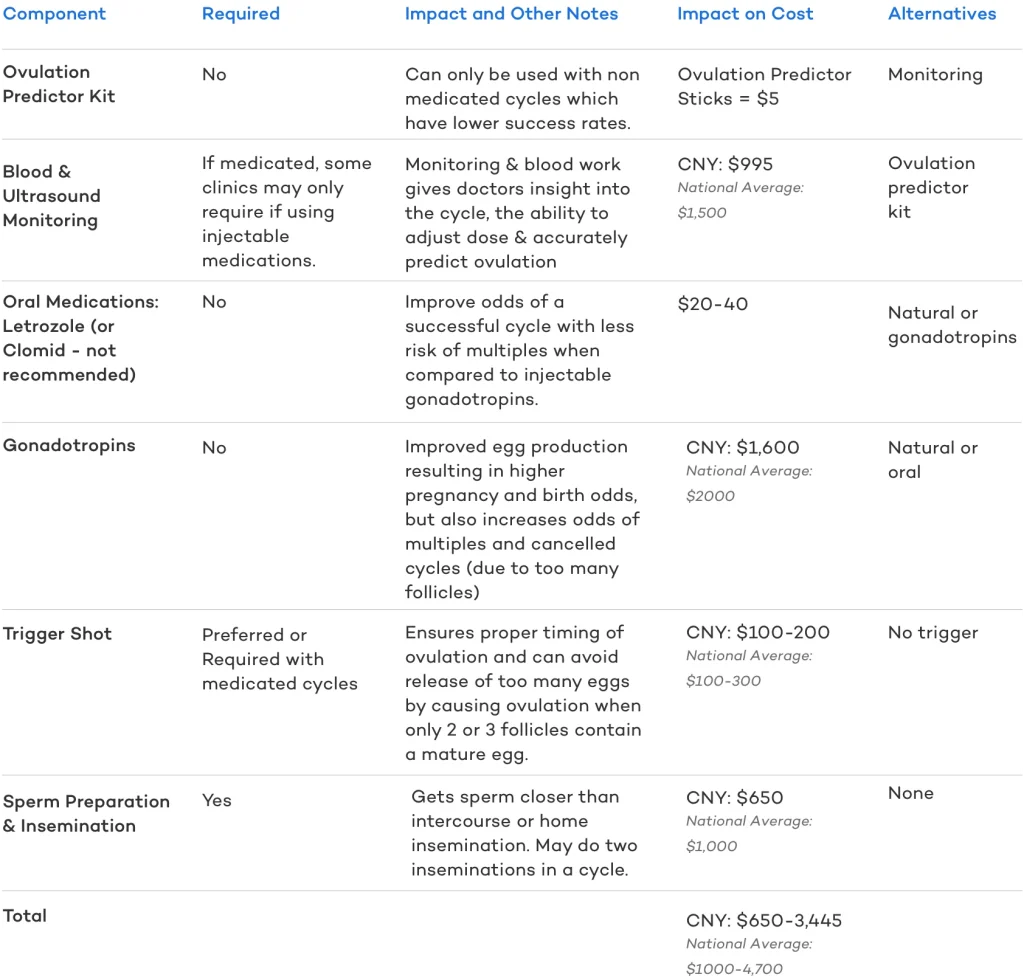
Another significant emotional challenge that individuals face during fertility preservation is the financial burden. The process can be expensive, and not everyone has the financial means to pursue it. This can lead to feelings of guilt, frustration, and even shame for not being able to afford something that could potentially change their future. It’s essential to acknowledge these emotions and find ways to cope with them.
The Emotional Side of Fertility Preservation: Coping with the Unknown
One way to manage the financial burden is to research and explore different payment options. Some fertility clinics offer financing plans, and there may be grants or financial assistance programs available. It’s also crucial to have open and honest conversations with your partner, family, and friends about the financial challenges you may be facing. This can help alleviate some of the pressure and provide emotional support.
In addition to the emotional challenges of fertility preservation, individuals also have to cope with the physical aspects of the process. For women, it involves hormone injections, egg retrieval procedures, and potential side effects. For men, it may involve frequent semen samples and potential surgical procedures. These physical demands can take a toll on one’s emotional well-being.
It’s essential to prioritize self-care during the fertility preservation process. This can include getting enough rest, eating a healthy diet, and engaging in physical activity. It’s also crucial to find healthy ways to manage stress, such as meditation, yoga, or therapy. Taking care of your physical and emotional well-being can help you feel more in control and better equipped to handle the uncertainties of the process.
Another emotional challenge that individuals face during fertility preservation is the impact on relationships. It can be challenging to navigate the process with a partner, family members, or friends, especially if they have different opinions or expectations. There may also be feelings of isolation and loneliness, as not everyone may understand or support the decision to pursue fertility preservation.
It’s essential to communicate openly and honestly with your partner and loved ones throughout the process. Share your thoughts, fears, and hopes with them, and listen to their perspectives as well. It’s also crucial to set boundaries and take breaks from conversations or situations that may be triggering or overwhelming. Seeking support from a therapist or joining a support group can also be beneficial in managing the emotional toll on relationships.
Lastly, it’s crucial to acknowledge that the emotional side of fertility preservation is a journey. It’s not a one-time event, and it’s normal to experience a range of emotions throughout the process. It’s essential to be patient and kind to yourself and allow yourself to feel and process these emotions. It’s also crucial to celebrate the milestones and successes, no matter how small they may seem.
In summary, fertility preservation is a complex and emotional journey that involves coping with the unknown. It’s essential to address the emotional challenges that come with it and find healthy ways to cope. This can include educating yourself, seeking support, prioritizing self-care, and communicating openly with your partner and loved ones. Remember to be patient and kind to yourself and celebrate the milestones and successes along the way. Fertility preservation may involve uncertainties, but with the right support and coping strategies, you can navigate through it and make the best decisions for your future.