Tag: support system

  • The Unique Challenges Faced by Same-Sex Couples Pursuing Home Insemination or IVF

    Blog Post: The Unique Challenges Faced by Same-Sex Couples Pursuing Home Insemination or IVF

    Same-sex couples have long faced unique challenges when it comes to starting a family. While adoption and surrogacy have been popular options for many, others have turned to home insemination or in vitro fertilization (IVF) as a way to conceive. However, these methods also come with their own set of challenges and hurdles for same-sex couples. In this blog post, we will explore the unique challenges faced by same-sex couples pursuing home insemination or IVF and provide insights and tips on how to overcome them.

    1. Legal Hurdles: One of the biggest challenges faced by same-sex couples pursuing home insemination or IVF is the lack of legal protection. In many countries, same-sex marriage and parenting are not recognized, which can make it difficult for couples to navigate the legal system when it comes to issues such as parental rights and custody. This can also lead to complications when it comes to obtaining birth certificates and other legal documents for the child.

    2. Finding a Donor: For same-sex couples, finding a donor can be a daunting task. While some couples may opt for known donors such as a friend or family member, others may choose anonymous donors from sperm banks. However, this process can be emotionally and financially draining, as there is often a limited pool of donors available and the cost of sperm can be high. Additionally, same-sex couples may face discrimination or bias from certain sperm banks, which can make the process even more challenging.

    3. Dealing with Stereotypes: Same-sex couples also have to deal with the stigma and stereotypes surrounding their decision to start a family. From facing questions and comments about their ability to be good parents to having to constantly justify their choices, these stereotypes can add an extra layer of stress and emotional burden for couples already going through a challenging process.

    4. Lack of Support: Unlike heterosexual couples who can turn to their families and communities for support and advice, same-sex couples may find themselves lacking a support system. This can be especially difficult for couples pursuing home insemination or IVF, as they may not have anyone to turn to for guidance or emotional support during the process.

    5. Financial Burden: Home insemination and IVF can be expensive, and same-sex couples often face additional financial burdens compared to heterosexual couples. This can include the cost of sperm, fertility treatments, legal fees, and other expenses. For couples with limited financial resources, this can make the dream of starting a family seem out of reach.

    6. Dealing with Discrimination: Unfortunately, same-sex couples may also face discrimination from healthcare providers when it comes to fertility treatments. Some doctors and clinics may refuse to provide services to same-sex couples or may not have experience dealing with their unique needs. This can make it difficult for couples to find a healthcare provider who is supportive and knowledgeable about their situation.
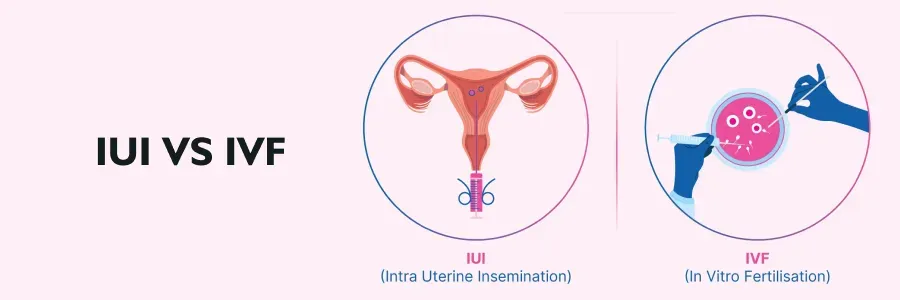
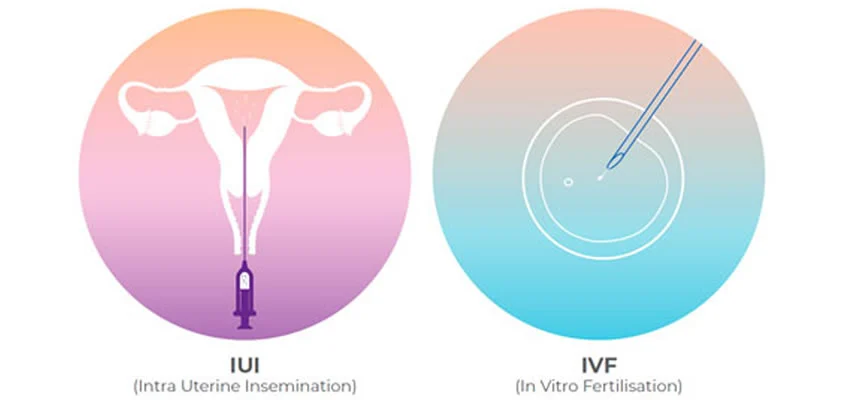
    Comparison of IUI and IVF with illustrations of each procedure.

    The Unique Challenges Faced by Same-Sex Couples Pursuing Home Insemination or IVF

    7. Legal Parental Rights: Another challenge faced by same-sex couples is the lack of legal parental rights for both partners. In many countries, only one partner is legally recognized as the parent, which can lead to complications in the event of a separation or if one partner passes away. This can also make it difficult for same-sex couples to make decisions about their child’s healthcare and education.

    Tips for Overcoming These Challenges:

    1. Educate Yourself: Before embarking on the journey of home insemination or IVF, it’s important for same-sex couples to educate themselves about the legal and financial aspects of the process. This can help them be prepared for any challenges that may arise and find ways to overcome them.

    2. Seek Legal Advice: Consulting with a lawyer who specializes in family and LGBTQ+ rights can help same-sex couples understand their legal rights and options. They can also help couples navigate the legal system and obtain necessary documents for their child.

    3. Find a Support System: Surrounding yourself with a supportive community can make a huge difference in dealing with the challenges of home insemination or IVF. This can include joining online support groups, connecting with other same-sex couples going through a similar journey, or seeking counseling to help cope with any emotional stress.

    4. Research Donor Options: Researching different donor options, such as known donors and sperm banks, can help same-sex couples find the best fit for their family. It’s also important to thoroughly research and choose a reputable sperm bank that is inclusive and supportive of LGBTQ+ families.

    5. Advocate for Yourself: Don’t be afraid to speak up and advocate for yourself and your partner. If you face discrimination from healthcare providers or sperm banks, don’t hesitate to report it and seek out alternative options.

    In conclusion, same-sex couples pursuing home insemination or IVF may face a unique set of challenges, but with proper education, support, and advocacy, these hurdles can be overcome. By staying informed and seeking out the right resources and support, same-sex couples can make their dream of starting a family a reality.

    Summary: Same-sex couples pursuing home insemination or IVF face challenges such as legal hurdles, finding a donor, dealing with stereotypes and lack of support, financial burden, discrimination, and legal parental rights. To overcome these challenges, couples can educate themselves, seek legal advice, find a support system, research donor options, and advocate for themselves.
  • The Emotional and Physical Preparation for Home Insemination and IVF for Same-Sex Couples

    Blog Post: The Emotional and Physical Preparation for Home Insemination and IVF for Same-Sex Couples

    Same-sex couples have been faced with many challenges when it comes to starting a family, but with advancements in reproductive technology, more options are now available. Home insemination and in vitro fertilization (IVF) are two popular methods that have helped many same-sex couples fulfill their dream of having a child. However, these processes require both emotional and physical preparation, which can be overwhelming for couples who are new to the journey. In this blog post, we will discuss the important aspects of preparing for home insemination and IVF for same-sex couples.

    Emotional Preparation:

    For many same-sex couples, the decision to start a family is a deeply emotional one. It is important to take the time to discuss and process these emotions together before embarking on the journey of home insemination or IVF. This can include discussing any fears, doubts, or concerns about the process, as well as expectations and hopes for the future.

    One of the biggest emotions that same-sex couples may face is the fear of not being fully accepted as parents. It is important to address these fears and find ways to cope with them. Seeking support from other same-sex couples who have gone through the process can be helpful, as well as joining online communities or support groups.

    Another aspect of emotional preparation is understanding the impact that the process may have on the relationship. It is important to communicate openly and honestly with each other and to be prepared for any challenges that may arise. This can include discussing roles and responsibilities, as well as any potential conflicts that may arise during the process.

    Physical Preparation:

    Home insemination and IVF both require certain physical preparations, which may vary depending on the specific method chosen. For home insemination, this may include tracking ovulation and using ovulation predictor kits to determine the best time for insemination. It is also important for both partners to undergo testing for any potential health issues that may affect fertility.

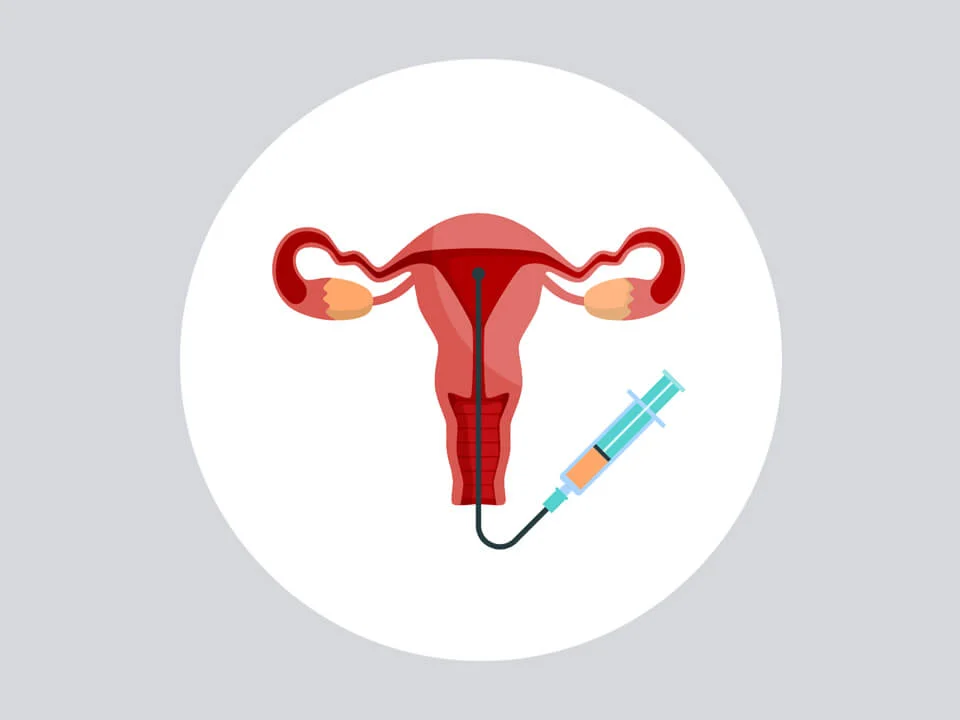
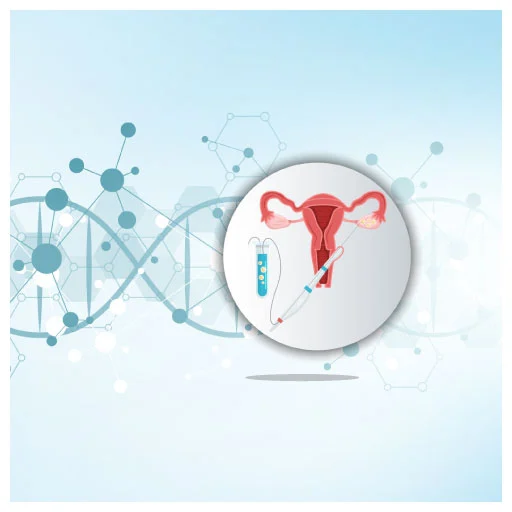
    Illustration of IUI procedure with uterus and syringe against a DNA background.

    The Emotional and Physical Preparation for Home Insemination and IVF for Same-Sex Couples

    For IVF, the process involves more medical procedures and may require a more extensive physical preparation. This can include undergoing various fertility tests, taking fertility medications to stimulate egg production, and undergoing egg retrieval and embryo transfer procedures. It is important to follow all instructions from the fertility clinic carefully and to take good care of your body during this time.

    It is also important to prepare financially for these processes, as they can be expensive. It may be helpful to research different financing options, such as grants or loans, and to create a budget plan to cover the costs.

    Support System:

    Having a strong support system can be crucial during the emotional and physical preparations for home insemination and IVF. This can include family and friends, as well as medical professionals and other couples going through a similar journey. It is important to surround yourself with people who will offer love, support, and understanding during this time.

    It may also be helpful to seek counseling or therapy to work through any emotional or mental health issues that may arise during the process. This can provide a safe and non-judgmental space to express feelings and work through any challenges.

    The Journey Ahead:

    The journey of home insemination and IVF for same-sex couples can be both exciting and challenging. It is important to remember that each couple’s experience will be unique and to not compare your journey to others. It is also important to take care of your physical and emotional well-being and to communicate openly and honestly with each other.

    In the end, the most important thing is to remember that you are embarking on a journey to create a family and that love and support are key to making this dream a reality. With proper emotional and physical preparation, same-sex couples can navigate the challenges of home insemination and IVF and build the family they have always dreamed of.

    In summary, the emotional and physical preparation for home insemination and IVF for same-sex couples is an important aspect of the process. It involves addressing fears and emotions, understanding the physical requirements, and building a strong support system. With proper preparation, couples can navigate the journey ahead and fulfill their dream of starting a family.

  • The Importance of a Support System During Fertility Treatment

    Blog Post: The Importance of a Support System During Fertility Treatment

    Fertility treatment can be a challenging and emotional journey for couples who are struggling to conceive. It can be physically and mentally draining, and the support of loved ones can make a significant difference. Having a reliable and understanding support system can help individuals and couples cope with the stress and uncertainty that comes with fertility treatment. In this blog post, we will discuss the importance of a support system during fertility treatment and how it can positively impact the process.

    1. Emotional Support

    Going through fertility treatment can be an emotionally taxing experience. The constant cycle of hope and disappointment can take a toll on one’s mental well-being. Having a support system, whether it’s a partner, family member, or friend, can provide a safe space to express emotions and receive comfort and encouragement. They can be a shoulder to cry on during the difficult moments and a source of strength and positivity during the ups and downs of the treatment.

    2. Practical Support

    Aside from emotional support, a support system can also offer practical help during fertility treatment. This can include accompanying the individual or couple to appointments, helping with household tasks, or taking care of other responsibilities to ease the burden. Fertility treatment often involves numerous appointments, procedures, and medications, and having someone to share the load can make a significant difference.

    3. Understanding

    One of the most challenging aspects of fertility treatment is feeling like no one understands what you are going through. It can be challenging to explain the complexities of the treatment to those who have not experienced it themselves. Having a support system that understands the process and is empathetic can be a great source of comfort. They can provide a listening ear and offer validation and understanding, making the individual or couple feel less alone.

    4. Advocacy

    test tube with sperm in blue liquid, promoting IUI success rate and factors influencing fertility.

    The Importance of a Support System During Fertility Treatment

    Fertility treatment can be overwhelming, and individuals or couples may feel like they are navigating unfamiliar territory. Having a support system that is knowledgeable about the process can be beneficial. They can help ask questions, clarify doubts, and act as advocates for the individual or couple during appointments and procedures. This can help alleviate some of the stress and anxiety associated with fertility treatment.

    5. Keeping a Positive Outlook

    With the many challenges and uncertainties associated with fertility treatment, it can be easy to lose hope and feel discouraged. A support system can play a crucial role in keeping a positive outlook. They can offer words of encouragement, remind the individual or couple of their strength and resilience, and provide a sense of hope and optimism. This positive energy can be a powerful force during fertility treatment and can help individuals and couples stay motivated and focused on their goal.

    6. Sharing the Journey

    Fertility treatment can be a lonely and isolating experience, but having a support system can change that. Sharing the journey with loved ones can make it feel less daunting and overwhelming. It can also bring individuals and couples closer together, strengthening their bond and creating a deeper understanding and appreciation for each other.

    7. Coping with Pregnancy Loss or Failure

    Unfortunately, not all fertility treatments result in a successful pregnancy. Experiencing a pregnancy loss or failure can be devastating, and having a support system during this difficult time is crucial. They can offer comfort and support, and help the individual or couple cope with the loss and heal emotionally.

    In conclusion, having a strong support system during fertility treatment can make a world of difference. It can provide emotional support, practical help, understanding, advocacy, positivity, and companionship. Whether it’s a partner, family member, friend, or support group, having a reliable and caring support system can help individuals and couples navigate the challenges of fertility treatment and increase their chances of success.

    Summary: Fertility treatment can be a challenging and emotional journey, and having a support system can make a significant difference. It can provide emotional and practical support, understanding, advocacy, positivity, and companionship. A support system can also help individuals and couples cope with pregnancy loss or failure. Having a strong support system during fertility treatment can increase the chances of success and make the journey feel less daunting and isolating.

  • The Mind-Body Connection in Fertility: How to Harness Its Power

    Blog Post Title: The Mind-Body Connection in Fertility: How to Harness Its Power

    Summary:

    The journey to parenthood can be a difficult and emotional one for many couples struggling with fertility issues. While modern medicine has made significant advancements in fertility treatments, there is growing evidence that suggests the mind-body connection plays a crucial role in fertility as well. Our thoughts, emotions, and overall mental and physical well-being can greatly impact our reproductive health.

    In this blog post, we will explore the mind-body connection in fertility and how you can harness its power to increase your chances of conceiving. From understanding the impact of stress on fertility to incorporating mind-body practices into your fertility journey, we will provide practical tips and insights to help you on your path to parenthood.

    The Impact of Stress on Fertility:

    It is no secret that stress can have a negative impact on our overall health and well-being. And when it comes to fertility, stress can play a significant role. When we are stressed, our bodies release the hormone cortisol, which can interfere with the production of reproductive hormones and affect ovulation. Chronic stress can also lead to inflammation in the body, which has been linked to infertility.

    Moreover, the emotional toll that comes with struggling to conceive can also contribute to stress levels. Feelings of anxiety, sadness, and guilt are common among couples dealing with infertility, and these emotions can further exacerbate the problem. It is essential to recognize the impact of stress on fertility and take steps to manage it.

    Incorporating Mind-Body Practices into Your Fertility Journey:

    Many mind-body practices have been shown to be effective in reducing stress and improving fertility. These practices focus on the mind-body connection and aim to promote relaxation, reduce stress, and improve overall well-being. Some of the most common mind-body practices used in fertility include meditation, yoga, acupuncture, and cognitive-behavioral therapy.

    Illustration of a uterus with a syringe, representing intrauterine insemination (IUI) procedure.

    The Mind-Body Connection in Fertility: How to Harness Its Power

    Meditation and mindfulness techniques can help reduce stress and promote relaxation. By focusing on your breath and being present in the moment, you can quiet your mind and alleviate feelings of anxiety and worry. Yoga, a mind-body practice that combines physical postures, breathing techniques, and meditation, has also been shown to have a positive impact on fertility. It can help reduce stress, regulate hormones, and improve blood flow to the reproductive organs.

    Acupuncture, an ancient Chinese practice that involves the insertion of thin needles into specific points on the body, has gained popularity in the Western world for its potential benefits in fertility. Research has shown that acupuncture can help regulate the menstrual cycle, improve blood flow to the uterus, and reduce stress levels.

    Cognitive-behavioral therapy (CBT) is a type of talk therapy that focuses on changing negative thought patterns and behaviors. It can be beneficial for couples struggling with infertility, as it can help them cope with the emotional toll of the process and develop healthy coping mechanisms. CBT has been shown to improve pregnancy rates in women undergoing fertility treatment.

    The Role of Nutrition and Exercise in Fertility:

    The mind-body connection in fertility also extends to nutrition and exercise. A healthy diet and regular exercise can help regulate hormones, improve overall health, and boost fertility. Eating a balanced diet that includes plenty of fruits, vegetables, whole grains, and lean proteins can provide the essential nutrients for reproductive health. It is also important to limit processed foods, sugar, and unhealthy fats, as they can contribute to inflammation and hormonal imbalances.

    Regular exercise can also have a positive impact on fertility. It helps manage stress levels, improve blood flow, and regulate hormones. However, it is essential to find a balance, as excessive exercise can also interfere with ovulation and disrupt the menstrual cycle.

    The Importance of a Support System:

    Going through fertility struggles can feel isolating and overwhelming. It is crucial to have a support system in place to lean on during this challenging time. Whether it is your partner, family, friends, or a support group, having someone to talk to and share your feelings with can help ease the emotional burden.

    Additionally, finding a support group specifically for couples dealing with fertility issues can be incredibly beneficial. It allows you to connect with others who are going through a similar experience and can provide a sense of community and understanding.

    In conclusion, the mind-body connection plays a significant role in fertility, and harnessing its power can improve your chances of conceiving. By managing stress levels, incorporating mind-body practices into your routine, and maintaining a healthy lifestyle, you can support your reproductive health and increase your chances of becoming a parent. Remember to also seek support from loved ones and professionals to help you navigate this journey with strength and resilience.

  • Intrauterine Insemination vs In Vitro Fertilization: A Psychological Perspective

    Intrauterine Insemination vs In Vitro Fertilization: A Psychological Perspective

    When it comes to building a family, many couples face challenges and struggles. For some, the journey to parenthood is not as straightforward as they had hoped. In recent years, assisted reproductive technologies have become increasingly popular and accessible for couples who are struggling with fertility issues. Intrauterine insemination (IUI) and in vitro fertilization (IVF) are two common methods of fertility treatment that are often used interchangeably, but it’s important to understand the differences between them, especially from a psychological perspective.

    Intrauterine Insemination (IUI) is a fertility treatment where sperm is directly inserted into a woman’s uterus during ovulation. This procedure is relatively simple and is often the first step for couples who are trying to conceive. It can be done with the partner’s sperm or donor sperm and is a less invasive and less expensive option compared to IVF. IUI is also commonly used for individuals or couples who are using donor sperm, or for those with male factor infertility.

    On the other hand, In Vitro Fertilization (IVF) is a more complex procedure that involves extracting eggs from the woman’s ovaries and fertilizing them with sperm in a lab setting. The fertilized egg or embryo is then transferred back into the woman’s uterus. IVF is often recommended for couples with more severe fertility issues, such as blocked fallopian tubes, endometriosis, or low sperm count. It is also commonly used for individuals or couples who have tried other fertility treatments without success.

    Both IUI and IVF have their own unique benefits and challenges, and it’s essential to consider the psychological impact of these procedures on couples.

    The Psychological Impact of IUI

    For couples who are struggling with infertility, the process of trying to conceive can be emotionally taxing. IUI can provide a sense of hope and optimism, as it is a relatively simple and non-invasive procedure that can be done in a doctor’s office. However, it can also be a rollercoaster of emotions, as the success rates of IUI are lower compared to IVF.

    One of the main psychological challenges of IUI is the uncertainty of the outcome. Each cycle of IUI has a success rate of around 10-20%, and it’s impossible to predict which cycle will result in a pregnancy. This can lead to anxiety and disappointment for couples who may have to undergo multiple cycles before achieving a successful pregnancy.

    Comparison of IUI and IVF, illustrating procedures and definitions for each fertility treatment.

    Intrauterine Insemination vs In Vitro Fertilization: A Psychological Perspective

    Another psychological aspect to consider is the involvement of the partner’s sperm or donor sperm. For some couples, the use of donor sperm can bring up feelings of inadequacy or insecurity, while for others, it can be a source of excitement and hope. It’s essential for couples to openly communicate and address any concerns or fears they may have before undergoing IUI.

    The Psychological Impact of IVF

    IVF is a more complex and invasive procedure compared to IUI, which can have a significant psychological impact on couples. The process of IVF involves multiple steps, including hormone injections, egg retrieval, and embryo transfer, which can be physically and emotionally draining for the woman. The financial cost of IVF can also add to the stress and pressure for couples.

    One of the main psychological challenges of IVF is the high expectations and pressure placed on the couple to achieve a successful pregnancy. With IVF being a more expensive and time-consuming procedure, couples often feel a great deal of pressure to succeed. This can lead to feelings of guilt, shame, and disappointment if the cycle is not successful.

    The use of assisted reproductive technologies can also bring up ethical and moral dilemmas for couples, such as the decision to use donor eggs or embryos or the possibility of multiple pregnancies. It’s essential for couples to discuss and address these issues with their doctors and each other to ensure they are emotionally prepared for the IVF process.

    The Role of Support and Counseling

    Both IUI and IVF can be emotionally challenging for couples, and it’s crucial for them to have a strong support system in place. Friends and family can provide much-needed support and understanding, but sometimes it’s beneficial to seek professional help. Many fertility clinics offer counseling services for couples undergoing fertility treatments, which can help them navigate the emotional rollercoaster and cope with the challenges they may face.

    Counseling can also provide a safe space for couples to discuss their fears, concerns, and hopes for the future. It can help them communicate more effectively with each other and strengthen their relationship during this challenging time. Additionally, counseling can help couples develop coping strategies and manage stress and anxiety during the fertility treatment process.

    In summary, both IUI and IVF are viable options for couples struggling with infertility, and the decision between the two should be made carefully, taking into consideration not only the medical factors but also the psychological impact. It’s essential for couples to have open and honest communication with each other and their doctor, as well as seek support and counseling to help them cope with the emotional challenges of fertility treatments.

  • The Impact of Lifestyle: Intrauterine Insemination vs In Vitro Fertilization

    Blog Post: The Impact of Lifestyle: Intrauterine Insemination vs In Vitro Fertilization

    In today’s world, many couples face challenges when trying to conceive a child. The rise in infertility rates has led to advancements in assisted reproductive technologies (ART) such as intrauterine insemination (IUI) and in vitro fertilization (IVF). These procedures have become popular options for couples struggling with fertility issues, but they have distinct differences that can greatly impact a person’s lifestyle. In this blog post, we will explore the impact of lifestyle on couples considering IUI and IVF as fertility treatment options.

    Understanding Intrauterine Insemination (IUI)

    IUI is a form of fertility treatment where sperm is placed directly into a woman’s uterus during ovulation. This procedure is commonly used for couples with unexplained infertility, mild male factor infertility, or in cases where the woman has issues with ovulation. One of the main advantages of IUI is that it is a less invasive and less expensive option compared to IVF. It also allows for the use of the male partner’s sperm, which can be a more natural and intimate experience for couples.

    The Impact of Lifestyle on IUI

    One of the key factors that can affect the success of IUI is a person’s lifestyle. For example, being overweight or underweight can impact the body’s hormone levels, making it more difficult to conceive. Similarly, smoking, excessive alcohol consumption, and drug use can also decrease fertility and reduce the chances of IUI success. It is essential for couples considering IUI to adopt a healthy lifestyle, including a balanced diet and regular exercise, to increase their chances of success.

    The Emotional Impact of IUI

    IUI can be an emotional rollercoaster for couples. The process of trying to conceive can be stressful, and the uncertainty of whether the treatment will be successful can take a toll on a person’s mental well-being. It is important for couples to have a strong support system and to communicate openly with each other throughout the process. Seeking counseling or joining a support group can also be beneficial for couples going through IUI.

    Understanding In Vitro Fertilization (IVF)

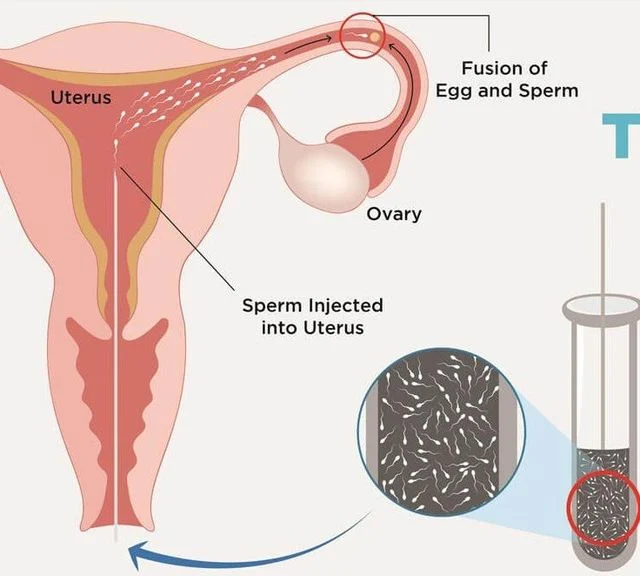
    Diagram illustrating the IUI process, showing sperm injection into the uterus and egg fertilization.

    The Impact of Lifestyle: Intrauterine Insemination vs In Vitro Fertilization

    IVF is a more complex fertility treatment that involves retrieving eggs from the woman’s ovaries and fertilizing them with sperm in a laboratory. The resulting embryos are then transferred to the woman’s uterus for implantation. This procedure is typically recommended for couples with more severe fertility issues, such as blocked fallopian tubes, advanced maternal age, or severe male factor infertility.

    The Impact of Lifestyle on IVF

    Unlike IUI, lifestyle factors have less of an impact on the success of IVF. However, maintaining a healthy lifestyle is still essential for improving the chances of a successful pregnancy. A balanced diet, regular exercise, and avoiding harmful substances can contribute to a more favorable outcome. Additionally, managing stress levels and having a positive mindset can also play a crucial role in the success of IVF.

    The Emotional Impact of IVF

    IVF can be a physically and emotionally taxing experience for couples. The process involves numerous appointments, medications, and procedures, which can be overwhelming and stressful. The financial burden of IVF can also add to the emotional toll on couples. It is crucial for couples to communicate openly with each other and seek support from friends, family, or a therapist to cope with the emotional impact of IVF.

    Comparing IUI and IVF

    When it comes to the impact of lifestyle, IUI and IVF have their differences. IUI is a less invasive and less expensive option, but lifestyle factors can significantly affect its success. On the other hand, IVF is a more complex and costly procedure, but lifestyle factors have less impact on its success. Ultimately, the decision between IUI and IVF will depend on a couple’s specific fertility issues, their budget, and their lifestyle.

    In conclusion, lifestyle plays a crucial role in the success of both IUI and IVF. It is essential for couples to adopt a healthy lifestyle and manage their emotional well-being throughout the process of trying to conceive. Seeking support from loved ones and healthcare professionals can make a significant difference in the journey towards parenthood. It is also important to remember that every person’s fertility journey is unique, and what works for one couple may not work for another.

    Summary:

    Infertility can be a challenging issue for many couples, leading them to consider assisted reproductive technologies such as intrauterine insemination (IUI) and in vitro fertilization (IVF). These procedures have different impacts on a person’s lifestyle, with IUI being less invasive and expensive but susceptible to lifestyle factors, and IVF being more costly but less affected by lifestyle. It is crucial for couples to maintain a healthy lifestyle and seek support throughout their fertility journey.

  • The Importance of Support: Intrauterine Insemination vs In Vitro Fertilization

    The journey towards parenthood is undoubtedly a beautiful and fulfilling one, but for many couples, it can also be a challenging and emotional rollercoaster. With advancements in medical technology, there are now various fertility treatments available for couples struggling to conceive naturally. Intrauterine insemination (IUI) and in vitro fertilization (IVF) are two popular options that have helped countless couples achieve their dream of starting a family. While both methods aim to assist in conception, they differ in terms of procedure, success rates, and cost. In this blog post, we will delve into the importance of support in the journey of parenthood, and compare the two methods of IUI and IVF.

    Support during the process of fertility treatment is crucial as it can be a physically and emotionally taxing experience for couples. The importance of a strong support system cannot be emphasized enough, as it can make all the difference in coping with the ups and downs of the journey towards parenthood. This support can come from various sources such as family, friends, support groups, and medical professionals.

    Intrauterine insemination, also known as artificial insemination, is a fertility treatment where sperm is directly injected into a woman’s uterus during ovulation. This procedure is typically recommended for couples with unexplained infertility, mild male factor infertility, or cervical issues. One of the main advantages of IUI is its relatively simple and non-invasive nature, making it a less daunting option for couples.

    However, the success rates of IUI are relatively low, with only a 10-20% chance of conception per cycle. This means that couples may need to undergo multiple cycles of IUI, which can be emotionally and financially draining. It is essential for couples to have a strong support system in place to help them cope with the disappointment and uncertainty that comes with unsuccessful cycles.

    On the other hand, in vitro fertilization, commonly known as IVF, is a more complex and invasive procedure. It involves retrieving eggs from the woman’s ovaries and fertilizing them with sperm in a laboratory. The resulting embryos are then transferred into the woman’s uterus, with the hope of successful implantation and pregnancy. IVF is often recommended for couples with more severe infertility issues, such as blocked fallopian tubes, low sperm count, or advanced maternal age.

    The success rates of IVF are significantly higher than IUI, with an average success rate of 41% for women under 35. However, IVF is also a more expensive option, with an average cost of $12,000-$15,000 per cycle. This can be a significant financial burden for couples, and having a strong support system can provide much-needed emotional and financial assistance during this process.

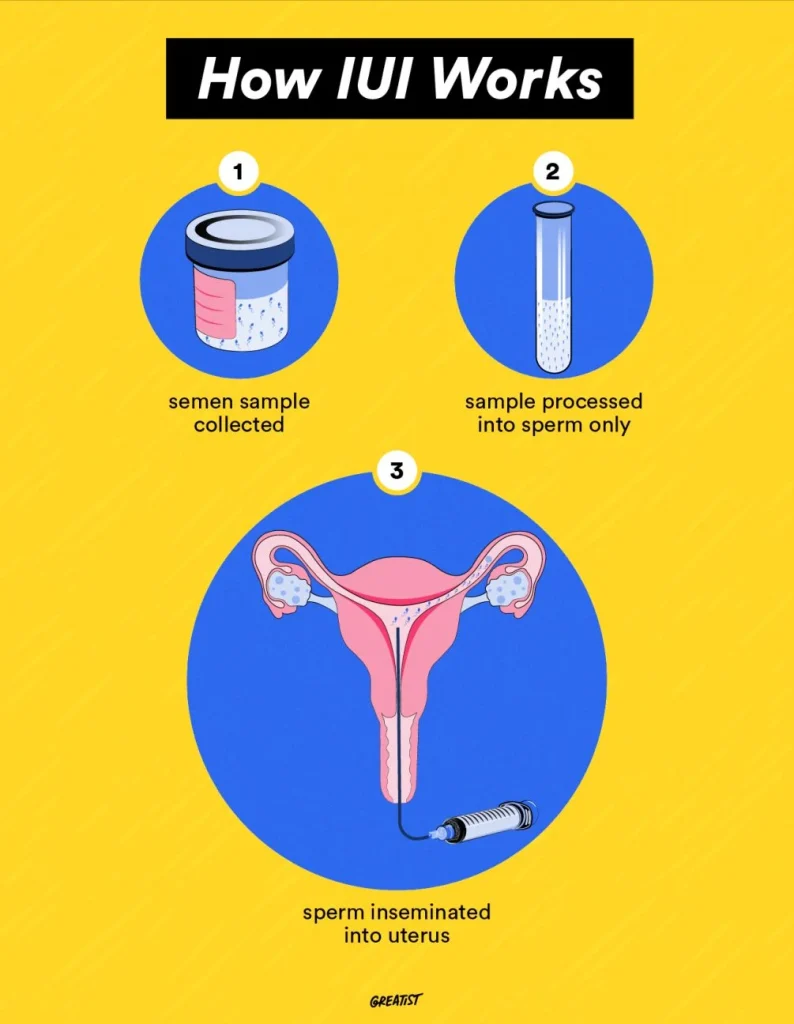
    illustration explaining the steps of intrauterine insemination (IUI) process on a bright yellow background

    The Importance of Support: Intrauterine Insemination vs In Vitro Fertilization

    Aside from the financial aspect, the IVF process can also be emotionally taxing for couples. The constant monitoring, injections, and waiting for the results of each cycle can take a toll on a couple’s mental well-being. It is crucial for couples to have a supportive network to lean on during this time, whether it be through counseling, support groups, or simply having a listening ear.

    In addition to the emotional and financial support, it is also essential for couples to have a strong support system in terms of medical professionals. Fertility treatments can be complex, and it is crucial for couples to have a team of experienced and knowledgeable doctors and nurses to guide them through the process. This support can also come in the form of counseling services provided by fertility clinics, which can help couples navigate the emotional aspects of the journey towards parenthood.

    It is also worth noting that in some cases, a combination of IUI and IVF may be recommended. For example, couples with male factor infertility issues may undergo IUI with the husband’s sperm, followed by IVF with donor sperm if IUI is unsuccessful. This highlights the importance of having a supportive and understanding medical team who can provide personalized treatment plans for each couple’s unique situation.

    In conclusion, the journey towards parenthood through fertility treatments can be a challenging and emotional one, but having a strong support system in place can make all the difference. IUI and IVF are both viable options for couples struggling with infertility, and the decision ultimately depends on various factors such as the cause of infertility, success rates, and financial capability. However, regardless of which method a couple chooses, the importance of support during this journey cannot be underestimated.

    Summary:

    The journey towards parenthood can be a challenging and emotional one for couples struggling with infertility. Intrauterine insemination (IUI) and in vitro fertilization (IVF) are two popular fertility treatments that aim to assist in conception. While IUI is a simpler and less invasive option, IVF has a higher success rate but is more expensive and emotionally taxing. Regardless of the chosen method, having a strong support system, both emotionally and medically, is crucial for couples going through fertility treatments.

  • The Role of Patience in Fertility Testing: How to Stay Positive During the Process

    The Role of Patience in Fertility Testing: How to Stay Positive During the Process

    Fertility testing can be a stressful and emotionally-charged journey for couples who are trying to conceive. It involves a series of medical procedures and tests that can take a toll on both physical and mental well-being. While the process can be overwhelming, it is important to remember that patience plays a crucial role in fertility testing. In this blog post, we will discuss the importance of patience in fertility testing and provide tips on how to stay positive during the process.

    Patience is Key in Fertility Testing

    The first step in fertility testing is to understand that it is a process, and it takes time. Many couples expect to get pregnant right away, but the reality is that it can take months or even years of trying. According to the American Pregnancy Association, about 85% of couples will conceive within the first year of trying, but for the remaining 15%, it may take longer. It is essential to have patience during this time and not get discouraged if the results are not immediate.

    Patience is also crucial when it comes to the actual testing procedures. Fertility testing can involve multiple appointments, blood tests, ultrasounds, and other procedures. It can be physically and emotionally draining, but it is essential to remain patient and trust in the process. It takes time for doctors to gather all the necessary information and make an accurate diagnosis, so it is important to be patient and let the process unfold.

    Staying Positive During Fertility Testing

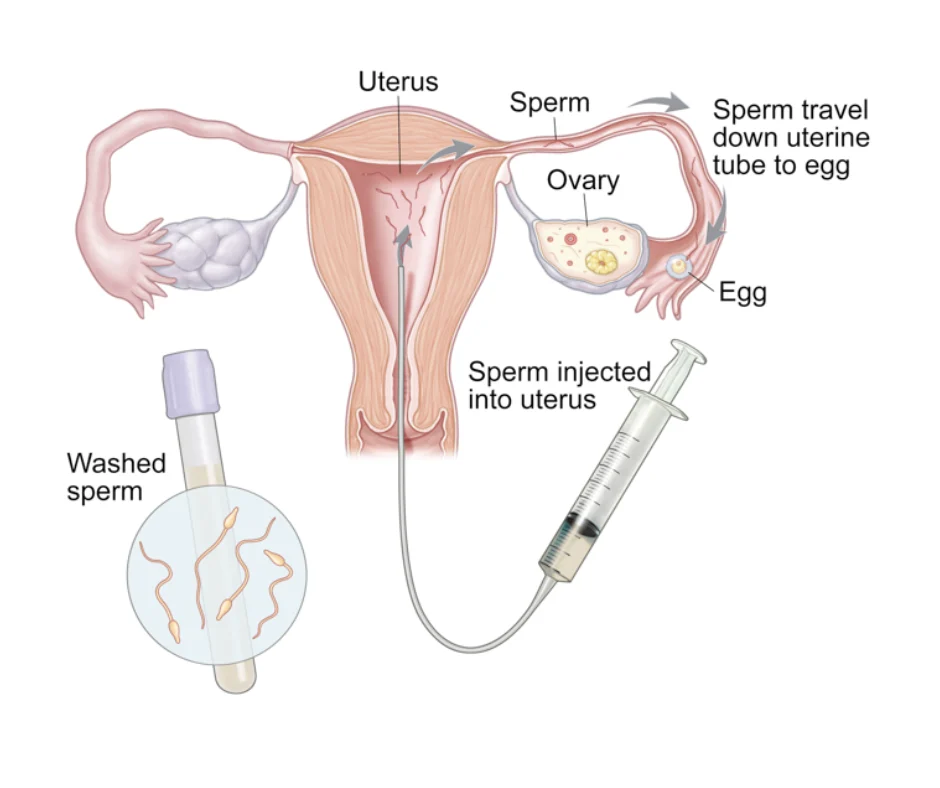
    diagram illustrating intrauterine insemination process, showing sperm injection into the uterus and egg fertilization pathway

    The Role of Patience in Fertility Testing: How to Stay Positive During the Process

    It is natural to feel anxious and stressed during fertility testing, but it is crucial to stay positive and keep a healthy mindset. Here are some tips to help you stay positive during the process:

    1. Take Care of Your Mental Health
    Fertility testing can be emotionally taxing, and it is essential to prioritize your mental health. It is okay to feel overwhelmed, sad, or frustrated, but it is important to acknowledge these emotions and find ways to cope with them. You can talk to a therapist, join a support group, or practice relaxation techniques like meditation or yoga. Taking care of your mental health can help you stay positive and resilient during fertility testing.

    2. Communicate with Your Partner
    Couples going through fertility testing may experience strain in their relationship due to the stress and pressure of the process. It is crucial to communicate openly with your partner and share your feelings and concerns. This can help strengthen your relationship and provide much-needed support during this challenging time.

    3. Stay Informed But Avoid Dr. Google
    It is essential to educate yourself about the fertility testing process and understand what to expect. However, it is important to avoid relying too much on information from the internet, as it can often be unreliable and cause unnecessary stress. Instead, trust your doctor and ask them any questions or concerns you may have.

    4. Practice Self-Care
    Fertility testing can be physically and emotionally demanding, so it is important to take care of yourself. Make time for activities that bring you joy and relaxation, such as reading, taking a walk, or spending time with loved ones. Taking care of yourself can help you stay positive and cope with the stress of fertility testing.

    5. Lean on Your Support System
    Do not be afraid to lean on your support system during fertility testing. Whether it is your partner, family, or friends, having a strong support system can make a significant difference in your mental and emotional well-being. They can provide a listening ear, offer words of encouragement, and help you stay positive during the process.

    In conclusion, patience is an essential ingredient in the fertility testing process. It takes time to understand and diagnose fertility issues, and it is important to trust in the process and remain patient. Additionally, staying positive and taking care of your mental and emotional well-being can help you cope with the stress and uncertainty of fertility testing. Remember, you are not alone, and there is always hope for a positive outcome.

  • The Single Motherhood Choice: Finding Peace and Happiness

    Blog Post:

    For many women, the decision to become a single mother is not an easy one. It can be a daunting and overwhelming journey, filled with challenges and uncertainties. Yet, for those who have made this choice, it can also be a path to finding peace and happiness.

    There are many reasons why a woman may choose to become a single mother. It could be due to a failed relationship, infertility, or simply a desire to have a child without a partner. Whatever the reason may be, the decision to embark on this journey requires courage, strength, and a strong sense of self.

    One of the first things that a single mother needs to do is to let go of any guilt or shame associated with her decision. Society often places a stigma on single mothers, portraying them as irresponsible or incapable of raising a child on their own. However, the reality is that single mothers are just as capable of providing a loving and nurturing environment for their child as any two-parent household.

    It’s also important for single mothers to surround themselves with a support system, whether it be family, friends, or other single mothers who understand and can offer guidance and encouragement. Building a network of people who can help with childcare, emotional support, and practical advice can make a huge difference in a single mother’s journey.

    Another crucial aspect of finding peace and happiness as a single mother is to prioritize self-care. It’s easy for single mothers to get caught up in the demands of parenting and neglect their own well-being. However, taking care of oneself is essential for maintaining physical, emotional, and mental balance. This can include simple acts like taking a walk, practicing mindfulness, or indulging in a hobby. It’s also important to make time for rest and relaxation, as parenthood can be exhausting, especially when done alone.

    One of the biggest challenges that single mothers face is balancing work and parenting. Many single mothers have to juggle full-time jobs while also being the sole caregiver for their child. This can be overwhelming and lead to feelings of guilt and inadequacy. However, it’s important for single mothers to remember that they are doing the best they can and that their child is their top priority. Finding a flexible job or creating a schedule that allows for quality time with their child can help alleviate some of the stress.

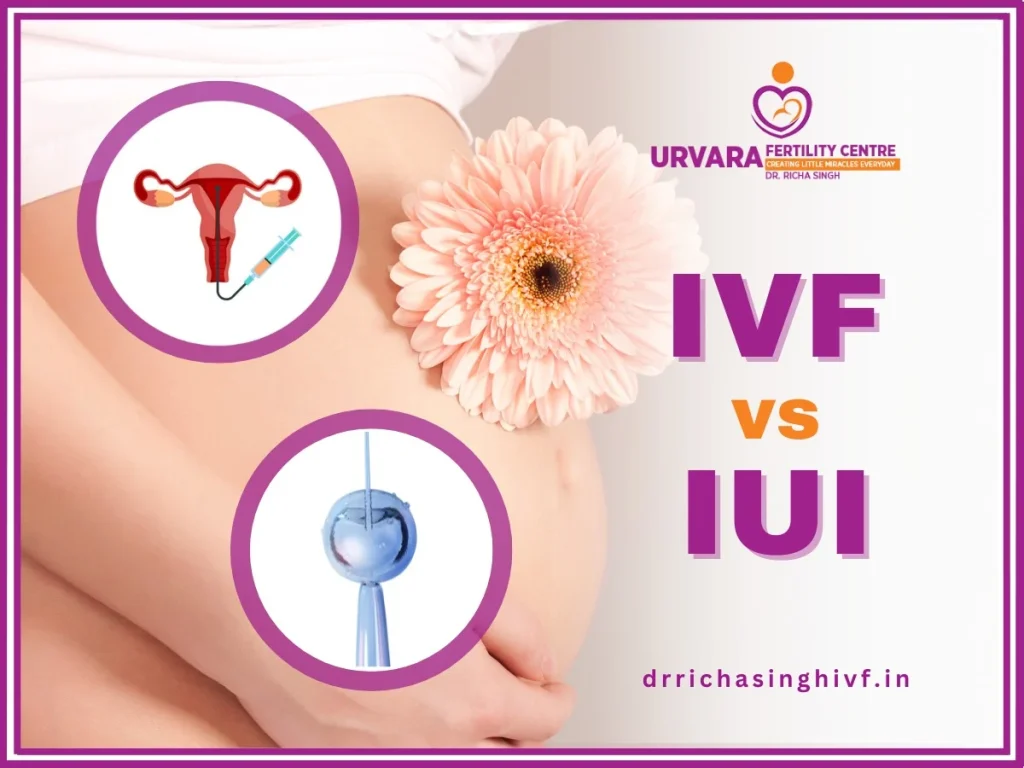
    IVF vs IUI comparison with illustrations of reproductive processes and a flower on a pregnant belly.

    The Single Motherhood Choice: Finding Peace and Happiness

    It’s also crucial for single mothers to maintain a positive mindset and outlook. It’s easy to get bogged down by the challenges of single motherhood, but focusing on the blessings and joys of raising a child can bring a sense of peace and happiness. Practicing gratitude and finding joy in the little things can be helpful in shifting one’s perspective.

    As a single mother, it’s also important to establish boundaries and learn to say no. With the responsibilities of parenting and potentially working, it’s easy to spread oneself too thin. Learning to set boundaries and say no to things that do not align with one’s priorities can help reduce stress and create a sense of balance.

    One of the most significant benefits of single motherhood is the close bond that is formed between a mother and her child. Being the sole caregiver, a single mother has the opportunity to develop a deep and meaningful relationship with her child. This bond can bring great joy and fulfillment to both the mother and child.

    In addition to finding peace and happiness in their own lives, single mothers also have the opportunity to be role models for their children. By showing strength, resilience, and independence, single mothers can teach their children valuable life lessons and instill important values.

    In conclusion, the decision to become a single mother is a personal and unique one. While it may come with its own set of challenges, it can also lead to a fulfilling and happy life. By letting go of guilt and shame, building a support system, prioritizing self-care, maintaining a positive mindset, and setting boundaries, single mothers can find peace and happiness in their journey. They also have the opportunity to create a strong bond with their child and be an inspiration for the next generation.

    Summary:

    The decision to become a single mother is a personal and often difficult one. However, it can also lead to a fulfilling and happy life. To find peace and happiness in this journey, single mothers should let go of guilt and shame, build a support system, prioritize self-care, maintain a positive mindset, and establish boundaries. They also have the opportunity to create a strong bond with their child and be role models for the next generation.

  • Single Motherhood: Overcoming the Fear of Raising a Child Alone

    Single motherhood is a reality for many women around the world. Whether it is by choice or circumstance, raising a child alone can be a daunting and overwhelming experience. The fear of not being able to provide enough, the fear of being judged, and the fear of facing challenges alone are just some of the fears that single mothers may face. However, with the right mindset and support, single motherhood can also be a rewarding journey filled with love and strength.

    The first step in overcoming the fear of single motherhood is to change your mindset. Instead of viewing it as a burden or a limitation, see it as an opportunity to grow and thrive. You may not have a partner to share the responsibilities of parenting, but you have the chance to build a strong bond with your child and become their role model. Embrace the independence and strength that comes with being a single mother, and let go of any negative thoughts or societal stereotypes.

    One of the biggest fears of single motherhood is the financial aspect. Raising a child alone means shouldering all the financial responsibilities. This can be overwhelming, especially if you were used to having a dual income. However, with proper budgeting and financial planning, you can provide for your child and still have some room for yourself. Seek out financial advice and resources, such as government assistance programs or financial planning courses, to help you manage your finances effectively.

    Another fear that single mothers may face is the judgment and criticism from others. Unfortunately, single mothers are often stigmatized and looked down upon in society. This can lead to feelings of shame and inadequacy, making it difficult for single mothers to seek help when needed. It is essential to remember that you are not defined by your relationship status, and your worth as a mother is not determined by others’ opinions. Surround yourself with a supportive community and seek out other single mothers who can relate to your experiences. Having a strong support system can help alleviate the fear of judgment and provide a sense of belonging.

    comparison of IUI and IVF procedures illustrated with simple graphics and labels

    Single Motherhood: Overcoming the Fear of Raising a Child Alone

    Facing challenges alone can also be a significant fear for single mothers. From dealing with everyday tasks to raising a child with no partner to rely on, it can be overwhelming at times. However, remember that you are not alone. Reach out to family and friends for help when needed, and don’t be afraid to ask for support. Joining support groups or online communities for single mothers can also provide a sense of camaraderie and a place to seek advice and share experiences with other single mothers.

    In addition to changing your mindset and seeking support, there are practical steps you can take to overcome the fear of single motherhood. Building a strong support system is crucial, but it is also essential to take care of yourself. As a single mother, it can be easy to neglect your own needs while prioritizing your child’s. However, taking care of yourself physically, mentally, and emotionally is essential for your well-being and your ability to be a great parent. Make time for self-care activities and reach out for help if you are feeling overwhelmed.

    Single motherhood may come with its challenges, but it is also a journey filled with love and strength. As you navigate this path, remember to celebrate your accomplishments and acknowledge your resilience. You are capable of raising a child alone, and your love and dedication will make a significant impact on your child’s life.

    In conclusion, single motherhood can be a daunting experience, but it is not something to be feared. By changing your mindset, seeking support, and taking care of yourself, you can overcome the fear of raising a child alone and embrace the journey with confidence and strength. Remember, you are not alone, and with determination and perseverance, you can provide a loving and nurturing environment for your child.