Tag: low-tech IVF

  • The Importance of Individualized Care: Intrauterine Insemination vs Low-Tech IVF

    Individualized care is crucial when it comes to fertility treatment, as every person’s journey to parenthood is unique. Intrauterine insemination (IUI) and low-tech in vitro fertilization (IVF) are two common fertility treatments, but they differ greatly in terms of personalized care. In this blog post, we will explore the importance of individualized care in fertility treatment and compare the differences between IUI and low-tech IVF.

    First, let’s define what individualized care means in the context of fertility treatment. It means that every patient receives a customized treatment plan based on their specific needs and medical history. This approach recognizes that no two individuals are alike and that their fertility journey may require different strategies and interventions.

    When it comes to individualized care, IUI and low-tech IVF are two very different approaches. IUI is considered a low-tech treatment option, where the woman’s eggs are fertilized inside her body. It involves placing washed and prepared sperm directly into the uterus during the woman’s ovulation period. On the other hand, low-tech IVF is a more advanced treatment, where the woman’s eggs are retrieved, fertilized in a lab, and then transferred back into the uterus.

    One of the main differences between IUI and low-tech IVF is the level of monitoring and control. With IUI, the woman’s natural cycle is monitored, and the timing of the procedure is determined based on her ovulation. This approach is less invasive and less expensive, making it a popular first-line treatment for couples struggling with unexplained infertility. However, because the fertilization process occurs in the woman’s body, there is less control over the quality and quantity of the sperm that reach the egg.

    In contrast, low-tech IVF involves more monitoring and control over the fertilization process. The woman’s cycle is closely monitored, and medications are used to stimulate the ovaries to produce multiple eggs. This allows for more eggs to be retrieved and fertilized in the lab, giving the fertility team more control over the fertilization process. Additionally, this approach allows for the selection of the healthiest sperm to fertilize the eggs, which can increase the chances of a successful pregnancy.
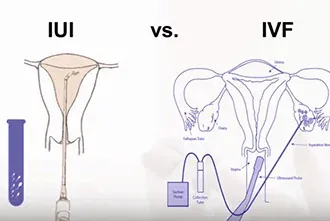
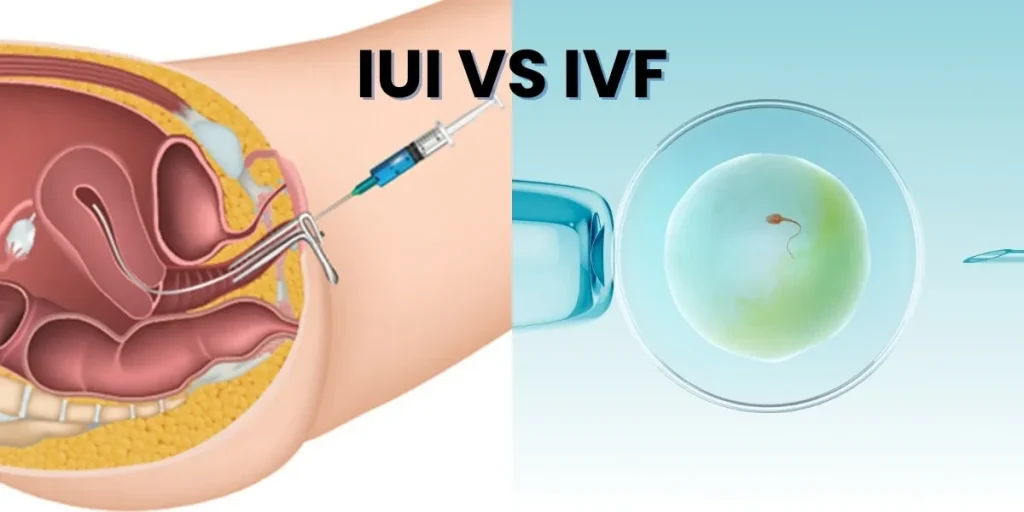
    Comparison of IUI and IVF treatments with diagrams of reproductive anatomy.

    The Importance of Individualized Care: Intrauterine Insemination vs Low-Tech IVF

    Another aspect of individualized care is considering the patient’s emotional well-being. Fertility treatments can be emotionally taxing, and individualized care takes into account the unique emotional needs of each patient. With IUI, the procedures are less invasive, and the patient may experience less stress and anxiety. However, with low-tech IVF, the use of fertility medications, and the more invasive nature of the procedures, can cause more emotional distress. In these cases, additional support and resources may be necessary to help the patient manage their emotions throughout the treatment process.

    Additionally, individualized care also means considering the patient’s financial situation. IUI is often a more affordable treatment option compared to low-tech IVF, and it may be the best option for patients with limited financial resources. However, every patient’s financial situation is unique, and individualized care takes this into consideration when recommending treatment options.

    Another important factor in individualized care is the patient’s medical history. Certain medical conditions or factors, such as a history of endometriosis or low ovarian reserve, may make low-tech IVF a more suitable option for some patients. On the other hand, for patients with unexplained infertility, IUI may be a more appropriate first-line treatment.

    In conclusion, individualized care is crucial in fertility treatment, and it plays a significant role in the success of the treatment. It considers the patient’s unique physical, emotional, and financial needs, and tailors the treatment plan accordingly. IUI and low-tech IVF are two common fertility treatments, but they differ greatly in terms of individualized care. It’s essential to consult with a fertility specialist to determine the best treatment option based on your specific needs.

    In summary, individualized care is crucial in fertility treatment, and it means creating a personalized treatment plan for each patient based on their unique needs. IUI and low-tech IVF are two common fertility treatments that differ greatly in terms of individualized care. Factors such as the level of monitoring and control, emotional well-being, financial situation, and medical history all play a role in determining the most suitable treatment option for each patient.

  • Intrauterine Insemination vs Low-Tech IVF: Debunking Common Myths

    Intrauterine insemination (IUI) and low-tech in vitro fertilization (IVF) are two commonly used assisted reproductive techniques (ART) for couples struggling with infertility. However, there are many myths and misconceptions surrounding these procedures that can cause confusion and anxiety for those considering them. In this blog post, we will debunk some of the most common myths surrounding IUI and low-tech IVF to help couples make informed decisions about their fertility treatment options.

    Myth #1: IUI is the same as IVF
    One of the most common misconceptions about IUI and IVF is that they are interchangeable procedures. In reality, they are two distinct techniques with different success rates and methods. IUI involves the insertion of sperm into the uterus during the ovulation period, while low-tech IVF involves the retrieval and fertilization of eggs outside of the body before transferring them into the uterus. While both procedures involve assisted fertilization, they have different success rates and are recommended for different reasons.

    Myth #2: IUI and low-tech IVF are only for couples with severe infertility
    Many couples assume that IUI and low-tech IVF are only for those with severe infertility issues. However, these procedures can also be used for couples with mild to moderate fertility problems, such as ovulation disorders or low sperm count. In fact, IUI and low-tech IVF are often the first-line treatments for couples struggling with fertility.

    Myth #3: IUI and low-tech IVF are painful and invasive
    Another common myth surrounding IUI and low-tech IVF is that they are painful and invasive procedures. While both techniques do involve some level of discomfort, they are not as invasive as many people believe. IUI is a relatively simple procedure that can be performed in a doctor’s office, and low-tech IVF only requires a minor surgical procedure for egg retrieval. Both procedures are done under light sedation and are generally well-tolerated by patients.

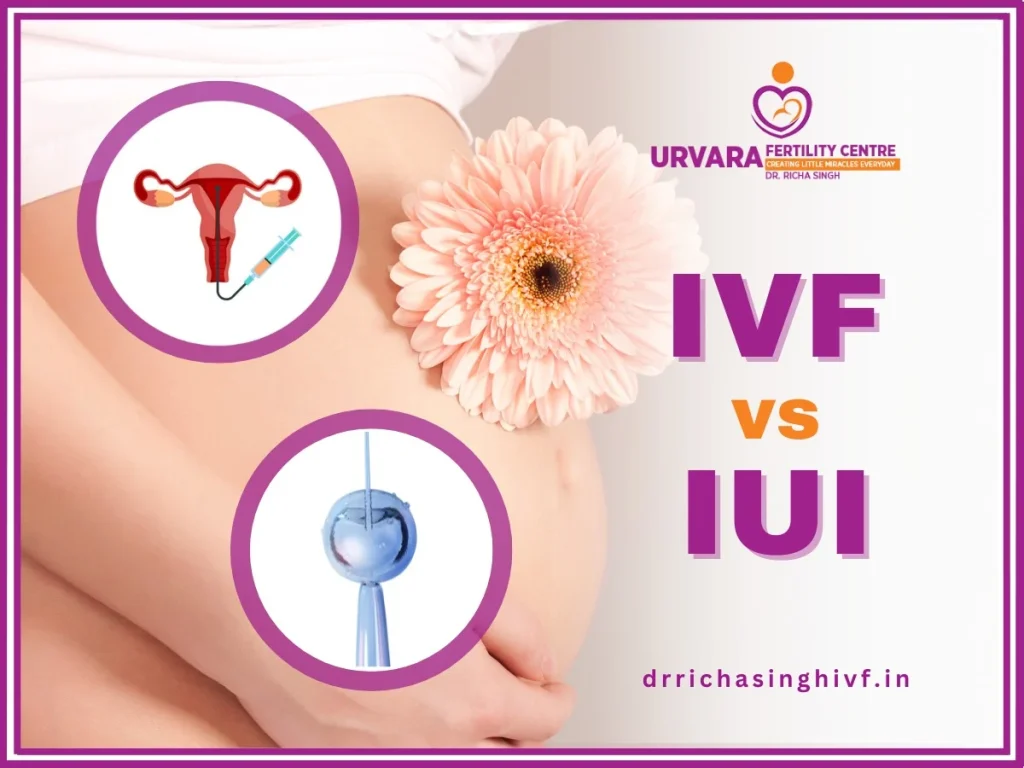
    Comparison of IUI and IVF, illustrating procedures and definitions for each fertility treatment.

    Intrauterine Insemination vs Low-Tech IVF: Debunking Common Myths

    Myth #4: IUI and low-tech IVF always result in multiple pregnancies
    Multiple pregnancies are a concern for many couples considering fertility treatments, but the belief that IUI and low-tech IVF always result in multiple pregnancies is not true. With proper monitoring and management, the risk of multiple pregnancies can be minimized. Additionally, low-tech IVF involves transferring fewer embryos compared to traditional IVF, reducing the chances of multiple pregnancies.

    Myth #5: IUI and low-tech IVF are guaranteed to result in pregnancy
    While IUI and low-tech IVF have higher success rates compared to natural conception, they are not guaranteed to result in pregnancy. The success rates for these procedures depend on various factors, such as age, fertility issues, and overall health. It is essential to have realistic expectations and understand that multiple cycles may be needed to achieve a successful pregnancy.

    Myth #6: IUI and low-tech IVF are not covered by insurance
    Many couples assume that IUI and low-tech IVF are not covered by insurance, making them financially out of reach. However, this is not always the case. While insurance coverage for these procedures may vary, many insurance plans do cover some or all of the costs. It is essential to check with your insurance provider to understand your coverage and potential out-of-pocket expenses.

    Myth #7: IUI and low-tech IVF are not as effective as traditional IVF
    Some couples may opt for traditional IVF instead of low-tech IVF, believing it to be more effective. However, this is not always the case. Low-tech IVF has been found to have comparable success rates to traditional IVF, with the added benefit of being less invasive and more cost-effective. Additionally, IUI and low-tech IVF have their own set of advantages and may be the better option for certain couples.

    In summary, IUI and low-tech IVF are two distinct assisted reproductive techniques with different success rates and methods. These procedures are not only for couples with severe infertility, and they are not as invasive or painful as many people believe. It is also a myth that they always result in multiple pregnancies or that they are not covered by insurance. Ultimately, the effectiveness of IUI and low-tech IVF depends on various factors, and it is essential to consult with a fertility specialist to determine the best treatment option for your specific situation.

  • The Role of Technology: Intrauterine Insemination vs Low-Tech IVF

    The Role of Technology: Intrauterine Insemination vs Low-Tech IVF

    In today’s world, technology plays a significant role in almost every aspect of our lives. This is especially true in the field of medicine and reproductive health. When it comes to fertility treatments, there are various options available, including intrauterine insemination (IUI) and in vitro fertilization (IVF). Both these procedures utilize technology to help individuals or couples achieve their dream of having a child. However, there are differences between IUI and low-tech IVF in terms of technology used, success rates, and cost. In this blog post, we will explore the role of technology in these two fertility treatments and compare their effectiveness, costs, and potential risks.

    Technology in Intrauterine Insemination (IUI)

    IUI is a fertility treatment that involves placing washed and concentrated sperm directly into a woman’s uterus during ovulation. This procedure is often used as a first-line treatment for couples who are struggling with unexplained infertility, mild endometriosis, or low sperm count.

    The technology used in IUI is relatively simple compared to other fertility treatments. It mainly involves the use of a catheter to inject the sperm into the uterus. However, advancements in technology have made the process more efficient and accurate. For instance, sperm washing techniques have improved, resulting in higher sperm concentration and better quality. Additionally, ultrasound technology is used to track ovulation and ensure the sperm is placed at the right time and location.

    One of the main advantages of IUI is that it is a minimally invasive and low-cost procedure. It does not require any specialized equipment, making it more accessible to a wider range of individuals and couples. However, the success rates of IUI are relatively low, ranging from 10-20% per cycle, depending on factors such as age and fertility issues.

    Technology in Low-Tech IVF

    Low-tech IVF, also known as natural cycle IVF, is a form of IVF that uses minimal or no fertility drugs to stimulate the ovaries. Instead, it relies on the natural cycle of the woman’s body to produce a single egg. This egg is then fertilized with sperm in a laboratory and transferred back into the uterus.

    Comparison of IUI and IVF treatments with diagrams of reproductive anatomy.

    The Role of Technology: Intrauterine Insemination vs Low-Tech IVF

    Compared to traditional IVF, which involves multiple hormone injections to stimulate the ovaries and produce multiple eggs, low-tech IVF is less invasive and has a lower risk of side effects. Additionally, it is more affordable since it does not require expensive fertility drugs. The technology used in low-tech IVF is similar to traditional IVF, including the use of ultrasound-guided egg retrieval and laboratory techniques to fertilize and culture the eggs. However, the cost of low-tech IVF is significantly lower than traditional IVF, making it a more cost-effective option for some individuals and couples.

    Comparing Success Rates and Risks

    When it comes to success rates, traditional IVF has the highest chances of pregnancy, with an average success rate of 40%. On the other hand, low-tech IVF has a success rate of around 15-20%, which is lower compared to traditional IVF but still higher than IUI. This is because low-tech IVF produces fewer eggs, making it less likely for multiple embryos to be transferred.

    In terms of potential risks, both IUI and low-tech IVF have minimal risks associated with the procedures themselves. However, the use of fertility drugs in traditional IVF can increase the chances of side effects such as ovarian hyperstimulation syndrome (OHSS). Additionally, multiple pregnancies are more common with traditional IVF, which can increase the risk of complications for both the mother and babies.

    Cost Comparison

    The cost of fertility treatments can be a significant barrier for many individuals and couples. IUI is the most affordable option, with a cost ranging from $300-$1000 per cycle, depending on factors such as the clinic and location. Low-tech IVF is slightly more expensive, with a cost ranging from $3000-$5000 per cycle. Traditional IVF is the most expensive option, with a cost of around $12,000-$15,000 per cycle.

    Summary:

    Intrauterine insemination (IUI) and low-tech IVF are two fertility treatments that utilize technology to help individuals and couples conceive. IUI uses a simple catheter to place sperm into the uterus, while low-tech IVF relies on the natural cycle of the woman’s body to produce a single egg. Both procedures have a lower cost compared to traditional IVF, but also have lower success rates. Traditional IVF has the highest success rates but also comes with a higher cost and potential risks associated with fertility drugs. Ultimately, the choice between these two treatments will depend on individual circumstances, preferences, and medical advice.

  • Intrauterine Insemination vs Low-Tech IVF: Which is Right for You?

    Intrauterine Insemination (IUI) and Low-Tech IVF are two popular fertility treatments that have helped many couples conceive. While both procedures involve the use of assisted reproductive technology, they have significant differences that can make one more suitable than the other depending on an individual’s specific needs and circumstances. In this blog post, we will delve into the details of IUI and Low-Tech IVF, comparing their costs, success rates, and other factors to help you determine which one may be the right option for you.

    IUI, also known as artificial insemination, is a relatively simple and less invasive procedure that involves placing washed and concentrated sperm directly into a woman’s uterus during her ovulation period. This is done to increase the chances of sperm reaching the egg and fertilizing it. On the other hand, Low-Tech IVF, also known as natural cycle IVF, is a more complex procedure that involves stimulating the ovaries to produce multiple eggs, which are then retrieved and fertilized in a laboratory before being transferred back into the uterus.

    One of the main factors that couples consider when deciding between IUI and Low-Tech IVF is the cost. IUI is generally more affordable than Low-Tech IVF, as it does not involve the use of expensive fertility drugs and laboratory procedures. However, IUI may not be covered by insurance, and the cost can add up if multiple cycles are needed. On the other hand, Low-Tech IVF can be significantly more expensive, but may be covered by insurance in some cases.

    Another crucial factor to consider is success rates. The success rates for IUI can vary depending on factors such as the woman’s age, the quality of the sperm used, and the overall health of the couple. On average, IUI has a success rate of 10-20% per cycle. Low-Tech IVF, on the other hand, has a higher success rate of 15-25% per cycle. However, this success rate can also be affected by various factors, and it may take several cycles to achieve a successful pregnancy.

    When it comes to the procedures themselves, IUI is a less invasive and less time-consuming option. The procedure can be completed in a matter of minutes and does not require any anesthesia. Low-Tech IVF, on the other hand, involves multiple steps, including taking fertility drugs to stimulate the ovaries, egg retrieval, fertilization, and embryo transfer. This process can take several weeks and may require the use of anesthesia during egg retrieval.

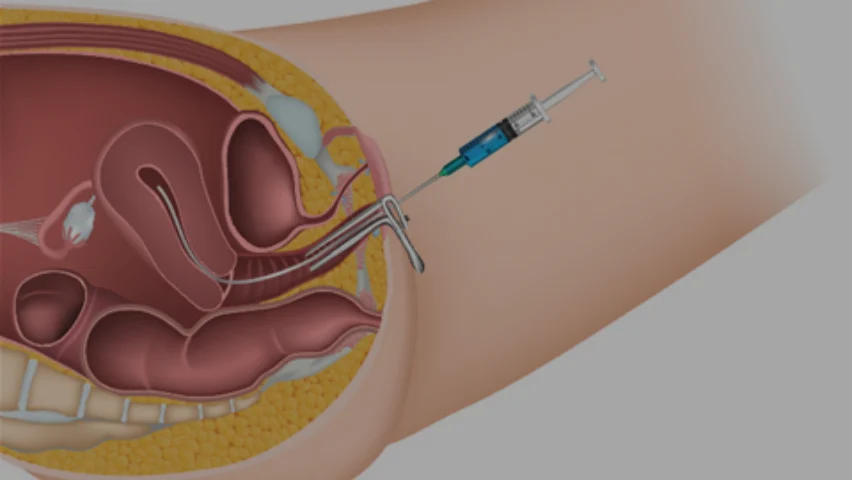
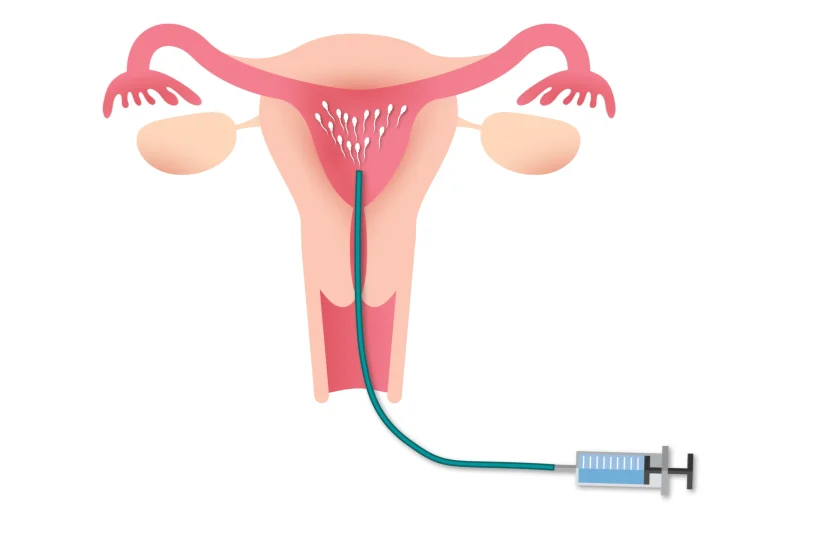
    diagram of a uterus with a syringe for intrauterine insemination procedure

    Intrauterine Insemination vs Low-Tech IVF: Which is Right for You?

    It is also essential to consider the potential risks and side effects of both procedures. IUI is a relatively safe procedure, and the most common side effects include mild cramping, spotting, and a small risk of infection. Low-Tech IVF, on the other hand, has a higher risk of complications due to the use of fertility drugs and the invasive nature of the procedure. These complications can include ovarian hyperstimulation syndrome, multiple pregnancies, and a higher risk of ectopic pregnancy.

    It is also worth noting that IUI and Low-Tech IVF may be suitable for different types of infertility. IUI is typically recommended for couples with unexplained infertility, mild male factor infertility, or cervical issues. Low-Tech IVF is often recommended for women with blocked or damaged fallopian tubes, severe male factor infertility, or advanced maternal age.

    In conclusion, both IUI and Low-Tech IVF are effective fertility treatments that have helped many couples achieve their dream of having a baby. While IUI is less invasive and more affordable, Low-Tech IVF has a higher success rate. Ultimately, the right choice will depend on your individual needs, preferences, and medical history. It is essential to consult with a fertility specialist to determine which option is best for you.

    Summary:

    Intrauterine Insemination (IUI) and Low-Tech IVF are two popular fertility treatments that can help couples conceive. While IUI is a less invasive and more affordable option, Low-Tech IVF has a higher success rate. The choice between the two procedures will depend on factors such as cost, success rates, and individual circumstances. It is essential to consult with a fertility specialist to determine which option is best for you.

  • The Emotional Side of Fertility Treatments: Intrauterine Insemination vs Low-Tech IVF

    Summary:

    Fertility treatments, specifically intrauterine insemination (IUI) and low-tech in vitro fertilization (IVF), can be emotionally taxing for couples struggling to conceive. In this blog post, we will discuss the emotional side of these fertility treatments and compare the experiences of IUI and low-tech IVF. Both treatments involve similar procedures, but the emotional impact can vary greatly.

    IUI is a less invasive and more affordable fertility treatment option compared to IVF. However, the success rates are lower, which can lead to disappointment and frustration for couples. The emotional rollercoaster of hope and disappointment during IUI can take a toll on the mental health of couples. On the other hand, low-tech IVF may have higher success rates, but the process can be physically and emotionally demanding. The constant monitoring and injections can cause stress and anxiety for couples, and the financial burden of IVF can add to the emotional strain.

    comparison of IUI and IVF fertility treatments with illustrations of procedures and a petri dish with an egg and sperm

    The Emotional Side of Fertility Treatments: Intrauterine Insemination vs Low-Tech IVF

    The emotional impact of fertility treatments also extends beyond the couple, involving their support system of family and friends. The pressure from well-meaning loved ones and the fear of judgment from society can add to the already existing emotional burden. It is essential for couples to have a strong support system and communicate openly with their loved ones during this challenging journey.

    Furthermore, fertility treatments can also bring up unresolved emotions and past traumas for couples. The pressure to conceive can cause strain on the relationship, and unresolved issues can resurface. It is crucial for couples to seek therapy or counseling to address these emotions and strengthen their bond.

    In conclusion, the emotional side of fertility treatments is often overlooked, but it is a crucial aspect of the journey for couples. The experience of IUI and low-tech IVF can differ greatly, but both have their own emotional challenges. It is essential for couples to communicate openly with each other, seek support from their loved ones, and address any unresolved emotions with therapy or counseling.

  • Intrauterine Insemination vs Low-Tech IVF: What You Need to Know

    Intrauterine insemination (IUI) and low-tech in vitro fertilization (IVF) are two commonly used fertility treatments. While both have the same goal of helping couples conceive, they differ in terms of procedure, success rates, and cost. In this blog post, we will explore the differences between IUI and low-tech IVF to help you understand which option may be best for your individual situation.

    Firstly, let’s define both procedures. Intrauterine insemination is a fertility treatment that involves the direct placement of sperm into a woman’s uterus during ovulation. This is typically done through a catheter inserted into the cervix. On the other hand, low-tech IVF is a simplified version of traditional IVF, where fertilization occurs in a laboratory dish and the resulting embryo is then transferred into the woman’s uterus.

    One of the main differences between IUI and low-tech IVF is the level of medical intervention. IUI is a much simpler and less invasive procedure compared to low-tech IVF. It does not involve hormonal injections or egg retrieval, making it a more comfortable option for many women. However, this also means that IUI has a lower success rate compared to low-tech IVF, especially for women who have underlying fertility issues.

    Speaking of success rates, low-tech IVF has higher chances of success compared to IUI. This is because in low-tech IVF, the fertilization process occurs in a controlled environment, allowing for a better selection of quality embryos. Additionally, low-tech IVF also allows for the use of fertility medications to stimulate egg production, which can increase the chances of pregnancy. On the other hand, IUI relies solely on the woman’s natural ovulation and does not involve any stimulation of egg production.

    comparison of IUI and IVF procedures illustrated with simple graphics and labels

    Intrauterine Insemination vs Low-Tech IVF: What You Need to Know

    Another important factor to consider when deciding between IUI and low-tech IVF is cost. IUI is generally more affordable compared to low-tech IVF. This is because it does not involve expensive fertility medications or laboratory procedures. However, it’s important to note that the cost of IUI can vary depending on factors such as the number of cycles needed and whether or not donor sperm is required. Low-tech IVF, on the other hand, can be more expensive due to the additional procedures involved.

    It’s also worth noting that for some women, IUI may not be a viable option. This includes women who have blocked fallopian tubes or severe male factor infertility. In these cases, low-tech IVF may be the recommended course of treatment.

    So which option is best for you? The answer depends on various factors such as your age, fertility history, and underlying medical conditions. It’s important to consult with a fertility specialist who can assess your individual situation and recommend the best course of treatment.

    In conclusion, both IUI and low-tech IVF are effective fertility treatments, but they differ in terms of procedure, success rates, and cost. IUI is a simpler and less invasive option, but it also has lower success rates and may not be suitable for certain medical conditions. Low-tech IVF, on the other hand, has higher chances of success but can be more expensive and may involve more medical intervention. It’s crucial to consult with a fertility specialist to determine which option is best for you.

    In summary, IUI and low-tech IVF are two fertility treatments that differ in procedure, success rates, and cost. While IUI is a simpler and less invasive option, low-tech IVF offers higher success rates but at a higher cost. The best course of treatment depends on individual factors and should be determined with the help of a fertility specialist.

  • Exploring Your Options: Intrauterine Insemination vs Low-Tech IVF

    Exploring Your Options: Intrauterine Insemination vs Low-Tech IVF

    When it comes to fertility treatments, there are several options available, each with its own benefits and limitations. Two common methods for people struggling with infertility are intrauterine insemination (IUI) and low-tech in vitro fertilization (IVF). Both of these procedures are less invasive and less expensive than traditional IVF, making them popular choices for those looking to start a family. However, it’s essential to understand the differences between these two options to make an informed decision about which one is right for you. In this blog post, we will explore the basics of IUI and low-tech IVF, their pros and cons, and help you decide which may be the best option for you.

    Intrauterine Insemination (IUI)

    Intrauterine insemination, also known as artificial insemination, is a fertility treatment that involves placing sperm directly into a woman’s uterus to increase the chances of fertilization. It is a simple and effective procedure that can be done with or without fertility drugs, depending on the individual’s needs. During IUI, the sperm is washed to remove any impurities and concentrated to increase the chances of fertilization. Then, the sperm is inserted into the uterus using a thin catheter, making the journey to the fallopian tubes easier and increasing the chances of fertilization.

    One of the significant advantages of IUI is that it is a relatively non-invasive procedure. The process is less stressful and less time-consuming than traditional IVF, making it a popular choice for many couples. Additionally, IUI is significantly less expensive than traditional IVF, making it a more feasible option for those on a budget. IUI is also a viable option for same-sex couples and single individuals who are looking to start a family.

    However, IUI may not be the best option for everyone. It is not suitable for women with blocked fallopian tubes or severe male factor infertility. The success rates of IUI are also relatively lower than traditional IVF. According to the American Pregnancy Association, the success rates for IUI range from 5% to 20%, depending on various factors such as age, fertility drugs, and underlying fertility issues. Additionally, IUI does not offer the opportunity to select the embryo, meaning that the chances of multiple pregnancies are higher.

    Illustration of intrauterine insemination (IUI) procedure with syringe and catheter in the uterus.

    Exploring Your Options: Intrauterine Insemination vs Low-Tech IVF

    Low-Tech In Vitro Fertilization (IVF)

    Low-tech IVF is a more affordable and less invasive alternative to traditional IVF. It involves a similar process to traditional IVF, but with fewer fertility drugs and a more relaxed protocol. Unlike traditional IVF, where the goal is to retrieve as many eggs as possible, low-tech IVF aims to retrieve fewer eggs, focusing on quality over quantity. The eggs are then fertilized in the lab, and the resulting embryo is transferred to the uterus, similar to traditional IVF.

    One of the significant advantages of low-tech IVF is that it involves fewer fertility drugs, making it a more comfortable and less risky procedure for the woman. The process is also less invasive, with no egg retrieval required, making it a less stressful option. Additionally, low-tech IVF is a more budget-friendly option for those who cannot afford traditional IVF. The success rates for low-tech IVF are also slightly higher than IUI, ranging from 15% to 30% depending on various factors.

    However, low-tech IVF may not be suitable for everyone. It is not recommended for women with severe fertility issues or those with blocked fallopian tubes. The success rates for low-tech IVF are still lower than traditional IVF, and there is still a risk of multiple pregnancies. Additionally, the process may take longer than traditional IVF, as it typically involves multiple cycles to achieve a successful pregnancy.

    So, Which Option is Right for You?

    Ultimately, the decision between IUI and low-tech IVF will depend on your individual needs and fertility issues. If you have mild fertility issues and are looking for a less invasive and more affordable option, low-tech IVF may be the right choice for you. However, if you have more severe fertility issues or blocked fallopian tubes, IUI may not be the best option. It’s essential to consult with a fertility specialist to discuss your options and determine the best course of action for your specific situation.

    In conclusion, both IUI and low-tech IVF are viable options for those struggling with infertility. While they have their differences, they both offer a less invasive and more affordable alternative to traditional IVF. It’s crucial to understand the pros and cons of each option to make an informed decision on which one may be the best choice for you. With the help of a fertility specialist, you can explore your options and choose the best path towards achieving your dream of starting a family.

  • Intrauterine Insemination vs Low-Tech IVF: Understanding the Success Rates

    Intrauterine Insemination (IUI) and Low-Tech In Vitro Fertilization (IVF) are two commonly used fertility treatments for couples struggling to conceive. Both procedures involve placing sperm inside the woman’s uterus to increase the chances of fertilization, but there are some key differences between the two. Understanding the success rates of these procedures is crucial for couples trying to choose the best treatment option for their individual needs. In this blog post, we will dive into the details of IUI and low-tech IVF, and compare their success rates to help you make an informed decision.

    IUI, also known as artificial insemination, is a relatively simple procedure that involves placing washed and concentrated sperm directly into the woman’s uterus during her ovulation period. This procedure is often recommended for couples with unexplained infertility, mild male factor infertility, or for same-sex couples using a donor sperm. IUI is less invasive and less expensive than IVF, making it a popular choice for many couples.

    On the other hand, low-tech IVF, also known as mini-IVF or mild stimulation IVF, involves a similar process as traditional IVF but with lower doses of fertility medications. This procedure still requires the retrieval of eggs from the woman’s ovaries, but the goal is to produce fewer eggs compared to traditional IVF. Low-tech IVF is often recommended for women who don’t respond well to high doses of fertility drugs or for those who want to avoid the potential risks and side effects of traditional IVF.

    Now, let’s take a closer look at the success rates of IUI and low-tech IVF. According to the American Society for Reproductive Medicine (ASRM), the success rate of IUI is around 10-20% per cycle, depending on factors such as the woman’s age, cause of infertility, and sperm quality. This means that out of 100 couples undergoing IUI, only 10-20 will achieve a successful pregnancy in one cycle. However, if IUI is performed in conjunction with fertility drugs to stimulate ovulation, the success rate can increase up to 20-30% per cycle.

    On the other hand, the success rates for low-tech IVF are slightly higher, with a success rate of 15-30% per cycle. This is because the lower doses of fertility medications used in this procedure reduce the risk of ovarian hyperstimulation syndrome (OHSS) and other potential side effects, leading to better quality eggs and embryos. However, it’s important to note that the success rate of low-tech IVF may vary depending on the clinic’s experience and the couple’s individual circumstances.

    IVF vs IUI comparison with illustrations of reproductive processes and a flower on a pregnant belly.

    Intrauterine Insemination vs Low-Tech IVF: Understanding the Success Rates

    In terms of cost, IUI is significantly less expensive than low-tech IVF. The average cost of IUI is around $500-$1000 per cycle, while low-tech IVF can cost anywhere from $3000-$7000 per cycle. This cost difference is mainly due to the use of fertility drugs and other procedures involved in low-tech IVF. However, it’s important to keep in mind that the total cost of treatment may vary depending on the couple’s specific needs and the location of the clinic.

    So, which one is the right choice for you? The answer to this question depends on various factors, including the cause of infertility, age, and financial situation. For couples with mild infertility issues, IUI may be a good first option, as it is less invasive and more affordable. On the other hand, for couples with more complex infertility issues, low-tech IVF may be a better option to increase their chances of success.

    In conclusion, both IUI and low-tech IVF are effective fertility treatments with their own unique benefits and success rates. While IUI may be a more accessible and affordable option, low-tech IVF may be a better choice for couples with more severe infertility issues. It’s important to consult with a fertility specialist to determine the best treatment option for you and your partner.

    Summary:

    IUI and low-tech IVF are two fertility treatments that involve placing sperm inside the woman’s uterus to increase the chances of fertilization. IUI is recommended for mild infertility issues and has a success rate of 10-20% per cycle, while low-tech IVF is recommended for more complex issues and has a success rate of 15-30% per cycle. IUI is less expensive than low-tech IVF, but the total cost may vary depending on individual circumstances. Ultimately, the choice between the two procedures depends on various factors, and consulting with a fertility specialist is crucial in making the right decision.

  • The Cost Comparison: Intrauterine Insemination vs Low-Tech IVF

    Blog Post: The Cost Comparison: Intrauterine Insemination vs Low-Tech IVF

    Deciding to start a family is a big decision, and for many couples, it can come with its own set of challenges. One of the most common issues that couples face when trying to conceive is infertility. Fortunately, there are various fertility treatments available that can help couples achieve their dream of having a child. Intrauterine insemination (IUI) and low-tech in vitro fertilization (IVF) are two commonly used procedures for fertility treatment. While both procedures have a similar goal of helping couples conceive, they differ in terms of cost. In this blog post, we will compare the costs of IUI and low-tech IVF to help you make an informed decision.

    What is Intrauterine Insemination (IUI)?

    Intrauterine insemination, also known as artificial insemination, is a fertility treatment that involves placing sperm directly into a woman’s uterus to increase the chances of fertilization. The process starts with the collection of sperm from the male partner or a sperm donor. The sperm is then washed and prepared in a laboratory to ensure that only the healthiest and most active sperm are used for the procedure. Next, a thin, flexible catheter is used to insert the sperm into the woman’s uterus. The procedure is simple, with minimal discomfort, and can be done in a doctor’s office.

    What is Low-Tech In Vitro Fertilization (IVF)?

    In vitro fertilization, commonly known as IVF, is a fertility treatment where eggs and sperm are combined in a laboratory to create embryos. The embryos are then transferred into the woman’s uterus, with the hope that one will implant and result in a pregnancy. In low-tech IVF, the process is similar to traditional IVF, but with fewer medications and stimulation of the ovaries. This results in fewer eggs being retrieved, making it a more affordable option for couples.

    Cost Comparison: IUI vs Low-Tech IVF

    When it comes to fertility treatments, cost is often a major consideration for couples. Here is a breakdown of the costs associated with IUI and low-tech IVF:

    1. Procedure Costs

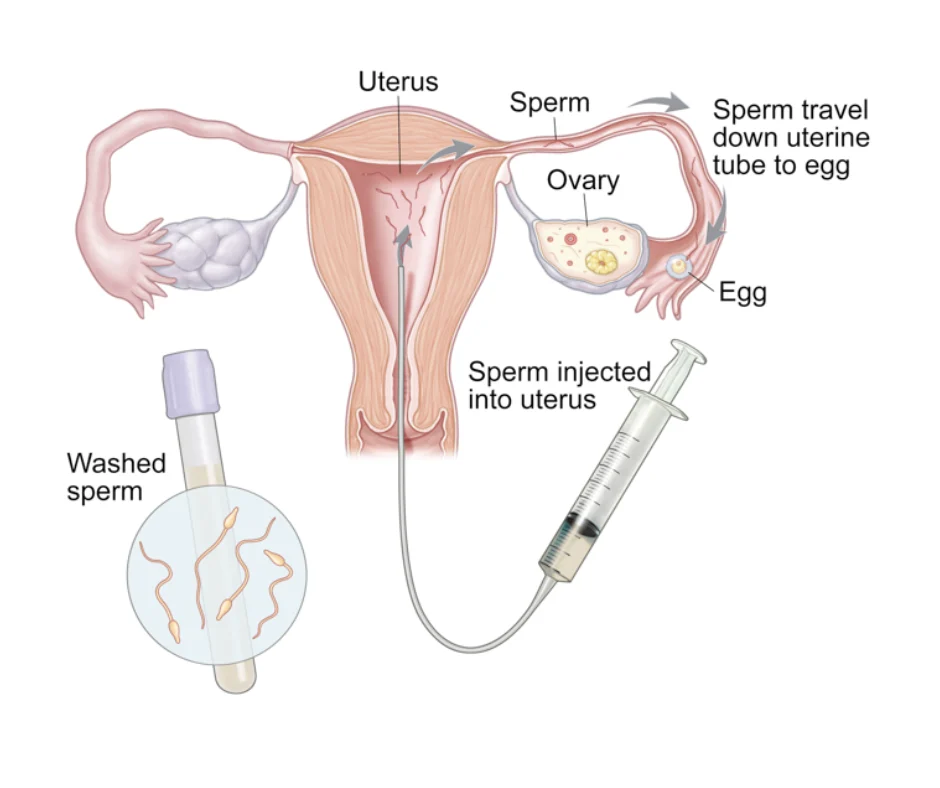
    diagram illustrating intrauterine insemination process, showing sperm injection into the uterus and egg fertilization pathway

    The Cost Comparison: Intrauterine Insemination vs Low-Tech IVF

    The average cost of an IUI procedure is around $865, depending on the location and the clinic. This includes the cost of sperm washing, the procedure itself, and any medications required. On the other hand, the average cost of a low-tech IVF cycle can range from $3,000 to $7,000, depending on the clinic and location. This includes the cost of medications, monitoring, and the procedure itself.

    2. Medication Costs

    Medications are a crucial part of both IUI and low-tech IVF procedures. In an IUI cycle, medication costs can range from $50 to $200, depending on the type of medication and dosage required. For a low-tech IVF cycle, the cost of medications can range from $1,000 to $3,000. However, since low-tech IVF involves fewer medications, the cost is significantly lower than traditional IVF which can cost upwards of $10,000.

    3. Additional Costs

    In addition to the procedure and medication costs, there are other factors to consider when comparing the costs of IUI and low-tech IVF. These include the cost of fertility testing, which can range from $1,500 to $3,000, and the cost of sperm or egg donors if needed. It is also essential to factor in the cost of multiple cycles, as the success rates for both procedures vary and may require more than one attempt.

    Factors to Consider

    While cost is an essential factor to consider when choosing a fertility treatment, it should not be the only determining factor. Other factors to consider include the cause of infertility, the age of the woman, and the success rates of the procedures. For couples with unexplained infertility or mild fertility issues, IUI may be a more affordable and less invasive option. However, for couples with more severe fertility issues, low-tech IVF may offer a better chance of success.

    In conclusion, both IUI and low-tech IVF are viable options for couples struggling with infertility. While IUI may be a more affordable option, low-tech IVF may offer a higher success rate for couples with more severe fertility issues. It is essential to speak with a fertility specialist to determine the best course of action for your specific situation. With proper research and guidance, you can make an informed decision that is best for you and your partner.

    Summary:

    Infertility is a common issue that many couples face when trying to conceive. Two commonly used fertility treatments, IUI and low-tech IVF, have similar goals but differ in terms of cost. Intrauterine insemination (IUI) involves placing sperm directly into a woman’s uterus, while low-tech in vitro fertilization (IVF) involves fertilization of eggs and sperm in a laboratory before transferring the embryo into the woman’s uterus. The average cost of an IUI cycle is around $865, while the average cost of a low-tech IVF cycle can range from $3,000 to $7,000. Other factors to consider include the cost of medications, fertility testing, and the success rates of the procedures. It is crucial to speak with a fertility specialist to determine the best course of action for your specific situation.

  • A Closer Look at Intrauterine Insemination vs Low-Tech IVF

    Title: A Closer Look at Intrauterine Insemination vs Low-Tech IVF: What You Need to Know

    In the world of assisted reproductive technology (ART), there are various methods available to help couples and individuals achieve their dream of starting a family. Two commonly used procedures are intrauterine insemination (IUI) and low-tech in vitro fertilization (IVF). While both have the same goal of increasing the chances of pregnancy, they differ in their approaches and success rates. In this blog post, we will take a closer look at these two procedures and compare their effectiveness, risks, and costs.

    What is Intrauterine Insemination (IUI)?
    Intrauterine insemination (IUI), also known as artificial insemination, is a relatively simple and less invasive procedure compared to IVF. It involves placing washed and concentrated sperm directly into the uterus at the time of ovulation. This process is done by inserting a thin catheter through the cervix and into the uterus. The goal of IUI is to increase the number of sperm that reach the fallopian tubes, where fertilization typically occurs.

    What is Low-Tech IVF?
    Low-tech IVF is a form of IVF that uses minimal medication and technology to stimulate the ovaries and retrieve eggs. This procedure is less intense and less expensive than traditional IVF, making it a more attractive option for some couples. It involves the use of oral medications and monitoring of the natural menstrual cycle to determine the best time for egg retrieval. The retrieved eggs are then fertilized with sperm in a laboratory and the resulting embryo is transferred to the uterus.

    Effectiveness
    When it comes to success rates, both IUI and low-tech IVF have their advantages and limitations. IUI has a higher success rate for couples with male factor infertility or unexplained fertility issues. According to the American Pregnancy Association, the success rate for IUI ranges from 10-20% per cycle. On the other hand, low-tech IVF has a slightly higher success rate of 15-25% per cycle for couples with female factor infertility or mild male factor infertility. However, the success rates for both procedures decrease with age and other underlying fertility issues.

    illustration of a uterus with a syringe, representing intrauterine insemination procedure

    A Closer Look at Intrauterine Insemination vs Low-Tech IVF

    Risks
    Both IUI and low-tech IVF are generally safe procedures with minimal risks. The most common risk associated with IUI is multiple pregnancies, which can occur due to the stimulation of ovaries with fertility drugs. This can increase the chance of complications for both the mother and the babies. On the other hand, the risks associated with low-tech IVF are similar to those of traditional IVF, which include ovarian hyperstimulation syndrome, infection, and ectopic pregnancy.

    Costs
    In terms of costs, IUI is significantly less expensive than low-tech IVF. The cost of IUI can range from $500-$1000 per cycle, while low-tech IVF can cost anywhere from $2,500 to $5,000. The higher cost of low-tech IVF is due to the additional laboratory procedures and medication required. However, it is still a more affordable option compared to traditional IVF, which can cost upwards of $12,000 per cycle.

    Which Procedure is Right for You?
    The choice between IUI and low-tech IVF ultimately depends on individual factors and preferences. Couples with male factor infertility may benefit more from IUI, while those with female factor infertility may have better success with low-tech IVF. Additionally, the age of the female partner and other underlying fertility issues should also be considered when making a decision.

    In conclusion, both IUI and low-tech IVF are effective procedures that can help couples and individuals achieve their dream of starting a family. While IUI is a less invasive and more affordable option, low-tech IVF may be a more suitable choice for certain fertility issues. It is important to consult with a fertility specialist to determine which procedure is the best fit for your specific situation.

    Summary:
    Intrauterine insemination (IUI) and low-tech IVF are two commonly used procedures in assisted reproductive technology (ART). While both have the same goal of increasing the chances of pregnancy, they differ in their approaches and success rates. IUI involves placing washed and concentrated sperm directly into the uterus, while low-tech IVF uses minimal medication and technology to stimulate the ovaries and retrieve eggs. The success rates, risks, and costs vary between the two procedures, and the decision ultimately depends on individual factors and preferences.