Tag: fertility preservation

  • Fertility Preservation for Women with PCOS: What You Need to Know

    Blog Post Title: Fertility Preservation for Women with PCOS: What You Need to Know

    Polycystic Ovary Syndrome (PCOS) affects approximately 1 in 10 women of reproductive age, making it one of the most common hormonal disorders among women. PCOS can cause a variety of symptoms, including irregular periods, weight gain, acne, and excess hair growth. But one of the biggest concerns for women with PCOS is its impact on fertility. Many women with PCOS struggle with infertility and may need to consider fertility preservation options. In this blog post, we will discuss what you need to know about fertility preservation for women with PCOS.

    Understanding PCOS and Its Impact on Fertility

    PCOS is a complex condition that affects the hormonal balance in a woman’s body. It is characterized by high levels of androgens (male hormones) and insulin resistance. These hormonal imbalances can lead to irregular ovulation or anovulation (lack of ovulation), which can make it difficult for women to get pregnant.

    In addition to irregular ovulation, PCOS can also cause other fertility issues such as:

    1. Ovarian cysts: Women with PCOS may have enlarged ovaries with multiple small cysts, which can affect egg quality and ovulation.

    2. Endometrial abnormalities: PCOS can cause thickening of the uterine lining, making it difficult for a fertilized egg to implant.

    3. Hormonal imbalances: High levels of androgens and insulin resistance can interfere with the production of other hormones necessary for fertility.

    Due to these factors, women with PCOS may have difficulty getting pregnant naturally. And for those who do conceive, there is a higher risk of complications such as gestational diabetes, preeclampsia, and premature birth.

    Fertility Preservation Options for Women with PCOS

    If you have PCOS and are considering starting a family in the future, it is essential to be aware of fertility preservation options that can increase your chances of getting pregnant.

    1. Ovulation Induction: This is a common treatment for PCOS-related infertility. It involves taking medication, such as Clomiphene, to stimulate ovulation. Ovulation induction can also be combined with intrauterine insemination (IUI) to increase the chances of conception.

    2. In Vitro Fertilization (IVF): IVF is a more advanced fertility treatment that involves stimulating the ovaries to produce multiple eggs, which are then retrieved and fertilized in a laboratory. The resulting embryos are then transferred to the uterus for implantation.

    3. Egg Freezing: Egg freezing, also known as oocyte cryopreservation, is a common fertility preservation method for women with PCOS. It involves retrieving and freezing a woman’s eggs, which can be thawed and used for IVF later on.

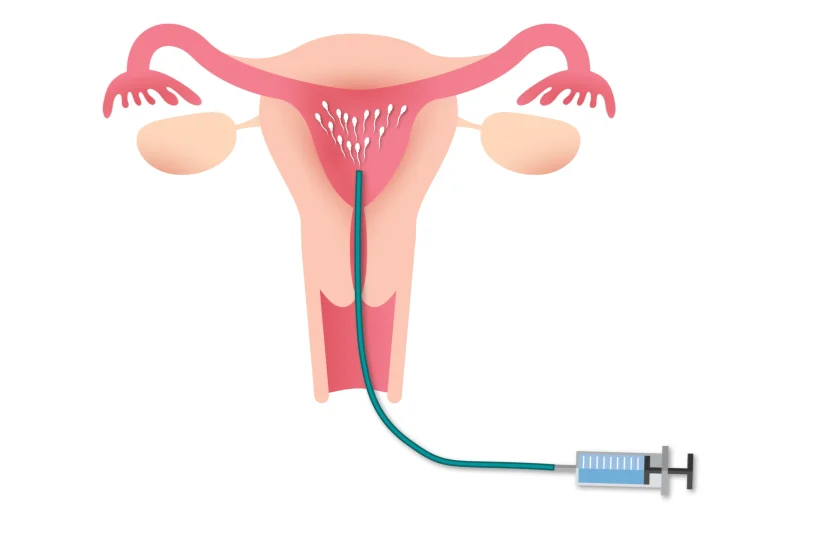
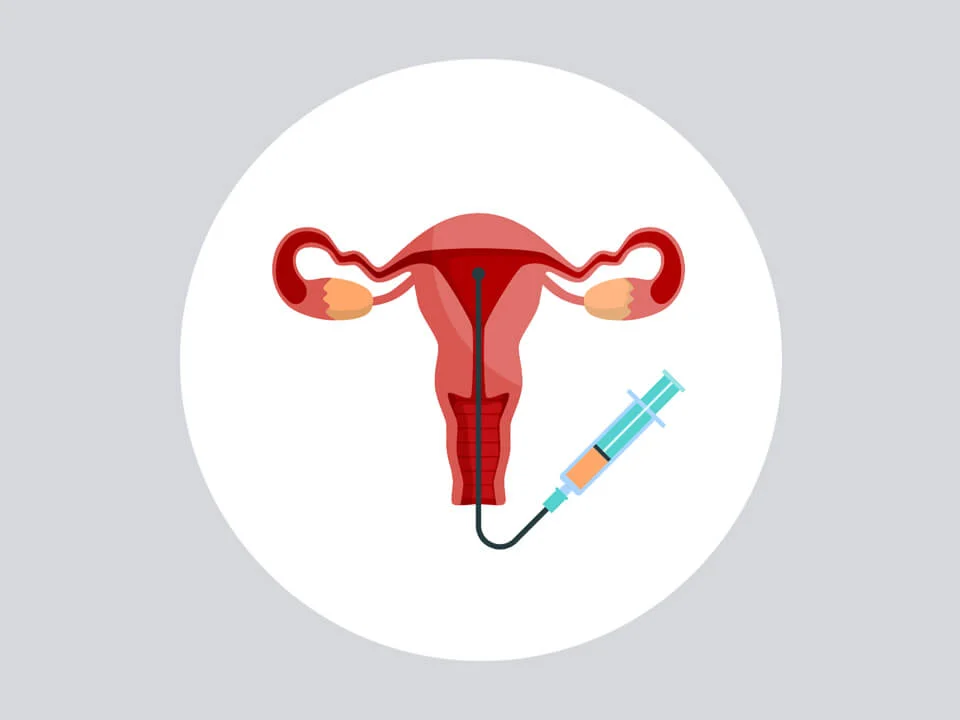
    Illustration of intrauterine insemination (IUI) procedure with syringe and catheter in the uterus.

    Fertility Preservation for Women with PCOS: What You Need to Know

    4. Embryo Cryopreservation: This is a similar process to egg freezing, but instead of freezing eggs, fertilized embryos are frozen. This option is suitable for women who have a partner or donor sperm available.

    5. Ovarian Tissue Freezing: For women with PCOS who are not suitable candidates for egg or embryo freezing, ovarian tissue freezing is an alternative option. It involves removing a small piece of ovarian tissue and freezing it for later use.

    The Benefits of Fertility Preservation for Women with PCOS

    Fertility preservation offers several benefits for women with PCOS. Firstly, it provides hope for future fertility and allows women to pursue their desired family planning goals. It also gives women more control over their reproductive health and can reduce the stress and anxiety associated with fertility issues.

    Moreover, fertility preservation can also be beneficial for women with PCOS who are undergoing cancer treatments, as chemotherapy and radiation therapy can damage the ovaries and affect fertility.

    Important Factors to Consider

    Before opting for fertility preservation, there are a few essential factors to consider:

    1. Age: As a woman gets older, her ovarian reserve (number of eggs) decreases, making it more challenging to retrieve viable eggs for freezing. Therefore, it is best to consider fertility preservation options at a younger age.

    2. Health Status: Women with PCOS may also have other health conditions that can affect fertility, such as obesity or thyroid disorders. It is vital to address these issues before starting fertility preservation treatments.

    3. Cost: Fertility preservation can be expensive, and insurance coverage may vary. It is essential to research and plan accordingly to ensure you have the necessary resources.

    4. Success Rates: It is crucial to have realistic expectations about the success rates of different fertility preservation methods. Talk to your doctor and understand the chances of success for each option.

    Conclusion

    PCOS can be a challenging condition to manage, and its impact on fertility can add to the stress and anxiety for women who want to start a family. But with advancements in reproductive technology, there are several fertility preservation options available for women with PCOS. It is essential to educate yourself and talk to your doctor about the best options for your specific situation. Fertility preservation can provide hope and a sense of control over your reproductive health, ultimately helping you achieve your dream of starting a family.

    Summary:

    Polycystic Ovary Syndrome (PCOS) affects 1 in 10 women and can cause fertility issues due to hormonal imbalances. The condition can lead to irregular ovulation, ovarian cysts, and endometrial abnormalities. Fertility preservation options for women with PCOS include ovulation induction, IVF, egg freezing, embryo freezing, and ovarian tissue freezing. These options provide hope for future fertility and give women more control over their reproductive health. It is essential to consider factors such as age, health status, cost, and success rates before opting for fertility preservation. With advancements in reproductive technology, women with PCOS can now have a better chance of starting a family in the future.
  • Fertility Preservation for Men: Exploring Oncofertility

    Blog Post: Fertility Preservation for Men: Exploring Oncofertility

    Fertility is a topic that is not often discussed openly, but it is a crucial aspect of reproductive health. For many men, the ability to have children is something that is taken for granted, but for those facing a cancer diagnosis, it can become a major concern. The treatments for cancer, such as chemotherapy and radiation, can often have a negative impact on fertility. This is where fertility preservation, specifically oncofertility, comes into play. In this blog post, we will explore the importance of fertility preservation for men and the advancements in oncofertility that are making it possible.

    What is Fertility Preservation?
    Fertility preservation is the process of saving eggs, sperm, or reproductive tissue for future use. This can be done for various reasons, including medical treatments that may affect fertility, such as cancer treatment, or for those who may want to delay parenthood for personal reasons. While fertility preservation has been available for women for many years, it is a relatively new concept for men.

    The Importance of Fertility Preservation for Men:
    When a man receives a cancer diagnosis, the focus is understandably on treating the cancer and saving their life. However, many cancer treatments, such as chemotherapy and radiation, can damage the reproductive system and cause infertility. For young men who have not yet had children, this can be a devastating side effect of cancer treatment. Fertility preservation offers these men a chance to have biological children in the future, even if they are unable to conceive naturally due to cancer treatment.

    Types of Fertility Preservation for Men:
    There are a few different options available for fertility preservation in men, including sperm banking, testicular tissue freezing, and testicular sperm extraction (TESE). Sperm banking is the most common and well-established method for fertility preservation. It involves collecting and freezing a sample of sperm, which can then be used for in vitro fertilization (IVF) in the future. Testicular tissue freezing involves the removal and freezing of a small piece of testicular tissue, which contains sperm-producing cells. This tissue can be used in the future for sperm production. TESE is a procedure in which sperm is extracted directly from the testicles for immediate use in IVF. This method is often used for men who are unable to produce sperm naturally due to a medical condition or previous treatments.

    Illustration of IUI procedure with uterus and syringe against a DNA background.

    Fertility Preservation for Men: Exploring Oncofertility

    The Advancements in Oncofertility:
    Oncofertility is a specialized field that focuses on fertility preservation for individuals facing cancer treatment. This field has made significant advancements in recent years, particularly in the area of fertility preservation for men. One of the most significant advancements is the development of a technique called spermatogonial stem cell transplantation. This involves transplanting stem cells from the testicles into the testicles of a man who has been rendered infertile due to cancer treatment. This technique has shown promising results in animal studies and is currently being explored in clinical trials for human use.

    Another exciting development in oncofertility for men is the use of artificial testicles. These artificial testicles, also known as bioprosthetic testicles, are created using a patient’s own cells and can be implanted into the scrotum. This allows the body to produce sperm naturally, even after cancer treatment has damaged the reproductive system. While this technology is still in the early stages of development, it shows great promise for the future of fertility preservation for men.

    The Role of Healthcare Providers:
    For oncofertility to be successful, it is essential for healthcare providers to discuss fertility preservation options with their patients before starting cancer treatment. Unfortunately, this is not always the case. A study published in the Journal of Clinical Oncology found that only 28% of male cancer patients received information about fertility preservation from their healthcare providers. This highlights the need for increased awareness and education about the importance of fertility preservation for men and the availability of options such as sperm banking and testicular tissue freezing.

    In addition to discussing fertility preservation options, healthcare providers must also be knowledgeable about the advancements in oncofertility and the various techniques available for men. This will allow them to provide the best possible care for their patients and ensure that they are aware of all of their options for preserving their fertility.

    In conclusion, fertility preservation is a crucial aspect of reproductive health for men, especially for those facing a cancer diagnosis. Oncofertility offers hope for men who may be at risk of infertility due to cancer treatment, with advancements in technology and techniques making it possible to preserve fertility and have biological children in the future. It is essential for healthcare providers to educate themselves and their patients about the options available for fertility preservation and to discuss these options before beginning cancer treatment. With increased awareness and access to oncofertility, we can help more men preserve their fertility and achieve their dream of becoming parents.

    Summary:
    Fertility preservation, specifically oncofertility, is a crucial aspect of reproductive health for men facing a cancer diagnosis. Cancer treatments such as chemotherapy and radiation can have a negative impact on fertility, making it difficult for men to have biological children in the future. However, advancements in oncofertility, such as spermatogonial stem cell transplantation and artificial testicles, are making it possible for men to preserve their fertility and have children even after cancer treatment. Healthcare providers play a vital role in educating their patients about fertility preservation and the various options available. Increased awareness and access to oncofertility can give hope to men facing a cancer diagnosis and help them achieve their dream of becoming parents.

  • Fertility Preservation for Women with Endometriosis: A Silver Lining

    Blog Post:

    Endometriosis is a painful and often debilitating condition that affects 1 in 10 women worldwide. It occurs when tissues similar to the lining of the uterus grow outside of the uterus, causing inflammation, scarring, and sometimes infertility. While the symptoms of endometriosis can be challenging to manage, there is a silver lining for women with this condition: fertility preservation.

    Fertility preservation involves the freezing of eggs, embryos, or ovarian tissue for future use in assisted reproductive techniques. It allows women to preserve their fertility and have the option of starting a family later in life. For women with endometriosis, fertility preservation can provide hope and comfort in the face of a condition that can negatively impact their reproductive health.

    Endometriosis not only causes pain and discomfort, but it can also affect a woman’s fertility. The abnormal tissue growth can block or damage the fallopian tubes, making it difficult for the eggs to travel from the ovaries to the uterus. It can also cause scarring on the ovaries, which can affect egg production. Additionally, the chronic inflammation caused by endometriosis can create an inhospitable environment for fertilization and implantation.

    The good news is that fertility preservation offers a solution for women with endometriosis who want to have children in the future. By freezing their eggs, women can bypass the effects of endometriosis on their reproductive organs and increase their chances of conceiving later on. This process involves stimulating the ovaries with hormones to produce multiple eggs, which are then retrieved and frozen for future use.

    For women with severe endometriosis, fertility preservation may also involve freezing ovarian tissue. This procedure is still considered experimental but has shown promising results. During this procedure, a small piece of ovarian tissue is removed and frozen. The tissue contains thousands of immature eggs that can potentially be used for fertilization in the future.

    Fertility preservation can also benefit women with endometriosis who are undergoing surgery. Surgery for endometriosis can sometimes result in the removal of one or both ovaries, which can significantly impact a woman’s fertility. By freezing the healthy ovary or ovarian tissue before surgery, women can preserve their fertility and have the option of using their own eggs for future pregnancies.

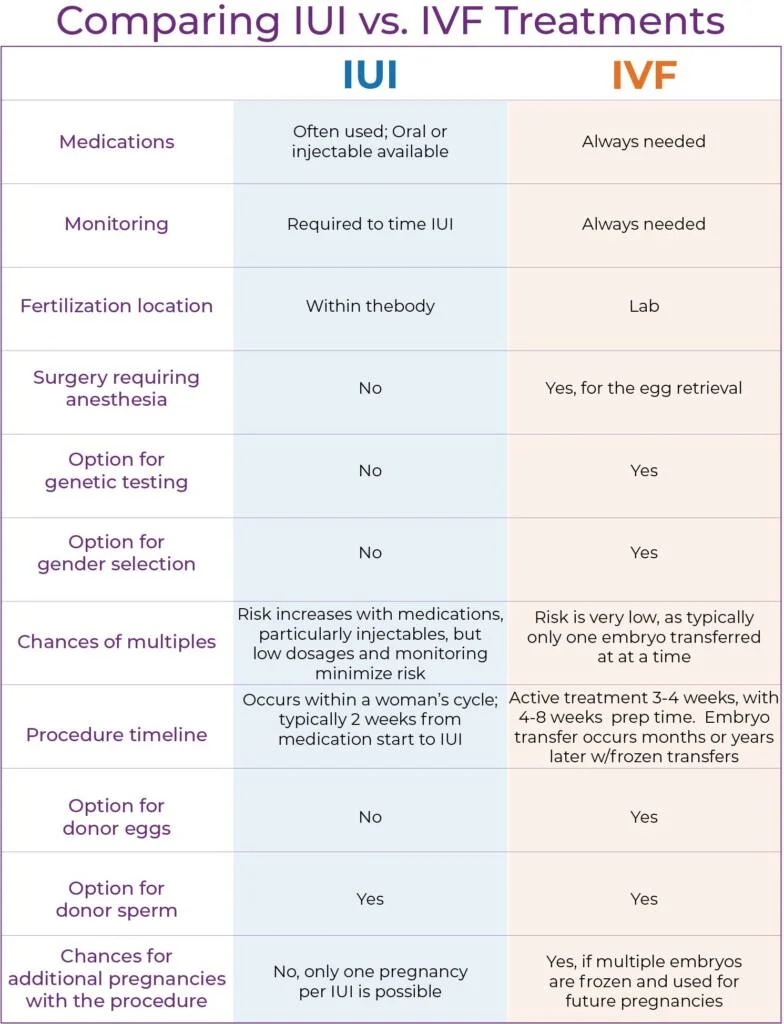
    Comparison chart of IUI and IVF treatments, detailing medications, monitoring, procedures, and success rates.

    Fertility Preservation for Women with Endometriosis: A Silver Lining

    Another benefit of fertility preservation for women with endometriosis is the emotional aspect. Endometriosis can take a toll on a woman’s mental health, especially when it comes to fertility. The uncertainty of being able to conceive can cause stress, anxiety, and even depression. Knowing that they have taken steps to preserve their fertility can provide peace of mind and alleviate some of the emotional burden of endometriosis.

    It’s essential to note that fertility preservation is not a cure for endometriosis. It does not reverse the condition or prevent it from progressing. However, it does offer women with endometriosis the hope of having a family in the future, despite the challenges they may face due to their condition.

    One of the significant barriers to fertility preservation for women with endometriosis is the cost. The process can be expensive and is not always covered by insurance. However, there are options available for financial assistance, such as grants and scholarships, that can help make fertility preservation more accessible for those who need it.

    In addition to cost, there is also a lack of awareness and education about fertility preservation for women with endometriosis. Many women may not know that this option exists or that it can benefit them. It’s crucial for healthcare providers to discuss fertility preservation with their endometriosis patients and offer it as an option for preserving their fertility.

    In conclusion, fertility preservation is a silver lining for women with endometriosis. It offers hope, comfort, and the possibility of starting a family in the future for those who may have thought it was not possible due to their condition. By raising awareness and addressing barriers such as cost, we can ensure that women with endometriosis have access to this valuable option.

    Summary:

    Endometriosis is a painful and often debilitating condition that affects the reproductive health of women. However, there is a silver lining for women with endometriosis: fertility preservation. This process involves freezing eggs, embryos, or ovarian tissue for future use in assisted reproductive techniques. It can help bypass the effects of endometriosis on fertility and provide hope for women who want to have children in the future. While there are barriers to accessing fertility preservation, such as cost and lack of awareness, it remains a valuable option for women with endometriosis.

  • The Reality of Delayed Motherhood: How Fertility Preservation Can Help

    Blog Post:

    Motherhood is often portrayed as one of the most natural and fulfilling experiences in a woman’s life. However, for many women, the reality of motherhood is not as straightforward as it seems. In fact, delayed motherhood has become a growing trend in modern society as women prioritize their careers, education, and personal goals over starting a family. While this may seem like a positive shift towards gender equality, it also comes with its own set of challenges, particularly in terms of fertility. In this blog post, we will explore the reality of delayed motherhood and how fertility preservation can help women overcome the obstacles they may face.

    The Shift towards Delayed Motherhood
    In the past few decades, there has been a significant shift towards delayed motherhood. Women are now waiting longer to have children, with the average age of first-time mothers reaching an all-time high in many developed countries. In the United States, the average age of first-time mothers has increased from 21.4 in 1970 to 26.9 in 2018. In countries like Japan and Italy, this age has gone up to over 30 years old.

    There are various reasons for this shift towards delayed motherhood. The rise of women in the workforce and the pursuit of higher education and career opportunities have played a significant role. In addition, the high cost of living, the desire for financial stability, and the increasing trend of cohabitation and delayed marriage have also contributed to this trend.

    The Reality of Delayed Motherhood
    While delayed motherhood may seem like a personal choice that empowers women, it also comes with its own set of challenges and risks. One of the most significant risks is the decline in fertility as women age. As women get older, the number and quality of their eggs decrease, making it more challenging to conceive. This decline starts to become significant after the age of 35 and continues to decrease as a woman reaches her 40s.

    In addition to age-related fertility decline, delayed motherhood also increases the risk of pregnancy complications and birth defects. Women over the age of 35 have a higher risk of developing gestational diabetes, preeclampsia, and other pregnancy-related conditions. Moreover, babies born to older mothers are at a higher risk of chromosomal abnormalities, such as Down syndrome.

    The Role of Fertility Preservation
    With the rising trend of delayed motherhood, fertility preservation has become an essential option for women who want to have children later in life. Fertility preservation involves freezing a woman’s eggs, embryos, or ovarian tissue, to be used at a later time when she is ready to start a family. This technique allows women to preserve their fertility and increase their chances of successful conception in the future.

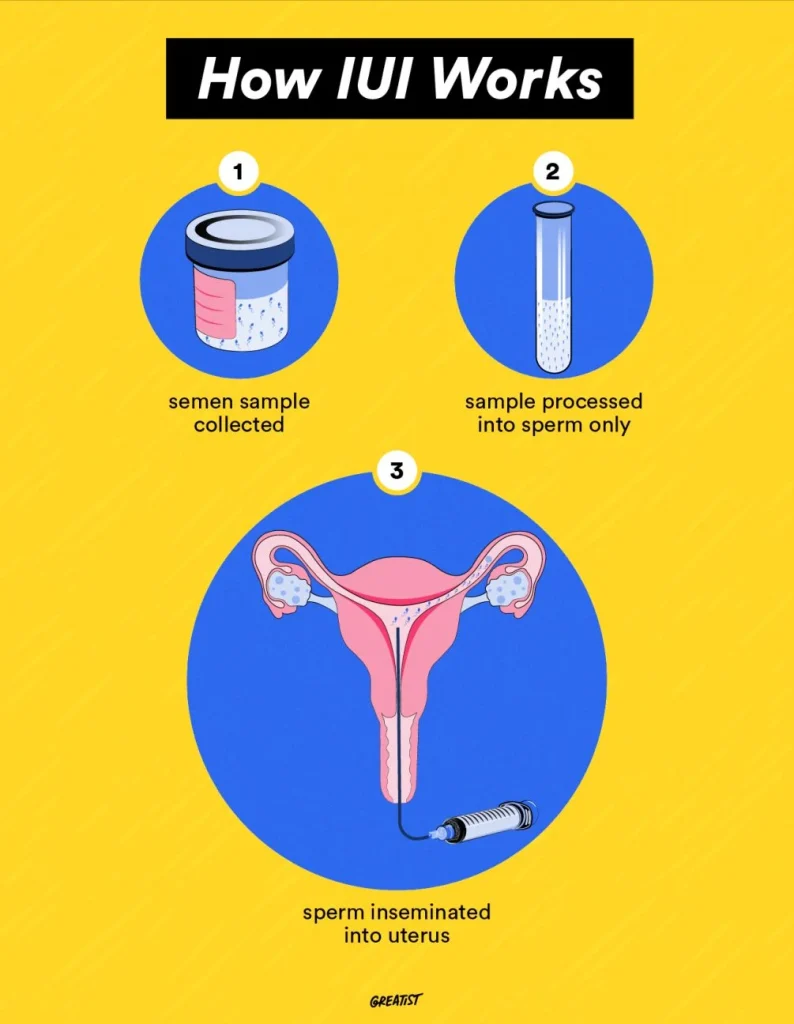
    illustration explaining the steps of intrauterine insemination (IUI) process on a bright yellow background

    The Reality of Delayed Motherhood: How Fertility Preservation Can Help

    Egg Freezing
    Egg freezing, also known as oocyte cryopreservation, is the most common form of fertility preservation. This process involves extracting a woman’s eggs and freezing them for later use. The frozen eggs can be stored for an extended period without any significant decline in quality. When a woman is ready to use her eggs, they are thawed, fertilized with sperm, and implanted into the uterus through in vitro fertilization (IVF).

    Embryo Freezing
    Embryo freezing, also known as embryo cryopreservation, involves fertilizing a woman’s eggs with sperm and freezing the resulting embryos for later use. This technique is suitable for women who have a male partner or are using donor sperm. The frozen embryos can be stored for many years, and when a woman is ready, they can be thawed and implanted into the uterus.

    Ovarian Tissue Freezing
    Ovarian tissue freezing is a newer technique that involves removing a small piece of a woman’s ovary and freezing it for later use. The tissue can then be thawed and re-implanted into the woman’s body, where it can start producing eggs again. This technique is suitable for women who cannot undergo traditional fertility treatments, such as chemotherapy patients, and those at risk of premature menopause.

    The Benefits of Fertility Preservation
    Fertility preservation offers many benefits to women who are considering delayed motherhood. First and foremost, it gives women more control over their reproductive choices and allows them to have children when they are ready. It also provides peace of mind to women who may be worried about their declining fertility as they age. In addition, fertility preservation can help women who have medical conditions that may affect their fertility, such as cancer, to have a chance of having biological children in the future.

    Moreover, fertility preservation can also help women avoid the emotional and psychological toll of infertility. Many women who delay motherhood and struggle to conceive later in life often face feelings of guilt, regret, and disappointment. Fertility preservation can help alleviate these negative emotions and give women the opportunity to have a biological child in the future.

    Conclusion
    The reality of delayed motherhood is a complex issue that affects many women in today’s society. While it may come with its own set of challenges and risks, fertility preservation offers a solution that can help women overcome these obstacles. By freezing their eggs, embryos, or ovarian tissue, women can take control of their reproductive choices and have the option to start a family later in life. Fertility preservation offers hope, peace of mind, and empowerment to women who are considering delayed motherhood, making it a valuable tool in today’s fast-paced and evolving world.

    Summary:
    Delayed motherhood has become a growing trend in modern society, with women prioritizing their careers, education, and personal goals over starting a family. However, this trend also comes with its own set of challenges and risks, particularly in terms of fertility. As women age, their fertility declines, making it more challenging to conceive. This is where fertility preservation comes in – the process of freezing a woman’s eggs, embryos, or ovarian tissue for later use. Fertility preservation offers many benefits, including giving women more control over their reproductive choices, providing peace of mind, and helping them avoid the emotional toll of infertility. It is a valuable tool for women considering delayed motherhood and offers hope and empowerment in today’s fast-paced world.

  • Fertility Preservation vs Adoption: Making the Right Choice for You

    Summary:

    Fertility preservation and adoption are two options available to individuals or couples who want to have children but are facing challenges in conceiving naturally. While both options offer the opportunity to become parents, they differ greatly in their processes, costs, and emotional implications. Making the right choice between fertility preservation and adoption is a deeply personal decision that depends on individual circumstances and beliefs.

    In this blog post, we will discuss the pros and cons of fertility preservation and adoption, as well as factors to consider when making this decision. We will also explore the emotional aspects of both options and provide resources for further guidance. By the end of this post, you will have a better understanding of which option may be the best fit for you and your family.

    Fertility Preservation:

    Fertility preservation, also known as fertility treatment or assisted reproduction, is a medical procedure that helps individuals or couples conceive a child. This option is typically used by those who are facing fertility challenges or have a medical condition that may impact their ability to conceive, such as cancer treatment. Fertility preservation involves various methods, including in vitro fertilization (IVF), egg freezing, and sperm freezing.

    One of the main advantages of fertility preservation is that it allows individuals to have a biological connection to their child. This can be a crucial factor for those who want to pass down their genes or have a strong desire for a biological connection with their child. Additionally, fertility preservation offers a sense of control and allows individuals to plan when they want to have children, rather than relying on chance.

    However, fertility preservation can be a costly and emotionally taxing process. The success rates of fertility treatments vary, and some individuals may require multiple attempts before achieving a successful pregnancy. This can result in significant financial and emotional strain. Moreover, the process may also involve hormone injections and invasive procedures, which can be physically uncomfortable.

    Adoption:

    Adoption is the process of legally and permanently welcoming a child into one’s family. It involves taking on the legal rights and responsibilities of a child who is not biologically related to the adoptive parents. Adoption can be a viable option for individuals or couples who are unable to conceive naturally or choose not to pursue fertility treatments.

    One of the significant advantages of adoption is that it provides a loving home for a child in need. It also allows individuals or couples to become parents without the physical and emotional challenges of fertility treatments. Adoption also offers a sense of fulfillment and purpose for those looking to expand their family.

    However, adoption can also be a lengthy and expensive process. The adoption process involves various steps, such as home studies, background checks, and legal proceedings, which can take months or even years to complete. Additionally, adoptive parents may face challenges in bonding with their child, especially if the child is older or has experienced trauma in their past.

    Factors to Consider:

    diagram of a uterus with a syringe for intrauterine insemination procedure

    Fertility Preservation vs Adoption: Making the Right Choice for You

    When deciding between fertility preservation and adoption, there are several factors to consider. These include:

    1. Medical Condition: If you or your partner have a medical condition that affects fertility, it’s essential to consult with a medical professional to determine the best course of action. Fertility preservation may be a better option for those with a medical condition that can impact their ability to conceive.

    2. Age: Age plays a significant role in fertility, and as individuals age, the chances of conceiving naturally decrease. For those who are older, adoption may be a better option as it offers a shorter and more straightforward process.

    3. Emotional Readiness: The decision to have a child is a significant one, and it’s crucial to consider your emotional readiness for both fertility preservation and adoption. Fertility treatments can be emotionally taxing, and adoption may also have its own set of challenges. It’s essential to take the time to understand your emotions and make a decision that feels right for you.

    4. Financial Considerations: Both fertility preservation and adoption can be expensive processes. It’s crucial to consider your financial situation and determine which option is more feasible for you. It’s also essential to keep in mind that there may be additional costs involved in raising a child, such as education and healthcare expenses.

    Emotional Aspects:

    The decision between fertility preservation and adoption can be an emotional one. It’s essential to take the time to understand your emotions and address any concerns or fears you may have. Some individuals may feel a strong desire for a biological connection with their child, while others may find fulfillment in providing a loving home for a child in need.

    It’s also vital to consider the potential emotional challenges that may arise during the process. Fertility treatments can be physically and emotionally taxing, and adoption may involve navigating relationships with birth parents and potential challenges in bonding with the child. It’s essential to have a support system in place and seek professional guidance if needed.

    Resources:

    If you are struggling to make a decision between fertility preservation and adoption, there are various resources available to help you. These include support groups, online forums, and counseling services. It’s essential to educate yourself on both options, speak with professionals, and connect with others who have gone through a similar experience.

    Making the Right Choice:

    Ultimately, the decision between fertility preservation and adoption depends on individual circumstances and beliefs. It’s essential to take the time to understand your emotions, consider the factors involved, and seek guidance if needed. Both options offer the opportunity to become a parent, and the most important thing is to make a decision that feels right for you and your family.

    In conclusion, fertility preservation and adoption are two options available for those facing challenges in conceiving naturally. While both options have their pros and cons, the decision ultimately comes down to individual circumstances and beliefs. It’s essential to consider factors such as medical conditions, age, emotional readiness, and financial considerations when making this decision. It’s also crucial to understand the emotional aspects and seek support and guidance throughout the process. No matter which option you choose, the most important thing is to make a decision that feels right for you and your family.

  • Fertility Preservation for Women: A Myths vs Facts Breakdown

    Summary:

    Fertility preservation is a process that involves freezing and storing eggs, embryos, or ovarian tissue with the aim of preserving a woman’s fertility for future use. This procedure has gained popularity in recent years as more women are delaying motherhood for various reasons. However, there are many myths surrounding fertility preservation that can create confusion and misinformation. In this blog post, we will break down the myths and present the facts about fertility preservation for women.

    Myth #1: Fertility preservation is only for women with medical conditions.

    Fact: While fertility preservation is commonly used for women facing medical conditions that may affect their fertility, it is not limited to those cases. Many women choose to undergo fertility preservation for personal reasons, such as delaying motherhood due to career or educational pursuits.

    Myth #2: Fertility preservation is only for women in their late thirties or forties.

    Fact: While it is true that fertility declines with age, fertility preservation can be beneficial for women of any age. In fact, the American Society for Reproductive Medicine recommends that women in their 20s and early 30s consider fertility preservation if they have plans to delay motherhood.

    Myth #3: Fertility preservation is only for single women.

    Fact: Fertility preservation can be beneficial for both single women and those in relationships. In fact, it can be a helpful option for couples who are not yet ready to have children but want to ensure their future fertility.

    Myth #4: Fertility preservation is a complicated and risky procedure.

    Fact: Fertility preservation is a safe and straightforward procedure, with success rates comparable to traditional IVF treatments. The process involves hormone injections to stimulate the ovaries, followed by an egg retrieval procedure. The eggs are then frozen and stored for future use.

    Myth #5: Fertility preservation is expensive and not accessible to everyone.

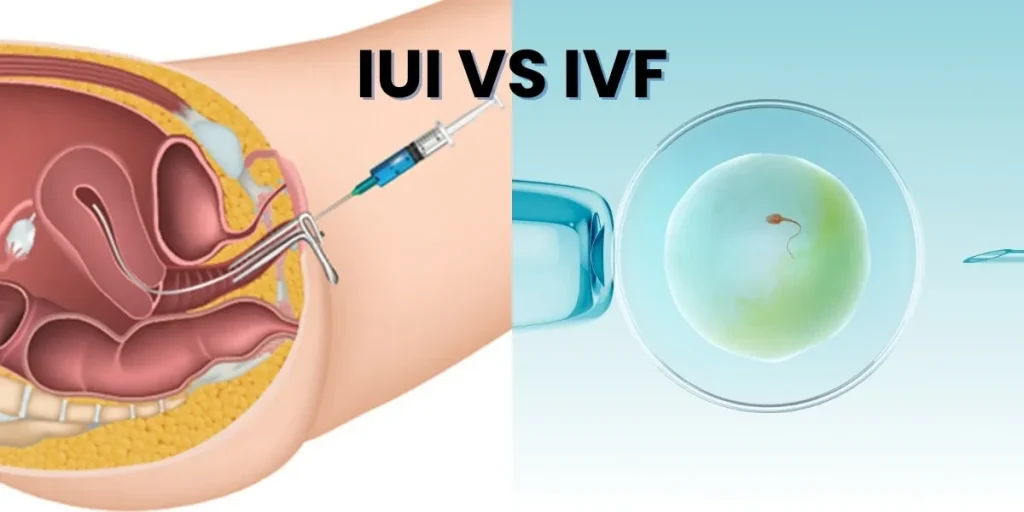
    comparison of IUI and IVF fertility treatments with illustrations of procedures and a petri dish with an egg and sperm

    Fertility Preservation for Women: A Myths vs Facts Breakdown

    Fact: While fertility preservation can be a significant financial investment, there are options available to make it more affordable, such as payment plans and financial assistance programs. Additionally, some insurance plans may cover the cost of fertility preservation for medical reasons.

    Myth #6: Fertility preservation guarantees future pregnancy and childbirth.

    Fact: While fertility preservation can increase the chances of pregnancy in the future, it is not a guarantee. Many factors can affect the success of fertility preservation, including the age and health of the woman at the time of egg retrieval.

    Myth #7: Fertility preservation is only for women who want biological children.

    Fact: Fertility preservation can also be beneficial for women who do not plan to have biological children. Women who have undergone cancer treatments that may affect their fertility can preserve their eggs or embryos to have the option of using a surrogate or a gestational carrier in the future.

    Myth #8: Fertility preservation is a one-time procedure.

    Fact: Fertility preservation can involve multiple cycles of egg retrieval and freezing, as the number of eggs retrieved in each cycle can vary. Additionally, women who have frozen their eggs or embryos may need to undergo further procedures, such as IVF, to achieve pregnancy in the future.

    Myth #9: Fertility preservation is emotionally and physically taxing.

    Fact: While fertility preservation can be a challenging decision for some women, it is not necessarily emotionally or physically taxing. The process involves regular visits to a fertility clinic, but the procedures are typically minimally invasive and do not require a prolonged recovery time.

    Myth #10: Fertility preservation is only available at specialized fertility clinics.

    Fact: Fertility preservation can be performed at specialized fertility clinics, but it is also available at many general gynecology practices. It is essential to choose a reputable and experienced provider regardless of the type of clinic.

    In conclusion, fertility preservation is a safe, accessible, and beneficial option for women looking to preserve their fertility for future use. It is important to understand the facts and dispel the myths surrounding this procedure to make informed decisions about reproductive health.

  • The Role of Technology in Fertility Preservation: Latest Advancements

    Blog Post:

    Fertility preservation, also known as cryopreservation, is the process of freezing and storing eggs, sperm, or embryos for later use in assisted reproductive technologies (ART). This technique has been a game-changer for individuals and couples who want to delay starting a family due to various personal or medical reasons. However, the success rate of fertility preservation has always been a concern, with many factors such as age, health, and lifestyle affecting the outcomes. With the rapid advancements in technology, there has been a significant improvement in the success rates of fertility preservation, making it a more viable option for those seeking to preserve their fertility.

    One of the latest advancements in fertility preservation is the use of vitrification. Vitrification is a technique that involves ultra-rapid cooling of eggs, sperm, or embryos in liquid nitrogen, which prevents the formation of ice crystals and minimizes cellular damage. This method has replaced the traditional slow freezing method and has shown to have a higher success rate in preserving the viability of eggs and embryos. The use of vitrification has revolutionized fertility preservation, making it a safer and more efficient process.

    Another significant advancement in fertility preservation is the use of ovarian tissue freezing. This technique involves removing a small piece of ovarian tissue from a woman’s ovary and freezing it for later use. This method is particularly beneficial for women who are at risk of losing their fertility due to cancer treatments such as chemotherapy or radiation. Ovarian tissue freezing has also shown promising results for women with conditions such as premature ovarian failure or endometriosis. With the latest advancements in technology, it is now possible to transplant frozen ovarian tissue back into the body, allowing women to regain their fertility after cancer treatment or other medical conditions.

    In recent years, there has been a rise in the use of artificial intelligence (AI) and machine learning in fertility preservation. These technologies have been used to analyze data and predict the chances of success for various fertility preservation techniques. AI algorithms can analyze factors such as age, health, and medical history to provide personalized recommendations for individuals seeking fertility preservation. This has not only improved the success rates but has also made the process more cost-effective and time-efficient.

    The use of 3D printing technology has also been a game-changer in fertility preservation. With this technology, it is now possible to create custom-made devices for cryopreservation, such as sperm and embryo straws. These devices are designed to minimize damage and improve survival rates of frozen sperm and embryos. 3D printing technology has also been used to create custom-made molds for freezing ovarian tissue, allowing for better tissue preservation and transplantation.

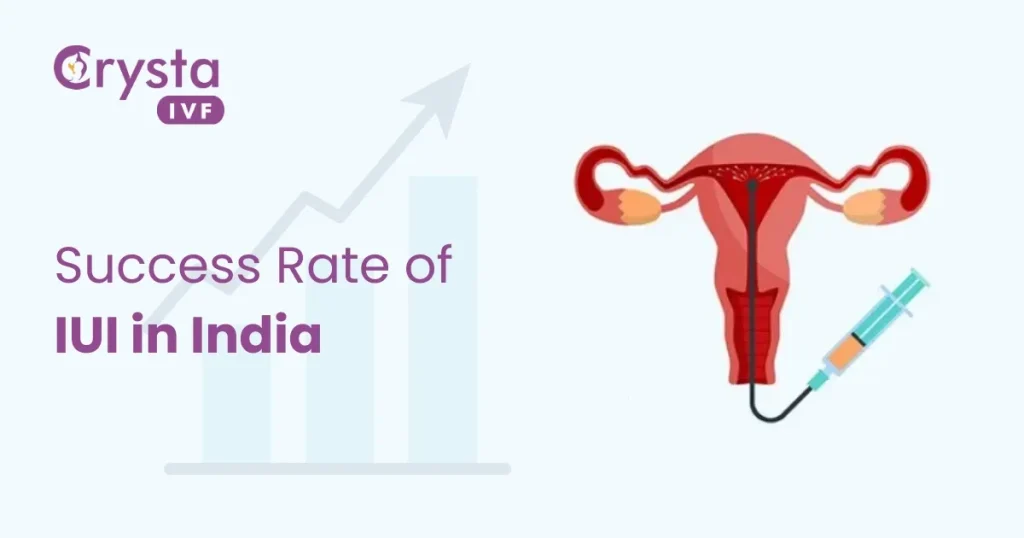
    success rate of IUI in India with a graphic of a uterus and syringe alongside a rising graph

    The Role of Technology in Fertility Preservation: Latest Advancements

    In addition to these technological advancements, the use of genetic testing has also played a crucial role in fertility preservation. Preimplantation genetic testing (PGT) is a technique used to screen embryos for genetic disorders before implantation. This not only increases the chances of a successful pregnancy but also reduces the risk of passing on genetic disorders to the child. PGT has also been used in combination with fertility preservation techniques to select the healthiest embryos for freezing, further improving the success rates.

    The role of technology in fertility preservation has also extended to the development of new techniques and procedures. For instance, there has been a rise in the use of in vitro maturation (IVM), a technique that involves collecting immature eggs from the ovaries and maturing them in a laboratory setting. This method has shown promising results for women with conditions such as polycystic ovary syndrome (PCOS) and those who cannot undergo ovarian stimulation. The use of IVM has expanded the options for fertility preservation, making it a more accessible and inclusive process.

    The latest advancements in technology have also made fertility preservation more accessible to a wider range of individuals and couples. With the use of telemedicine and virtual consultations, individuals can now receive fertility preservation counseling and treatment remotely. This has been particularly beneficial for those living in remote areas or unable to travel for various reasons. Virtual consultations and monitoring have also made the process more convenient and less invasive for patients.

    In conclusion, technology has played a significant role in advancing fertility preservation techniques and improving the success rates. From the use of vitrification and ovarian tissue freezing to artificial intelligence and 3D printing, these advancements have made the process safer, more efficient, and more accessible. With further developments and innovations, we can expect even higher success rates in fertility preservation, giving hope to individuals and couples who wish to delay starting a family.

    Summary:

    Fertility preservation, also known as cryopreservation, has seen significant advancements in recent years due to technology. The use of techniques such as vitrification, ovarian tissue freezing, and artificial intelligence has improved the success rates of fertility preservation. 3D printing technology has also played a crucial role in creating custom-made devices for cryopreservation. Genetic testing, such as preimplantation genetic testing, has also been used to select the healthiest embryos for freezing. These advancements have made fertility preservation more accessible, efficient, and inclusive. With further developments, we can expect even higher success rates in the future.

  • Fertility Preservation for LGBTQ+ Individuals: Breaking Barriers

    Blog Post: Fertility Preservation for LGBTQ+ Individuals: Breaking Barriers

    As society continues to progress towards acceptance and inclusion, the LGBTQ+ community is breaking barriers and gaining visibility in all aspects of life. However, one area that has been overlooked for far too long is fertility preservation for LGBTQ+ individuals. While the road to parenthood may be different for members of the LGBTQ+ community, it should not be impossible. In this blog post, we will explore the challenges faced by LGBTQ+ individuals when it comes to fertility preservation, and how we can break these barriers to help them achieve their dreams of parenthood.

    Fertility preservation, also known as fertility preservation, is the process of preserving reproductive cells, tissues, or organs for future use. This can be done through various methods, including freezing eggs, sperm, or embryos. For LGBTQ+ individuals, fertility preservation can play a vital role in their journey to parenthood. However, there are still many barriers and challenges that stand in their way.

    One of the most significant barriers faced by LGBTQ+ individuals when it comes to fertility preservation is the lack of awareness and education. Many LGBTQ+ individuals are not aware of the options available to them, and they may not know how to navigate the complex world of fertility preservation. This lack of knowledge and understanding can lead to feelings of isolation and hopelessness, as they may believe that parenthood is not an option for them.

    Another barrier is the high cost of fertility preservation. The procedures involved in fertility preservation can be expensive, and many LGBTQ+ individuals may not have the financial means to afford them. Additionally, insurance coverage for fertility preservation may be limited or non-existent for LGBTQ+ individuals, making it even more challenging to access these services.

    Moreover, for transgender individuals, there are specific challenges when it comes to fertility preservation. For transgender men, the use of testosterone can affect their egg production, making it more difficult to retrieve viable eggs for freezing. On the other hand, transgender women may face barriers in accessing fertility preservation due to societal stigma and discrimination.

    In addition to these challenges, LGBTQ+ individuals may also face obstacles when it comes to finding a healthcare provider who is knowledgeable and sensitive to their unique needs. Many LGBTQ+ individuals have experienced discrimination and prejudice in healthcare settings, which can make them hesitant to seek out fertility preservation services.

    Illustration of a uterus with a syringe, representing intrauterine insemination (IUI) procedure.

    Fertility Preservation for LGBTQ+ Individuals: Breaking Barriers

    So, what can be done to break these barriers and make fertility preservation more accessible for LGBTQ+ individuals? First and foremost, there needs to be more education and awareness about the options available for fertility preservation. This can be achieved through outreach programs, support groups, and inclusive education in schools and healthcare settings.

    Secondly, efforts should be made to make fertility preservation more affordable. This could include insurance coverage for LGBTQ+ individuals and financial assistance programs. Additionally, healthcare providers should be encouraged to offer more affordable options for fertility preservation, such as discounted rates or payment plans.

    Another crucial step is to create a safe and inclusive environment for LGBTQ+ individuals in healthcare settings. This can be achieved by providing sensitivity training to healthcare providers and creating policies that prohibit discrimination based on sexual orientation or gender identity.

    Moreover, there needs to be more research and development in the field of fertility preservation for transgender individuals. This could include finding ways to preserve fertility while undergoing hormone therapy or developing new methods for fertility preservation specifically for transgender individuals.

    In conclusion, fertility preservation for LGBTQ+ individuals is an essential aspect of reproductive health that has been overlooked for too long. By breaking the barriers and creating a more inclusive and supportive environment, we can help LGBTQ+ individuals achieve their dreams of parenthood. Education, affordability, and inclusivity are key to ensuring that everyone, regardless of their sexual orientation or gender identity, has access to fertility preservation services.

    Summary:

    Fertility preservation is an essential aspect of reproductive health for LGBTQ+ individuals, but they face many barriers and challenges in accessing these services. These barriers include lack of education, high costs, and discrimination in healthcare settings. To break these barriers, there needs to be more awareness and education, affordable options, inclusive healthcare environments, and research and development in fertility preservation for transgender individuals.

  • Fertility Preservation Options for Men: Beyond Freezing Sperm

    Fertility preservation is a topic that is often associated with women, but it is just as important for men to consider their options when it comes to preserving their fertility. While sperm freezing is a common and effective method for preserving male fertility, there are other options available for men to consider. In this blog post, we will discuss some of the other fertility preservation options for men beyond just freezing sperm.

    One alternative to sperm freezing is testicular tissue freezing. This involves removing a small piece of testicular tissue and freezing it for later use. This method is often used for men who have a medical condition that may affect their fertility, such as cancer or genetic disorders. The tissue can later be thawed and used for in vitro fertilization (IVF) or other fertility treatments.

    Another option for men is cryopreservation of testicular tissue. This involves removing a sample of testicular tissue and freezing it without any further processing. This tissue can then be used for research purposes or for future fertility treatments. While this option may not directly preserve a man’s fertility, it can provide valuable information for future fertility treatments and research.

    In addition to freezing testicular tissue, there are also options for preserving sperm in a more natural way. One such option is testicular sperm extraction (TESE). This involves extracting sperm directly from the testicles through a small biopsy. The sperm can then be used for IVF or other fertility treatments. This method is often used for men who have a blockage in their reproductive system, making it difficult for sperm to reach the ejaculate.

    comparison of IUI and IVF fertility treatments with illustrations of procedures and a petri dish with an egg and sperm

    Fertility Preservation Options for Men: Beyond Freezing Sperm

    For men who want to preserve their fertility but are not ready to have children yet, there is also the option of sperm banking. This involves collecting and freezing multiple samples of sperm over a period of time. The frozen sperm can then be used for future fertility treatments when the man is ready to start a family. This option is often used by men who are about to undergo medical treatments that may affect their fertility, such as chemotherapy.

    Aside from preserving sperm or testicular tissue, there are also lifestyle changes that men can make to improve their overall fertility. These include maintaining a healthy weight, reducing alcohol and tobacco consumption, and managing stress levels. Engaging in regular exercise and eating a well-balanced diet can also have a positive impact on male fertility.

    It is important for men to be proactive in considering their fertility preservation options, especially if they have a medical condition that may affect their fertility. Consulting with a reproductive specialist can help determine which option is best for an individual’s specific situation.

    In summary, fertility preservation is not just a concern for women, but also for men. Beyond the common method of sperm freezing, there are other options available for men to preserve their fertility, such as testicular tissue freezing, cryopreservation of testicular tissue, testicular sperm extraction, and sperm banking. Making lifestyle changes can also improve overall fertility. It is important for men to educate themselves on these options and consult with a specialist to determine the best course of action for preserving their fertility.

  • Fertility Preservation for Cancer Patients: What You Need to Know

    Title: Fertility Preservation for Cancer Patients: What You Need to Know

    Introduction:

    Cancer treatment can have a significant impact on a person’s fertility, especially for young patients who have not started or completed their family planning. The good news is that advancements in medical technology have made it possible for cancer patients to preserve their fertility before undergoing treatment. In this blog post, we will discuss the importance of fertility preservation for cancer patients, the options available, and what you need to know before making a decision.

    Why is Fertility Preservation Important for Cancer Patients?

    Cancer treatment, such as chemotherapy, radiation, and surgery, can damage reproductive organs and affect hormone levels, leading to infertility. For young cancer patients, this can be devastating as they may not have had the chance to start a family. However, with fertility preservation, patients can have hope for their future family planning.

    Options for Fertility Preservation:

    1. Cryopreservation of Eggs, Sperm, or Embryos:

    Cryopreservation is the process of freezing and storing eggs, sperm, or embryos for future use. For male cancer patients, sperm can be collected through masturbation or testicular biopsy. For female patients, eggs can be retrieved through a procedure called ovarian stimulation and then frozen. Embryos can also be created using the patient’s eggs and sperm and frozen for future use.

    2. Ovarian Tissue Freezing:

    For female patients who do not have time to undergo ovarian stimulation, or for those who cannot delay cancer treatment, ovarian tissue freezing may be an option. This involves removing a piece of ovarian tissue and freezing it for later use. The tissue can be transplanted back into the patient’s body after they have completed their cancer treatment, allowing them to conceive naturally.

    3. Gonadal Shielding:

    For patients who need radiation therapy in the pelvic area, gonadal shielding can help protect the reproductive organs from radiation damage. This involves placing a lead shield over the pelvic area during radiation treatment, minimizing the exposure of reproductive organs to radiation.

    Comparison of IUI and IVF, illustrating procedures and definitions for each fertility treatment.

    Fertility Preservation for Cancer Patients: What You Need to Know

    Things to Consider Before Making a Decision:

    1. Timing is crucial:

    Fertility preservation should be done before starting cancer treatment, as some treatments can affect fertility immediately. It is essential to discuss fertility preservation options with your doctor as soon as possible to make an informed decision.

    2. Costs:

    Fertility preservation can be expensive, and most insurance companies do not cover the cost. Patients should discuss the costs with their doctor and explore financial assistance options, such as grants and fertility preservation loans.

    3. Success rates:

    The success rates of fertility preservation vary depending on the patient’s age, type of cancer, and the chosen method. It is essential to discuss the potential success rates with your doctor and understand the risks involved.

    4. Emotional impact:

    Undergoing cancer treatment is emotionally challenging, and the added stress of fertility preservation can be overwhelming. It is crucial to have a support system in place and to seek counseling if needed.

    Conclusion:

    Fertility preservation is vital for cancer patients who want to have children in the future. It provides hope and options for patients who may have thought that their cancer treatment would leave them unable to conceive. By discussing fertility preservation with your doctor and understanding the options available, you can make an informed decision about your future family planning.

    Summary:

    Fertility preservation is crucial for cancer patients as cancer treatment can damage reproductive organs and affect fertility. The options available for fertility preservation include cryopreservation of eggs, sperm, or embryos, ovarian tissue freezing, and gonadal shielding. Before making a decision, patients should consider the timing, costs, success rates, and emotional impact of fertility preservation. By discussing with their doctor and understanding the options, cancer patients can have hope for their future family planning.