Title: From Pills to Procedures: Understanding Male and Female Infertility Treatments
Infertility affects millions of couples worldwide, with approximately 1 in 8 couples struggling to conceive. While there are many causes of infertility, both male and female, advancements in medical technology have led to a variety of treatments that can help couples achieve their dream of starting a family. From pills to procedures, there are various options available to assist with male and female infertility. In this blog post, we will explore the different treatments for male and female infertility, how they work, and the success rates associated with each method.
Understanding Male Infertility Treatments:
Male infertility is often caused by low sperm count, poor sperm quality, or blockages in the reproductive system. One of the most common treatments for male infertility is the use of fertility drugs. These drugs work by stimulating the production of hormones that help to increase sperm production. While this method can be effective in some cases, it does not address problems with sperm quality or blockages in the reproductive system.
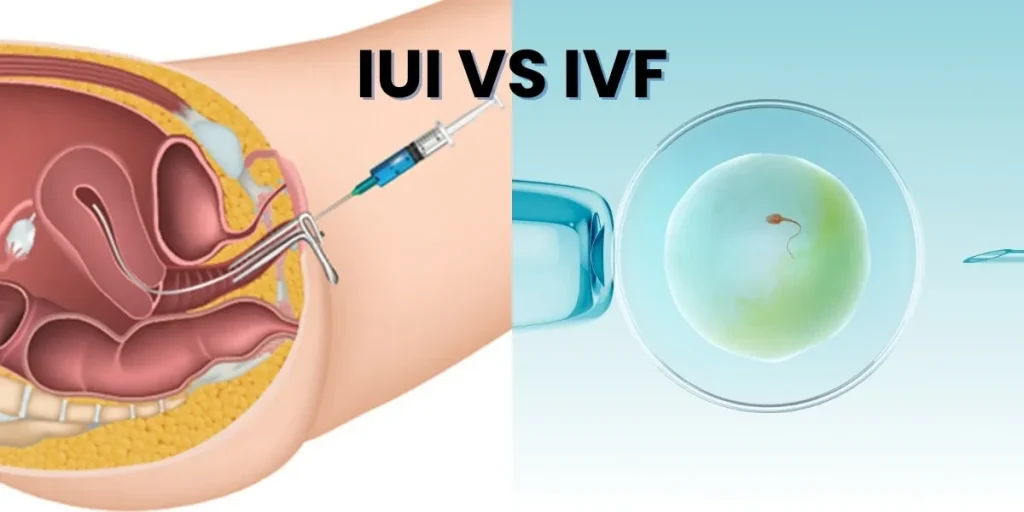
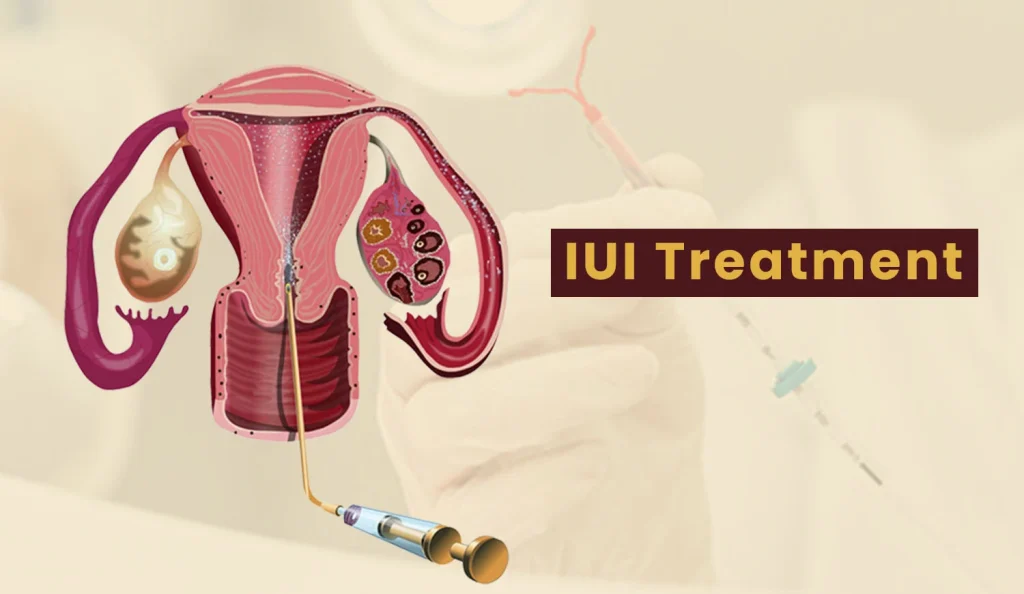
Another option for male infertility treatment is intrauterine insemination (IUI). This involves placing washed and concentrated sperm directly into the woman’s uterus, increasing the chances of fertilization. IUI is often used in combination with fertility drugs to enhance its effectiveness.
For more severe cases of male infertility, in vitro fertilization (IVF) may be recommended. This procedure involves fertilizing the woman’s eggs with the man’s sperm in a laboratory and then transferring the resulting embryo back into the woman’s uterus. IVF has a higher success rate compared to IUI and fertility drugs alone, but it can be a costly and invasive procedure.
In cases where there are severe blockages in the reproductive system, surgical procedures may be recommended. These procedures, such as varicocelectomy or vasectomy reversal, aim to repair or remove any blockages, allowing for the normal flow of sperm.
Understanding Female Infertility Treatments:
Female infertility is often caused by issues with ovulation, blockages in the fallopian tubes, or conditions such as endometriosis. Fertility drugs are also commonly used to treat female infertility by stimulating ovulation. These drugs work by regulating the hormones involved in the ovulation process.
From Pills to Procedures: Understanding Male and Female Infertility Treatments
If fertility drugs are not effective, a more advanced treatment option for female infertility is intrauterine insemination (IUI), as mentioned earlier. This method can also be used to bypass blocked fallopian tubes, increasing the chances of fertilization.
In vitro fertilization (IVF) is also a commonly used treatment for female infertility. This method involves extracting the woman’s eggs and fertilizing them with the man’s sperm in a laboratory. The resulting embryo is then transferred back into the woman’s uterus. IVF has a higher success rate compared to other methods, but it can be a physically and emotionally demanding process.
For women with severe cases of endometriosis, surgery may be recommended to remove any scar tissue or blockages that may be affecting fertility. In cases of blocked fallopian tubes, surgery may also be an option to remove the blockage and improve the chances of conception.
Success Rates of Infertility Treatments:
The success rates of infertility treatments vary depending on various factors such as age, cause of infertility, and the type of treatment. Fertility drugs and IUI have a success rate of around 10-20% per cycle, while IVF has a success rate of 30-40% per cycle. However, it is important to note that these success rates can vary significantly and may also depend on the expertise of the medical team and the clinic’s quality.
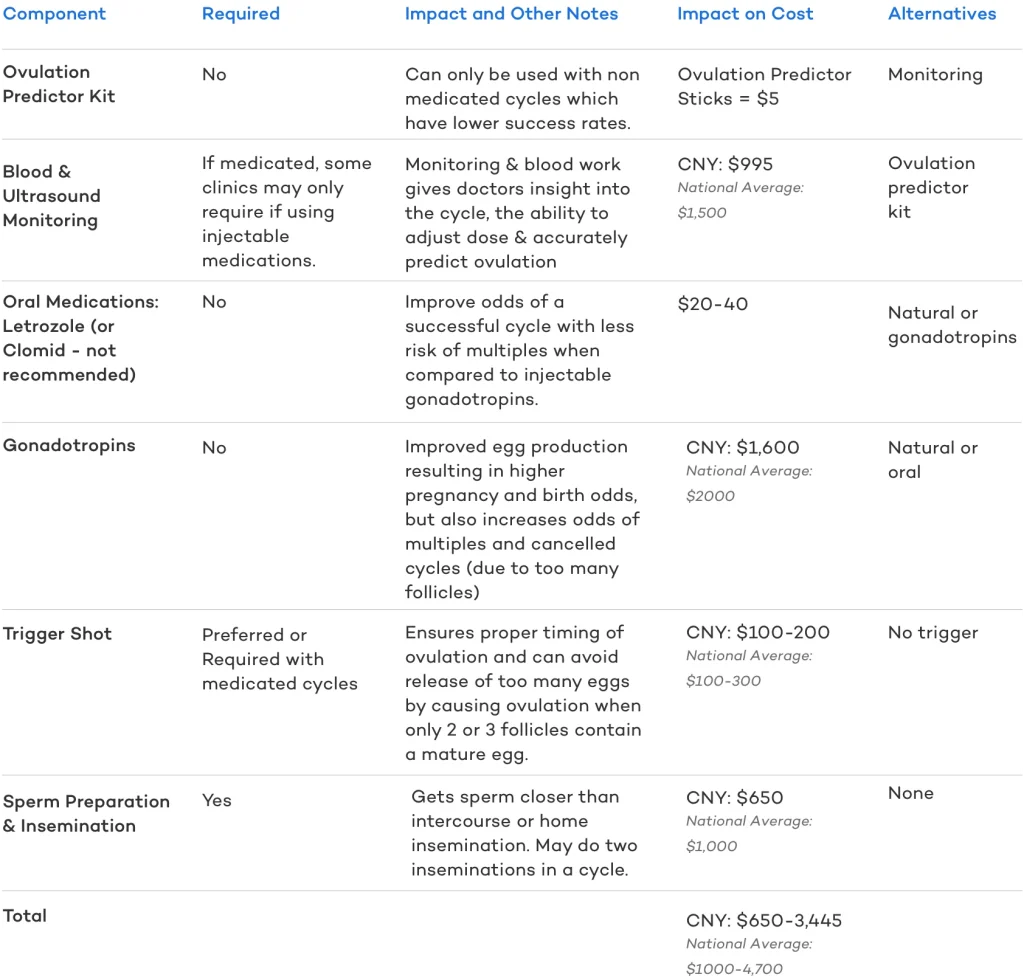
It is also crucial for couples to understand that infertility treatments can be emotionally and financially taxing. It is essential to have realistic expectations and to seek support from loved ones and professionals throughout the process.
In conclusion, from pills to procedures, there are various options available to treat male and female infertility. While fertility drugs and IUI can be effective for some couples, more advanced treatments such as IVF and surgical procedures may be necessary for others. It is crucial for couples to seek guidance from medical professionals to determine the best course of action for their specific situation.
Summary:
Infertility affects millions of couples worldwide, and there are various causes for both male and female infertility. Fortunately, advancements in medical technology have led to a variety of treatments to help couples achieve their dream of starting a family. From fertility drugs and intrauterine insemination to in vitro fertilization and surgical procedures, there are options available for both male and female infertility. However, it is important to have realistic expectations and seek support throughout the process, as these treatments can be emotionally and financially taxing.