Intrauterine Insemination (IUI) and In Vitro Fertilization (IVF) are two commonly known fertility treatments that have helped many couples achieve their dream of parenthood. These assisted reproductive technologies (ART) have been around for several decades and have continually evolved to become more effective and accessible to those struggling with infertility. While both procedures share the same goal of helping couples conceive, they have distinct differences in terms of approach, success rates, and overall impact on a woman’s health and well-being. In this blog post, we will take a closer look at the differences between IUI and IVF and explore the benefits of a holistic approach to fertility treatments.
What is Intrauterine Insemination?
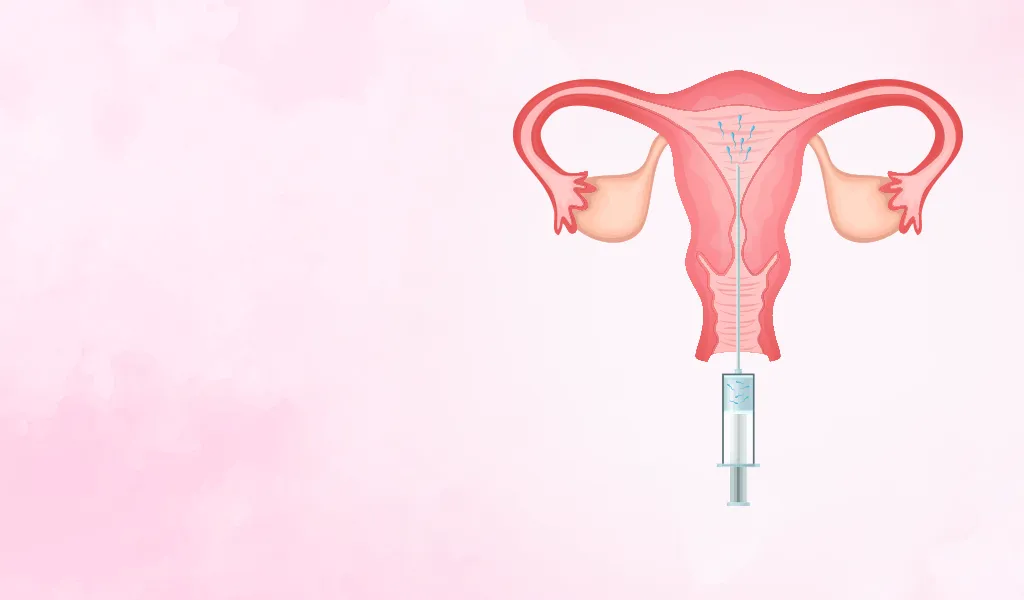
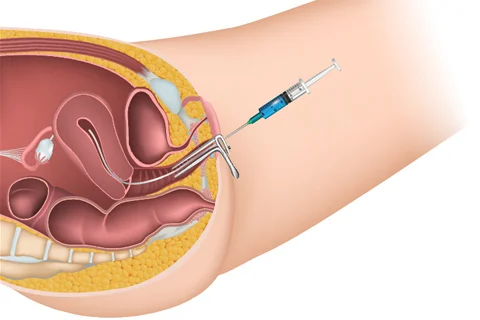
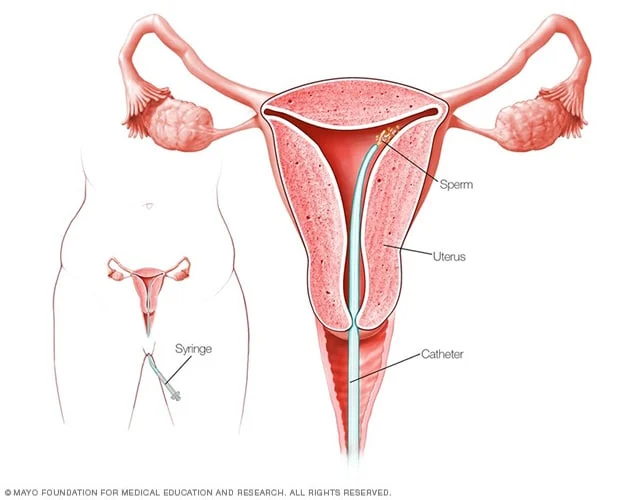
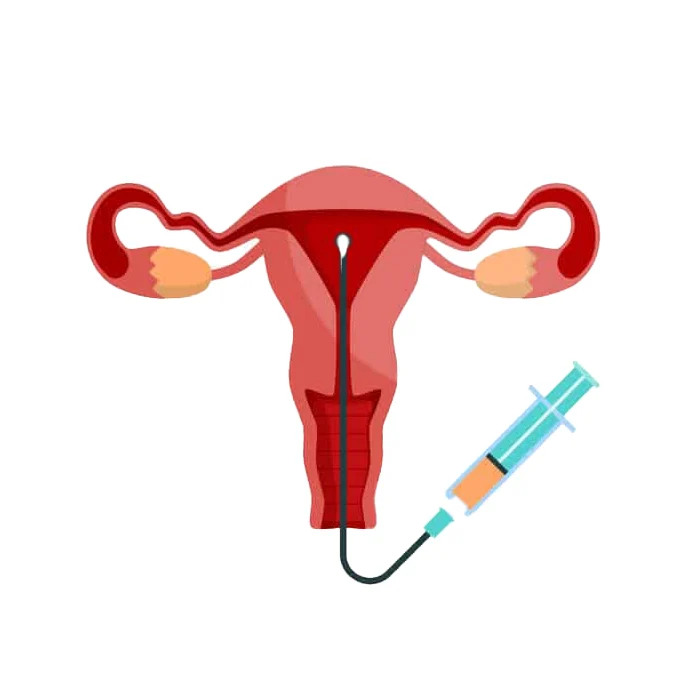
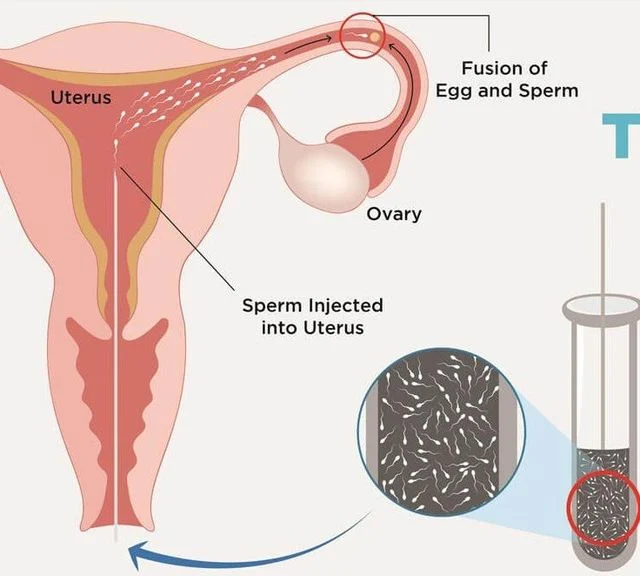
Intrauterine Insemination, also known as artificial insemination, is a relatively simple fertility treatment that involves inserting washed and concentrated sperm directly into a woman’s uterus during her ovulation period. This procedure is often recommended for couples with unexplained infertility, mild male factor infertility, or for single women or same-sex couples using donor sperm.
The process starts with the male partner providing a semen sample, which is then washed and prepared in the laboratory to separate the healthy sperm from the semen. The prepared sperm is then placed into a catheter and inserted into the woman’s uterus through the cervix, making the journey to the fallopian tubes where fertilization takes place. IUI is a quick and painless procedure that typically takes only a few minutes to complete.
What is In Vitro Fertilization?
In Vitro Fertilization, commonly referred to as IVF, is a more complex fertility treatment that involves fertilizing the woman’s egg with sperm in a laboratory setting. This procedure is commonly used for couples facing more significant fertility challenges, such as blocked fallopian tubes, severe male factor infertility, or advanced maternal age.
The process of IVF starts with the woman undergoing ovarian stimulation to produce multiple eggs. These eggs are then retrieved through a minor surgical procedure and fertilized with sperm in a laboratory. The fertilized embryos are then monitored for a few days before being transferred into the woman’s uterus. Any remaining embryos can be frozen for future use. IVF can take several weeks to complete and may involve more medications and monitoring than IUI.
Comparing Success Rates
When it comes to success rates, IVF is generally considered to have higher success rates than IUI. According to the Centers for Disease Control and Prevention (CDC), the success rates for IVF in women under 35 years old are around 34%, while the success rates for IUI are around 10-20%. However, it is essential to note that success rates can vary depending on various factors, such as age, cause of infertility, and the quality of the sperm and eggs.
Holistic Approach to Fertility Treatments
Intrauterine Insemination vs In Vitro Fertilization: A Holistic Approach
While IUI and IVF are effective in helping couples conceive, they can also take a toll on a woman’s physical, emotional, and mental well-being. The use of hormonal medications, the stress of undergoing procedures, and the anticipation of success can all have a significant impact on a woman’s health. This is where a holistic approach to fertility treatments comes into play.
A holistic approach takes into consideration the overall health and well-being of the individual, not just their fertility. It focuses on optimizing the mind, body, and spirit to create a conducive environment for conception. This can involve incorporating alternative therapies such as acupuncture, nutrition counseling, and stress management techniques into the treatment plan.
The Benefits of a Holistic Approach
1. Reduced Stress and Anxiety: Going through fertility treatments can be emotionally and mentally draining. Incorporating stress management techniques such as yoga, meditation, and counseling can help reduce stress and anxiety and improve overall well-being.
2. Improved Physical Health: A holistic approach also focuses on optimizing physical health through nutrition counseling and incorporating a healthy lifestyle. This can help improve overall health and increase the chances of conception.
3. Increased Success Rates: Studies have shown that incorporating a holistic approach into fertility treatments can lead to higher success rates. By addressing underlying health issues and creating a healthy environment for conception, the chances of success may increase.
4. Less Invasive: A holistic approach can also involve less invasive treatments, such as natural fertility methods and acupuncture, which can be less physically demanding and have fewer side effects.
5. Long-Term Benefits: A holistic approach not only focuses on achieving pregnancy but also on long-term health and well-being. By addressing underlying health issues, women can improve their overall health and reduce the risk of future fertility issues.
In conclusion, IUI and IVF are both viable options for couples struggling with infertility. While IVF may have higher success rates, a holistic approach to fertility treatments can offer numerous benefits for women’s overall health and well-being. It is essential to consult with a fertility specialist and discuss all available options to determine the best course of action for each individual’s unique situation.
Summary:
Intrauterine Insemination (IUI) and In Vitro Fertilization (IVF) are two common fertility treatments that have helped many couples achieve their dream of parenthood. While IUI involves inserting washed and concentrated sperm into a woman’s uterus during her ovulation period, IVF involves fertilizing the woman’s egg with sperm in a laboratory setting. While IVF may have higher success rates, a holistic approach to fertility treatments can offer numerous benefits such as reduced stress and anxiety, improved physical health, and increased success rates. It is essential to consult with a fertility specialist to determine the best course of action for each individual’s unique situation.