Tag: support system

  • The Emotional Rollercoaster: Coping with the Process of Intrauterine Insemination vs Sperm Washing

    The Emotional Rollercoaster: Coping with the Process of Intrauterine Insemination vs Sperm Washing

    In the journey towards starting a family, many couples face challenges and obstacles that can be emotionally and physically draining. For couples who are struggling with infertility, the process of conceiving can be even more difficult. Intrauterine insemination (IUI) and sperm washing are two commonly used techniques to assist with conception, but they also come with their own set of emotional challenges. In this blog post, we will explore the emotional rollercoaster that couples may experience while undergoing IUI and sperm washing, and how they can cope with the process.

    What is Intrauterine Insemination (IUI)?

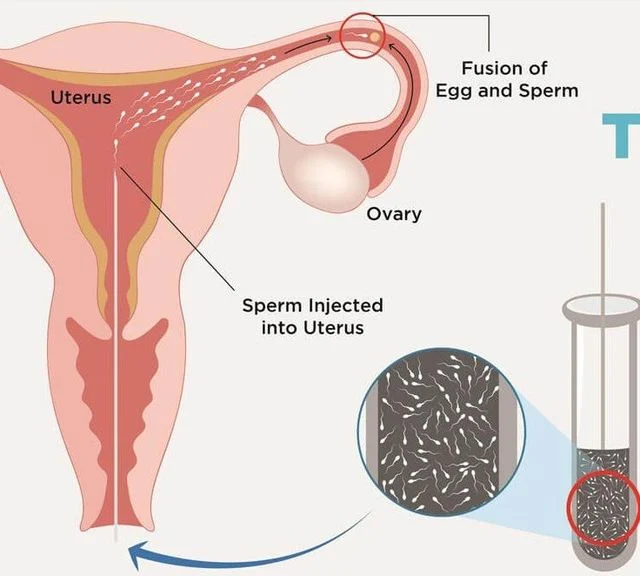
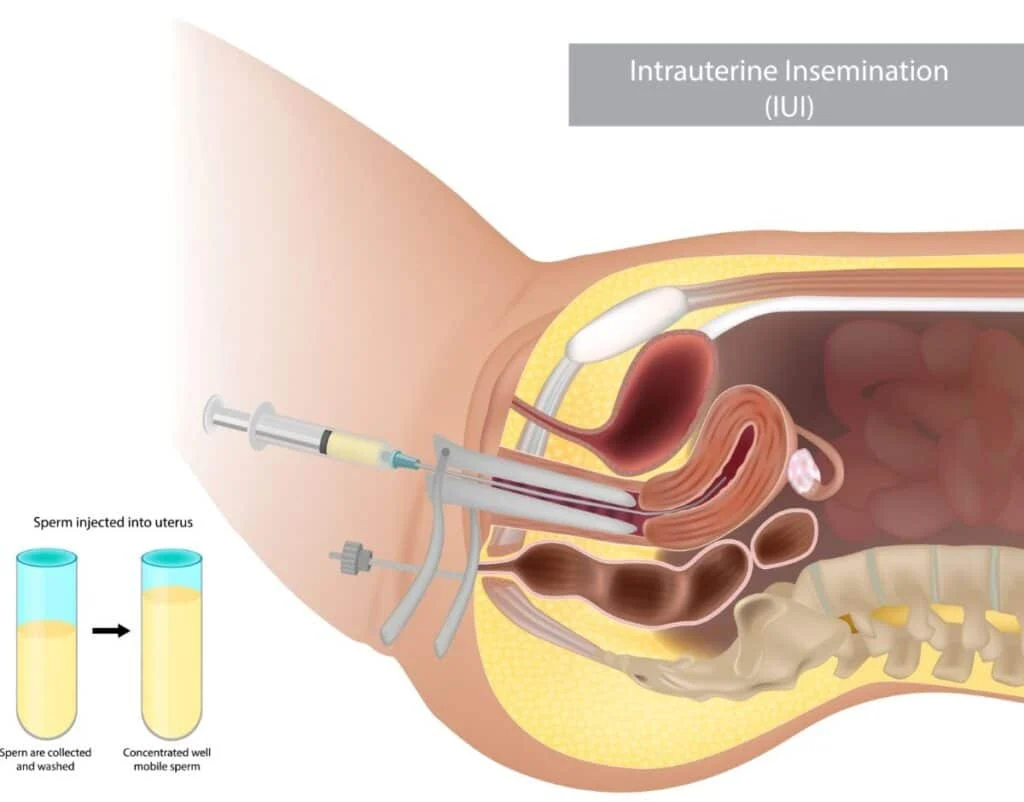
    Intrauterine insemination, also known as artificial insemination, is a fertility treatment where sperm is inserted directly into the uterus during ovulation. This procedure is often used for couples who have been trying to conceive for a year or longer without success, or for those who have certain fertility issues such as low sperm count or cervical mucus problems.

    The Emotional Highs and Lows of IUI

    The decision to undergo IUI can be both exciting and nerve-wracking for couples. On one hand, there is hope for a successful pregnancy, but on the other hand, there is also the fear of disappointment. The process of IUI involves multiple steps, including taking fertility medication, monitoring ovulation, and undergoing the actual insemination procedure. These steps can bring about a range of emotions for couples, such as hope, anxiety, and fear.

    During the fertility medication phase, many women experience heightened emotions due to the hormonal changes in their bodies. This can lead to mood swings, irritability, and feelings of sadness or frustration. It is important for partners to communicate openly during this time and provide emotional support to each other.

    The monitoring phase can also be emotionally taxing, as couples eagerly wait for the results of blood tests and ultrasounds to determine the best time for insemination. This waiting period can bring about feelings of impatience, anxiety, and uncertainty.

    The actual insemination procedure can be a mix of emotions as well. While there is hope for a successful outcome, there is also the fear of failure. The procedure itself can be uncomfortable and awkward, adding to the emotional strain. And even after the procedure is done, the two-week wait for the pregnancy test can feel like an eternity, with couples experiencing a rollercoaster of emotions every day.

    How to Cope with the Emotional Challenges of IUI

    1. Communicate openly with your partner: It is important to talk to your partner about your feelings and concerns throughout the IUI process. Being open and honest with each other can help relieve some of the emotional burden and strengthen your relationship.

    2. Seek support from friends and family: Having a strong support system can make a world of difference during the emotional rollercoaster of IUI. Lean on your friends and family for emotional support and understanding.

    3. Practice relaxation techniques: Stress and anxiety can have a negative impact on the outcome of IUI. It is important to find ways to relax and de-stress, such as practicing deep breathing, yoga, or meditation.
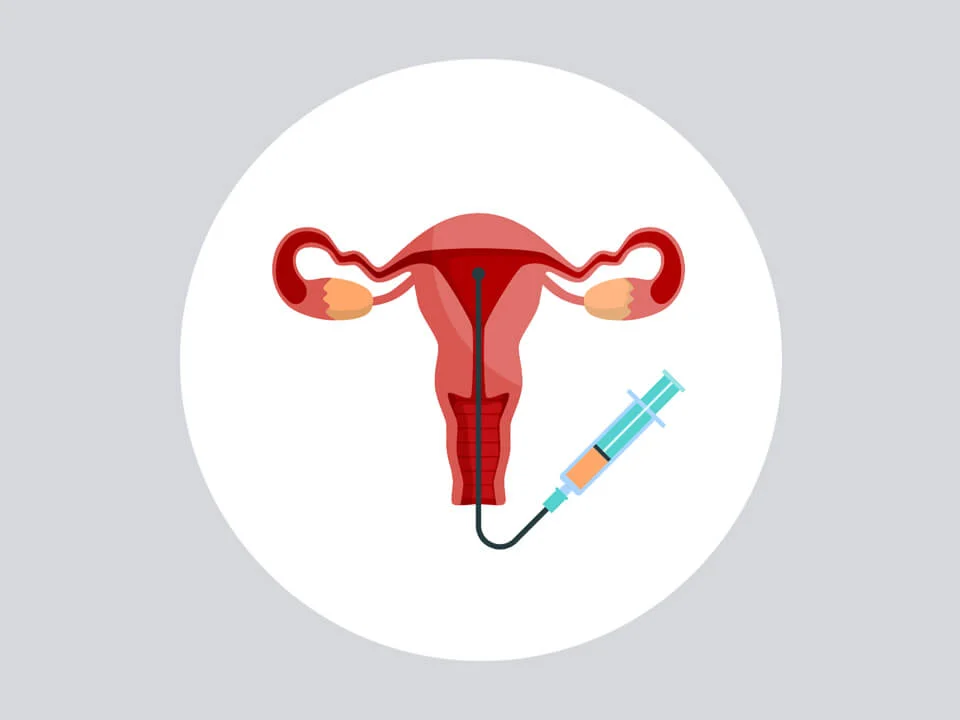
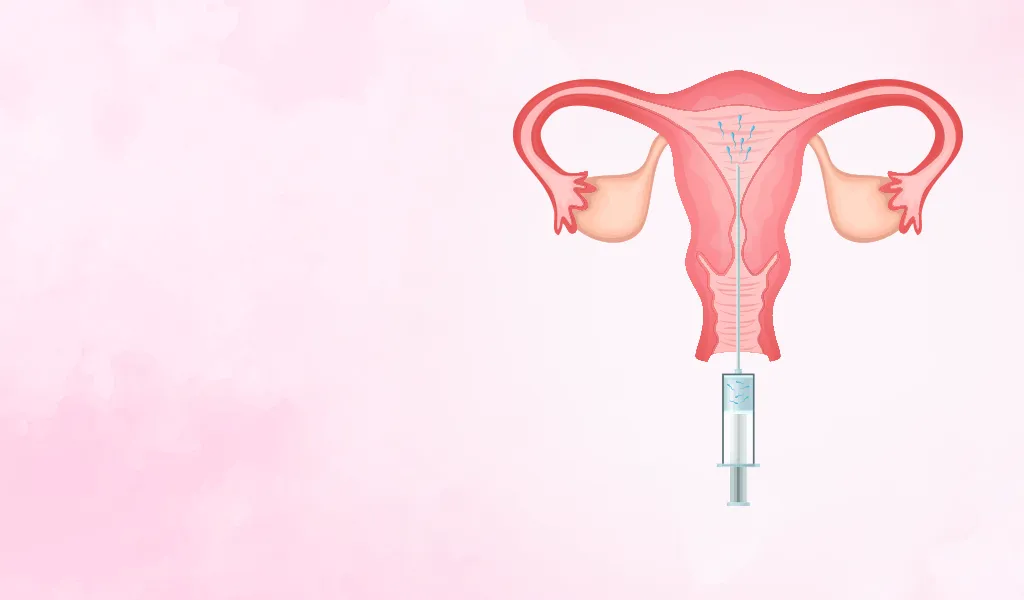
    Illustration of a uterus with a syringe, representing intrauterine insemination (IUI) procedure.

    The Emotional Rollercoaster: Coping with the Process of Intrauterine Insemination vs Sperm Washing

    4. Consider therapy: If the emotional challenges become overwhelming, it may be helpful to seek professional therapy. A therapist can provide a safe space to express your emotions and help you develop coping strategies.

    What is Sperm Washing?

    Sperm washing is a technique used to prepare sperm for use in assisted reproductive treatments, such as IUI or in vitro fertilization (IVF). This process involves separating sperm from other fluids and debris, and selecting the healthiest and most viable sperm for fertilization.

    The Emotional Impact of Sperm Washing

    Similar to IUI, the decision to undergo sperm washing can bring about a mix of emotions for couples. While there is hope for a successful pregnancy, there is also the fear of failure. The process of sperm washing can also be physically and emotionally draining for both partners, as it involves multiple steps and procedures.

    The waiting period for the results of sperm washing can also be emotionally challenging. Couples may feel anxious and uncertain about the quality of the sperm and the chances of a successful pregnancy. And if the results are not as expected, it can be devastating for both partners.

    How to Cope with the Emotional Challenges of Sperm Washing

    1. Educate yourself about the process: Knowing what to expect during sperm washing can help alleviate some of the anxiety and fear. Talk to your doctor and do your own research to understand the steps involved and the potential outcomes.

    2. Find a support group: It can be helpful to connect with other couples going through similar experiences. Joining a support group or online community can provide a sense of camaraderie and understanding.

    3. Take care of your physical and mental health: It is important to take care of yourself during the process of sperm washing. Eat well, exercise regularly, and make time for self-care activities to reduce stress and improve overall well-being.

    4. Lean on your partner: Like in IUI, it is crucial to communicate with your partner and lean on each other for support. Together, you can navigate the emotional ups and downs of sperm washing and come out stronger on the other side.

    In conclusion, the process of intrauterine insemination and sperm washing can be a rollercoaster of emotions for couples struggling with infertility. It is important to acknowledge and address these emotions, and seek support when needed. With open communication, a strong support system, and self-care practices, couples can cope with the emotional challenges and increase their chances of a successful outcome.

    Summary:

    Starting a family can be a challenging journey, especially for couples facing infertility. Intrauterine insemination (IUI) and sperm washing are two commonly used techniques to assist with conception, but they also come with their own set of emotional challenges. The decision to undergo these procedures can bring about a mix of emotions, including hope, anxiety, and fear. The process itself, involving multiple steps and procedures, can be emotionally taxing for both partners. It is important for couples to communicate openly, seek support from friends and family, and practice self-care to cope with the emotional rollercoaster of IUI and sperm washing. Additionally, educating oneself, joining support groups, and taking care of physical and mental health are important coping strategies for both procedures.
  • Navigating the Decision: Fertility Preservation or Immediate Pregnancy

    Navigating the Decision: Fertility Preservation or Immediate Pregnancy

    Fertility is a topic that is often overlooked until the time comes to start a family. However, for some women, the decision to have children is not as straightforward as it may seem. Many factors such as age, health, and personal circumstances can impact a woman’s ability to conceive and carry a child. This can lead to the difficult decision between fertility preservation or immediate pregnancy. In this blog post, we will explore the options available for women facing this decision and provide guidance for navigating this important choice.

    The Importance of Fertility Preservation

    For women who are facing a medical diagnosis or treatment that may affect their fertility, the option of fertility preservation can be crucial. This includes women with cancer or other serious illnesses that require treatments such as chemotherapy or radiation, which can damage the ovaries and decrease fertility. In these cases, fertility preservation provides a way for women to potentially have biological children in the future, even if they are unable to conceive naturally after treatment.

    Fertility preservation involves freezing eggs, embryos, or ovarian tissue to be used later in assisted reproductive techniques such as in vitro fertilization (IVF) or intrauterine insemination (IUI). These techniques can help women who have undergone fertility preservation to have a child at a later time, when they are ready and able to do so.

    The process of fertility preservation typically involves undergoing ovarian stimulation to produce multiple eggs, which are then retrieved and frozen for future use. This process can be time-consuming and costly, but it can provide women with a sense of security and hope for their future fertility.

    Immediate Pregnancy: The Traditional Route

    On the other hand, many women may feel the pressure to start a family immediately due to societal and cultural expectations, as well as their own personal desires. This may lead them to choose immediate pregnancy over fertility preservation, even if there are potential risks or concerns. Additionally, for some women, age may also be a factor in the decision to pursue immediate pregnancy, as fertility declines with age and the chances of conceiving naturally decrease.

    The traditional route of immediate pregnancy involves trying to conceive naturally or through assisted reproductive techniques, such as IVF or IUI, without freezing any eggs or embryos for future use. While this can be a viable option for many women, it is important to consider the potential risks and challenges that may arise.

    For example, women who delay pregnancy until later in life may face difficulties with conception or have a higher risk of pregnancy complications. Additionally, women who have medical conditions or take certain medications may need to carefully consider the potential impact on their pregnancy and future fertility.

    Diagram illustrating intrauterine insemination (IUI) procedure with sperm injection into the uterus.

    Navigating the Decision: Fertility Preservation or Immediate Pregnancy

    The Role of Counseling and Support

    When facing the decision of fertility preservation or immediate pregnancy, it is essential to seek counseling and support from medical professionals, as well as family and friends. This can help women gain a better understanding of their options and the potential risks and benefits of each choice.

    Counseling can also provide emotional support for women who may be struggling with the decision and the complex emotions that come with it. It can also help women explore the reasons behind their desires to either preserve their fertility or start a family immediately, and make a decision that is best for their physical and emotional well-being.

    Making the Decision: Factors to Consider

    Ultimately, the decision between fertility preservation and immediate pregnancy is a personal one that will depend on individual circumstances and preferences. However, there are some important factors to consider when weighing these options.

    Age and health are crucial factors to consider, as they can impact a woman’s fertility and the potential risks of pregnancy. Women who are facing a medical condition or treatment that may affect their fertility may lean towards fertility preservation, while those who are in good health and have a strong desire for children may choose immediate pregnancy.

    Finances are also an important consideration, as fertility preservation can be costly and not always covered by insurance. This may make immediate pregnancy a more viable option for some women, especially if they are not currently in a financial position to undergo fertility preservation.

    Personal circumstances and support system are also important to consider. Women who have a strong support system and are emotionally ready to start a family may feel more confident in pursuing immediate pregnancy, while those who may not have a partner or support system may lean towards fertility preservation to give them more time to find a suitable partner.

    In the end, it is important for women to carefully consider all factors and seek guidance from medical professionals to make an informed decision that is best for them.

    Summary:

    The decision between fertility preservation and immediate pregnancy can be a difficult and complex one for women to navigate. Fertility preservation is a crucial option for women facing medical conditions or treatments that may affect their fertility, while immediate pregnancy may be the traditional route for those who feel pressure to start a family immediately. Seeking counseling and support, considering factors such as age, health, finances, and personal circumstances, and ultimately making an informed decision can help women navigate this important choice.

  • Egg Retrieval vs Egg Sharing: The Importance of Support Systems

    Blog Post:

    Egg retrieval and egg sharing are two methods used in assisted reproductive technology (ART) to help individuals and couples achieve their dreams of having a child. Both options involve the retrieval of eggs from a woman’s ovaries, which are then fertilized with sperm in a laboratory. However, there are significant differences between the two processes, one of which is the level of support systems required for each.

    Egg retrieval is a procedure where a woman’s eggs are retrieved from her ovaries and used to create embryos in a laboratory. This process is typically used by women who want to use their own eggs to conceive a child. On the other hand, egg sharing is a process where a woman donates some of her eggs to another woman or couple who are struggling with infertility. This option is often chosen by women who have a surplus of eggs or who are willing to share their eggs to help others.

    While both egg retrieval and egg sharing involve the same medical procedures, the level of emotional and psychological support needed for each is quite different. Egg retrieval is a more personal and individual journey, while egg sharing involves a deeper level of connection and support from both the donor and the recipient.

    For women going through egg retrieval, the process can be physically and emotionally taxing. The hormone injections, blood tests, and ultrasounds leading up to the actual egg retrieval can cause mood swings, bloating, and discomfort. It can also be emotionally challenging for women who may have been trying to conceive for a long time and are facing the possibility of not being able to use their own eggs.

    In contrast, women who choose to share their eggs are often motivated by a desire to help others. However, this decision also comes with its own set of emotional challenges. Donating eggs involves a significant time commitment, as well as medical procedures and hormonal changes. It can also bring up feelings of loss and grief for some women as they come to terms with the fact that they will not be using those eggs to conceive their own child.

    One of the key differences between egg retrieval and egg sharing is the need for a strong support system. Women going through egg retrieval may rely on their partner, family, and friends for emotional support during the process. They may also seek out support from online communities or support groups specifically for those going through ART.

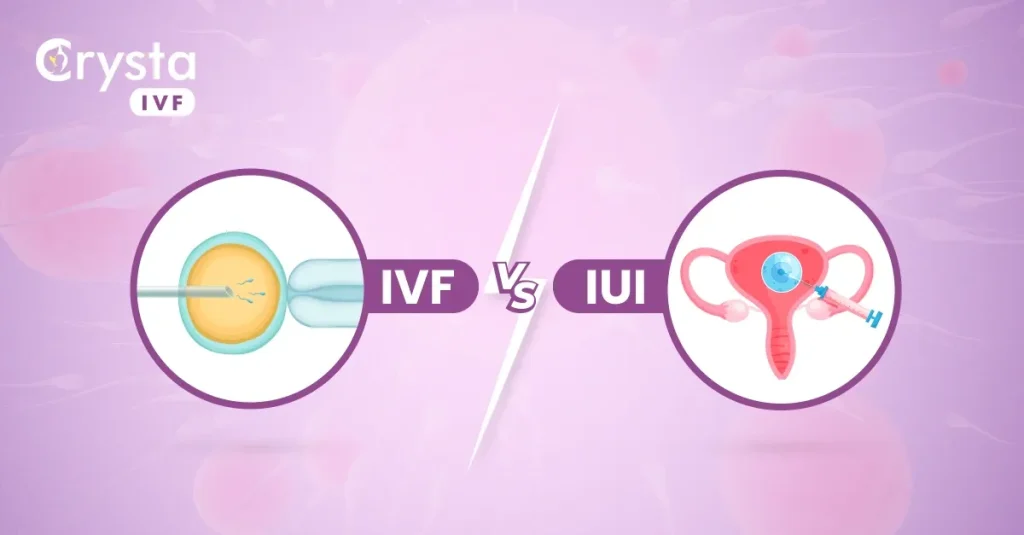
    Comparison of IVF and IUI procedures with illustrations of each method.

    Egg Retrieval vs Egg Sharing: The Importance of Support Systems

    In comparison, egg sharing involves a more complex support system. Both the donor and the recipient must have a strong support system in place to navigate the emotional and psychological challenges that come with the process. The donor must have a supportive partner or family member who understands and supports their decision to donate eggs. They may also benefit from counseling to help them process their feelings about the donation.

    For the recipient, having a support system in place is crucial as they go through the process of receiving donated eggs. They may lean on their partner, family, and friends for emotional support, but they may also need additional support from a therapist or counselor. The recipient may also have to navigate complex emotions, such as feelings of guilt or gratitude towards the donor.

    Another important factor to consider is the role of the fertility clinic in providing support for both egg retrieval and egg sharing. A good fertility clinic should offer counseling services for both the donor and the recipient, as well as support groups or resources to help them navigate the process. An experienced and compassionate medical team can make a significant difference in the emotional well-being of those going through egg retrieval or egg sharing.

    In addition to emotional support, there are also legal and financial considerations to take into account for both egg retrieval and egg sharing. It is essential for both parties to have a clear understanding of their rights and responsibilities, and to have a legal contract in place to protect everyone involved. There are also financial implications, as the cost of ART procedures can be significant. Having a good support system in place can help alleviate some of the financial burden and stress.

    In conclusion, both egg retrieval and egg sharing are viable options for individuals and couples struggling with infertility. However, the level of support needed for each is quite different. Women going through egg retrieval may need support from family, friends, and online communities, while those participating in egg sharing require a more comprehensive support system involving the donor, recipient, and fertility clinic. It is crucial to have a strong support system in place to help navigate the emotional, legal, and financial complexities of both egg retrieval and egg sharing.

    Summary:

    Egg retrieval and egg sharing are two methods used in assisted reproductive technology to help individuals and couples achieve their dreams of having a child. While both options involve the retrieval of eggs from a woman’s ovaries, the level of support systems required for each is quite different. Egg retrieval is a more personal and individual journey, while egg sharing involves a deeper level of connection and support from both the donor and the recipient. A strong support system is crucial for the emotional, legal, and financial complexities of both egg retrieval and egg sharing. This can include support from family, friends, online communities, and a compassionate fertility clinic.

  • Behind Closed Doors: The Realities of Male and Female Infertility Treatments

    Blog Post Title: Behind Closed Doors: The Realities of Male and Female Infertility Treatments

    Infertility affects millions of couples worldwide, with about 10-15% of couples struggling to conceive. While infertility is often seen as a female issue, the reality is that it can affect both men and women equally. In recent years, there has been a growing awareness and acceptance of male infertility, leading to the rise of fertility treatments for men. However, the journey to parenthood through fertility treatments is not an easy one and is often filled with physical, emotional, and financial challenges. In this blog post, we will take a closer look at the realities of male and female infertility treatments, the challenges couples face, and the impact it has on their lives.

    The Stigma Surrounding Infertility

    One of the most significant challenges that couples face when dealing with infertility is the stigma attached to it. While medical advancements have made it possible for couples to seek treatment, the societal pressure to have children is still prevalent. The inability to conceive naturally can make couples feel ashamed, inadequate, and even guilty. This stigma is particularly harsh for men, as society often places the responsibility of fertility solely on women. As a result, many men may feel isolated and reluctant to seek help, leading to a delay in treatment.

    Male Infertility: Causes and Treatments

    Male infertility is often caused by issues with sperm production, function, or delivery. These problems can be due to a variety of factors, such as genetic disorders, hormonal imbalances, or medical conditions like diabetes or infections. In some cases, lifestyle factors such as smoking, excessive alcohol consumption, and drug use can also contribute to male infertility. To diagnose male infertility, a semen analysis is usually performed to evaluate the quantity and quality of sperm. Once the cause of infertility is identified, a treatment plan can be recommended.

    The most common treatment for male infertility is assisted reproductive technology (ART), which includes procedures like intrauterine insemination (IUI) and in vitro fertilization (IVF). These procedures involve collecting sperm from the male partner and transferring it to the female partner’s reproductive system, increasing the chances of fertilization. In cases where sperm production is impaired, techniques like intracytoplasmic sperm injection (ICSI) can be used, where a single sperm is injected directly into an egg.

    Female Infertility: Causes and Treatments

    Female infertility can also be caused by a variety of factors, such as hormonal imbalances, ovulation disorders, or structural issues in the reproductive system. Age can also play a significant role, as fertility declines with age, particularly after the age of 35. Like male infertility, a thorough evaluation is necessary to identify the cause of female infertility, which can include blood tests, ultrasound, and other imaging techniques.

    illustration of a uterus with a syringe, representing intrauterine insemination procedure

    Behind Closed Doors: The Realities of Male and Female Infertility Treatments

    The most common treatment for female infertility is also ART, which involves stimulating the ovaries to produce multiple eggs, which are then retrieved and fertilized in a laboratory. The resulting embryos are then transferred to the uterus, increasing the chances of pregnancy. Other treatments for female infertility may include surgery to correct structural issues or medications to regulate ovulation.

    The Emotional Toll of Infertility Treatments

    The journey to parenthood through infertility treatments can take a toll on a couple’s emotional well-being. The constant cycles of hope and disappointment, coupled with the stress of the procedures and the uncertainty of the outcome, can be overwhelming. Many couples also struggle with the financial burden of infertility treatments, which can be expensive and not always covered by insurance. All these factors can put a strain on a couple’s relationship and individual mental health.

    Support and Coping Strategies

    It is crucial for couples undergoing infertility treatments to have a strong support system. Talking to friends and family can provide emotional support, but it is also essential to find a community of people going through similar experiences. Many support groups and online forums offer a safe space for couples to share their struggles, seek advice, and find comfort in knowing they are not alone.

    It is also essential for couples to take care of their emotional and mental well-being during this challenging time. Finding healthy ways to cope with the stress, such as exercise, meditation, or therapy, can help alleviate some of the emotional burden. It is also crucial for couples to communicate openly and support each other throughout the process.

    In conclusion, the realities of male and female infertility treatments go far beyond the physical procedures. Couples dealing with infertility face many challenges, including societal stigma, emotional struggles, and financial burdens. It is essential to raise awareness and destigmatize infertility, and provide support and resources for those struggling with it. With advancements in technology and growing acceptance of male infertility, the journey towards parenthood through fertility treatments can become a little less daunting.

    Summary:

    Infertility affects millions of couples worldwide, and while it is often seen as a female issue, it can affect both men and women equally. The stigma surrounding infertility can make it challenging for couples to seek help and can lead to feelings of shame, inadequacy, and guilt. Male infertility is often caused by issues with sperm production, and the most common treatment is assisted reproductive technology (ART). Female infertility, on the other hand, can be caused by a variety of factors, and ART is also the most common treatment. The journey to parenthood through infertility treatments can take a toll on a couple’s emotional well-being, and it is crucial to have a strong support system and healthy coping strategies. Raising awareness and providing support for those struggling with infertility is essential for couples to navigate this challenging journey.

  • The Emotional Toll: Coping with Male and Female Infertility Treatments

    The Emotional Toll: Coping with Male and Female Infertility Treatments

    Infertility affects millions of couples around the world, and the struggle to conceive can take a heavy toll on both individuals physically, mentally, and emotionally. While it is often assumed that women bear the brunt of the emotional burden, both men and women experience their own unique challenges when facing infertility treatments. In this blog post, we will explore the emotional toll that male and female infertility treatments can have on couples, and offer tips on how to cope with these challenges.

    The Emotional Toll on Women

    For many women, the inability to conceive can be a source of immense emotional pain and stress. The desire to have a child is a natural and instinctive one, and when this is not possible, it can lead to feelings of grief, shame, and inadequacy. Women may also feel a sense of guilt, blaming themselves for their inability to conceive, and may struggle with feelings of jealousy towards friends and family members who have successfully become pregnant.

    Furthermore, the constant cycle of hope and disappointment that comes with infertility treatments can be emotionally draining. Each round of treatment brings with it the possibility of success, but also the fear of yet another failure. This rollercoaster of emotions can take a toll on a woman’s mental well-being, leading to anxiety, depression, and even relationship strain.

    The Emotional Toll on Men

    While the focus of infertility is often on women, men also experience their own emotional struggles when undergoing fertility treatments. The pressure to perform and produce a viable sperm sample can cause immense stress and anxiety for men. This can be compounded by feelings of guilt and shame, as men may feel responsible for their partner’s infertility.

    In addition, men may also struggle with feelings of inadequacy and loss of masculinity when faced with fertility issues. Society often places a great emphasis on a man’s ability to father a child, and when this is not possible, it can lead to a sense of failure and loss of identity. Men may also struggle with feelings of isolation and lack of support, as infertility is still largely seen as a “women’s issue.”

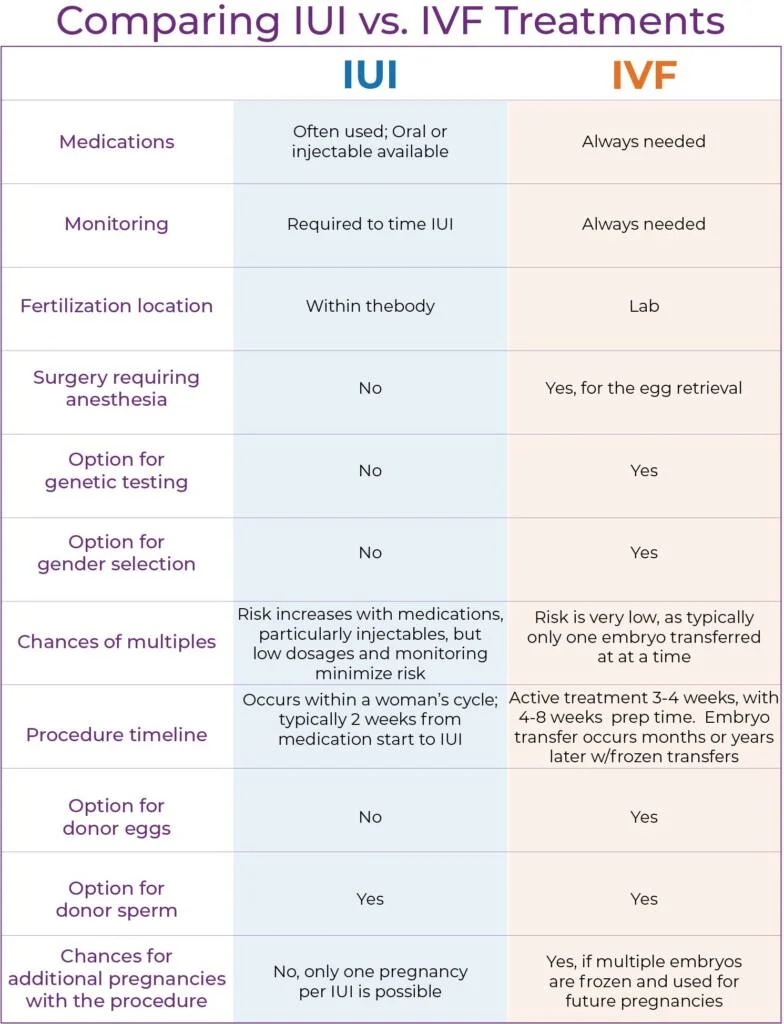
    Comparison chart of IUI and IVF treatments, detailing medications, monitoring, procedures, and success rates.

    The Emotional Toll: Coping with Male and Female Infertility Treatments

    Coping Strategies for Couples

    Infertility treatments can be a difficult and emotional journey for couples, but there are ways to cope with the challenges that arise. The first step is to acknowledge and validate each other’s feelings. Both partners should feel comfortable expressing their emotions and supporting each other through difficult times. It is also important to communicate openly and honestly, and to seek professional help if needed.

    Another helpful coping strategy is to find a support system. This can be through joining a support group for couples going through similar experiences, or simply confiding in close friends and family members. Having a support system can provide a sense of understanding and empathy, and can help alleviate feelings of isolation and loneliness.

    Self-care is also crucial during infertility treatments. It is important for both partners to take care of their physical and mental well-being. This can include engaging in stress-reducing activities such as exercise, meditation, or therapy. It is also important to find ways to relax and enjoy each other’s company, outside of the pressure and stress of fertility treatments.

    Lastly, it is important for couples to remember that they are not defined by their ability to conceive. While the desire to have a child is undoubtedly strong, it is important to not let it consume one’s entire identity and relationship. It is important to find joy and fulfillment in other aspects of life, such as hobbies, careers, and relationships.

    In conclusion, the emotional toll of male and female infertility treatments is a significant and often overlooked aspect of the journey towards parenthood. It is important for couples to acknowledge and validate each other’s feelings, communicate openly, seek support, practice self-care, and remember that their worth is not defined by their ability to conceive. With these coping strategies, couples can navigate the emotional challenges of fertility treatments and come out stronger together.

    Summary:

    Infertility treatments can take a heavy toll on both men and women, with each facing their own unique emotional challenges. Women may experience feelings of grief, guilt, and jealousy, while men may struggle with stress, shame, and a sense of inadequacy. Coping strategies such as communication, seeking support, self-care, and remembering one’s worth outside of parenthood can help couples navigate this emotional journey together.

  • Finding Closure: The Role of Fertility Support Groups in the End of a Fertility Journey

    Blog Post: Finding Closure: The Role of Fertility Support Groups in the End of a Fertility Journey

    Going through fertility struggles can be an emotional and physically draining experience. It’s a journey that can take its toll on individuals and couples, leaving them feeling isolated and overwhelmed. And when the journey comes to an end, whether it’s through successful pregnancy or other means, many may find themselves struggling to find closure. This is where fertility support groups can play a vital role.

    Fertility support groups offer a safe and understanding space for individuals and couples who have gone through or are currently going through fertility treatments. They provide a sense of community, support, and a platform for individuals to share their experiences and emotions with others who understand what they’re going through.

    The Role of Support Groups in the Fertility Journey
    Fertility support groups play a crucial role throughout the fertility journey, from the initial diagnosis of infertility to the end of the journey. They offer a non-judgmental environment for individuals to express their fears, frustrations, and hopes. It’s a place where individuals can find solace in knowing that they’re not alone in their struggles.

    During the treatment phase, support groups can provide practical advice and tips on managing the physical and emotional aspects of fertility treatments. They also offer a sense of hope and encouragement, especially during the difficult and uncertain times, such as failed treatments.

    However, the role of support groups becomes even more critical when the fertility journey comes to an end. This is a time when individuals and couples need support and understanding more than ever.

    Finding Closure
    For many individuals and couples, the end of a fertility journey may not necessarily mean a successful pregnancy. It could mean deciding to end fertility treatments, choosing to adopt, or even accepting a child-free life. Regardless of the outcome, it’s a time of grieving and finding closure.

    Support groups can provide a space for individuals to process their emotions and come to terms with the end of their fertility journey. They offer a safe place to share their thoughts, feelings, and fears without judgment. And because support group members have gone through similar experiences, they can offer invaluable advice and understanding.

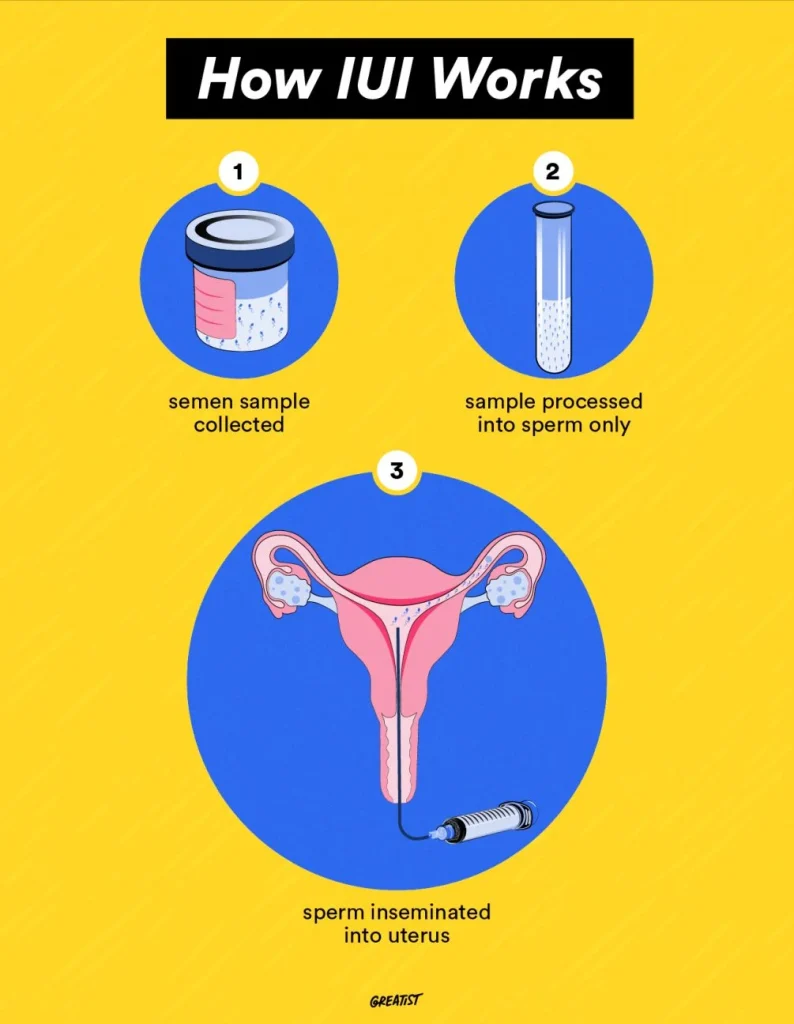
    illustration explaining the steps of intrauterine insemination (IUI) process on a bright yellow background

    Finding Closure: The Role of Fertility Support Groups in the End of a Fertility Journey

    Support groups can also help individuals and couples find closure by providing a sense of community and a new support system. Often, individuals may have relied solely on their partner or close family and friends for support throughout their fertility journey. But when it comes to finding closure, it can be helpful to have a new support system of people who have gone through similar experiences.

    Moving Forward
    The end of a fertility journey can bring about mixed emotions. While there may be a sense of relief and closure, there may also be feelings of sadness, disappointment, and even guilt. Support groups can help individuals and couples navigate these emotions and find ways to move forward.

    In support groups, individuals can share their experiences and learn from others who have found ways to cope and move on. They can also receive guidance on how to communicate and cope with their partner, family, and friends.

    Moreover, support groups can also provide resources and information on alternative options, such as adoption or surrogacy. These options may not have been considered before, and support groups can offer a safe place to discuss them and seek advice from others who have gone through the same process.

    The Importance of Finding Closure
    Finding closure is essential for individuals and couples to move forward and start a new chapter in their lives. It allows them to let go of the past and focus on the present and future. Without proper closure, individuals may find it challenging to move on and may continue to struggle with unresolved emotions.

    Support groups can play a crucial role in helping individuals find closure. They provide a safe and supportive environment for individuals to express their emotions and find ways to move forward. It’s a way for individuals to feel understood and validated, which can be incredibly healing.

    In conclusion, fertility support groups have a significant impact on individuals and couples going through the end of a fertility journey. They offer a sense of community, support, and understanding, which can be invaluable during this challenging time. By providing a safe space to process emotions, find closure, and move forward, support groups can help individuals and couples find peace and acceptance at the end of their fertility journey.

    Summary:
    Fertility support groups play a crucial role in helping individuals and couples find closure at the end of a fertility journey. These groups provide a safe and understanding space for individuals to express their emotions and find support from others who have gone through similar experiences. Support groups offer practical advice, a sense of hope, and a new support system, which can be helpful in coping with the end of a fertility journey. They also play a vital role in helping individuals and couples move forward and start a new chapter in their lives.

  • The Role of Family and Friends: How Fertility Support Groups Can Provide a Support System

    Blog Post Title: The Role of Family and Friends: How Fertility Support Groups Can Provide a Support System

    Summary:

    Infertility is a difficult and often isolating experience for those struggling to conceive. Many couples and individuals feel alone in their journey and may not have the necessary support system in place to help them cope with the emotional and physical challenges of fertility treatments. This is where fertility support groups come in.

    Fertility support groups provide a safe and understanding space for individuals and couples to connect with others going through similar experiences. In this blog post, we will explore the role of family and friends in the journey of infertility and how fertility support groups can provide a much-needed support system.

    First and foremost, family and friends play a crucial role in the lives of those struggling with infertility. They are often the first people we turn to for emotional support when facing challenges. However, infertility is still a taboo topic in many societies, making it difficult for individuals to open up to their loved ones about their struggles. This can lead to feelings of isolation and can strain relationships.

    This is where fertility support groups can bridge the gap. These groups offer a judgment-free and understanding space for individuals to share their experiences and emotions with others who can relate. Fertility support groups are often led by trained professionals or individuals who have gone through similar experiences, making them a valuable source of guidance and comfort.

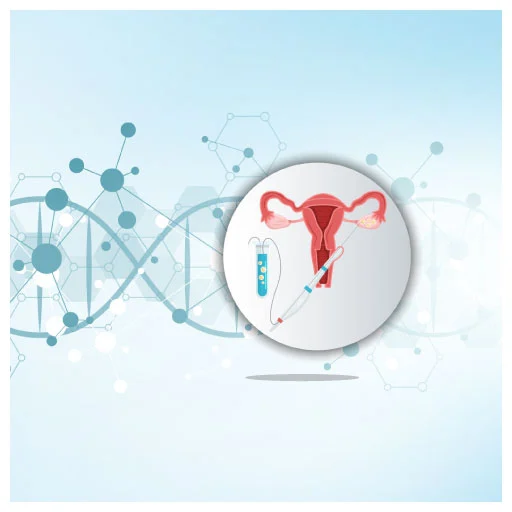
    Illustration of IUI procedure with uterus and syringe against a DNA background.

    The Role of Family and Friends: How Fertility Support Groups Can Provide a Support System

    In addition to emotional support, fertility support groups also offer practical support. Many individuals and couples going through fertility treatments may have to juggle work, appointments, and other responsibilities, making it challenging to manage everything on their own. Support groups can provide practical assistance, such as offering rides to appointments or helping with household tasks, to ease the burden.

    Moreover, fertility support groups can also provide a sense of community and belonging. Those struggling with infertility often feel like outsiders in a world where having children is seen as the norm. Support groups offer a sense of belonging and understanding, as everyone in the group is going through a similar experience. This can be incredibly comforting and can help individuals feel less alone in their journey.

    One of the most significant benefits of fertility support groups is the opportunity to learn from others. Everyone’s fertility journey is unique, and sharing experiences with others can provide valuable insights and perspectives. Support group members often share information about different treatments, doctors, and resources that they have found helpful. This information can be invaluable in helping individuals make informed decisions about their own fertility treatments.

    Another essential aspect of fertility support groups is the opportunity to connect with others who have successfully navigated the journey of infertility. This can provide hope and encouragement to those still struggling. Seeing others who have overcome similar challenges can give individuals the strength and motivation to keep going.

    Furthermore, fertility support groups can also help individuals and couples prepare for the emotional and psychological toll that fertility treatments can have. Infertility can be a rollercoaster of emotions, and it is essential to have a strong support system in place to help navigate these ups and downs. Support groups can provide coping mechanisms, tips for managing stress and anxiety, and a safe space to express emotions without judgment.

    In addition to providing support for those struggling with infertility, fertility support groups can also offer support to friends and family members of those going through fertility treatments. Often, loved ones may not know how to support their friends or family members during this challenging time. Support groups can provide them with guidance and resources to be a better support system for their loved ones.

    In conclusion, family and friends play a crucial role in the journey of infertility, but they may not always be equipped to provide the necessary support. Fertility support groups fill this gap and offer a safe, understanding, and supportive community for individuals and couples struggling with infertility. These groups provide emotional and practical support, a sense of community and belonging, and the opportunity to learn from others. They also offer hope and encouragement for those still on the journey and can help prepare individuals for the emotional challenges of fertility treatments. Fertility support groups not only benefit those struggling with infertility but also their loved ones, making them a vital resource in the journey towards parenthood.

  • The Mind-Body Connection: How Counseling Can Help Improve Fertility Outcomes

    Blog Post Title: The Mind-Body Connection: How Counseling Can Help Improve Fertility Outcomes

    Summary:

    The journey to parenthood can be a challenging and emotional one, especially for couples struggling with fertility issues. While medical interventions such as in-vitro fertilization (IVF) have become more widely available, the success rates can still be disheartening. However, recent studies have shown that the mind-body connection can play a crucial role in fertility outcomes. Counseling, in particular, has emerged as a valuable tool in helping individuals and couples cope with the emotional toll of infertility and improve their chances of conceiving. In this blog post, we will explore the mind-body connection and how counseling can be a beneficial aspect of fertility treatment.

    What is the Mind-Body Connection?

    The mind-body connection refers to the link between a person’s thoughts, emotions, and physical health. It is the idea that our mental and emotional state can impact our physical well-being, and vice versa. When it comes to fertility, stress, anxiety, and depression can all affect hormone levels and reproductive function, making it harder to conceive. Negative emotions can also lead to unhealthy coping mechanisms such as smoking, excessive drinking, and poor eating habits, which can further complicate fertility issues.

    How Counseling Can Help

    Counseling can be a powerful tool in addressing the mind-body connection and its impact on fertility. By providing a safe and non-judgmental space, a trained therapist can help individuals and couples explore their thoughts and emotions surrounding infertility. This can help them understand and manage their emotional responses, leading to reduced stress and improved overall well-being.

    Coping with Infertility

    The emotional toll of infertility can be overwhelming, and it is common for individuals and couples to experience a range of emotions such as sadness, anger, guilt, and shame. Counseling can help individuals and couples process these emotions and develop healthy coping mechanisms. It can also provide a supportive environment to share their feelings and experiences, which can be cathartic and help reduce feelings of isolation.

    Diagram illustrating the IUI process, showing sperm injection into the uterus and egg fertilization.

    The Mind-Body Connection: How Counseling Can Help Improve Fertility Outcomes

    Addressing Relationship Issues

    Infertility can take a toll on even the strongest relationships. The stress and uncertainty of trying to conceive can lead to communication breakdowns, conflicts, and feelings of resentment. Counseling can help couples address these issues and improve their communication and conflict resolution skills. It can also provide a safe space for couples to express their needs and concerns, leading to a stronger and more supportive partnership.

    Improving Overall Well-being

    Counseling can also help individuals and couples focus on their overall well-being, which is crucial for fertility outcomes. Therapists can provide guidance on stress reduction techniques such as mindfulness, relaxation exercises, and self-care practices. They can also address unhealthy coping mechanisms and help individuals develop healthier habits that can positively impact their physical health and fertility.

    The Role of Mindfulness-Based Interventions

    Mindfulness-based interventions, such as meditation and yoga, have gained popularity in recent years for their ability to reduce stress and improve overall well-being. These practices can also be beneficial for individuals and couples struggling with infertility. Research has shown that mindfulness-based interventions can help regulate hormone levels, reduce stress, and improve fertility outcomes. Therapists can incorporate these practices into counseling sessions, providing individuals and couples with valuable tools to cope with the emotional and physical challenges of infertility.

    The Importance of Support Systems

    Infertility can be a lonely and isolating experience, and having a support system is crucial for emotional well-being. Counseling can provide individuals and couples with a supportive space to share their experiences and feelings. Therapists can also help individuals build a support system outside of counseling, such as joining support groups or connecting with others going through a similar journey. This can provide a sense of validation and understanding, reducing feelings of isolation and improving overall mental health.

    Conclusion

    The mind-body connection plays a significant role in fertility outcomes, and counseling can be a valuable aspect of fertility treatment. By addressing the emotional toll of infertility, counseling can help individuals and couples cope with the challenges and improve their overall well-being. It can also provide them with tools and strategies to manage stress, improve communication, and build a support system. If you or someone you know is struggling with fertility issues, consider seeking counseling as part of your treatment plan.

  • The Emotional Aspect of Fertility: Finding Support with Supplements and Medical Treatments

    The Emotional Aspect of Fertility: Finding Support with Supplements and Medical Treatments

    Fertility is a topic that can evoke a range of emotions, from hope and excitement to frustration and sadness. For many couples, the journey to conceive can be a long and difficult one, filled with ups and downs. While medical treatments and supplements can play a crucial role in improving fertility, the emotional aspect of this journey should not be overlooked. In this blog post, we will explore the emotional aspect of fertility and how finding support through supplements and medical treatments can help couples navigate this challenging journey.

    The Emotional Impact of Fertility

    Struggling to conceive can take a toll on a couple’s emotional well-being. The constant disappointment of negative pregnancy tests, the pressure to start a family, and the fear of never being able to have children can all lead to feelings of stress, anxiety, and even depression. The emotional impact of fertility issues can also strain relationships, causing tension and communication breakdowns between partners.

    Dealing with the emotional rollercoaster of fertility can be overwhelming, but it’s essential to recognize and acknowledge these feelings. Bottling them up can only make the situation more challenging to manage. It’s crucial for couples to communicate openly and seek support from each other and loved ones.

    The Role of Supplements in Fertility

    Supplements can be a valuable tool in supporting fertility and improving overall reproductive health. In particular, supplements such as folic acid, vitamin D, and omega-3 fatty acids have been shown to have positive effects on fertility. These supplements can help regulate hormones, improve egg quality, and increase sperm count and motility.

    While supplements cannot guarantee pregnancy, they can help prepare the body for conception and support the health of both the mother and baby during pregnancy. However, it’s important to consult with a healthcare professional before starting any supplement regimen, as they can advise on the appropriate dosage and potential interactions with other medications.

    Finding Support Through Medical Treatments

    Illustration of the IUI process, showing a syringe and catheter in the reproductive system.

    The Emotional Aspect of Fertility: Finding Support with Supplements and Medical Treatments

    For couples struggling with fertility, medical treatments can offer hope and a chance to conceive. Treatments such as intrauterine insemination (IUI) and in vitro fertilization (IVF) have helped many couples realize their dream of starting a family. However, these treatments can also be physically and emotionally taxing, and it’s crucial for couples to have a support system in place.

    Counseling and support groups can provide an outlet for couples to express their emotions and find support from others going through similar experiences. These resources can also offer coping mechanisms and tools to manage the stress and anxiety that often accompany fertility treatments.

    Combining Supplements and Medical Treatments

    For some couples, a combination of supplements and medical treatments may be the best approach to improving fertility. Supplements can help optimize reproductive health, while medical treatments can address underlying issues that may be preventing conception. Consulting with a healthcare provider can help determine the best course of action for each individual couple.

    It’s also essential for couples to support each other through the process. Fertility treatments can be physically and emotionally draining, and having a partner who understands and supports you can make all the difference.

    In Conclusion

    The emotional aspect of fertility is an often overlooked but crucial aspect of the journey to conceive. Struggling with infertility can take a toll on a couple’s emotional well-being, but finding support through supplements and medical treatments can help alleviate some of the stress and anxiety. Open communication, seeking support from loved ones, and combining supplements and medical treatments can all play a role in supporting fertility and improving overall well-being during this challenging time.

    Summary:

    Fertility can be a difficult and emotional journey for many couples. Along with the physical aspects, the emotional impact of fertility issues should not be overlooked. Supplements and medical treatments can play a crucial role in supporting fertility, but it’s essential to also address the emotional aspect of this journey. Open communication, seeking support from loved ones, and combining supplements and medical treatments can help couples navigate this challenging time.

  • The Emotional Toll of Fertility: Managing with Supplements and Medical Treatments

    Blog Post:

    Fertility is a topic that carries a lot of emotional weight for many individuals and couples. The desire to have a child is a natural and deeply rooted one, and when faced with struggles in this area, it can take a toll on one’s mental and emotional well-being. In this blog post, we will explore the emotional toll of fertility and how it can be managed with supplements and medical treatments.

    The Emotional Toll of Fertility:

    For those who have been trying to conceive for a while, the emotional toll can be significant. The constant disappointment of negative pregnancy tests, the envy of seeing others easily get pregnant, and the fear of never being able to have a child can lead to feelings of sadness, anxiety, and even depression.

    The pressure from society and loved ones to have a child can also add to the emotional burden. Many couples feel like they are failing or not living up to expectations, which can lead to feelings of guilt and shame. This can put a strain on relationships and lead to further emotional distress.

    Managing with Supplements:

    While there is no magic pill that guarantees fertility, there are supplements that can help support the body’s reproductive system. One of the most commonly used supplements for fertility is folic acid, which is known to reduce the risk of birth defects and support healthy ovulation. Other supplements that may help improve fertility include omega-3 fatty acids, vitamin D, and Coenzyme Q10.

    It’s important to note that these supplements should not be used as a substitute for medical treatment or fertility medications prescribed by a doctor. However, they can be used as a complementary approach to support overall reproductive health.

    Medical Treatments:

    illustration of IUI procedure with text on symptoms, reasons, and causes of IUI failure

    The Emotional Toll of Fertility: Managing with Supplements and Medical Treatments

    For those who have been struggling with infertility, seeking medical treatment can be a daunting and emotionally charged decision. There are various medical treatments available, including fertility medications, intrauterine insemination (IUI), and in vitro fertilization (IVF).

    These treatments can be physically and emotionally demanding, with frequent doctor visits, hormone injections, and the uncertainty of success. It’s essential for individuals and couples to have a support system in place, whether it’s through therapy, support groups, or close friends and family.

    Managing the Emotional Toll:

    Dealing with the emotional toll of fertility can be overwhelming, but there are steps that can be taken to manage it. Firstly, it’s important to acknowledge and validate one’s feelings. It’s okay to feel sad, frustrated, or angry. It’s also crucial to communicate openly and honestly with a partner, as they may be experiencing similar emotions.

    Seeking support from a therapist or joining a support group can also be beneficial. These spaces provide a safe and understanding environment to express emotions and receive guidance on coping mechanisms. Additionally, practicing self-care activities such as exercise, meditation, and journaling can help reduce stress and improve emotional well-being.

    It’s also essential to set realistic expectations and understand that the fertility journey may be a long and challenging one. Having a positive mindset and finding ways to stay hopeful can make a significant difference in managing the emotional toll.

    In conclusion, the emotional toll of fertility can be significant, but it’s essential to remember that there is support and resources available. Whether it’s through supplements, medical treatments, or emotional support, individuals and couples can find ways to manage the emotional burden and stay hopeful on their journey to parenthood.

    Summary:

    Fertility struggles can take a significant emotional toll on individuals and couples. The pressure from society, constant disappointment, and fear of not being able to have a child can lead to feelings of sadness, anxiety, and depression. However, supplements such as folic acid, omega-3 fatty acids, and vitamin D can support reproductive health, while medical treatments like fertility medications and IVF can increase the chances of pregnancy. It’s important to have a support system in place and practice self-care activities to manage the emotional toll and stay hopeful on the fertility journey.