In today’s world, there are many ways for individuals and couples to start a family. With advancements in assisted reproductive technology, individuals who are unable to conceive naturally can turn to options such as sperm banks and known donors. While these methods have provided hope and happiness for many families, they also raise complex legal issues, specifically surrounding parental rights. In this blog post, we will explore the role of parental rights in sperm banks versus known donors.
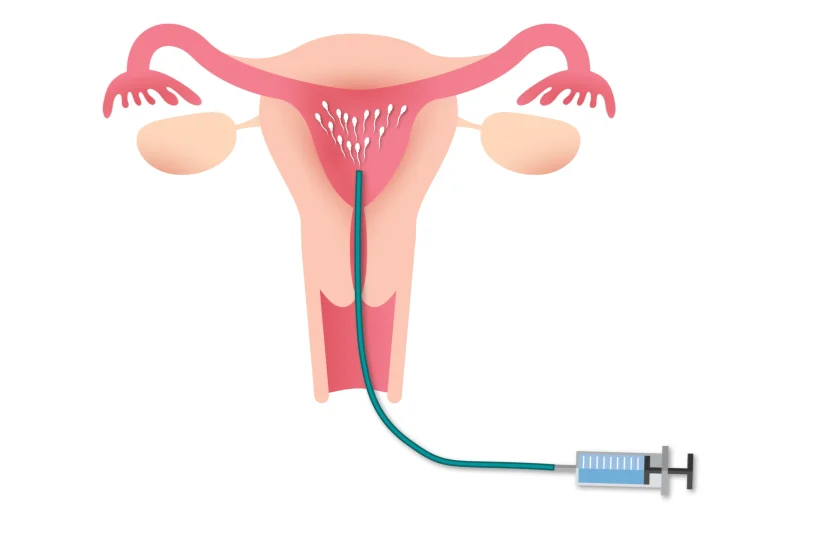
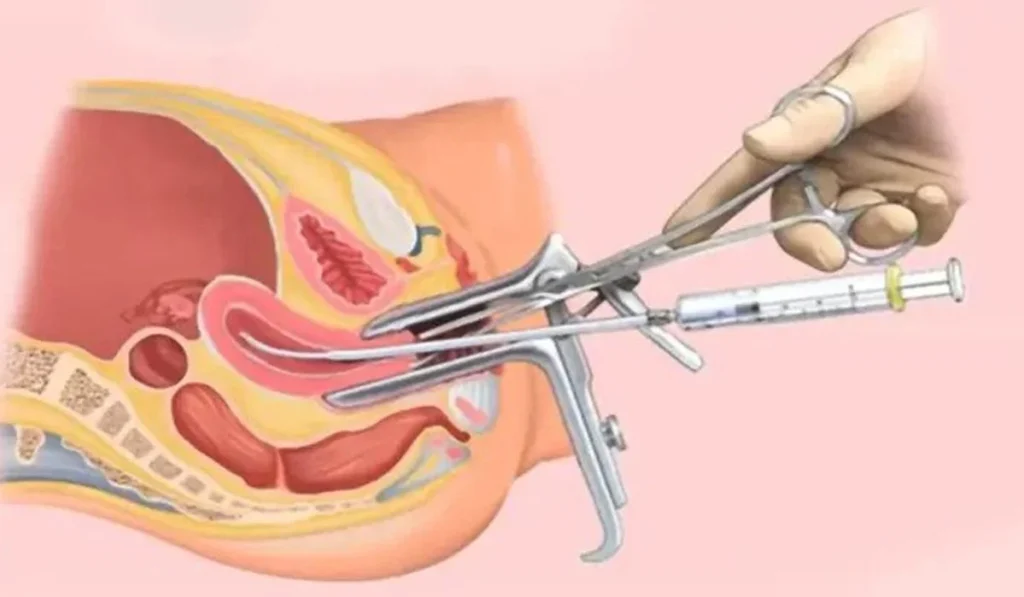
Sperm banks are facilities that collect, freeze, and store sperm from donors for the purpose of artificial insemination. These donors are typically anonymous and are only known by a code or number. Sperm banks are regulated by the Food and Drug Administration (FDA) and must follow strict guidelines to ensure the safety and quality of the donated sperm. However, when a child is conceived through a sperm bank, the donor does not have any legal rights or responsibilities towards the child.
On the other hand, known donors are individuals who provide sperm directly to the intended parents, either through sexual intercourse or by donating it for artificial insemination. These donors can be family members, friends, or individuals chosen by the intended parents. In this case, the donor may have some legal rights and responsibilities towards the child, depending on the laws of the state in which the child is born.
One of the main differences between sperm banks and known donors is the level of involvement and control that the intended parents have over the process. In sperm banks, the intended parents have little to no control over the selection of the donor, as the donors are anonymous. This can sometimes lead to concerns about the health and genetic background of the donor. On the other hand, with known donors, the intended parents have more control over the selection process and can choose someone they know and trust.
Another important factor to consider is the legal rights and responsibilities of the donor. In the case of sperm banks, the donor has no legal rights or responsibilities towards the child, as they are protected by anonymity. This means that they cannot be held financially or emotionally responsible for the child. However, known donors may have some legal rights and responsibilities, depending on the state laws. In some cases, known donors may be required to pay child support or have visitation rights.
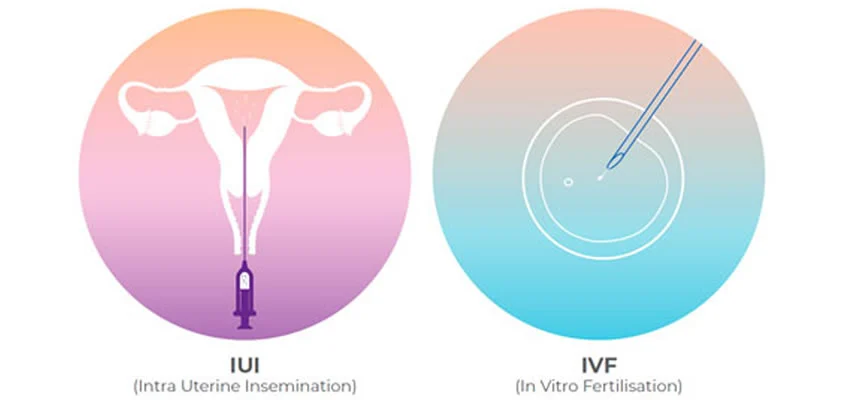
The Role of Parental Rights in Sperm Banks vs Known Donors
The issue of parental rights becomes even more complex when it comes to donor-conceived children. These are children who are conceived through sperm donation and may have a desire to know more about their biological father. In the case of sperm banks, these children may never have the opportunity to know their donor or have any information about their biological background. This can lead to feelings of confusion and identity issues for the child. On the other hand, with known donors, the child may have access to information about their biological father and have the opportunity to form a relationship with them.
In recent years, there have been legal battles surrounding the rights of known donors and the children they have helped conceive. In some cases, known donors have been granted parental rights, especially if they have formed a strong bond with the child. This raises questions about the rights of the intended parents and the stability of the family unit.
It is important to note that the laws surrounding parental rights in sperm banks and known donors vary from state to state. It is crucial for intended parents to research and understand the laws in their state before choosing a method of conception.
In conclusion, the role of parental rights in sperm banks versus known donors is a complex and ever-evolving issue. While sperm banks offer a safe and regulated option for conception, they may lack the personal connection and information about the donor that known donors provide. On the other hand, known donors may offer more control and involvement in the process, but can also raise legal issues and complications. As technology continues to advance, it is important for laws and regulations to keep up with the changing landscape of assisted reproduction to ensure the best interests of all parties involved, especially the child.
SEO metadata: