Tag: risks

  • Understanding the Risks and Benefits of Fertility Medications vs Surgery

    Blog Post: Understanding the Risks and Benefits of Fertility Medications vs Surgery

    When facing fertility issues, couples often have to make the difficult decision of whether to pursue fertility medications or undergo surgery. Both options have their own set of risks and benefits, and it can be overwhelming for couples to understand which option is the best for them. In this blog post, we will discuss the various factors that should be considered when weighing the risks and benefits of fertility medications vs surgery.

    First, let’s talk about fertility medications. These are drugs that are used to stimulate ovulation and increase the chances of pregnancy. Some examples of fertility medications include clomiphene citrate, gonadotropins, and letrozole. The main benefit of fertility medications is that they are non-invasive and can be easily administered at home. They are also generally more affordable compared to surgery. However, there are also some risks associated with fertility medications.

    One of the main risks of fertility medications is the potential for multiple pregnancies. These medications often stimulate the release of multiple eggs, increasing the chances of having twins, triplets, or even higher-order multiples. While some couples may see this as a positive outcome, it also comes with a higher risk of complications during pregnancy and childbirth. Multiple pregnancies also increase the financial burden on the couple, as well as the emotional and physical toll it takes on the mother.

    Another risk of fertility medications is the potential for ovarian hyperstimulation syndrome (OHSS). This occurs when the ovaries become enlarged and painful due to the high levels of hormones produced by the medication. In severe cases, OHSS can lead to hospitalization and even life-threatening complications. It is important for couples to carefully monitor their response to fertility medications and seek medical attention if they experience any concerning symptoms.

    On the other hand, surgery for fertility issues is usually recommended in cases where there is a structural problem that is preventing pregnancy. For example, if a woman has blocked fallopian tubes, surgery may be necessary to remove the blockage and increase the chances of conception. The main benefit of surgery is that it can address the underlying issue, potentially increasing the chances of a successful pregnancy. It also eliminates the need for multiple cycles of fertility medications.
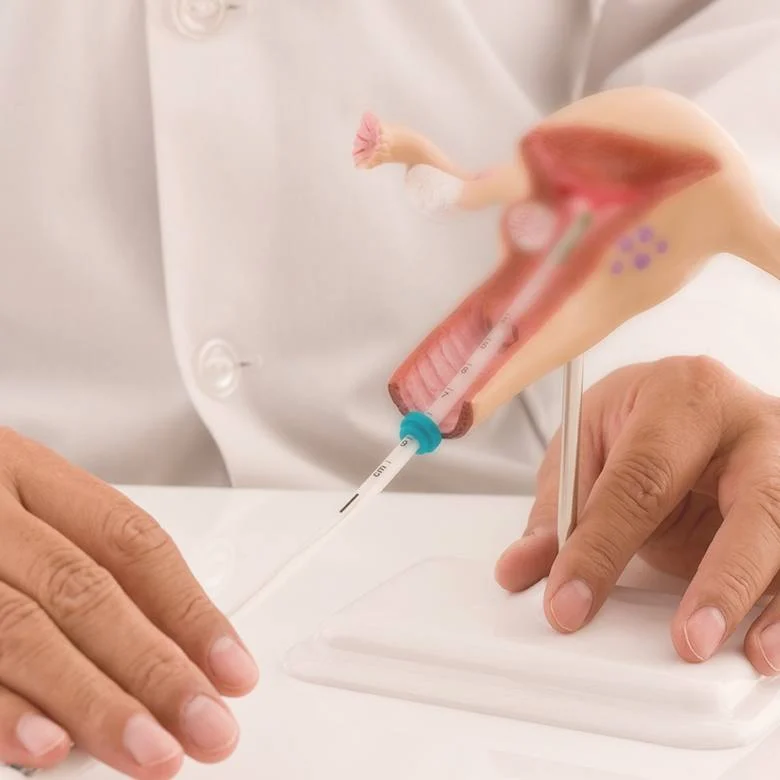
    model of the female reproductive system with a hand demonstrating intrauterine insemination technique

    Understanding the Risks and Benefits of Fertility Medications vs Surgery

    However, surgery also comes with its own set of risks. It is a more invasive option and carries a higher risk of complications such as infection, bleeding, and damage to surrounding organs. There is also a risk of scarring, which can lead to further fertility issues in the future. Additionally, surgery is usually more expensive compared to fertility medications and may not be covered by insurance.

    When considering fertility medications vs surgery, it is important for couples to also take into account their personal preferences and values. Some couples may prefer to try fertility medications first, as it is a less invasive option and gives them a feeling of control over their fertility journey. Others may feel more comfortable with surgery, knowing that it is addressing the root cause of their fertility issues.

    It is also important to note that for some couples, a combination of both fertility medications and surgery may be necessary. For example, a woman may need to take fertility medications to stimulate ovulation, but also undergo surgery to remove any blockages in her fallopian tubes.

    Ultimately, the decision between fertility medications and surgery should be made after a thorough discussion with a fertility specialist. They will be able to assess the individual situation and provide personalized recommendations based on the couple’s medical history, fertility issues, and personal preferences.

    In conclusion, the decision between fertility medications and surgery is a complex one that should not be taken lightly. Both options have their own set of risks and benefits, and it is important for couples to carefully consider these factors before making a decision. Consulting with a fertility specialist and having an open and honest conversation about expectations, potential risks, and success rates is crucial in making the best decision for your fertility journey.

    Summary:

    When facing fertility issues, couples often have to choose between fertility medications or surgery. Fertility medications are non-invasive and more affordable, but carry the risk of multiple pregnancies and ovarian hyperstimulation syndrome. Surgery is a more invasive option that addresses the underlying issue, but comes with a higher risk of complications and is usually more expensive. Personal preferences and values should also be taken into account when making this decision. Ultimately, consulting with a fertility specialist and having an open and honest discussion is crucial in making the best decision for your fertility journey.
  • Breaking Down the Costs of At-Home vs Clinical Insemination

    Blog Post: Breaking Down the Costs of At-Home vs Clinical Insemination

    In recent years, there has been a significant rise in the popularity of at-home insemination as a method of conception for couples looking to start a family. With the increasing cost of clinical insemination, many couples are turning to at-home options as a more affordable alternative. However, it is important to carefully consider the costs and potential risks involved in both at-home and clinical insemination before making a decision. In this blog post, we will break down the costs of at-home vs clinical insemination to help you make an informed decision about which option is right for you.

    At-Home Insemination

    At-home insemination involves the insertion of sperm into the vagina or cervix using a syringe or other device. This can be done by a partner or with the help of a donor. The cost of at-home insemination is significantly lower compared to clinical insemination, as there are no medical professionals involved and no need for expensive fertility treatments.

    The main cost associated with at-home insemination is the purchase of a donor sperm sample. Prices for donor sperm can vary greatly depending on the source and quality of the sample. On average, a vial of donor sperm can cost anywhere from $500 to $1,000. It is important to note that some sperm banks may also charge additional fees for shipping and handling.

    Another cost to consider with at-home insemination is the use of ovulation predictor kits. These kits can range from $20 to $50 and are used to help determine the best time for insemination. While not necessary, many couples choose to use these kits to increase their chances of success.

    In addition to the direct costs, there may also be hidden costs associated with at-home insemination. These can include the purchase of additional supplies such as speculums, lubricants, and syringes. It is also important to factor in the time and effort required for at-home insemination, as multiple attempts may be necessary for success.

    Clinical Insemination

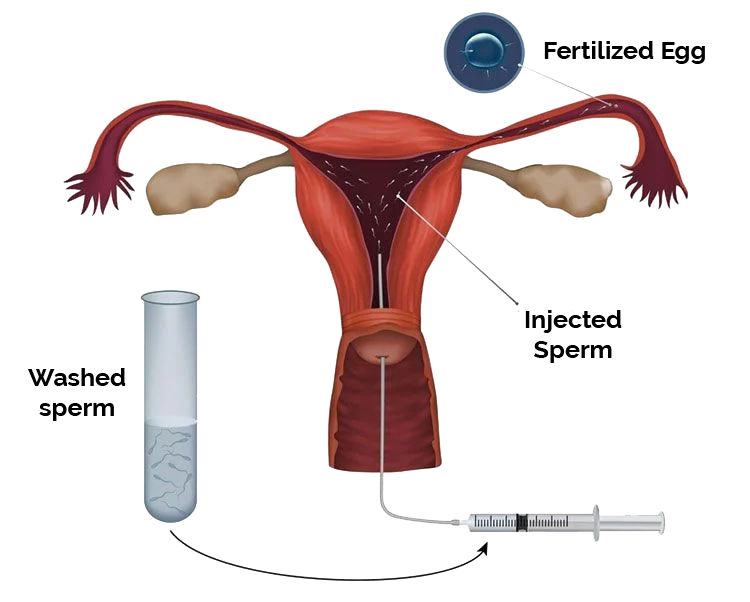
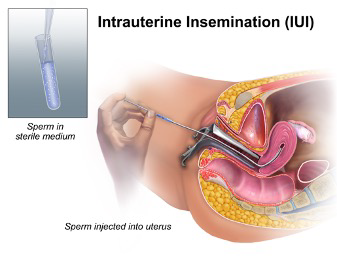
    Illustration of intrauterine insemination (IUI) procedure, showing sperm injection into the uterus.

    Breaking Down the Costs of At-Home vs Clinical Insemination

    Clinical insemination, also known as intrauterine insemination (IUI), is a fertility treatment that involves placing sperm directly into the uterus using a catheter. This procedure is typically done in a medical setting by a fertility specialist and can be more expensive than at-home insemination.

    The cost of clinical insemination can vary depending on the clinic and location, but on average, it can range from $300 to $3,000 per cycle. This cost includes the initial consultation, fertility testing, and the actual insemination procedure. It is important to note that this cost does not include any additional fertility treatments that may be needed, such as medications to stimulate ovulation.

    One of the main advantages of clinical insemination is that it offers a higher success rate compared to at-home insemination. This is due to the fact that the sperm is placed directly into the uterus, bypassing any potential barriers in the cervix. However, this higher success rate comes at a higher cost, and multiple cycles may be needed to achieve pregnancy.

    Additional costs to consider with clinical insemination include the cost of fertility medications, which can range from $500 to $5,000 per cycle. These medications are used to stimulate ovulation and increase the chances of success. There may also be additional fees for blood work, ultrasounds, and other tests that are necessary during the treatment process.

    Making the Decision

    When considering the costs of at-home vs clinical insemination, it is important to also consider the potential risks involved. At-home insemination carries a higher risk of infection and may not be as effective as clinical insemination. On the other hand, clinical insemination can be costly and may require multiple cycles, leading to a significant financial burden for some couples.

    It is also important to consider the emotional and psychological costs involved in both options. At-home insemination may be more intimate and comfortable for some couples, while others may prefer the professional and medical setting of clinical insemination.

    Ultimately, the decision between at-home and clinical insemination will depend on the individual circumstances and preferences of each couple. It is important to carefully weigh the costs, risks, and potential benefits of each option before making a decision.

    In summary, at-home insemination offers a more affordable option for couples looking to conceive, with the main cost being the purchase of a donor sperm sample. However, hidden costs and potential risks must also be taken into account. Clinical insemination, while more expensive, offers a higher success rate and the guidance of a fertility specialist. Additional costs for fertility medications and tests must also be considered. Ultimately, the decision between at-home and clinical insemination should be based on individual circumstances and preferences.

  • Understanding the Risks: Intrauterine Insemination vs Sperm Washing

    Understanding the Risks: Intrauterine Insemination vs Sperm Washing

    When it comes to fertility treatments, there are various options available for couples struggling to conceive. Among these options, two commonly used procedures are intrauterine insemination (IUI) and sperm washing. Both of these procedures involve the use of donor sperm, but they differ in their process and potential risks. In this blog post, we will dive into the details of these procedures and understand the risks associated with each.

    What is Intrauterine Insemination (IUI)?

    Intrauterine insemination, also known as artificial insemination, is a fertility treatment that involves placing washed and concentrated sperm directly into a woman’s uterus during her ovulation period. The process begins with the collection of sperm from a donor, either from a known donor or a sperm bank. The sperm is then washed and prepared in a laboratory to remove any impurities and increase its concentration. Once the sperm is ready, it is inserted into the woman’s uterus using a thin catheter, increasing the chances of fertilization.

    What is Sperm Washing?

    Sperm washing is a technique used to separate sperm from other components of semen, such as viruses and bacteria. The process involves washing the semen sample with a special solution to remove the impurities and then spinning it in a centrifuge to separate the sperm from the other components. The resulting sperm sample is then used for various fertility treatments, including IUI and in vitro fertilization (IVF).

    Understanding the Risks of IUI

    As with any medical procedure, IUI comes with its own set of risks and potential complications. Some of the common risks associated with IUI include:

    1. Multiple pregnancies: IUI increases the chances of multiple pregnancies, which can pose a higher risk for both the mother and babies. In some cases, the doctor may use medication to control or prevent ovulation, which can reduce the chances of multiple pregnancies.

    2. Infection: The use of catheters during IUI can increase the risk of infection if proper sterilization procedures are not followed. It is crucial to ensure that all equipment used during the procedure is properly cleaned and sterilized.

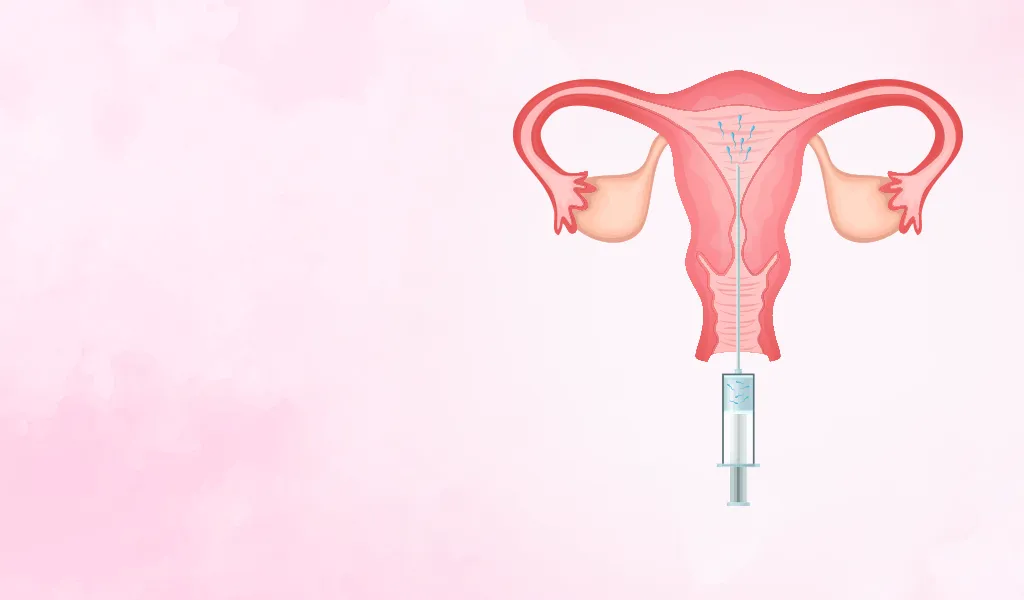
    illustration of a uterus with a syringe, representing intrauterine insemination procedure

    Understanding the Risks: Intrauterine Insemination vs Sperm Washing

    3. Ovarian hyperstimulation syndrome (OHSS): In some cases, women undergoing IUI may experience OHSS, a condition where the ovaries become swollen and painful. This can occur due to the use of fertility drugs to stimulate ovulation.

    4. Ectopic pregnancy: In rare cases, fertilization may occur outside of the uterus, leading to an ectopic pregnancy. This can be a life-threatening condition and requires immediate medical attention.

    5. Allergic reactions: Some people may have allergic reactions to the sperm or other components of the insemination solution. It is essential to inform the doctor of any known allergies before undergoing IUI.

    Understanding the Risks of Sperm Washing

    Sperm washing is a relatively safe procedure with minimal risks. Some potential complications associated with sperm washing include:

    1. Damage to the sperm: The washing process can potentially damage the sperm, decreasing their quality and reducing the chances of fertilization.

    2. Risk of infection: As with IUI, there is a risk of infection during the sperm washing process. Proper sterilization procedures must be followed to minimize this risk.

    3. Allergic reactions: Similar to IUI, some people may have allergic reactions to the washing solution or other components used during the process.

    Which Procedure is Safer?

    Both IUI and sperm washing are relatively safe procedures, but they do carry some risks. The decision of which procedure is safer depends on various factors, such as the individual’s medical history, the cause of infertility, and the doctor’s recommendation. In some cases, a combination of both procedures may be recommended to increase the chances of success.

    In summary, IUI and sperm washing are two common fertility treatments that involve the use of donor sperm. While both procedures have their risks, they are generally safe and effective options for couples struggling with infertility. It is essential to discuss all risks and potential complications with your doctor before choosing the right treatment plan for you.

  • An Honest Comparison: Intrauterine Insemination vs Sperm Washing

    Blog Post Title: An Honest Comparison: Intrauterine Insemination vs Sperm Washing

    In the world of fertility treatments, there are various options available for couples struggling to conceive. Two common methods are intrauterine insemination (IUI) and sperm washing. While they may seem similar, there are distinct differences between the two procedures. In this blog post, we will provide an honest comparison between IUI and sperm washing, including their processes, success rates, risks, and costs.

    Process:

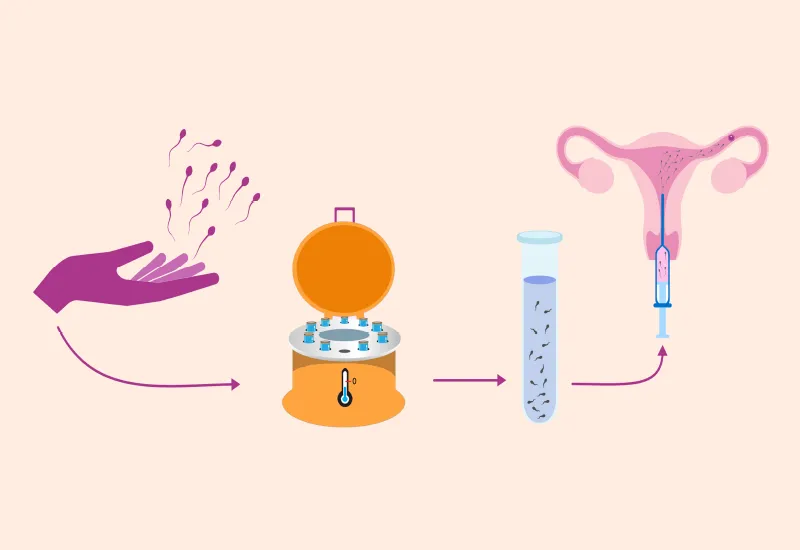
    Intrauterine insemination, also known as artificial insemination, involves placing specially prepared sperm directly into a woman’s uterus during her ovulation period. This method bypasses the cervix and increases the chances of fertilization by bringing the sperm closer to the egg. The process starts with a semen sample being collected and washed to remove any impurities. Then, the sperm is inserted into the uterus using a thin catheter.

    On the other hand, sperm washing is a process that involves separating healthy sperm from the semen’s rest, which contains viruses and bacteria. This process is essential for couples where the male partner has a sexually transmitted disease or genetic condition that could be passed on to the baby. The washed sperm is then used for either intrauterine insemination or in vitro fertilization (IVF).

    Success Rates:

    When it comes to success rates, there are several factors to consider, including the age of the woman, the quality of sperm, and any underlying fertility issues. Generally, IUI has a success rate of 10-20% per cycle, while sperm washing has a higher success rate of 20-30% per cycle. However, these numbers can vary depending on individual circumstances.

    Risks:

    illustration of the IUI process, showing sperm collection, preparation, and insertion into the uterus

    An Honest Comparison: Intrauterine Insemination vs Sperm Washing

    Both IUI and sperm washing are relatively safe procedures with minimal risks. The most common risk associated with IUI is multiple pregnancies due to the stimulation of ovulation. This can be managed by carefully monitoring the number of follicles produced and adjusting the dosage of fertility drugs. On the other hand, sperm washing carries a small risk of infection, but this can be minimized by using sterile techniques and properly screening the sperm donor.

    Costs:

    In terms of costs, IUI is generally more affordable than sperm washing. The average cost of an IUI cycle is around $500-$1000, while sperm washing can cost up to $1000-$3000 per cycle. These costs can increase significantly if additional fertility treatments, such as IVF, are needed.

    Which one is right for you?

    The decision between IUI and sperm washing ultimately depends on the individual’s unique situation and preferences. If a couple is struggling with infertility due to male factor issues, sperm washing may be the better option as it helps to remove any potential barriers to fertilization. However, if a couple is experiencing unexplained infertility or has a female partner with ovulation disorders, IUI may be a suitable and less invasive option.

    It is crucial to consult with a fertility specialist to determine the best course of action. They can evaluate your medical history, perform necessary tests and provide guidance on the most suitable treatment plan for your specific needs.

    In conclusion, both IUI and sperm washing are viable options for couples seeking fertility treatments. While IUI is a more straightforward and less expensive procedure, sperm washing can be a necessary step for couples with male factor infertility. Ultimately, the decision should be based on individual circumstances and discussed with a medical professional.

    SEO Metadata:

  • Breaking Down the Differences: Intrauterine Insemination vs Sperm Washing

    Breaking Down the Differences: Intrauterine Insemination vs Sperm Washing

    When it comes to assisted reproductive technology, there are several options available for couples struggling with infertility. Two of the most commonly used methods are intrauterine insemination (IUI) and sperm washing. While both methods involve the use of sperm to increase the chances of pregnancy, they have distinct differences in terms of procedure, cost, success rates, and other factors. In this blog post, we will take a closer look at each method and break down their differences to help you make an informed decision about which one may be right for you.

    What is Intrauterine Insemination (IUI)?

    Intrauterine insemination, also known as artificial insemination, is a medical procedure in which sperm is placed directly into a woman’s uterus to increase the chances of fertilization. The procedure is typically done when a woman is ovulating and involves a thin, flexible tube called a catheter, which is used to inject the sperm through the cervix and into the uterus.

    What is Sperm Washing?

    Sperm washing is a laboratory process in which sperm is separated from the semen and prepared for use in assisted reproductive techniques. This method is usually recommended for couples where the male partner is HIV positive or has a genetic disease that could be passed on to the offspring. Sperm washing involves several steps, including diluting the semen, spinning it in a centrifuge, and separating the sperm from the other components. The resulting sperm is then used for intrauterine insemination, in vitro fertilization (IVF), or other assisted reproductive techniques.

    Procedure Differences

    One of the main differences between IUI and sperm washing is the procedure itself. While IUI involves placing sperm directly into the uterus, sperm washing is a laboratory process that prepares the sperm for use in assisted reproductive techniques. IUI is a relatively quick and straightforward procedure that can be done in a doctor’s office, while sperm washing is a more complex process that requires specialized equipment and skills.

    Cost Differences

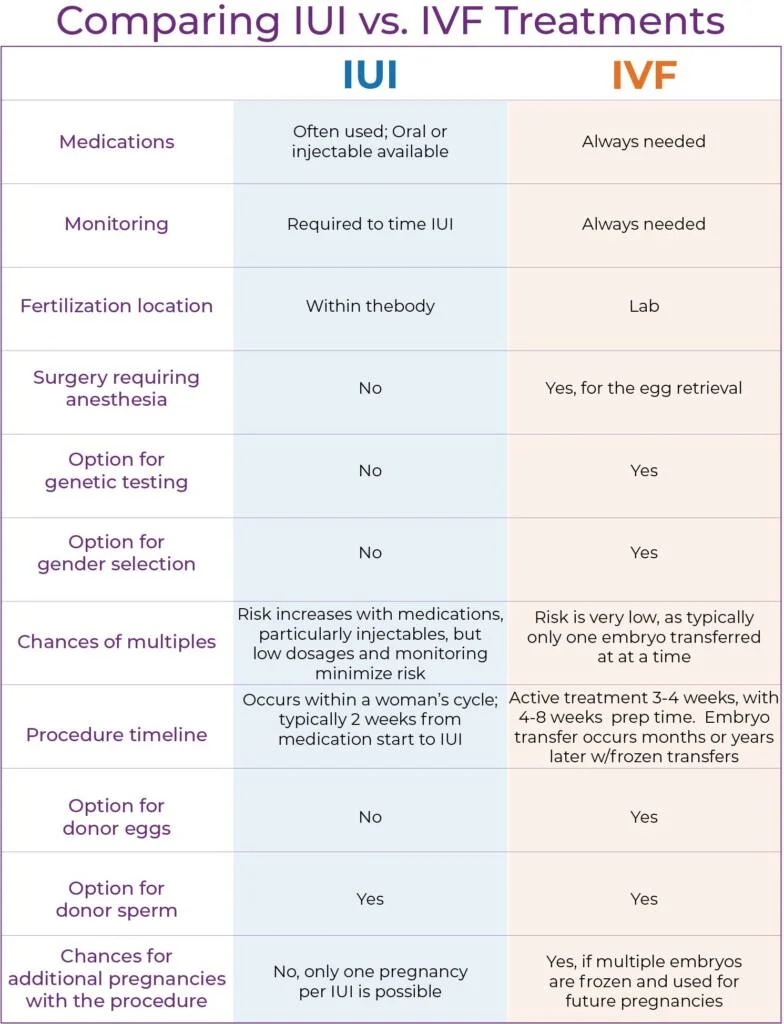
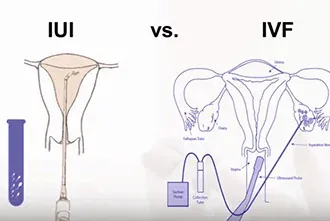
    Comparison chart of IUI and IVF treatments, detailing medications, monitoring, procedures, and success rates.

    Breaking Down the Differences: Intrauterine Insemination vs Sperm Washing

    In terms of cost, IUI is generally more affordable than sperm washing. The average cost of IUI ranges from $300 to $1000 per cycle, while sperm washing can cost anywhere from $500 to $2500 per cycle. The cost of sperm washing may be higher due to the additional laboratory procedures involved.

    Success Rates

    Success rates are another important factor to consider when comparing IUI and sperm washing. Both methods have varying success rates, depending on factors such as age, overall health, and the underlying cause of infertility. According to the American Pregnancy Association, the success rate for IUI ranges from 10% to 20% per cycle, while the success rate for sperm washing is slightly higher at 20% to 25% per cycle. It is important to note that these rates may vary depending on individual circumstances and should be discussed with a fertility specialist.

    Risks and Side Effects

    As with any medical procedure, there are potential risks and side effects associated with IUI and sperm washing. IUI carries a minimal risk of infection or discomfort during the procedure, while sperm washing may have a higher risk of infection due to handling of the semen. Both methods may also cause mild side effects such as cramping or spotting, which should subside within a few days.

    When to Consider IUI or Sperm Washing

    IUI is often recommended for couples who have been trying to conceive for a year or more without success, or for those with mild cases of male factor infertility. It may also be used for women with ovulation issues or cervical problems that affect sperm motility. On the other hand, sperm washing is usually recommended for couples where the male partner is HIV positive or has a genetic condition that could be passed on to the offspring. It may also be used for couples who have failed previous fertility treatments or for women with blocked fallopian tubes.

    In conclusion, both intrauterine insemination and sperm washing are effective methods for increasing the chances of pregnancy in couples struggling with infertility. However, they differ in terms of procedure, cost, success rates, and other factors. It is important to consult with a fertility specialist to determine which method may be right for you based on your individual circumstances. With the right treatment plan, many couples are able to overcome infertility and fulfill their dreams of starting a family.

    Summary:

    Intrauterine insemination (IUI) and sperm washing are two commonly used methods of assisted reproductive technology for couples struggling with infertility. IUI involves placing sperm directly into the uterus, while sperm washing is a laboratory process that prepares the sperm for use in assisted reproductive techniques. IUI is more affordable and has a lower success rate compared to sperm washing, which is a more complex and expensive procedure with a slightly higher success rate. Both methods have potential risks and side effects, and the decision on which one to use should be based on individual circumstances. Consulting with a fertility specialist is crucial in determining the best treatment option for achieving pregnancy.

  • Donor Insemination vs Partner Insemination: A Medical Perspective

    Donor Insemination vs Partner Insemination: A Medical Perspective

    When it comes to starting a family, there are various options available for couples and individuals who are unable to conceive naturally. Two popular methods of assisted reproduction are donor insemination (DI) and partner insemination (PI). Both methods involve the use of donor sperm, but there are some key differences that individuals should know before deciding which option is best for them. In this blog post, we will explore the medical perspective of both donor insemination and partner insemination, including the process, success rates, and potential risks.

    Donor Insemination (DI)

    Donor insemination, also known as artificial insemination, is a process where donor sperm is used to fertilize a woman’s egg. This method is commonly used by single women, same-sex couples, and heterosexual couples where the male partner has fertility issues. The process involves the insertion of donor sperm into the woman’s reproductive tract, either through the cervix or directly into the uterus. This can be done through intrauterine insemination (IUI) or intra-cervical insemination (ICI).

    One of the main advantages of DI is that it allows individuals to have a child without a male partner. It also provides options for individuals with certain medical conditions or genetic disorders that may make it difficult to conceive naturally. Additionally, DI is a relatively simple and less invasive procedure compared to other assisted reproductive techniques.

    Partner Insemination (PI)

    Partner insemination, also known as at-home insemination, is a process where a known or anonymous donor provides sperm for insemination at home. This method is commonly used by lesbian couples or single women who want to involve a known donor, such as a friend or family member, in the conception process. Unlike DI, PI does not involve a medical professional and can be done in the comfort of one’s own home.

    One of the main advantages of PI is the involvement of a known donor, which can provide a sense of connection and involvement in the child’s life. It also allows individuals to have more control over the insemination process, as they can choose when and where to inseminate. However, it is important to note that PI is not legal in all countries and may not be covered by insurance.

    diagram of the female reproductive system with an IUI syringe and test tube for artificial insemination

    Donor Insemination vs Partner Insemination: A Medical Perspective

    Success Rates

    The success rates of both DI and PI can vary depending on various factors, such as the age and health of the woman, the quality of the sperm, and the timing of insemination. According to the American Society for Reproductive Medicine, the success rate for DI ranges from 10-20% per cycle, while the success rate for PI is estimated to be around 5-15% per cycle. This is due to the fact that DI involves a medical professional who can monitor the ovulation cycle and ensure that the sperm is placed in the optimal location for fertilization.

    Risks and Considerations

    Like any medical procedure, both DI and PI carry some risks that individuals should be aware of before making a decision. DI may involve some mild discomfort or cramping during the insemination process, and there is a small risk of infection. Additionally, there may be psychological and emotional considerations for individuals and couples using donor sperm, including questions about the child’s genetic background and potential feelings of loss or lack of connection to the child.

    On the other hand, PI may carry a higher risk of infection if proper hygiene and sterilization procedures are not followed. There is also a risk of legal and emotional complications if the known donor is involved in the child’s life. It is important for individuals to thoroughly discuss and plan for these potential risks and considerations with their healthcare provider before proceeding with either DI or PI.

    In conclusion, both donor insemination and partner insemination are viable options for individuals and couples looking to start a family. The choice ultimately depends on personal preferences, medical considerations, and legal regulations. It is important to consult with a medical professional and carefully weigh the pros and cons of each method before making a decision.

    Summary:

    Donor insemination (DI) and partner insemination (PI) are two methods of assisted reproduction that involve the use of donor sperm. DI is a medical procedure that involves the insertion of donor sperm into a woman’s reproductive tract, while PI is an at-home insemination process using a known or anonymous donor. DI offers higher success rates, while PI allows for more control and involvement of a known donor. Both methods have potential risks and considerations that individuals should discuss with a healthcare provider before making a decision. Ultimately, the choice between DI and PI depends on personal preferences, medical considerations, and legal regulations.

  • The Risks Involved: Artificial Insemination and Natural Conception

    Blog Post: The Risks Involved: Artificial Insemination and Natural Conception

    Artificial insemination and natural conception are two commonly used methods for couples who are trying to conceive a child. Both methods have their own set of benefits and risks, and it is important for couples to understand and weigh these factors before making a decision. In this blog post, we will take a closer look at the risks involved in both artificial insemination and natural conception.

    Artificial Insemination:

    Artificial insemination, also known as intrauterine insemination (IUI), is a fertility treatment that involves inserting sperm directly into the uterus. This can be done using either the partner’s sperm or a donor’s sperm. The procedure is relatively simple and can be performed in a doctor’s office without the need for anesthesia.

    One of the main risks associated with artificial insemination is the potential for multiple pregnancies. Because multiple eggs may be released during ovulation, there is a higher chance of conceiving twins or even triplets. While some couples may see this as a positive outcome, multiple pregnancies can also increase the risk of complications for both the mother and the babies.

    Another risk of artificial insemination is the potential for infection. Since the procedure involves inserting a catheter into the uterus, there is a risk of introducing bacteria or other pathogens into the reproductive system. This can lead to pelvic inflammatory disease (PID), which can cause scarring in the fallopian tubes and make it difficult for a woman to conceive naturally in the future.

    There is also a small risk of allergic reactions to the sperm or other substances used during the procedure. This is more common in women who have a history of allergies or sensitivities. It is important for couples to discuss any potential allergies with their doctor before undergoing the procedure.

    Natural Conception:

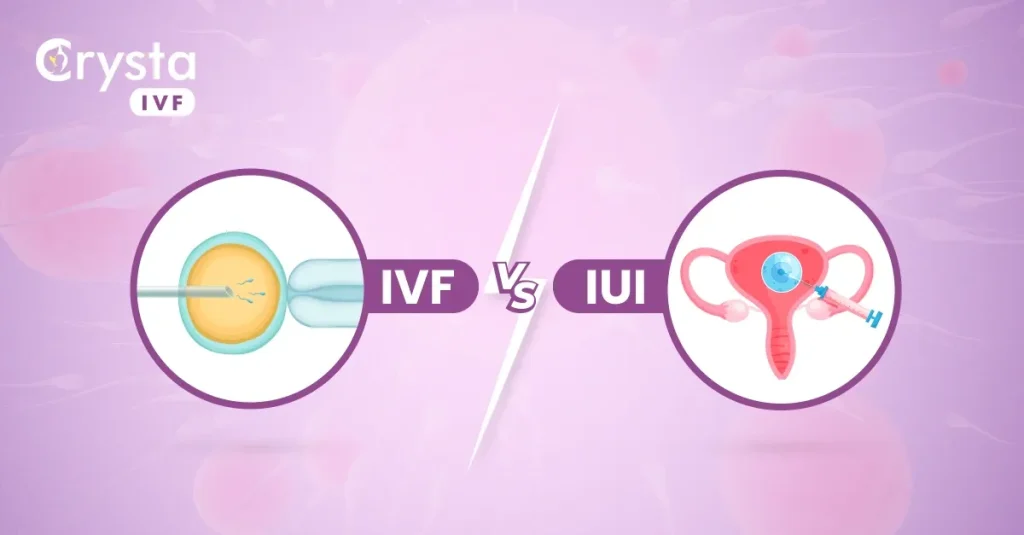
    Comparison of IVF and IUI procedures with illustrations of each method.

    The Risks Involved: Artificial Insemination and Natural Conception

    Natural conception, also known as sexual intercourse, is the most common way for couples to conceive a child. This method involves the fertilization of an egg by sperm in the woman’s fallopian tubes. While it is a natural and often successful way to conceive, there are still risks involved.

    One of the main risks of natural conception is the potential for sexually transmitted infections (STIs). If either partner has an untreated STI, it can be passed to the other partner during intercourse. This can lead to serious complications for both fertility and overall health.

    Another risk of natural conception is the potential for chromosomal abnormalities in the baby. As women age, the quality of their eggs decreases, which can increase the risk of genetic disorders in the baby. This risk is higher for women over the age of 35.

    Additionally, there is a risk of infertility in both men and women when trying to conceive naturally. Factors such as hormonal imbalances, blocked fallopian tubes, and low sperm count can make it difficult or even impossible for a couple to conceive without medical intervention.

    Which One is Right for You?

    When deciding between artificial insemination and natural conception, it is important to consider the individual risks and benefits of each method. Couples should also take into account their personal medical history and any potential fertility issues before making a decision.

    If a couple is struggling with fertility issues, artificial insemination may be a good option to increase their chances of conceiving. However, if they have a history of allergies or are concerned about the potential for multiple pregnancies, natural conception may be a better choice.

    It is also important to consult with a medical professional to discuss the best course of action. They can provide personalized recommendations based on the couple’s unique situation and help them make an informed decision.

    In conclusion, both artificial insemination and natural conception carry their own set of risks. It is important for couples to understand these risks and weigh them against the potential benefits before deciding on a method for conceiving. Consulting with a medical professional is key in making the best decision for a couple’s individual situation.

  • The Influence of Media Portrayals on Sperm Banks vs Known Donors

    Blog Post:

    Sperm donation has been a controversial topic for decades, and with the rise of media portrayals of sperm banks and known donors, the debate has only intensified. On one hand, we have the traditional method of anonymous sperm donation through sperm banks, where donors are chosen based on their medical history and physical traits. On the other hand, we have the newer trend of known donors, where recipients personally know and select the donor. But how do media portrayals of these two methods affect our perception of sperm donation?

    Media Portrayal of Sperm Banks:
    Sperm banks have been a popular choice for couples struggling with fertility issues or single individuals who want to conceive. The media has often portrayed sperm banks as a safe and reliable option, with a wide range of donors to choose from. This has given the impression that sperm banks are a foolproof method of conception, with little to no risk involved. However, this is not entirely true.

    One of the main concerns with sperm banks is the lack of information provided about the donors. While donors are screened for certain medical conditions and physical traits, they often remain anonymous, making it difficult for recipients to know the full genetic history of their child. This can lead to a lack of awareness of potential hereditary diseases or medical conditions that could be passed down to the child.

    Another issue with sperm banks is the potential for misrepresentation. Some sperm banks may exaggerate the physical and educational qualities of their donors to attract more recipients. This can lead to unrealistic expectations and disappointment for the recipients when the child does not turn out as expected. Media portrayals often do not shed light on these issues, leading to a skewed perception of sperm banks.

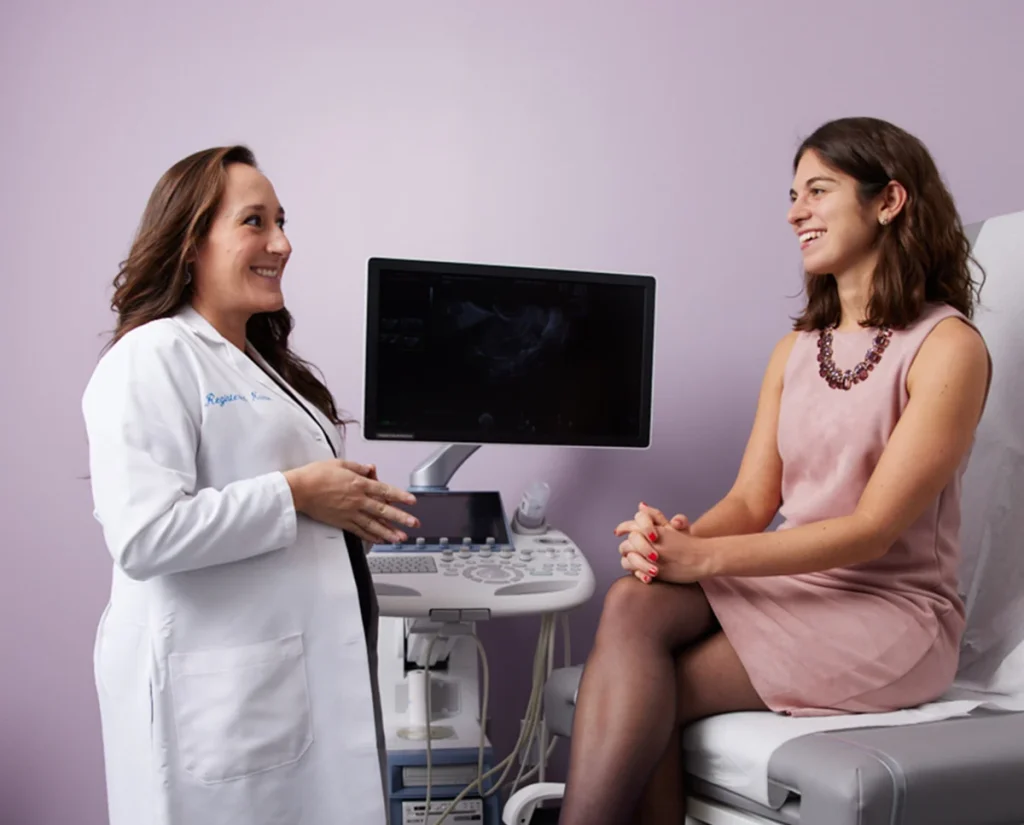
    doctor discussing treatment with a patient in a medical office, featuring an ultrasound machine in the background

    The Influence of Media Portrayals on Sperm Banks vs Known Donors

    Media Portrayal of Known Donors:
    Known donors, on the other hand, have been gaining popularity in recent years. With this method, recipients are able to personally select the donor, often a friend or acquaintance, and have a more personal connection with them. The media has portrayed known donors as a more natural and intimate way of conceiving, giving the impression that it is a better option compared to sperm banks.

    However, there are also concerns with known donors that are often not discussed in the media. One of the main issues is the lack of legal protection for donors. In most countries, known donors have no legal rights or responsibilities towards the child, which can lead to complications in the future. Additionally, there is a risk of emotional involvement and potential conflicts between the donors and recipients, which can affect the child’s well-being.

    Impact on Recipients:
    Media portrayals of sperm banks and known donors can have a significant impact on the recipients’ decision-making process. The idealized image of sperm banks may lead recipients to overlook the potential risks and issues involved. On the other hand, the positive portrayal of known donors may give recipients a false sense of security and neglect the potential complications that may arise.

    Moreover, media portrayals may also perpetuate certain stereotypes and societal expectations. For example, sperm banks may promote the idea of having a “perfect” child with desirable physical and intellectual traits, while known donors may reinforce the traditional notion of family and biological ties. This can put pressure on recipients to conform to these ideals, leading to unrealistic expectations and disappointment.

    Conclusion:
    In conclusion, media portrayals of sperm banks and known donors can have a significant influence on our perception of sperm donation. While they both have their advantages and disadvantages, it is important to recognize the potential risks and issues involved in both methods. It is crucial for individuals considering sperm donation to do thorough research and consult with professionals before making a decision.

    Summary:
    The media plays a significant role in shaping our perception of sperm donation, particularly through its portrayal of sperm banks and known donors. While sperm banks are often depicted as a safe and reliable option, there are concerns about the lack of information provided about donors and potential misrepresentation. On the other hand, known donors are portrayed as a more natural and intimate option, but there are concerns about legal protection and emotional involvement. These media portrayals can influence recipients’ decision-making process and perpetuate certain stereotypes and societal expectations.

  • Intrauterine Insemination vs In Vitro Fertilization: A Medical Perspective

    Intrauterine Insemination vs In Vitro Fertilization: A Medical Perspective

    Infertility is a common issue faced by many couples trying to conceive. Fortunately, advancements in modern medicine have made it possible for these couples to still have a chance at starting a family. Two popular methods used to treat infertility are Intrauterine Insemination (IUI) and In Vitro Fertilization (IVF). While both methods have been successful in helping couples achieve pregnancy, they differ in their approach and success rates. In this blog post, we will explore the medical perspective of IUI and IVF to help you understand the differences between the two and make an informed decision on which method may be best for you.

    What is Intrauterine Insemination (IUI)?

    IUI, also known as artificial insemination, is a fertility treatment that involves placing sperm directly into the uterus to increase the chances of fertilization. The procedure is usually performed during a woman’s ovulation cycle, and it is a less invasive and less expensive option compared to IVF.

    The process of IUI typically begins with a series of fertility medications to stimulate the ovaries to produce more eggs. The woman’s partner or a donor’s sperm is then collected and washed to separate the sperm from the seminal fluid. The washed sperm is then placed into the uterus using a thin catheter, which is inserted through the cervix. This procedure is relatively quick and painless, and the woman can resume normal activities immediately after.

    What is In Vitro Fertilization (IVF)?

    IVF is a more complex and invasive procedure compared to IUI. It involves retrieving eggs from a woman’s ovaries and fertilizing them with sperm in a laboratory. The fertilized eggs, or embryos, are then transferred back into the woman’s uterus, where they can hopefully implant and result in pregnancy.

    The process of IVF starts with the woman taking fertility medications to stimulate the ovaries to produce multiple eggs. Once the eggs are mature, they are retrieved through a minor surgical procedure. The eggs are then fertilized with sperm in a laboratory, and the resulting embryos are monitored for a few days before being transferred into the uterus. Any extra embryos can be frozen for future use. The entire process can take several weeks and may involve multiple cycles to achieve a successful pregnancy.

    Success Rates

    Illustration of the IUI process, showing a syringe and catheter in the reproductive system.

    Intrauterine Insemination vs In Vitro Fertilization: A Medical Perspective

    One of the most significant differences between IUI and IVF is their success rates. The success of IUI depends on various factors, such as the age and fertility of the woman, the quality of the sperm, and any underlying medical conditions. On average, the success rate of IUI is around 10-20%, with some studies reporting higher success rates up to 30%.

    On the other hand, IVF has a higher success rate, with an average of 30-40% per cycle. However, the success rate of IVF also depends on several factors, such as the age of the woman, the quality of the eggs and sperm, and the expertise of the fertility clinic. The success rate also decreases with each subsequent cycle.

    Risks and Complications

    Like any medical procedure, both IUI and IVF carry potential risks and complications. The risks associated with IUI are minimal, and they include cramping, infection, and a small chance of multiple pregnancies. However, the risks of IVF are more significant and can include ovarian hyperstimulation syndrome, ectopic pregnancy, and multiple pregnancies. The use of fertility medications in IVF can also increase the risk of developing blood clots and ovarian cancer.

    Costs

    The cost of fertility treatments is a significant factor to consider when deciding between IUI and IVF. IUI is generally less expensive compared to IVF, with an average cost of $500-$1000 per cycle. IVF, on the other hand, can cost anywhere from $12,000-$15,000 per cycle, with additional expenses for medications and any necessary procedures. The cost of IVF can be a significant barrier for many couples, and it is essential to consider this when deciding on a fertility treatment.

    Which Option is Right for You?

    Ultimately, the decision between IUI and IVF will depend on various factors, including the cause of infertility, the age of the woman, and financial considerations. If the cause of infertility is due to issues with ovulation or cervical mucus, IUI may be a suitable option. However, if the cause is more severe, such as blocked fallopian tubes or low sperm count, IVF may be the better option. Consulting with a fertility specialist is crucial in determining the best course of action for your specific situation.

    Summary:

    Infertility can be a challenging issue to face, but medical advancements have made it possible for couples to have a chance at starting a family. Intrauterine Insemination (IUI) and In Vitro Fertilization (IVF) are two popular methods used to treat infertility. IUI involves placing sperm directly into the uterus, while IVF involves retrieving and fertilizing eggs in a laboratory before transferring them into the uterus. The success rates, risks, and costs of these procedures differ, and the decision between the two will depend on various factors. Consulting with a fertility specialist is crucial in determining the best option for your specific situation.

  • Choosing the Right Fertility Treatment: Intrauterine Insemination vs In Vitro Fertilization

    Summary:

    Comparison of IUI and IVF treatments with diagrams of reproductive anatomy.

    Choosing the Right Fertility Treatment: Intrauterine Insemination vs In Vitro Fertilization

    Couples struggling with infertility often turn to fertility treatments in order to conceive a child. Two of the most common treatments are intrauterine insemination (IUI) and in vitro fertilization (IVF). When deciding which treatment is right for you and your partner, it is important to understand the differences between the two and consider factors such as cost, success rates, and potential risks. IUI involves the placement of washed and prepared sperm directly into the uterus, while IVF involves fertilizing eggs with sperm in a laboratory setting and then transferring the resulting embryo into the uterus. Both treatments have their own benefits and drawbacks, and the decision should be made after consulting with a fertility specialist and considering individual needs and preferences. Ultimately, the goal is to find the best treatment option that will help couples achieve their dream of parenthood.