Blog Post: Understanding the Risks and Benefits of Fertility Medications vs Surgery
When facing fertility issues, couples often have to make the difficult decision of whether to pursue fertility medications or undergo surgery. Both options have their own set of risks and benefits, and it can be overwhelming for couples to understand which option is the best for them. In this blog post, we will discuss the various factors that should be considered when weighing the risks and benefits of fertility medications vs surgery.
First, let’s talk about fertility medications. These are drugs that are used to stimulate ovulation and increase the chances of pregnancy. Some examples of fertility medications include clomiphene citrate, gonadotropins, and letrozole. The main benefit of fertility medications is that they are non-invasive and can be easily administered at home. They are also generally more affordable compared to surgery. However, there are also some risks associated with fertility medications.
One of the main risks of fertility medications is the potential for multiple pregnancies. These medications often stimulate the release of multiple eggs, increasing the chances of having twins, triplets, or even higher-order multiples. While some couples may see this as a positive outcome, it also comes with a higher risk of complications during pregnancy and childbirth. Multiple pregnancies also increase the financial burden on the couple, as well as the emotional and physical toll it takes on the mother.
Another risk of fertility medications is the potential for ovarian hyperstimulation syndrome (OHSS). This occurs when the ovaries become enlarged and painful due to the high levels of hormones produced by the medication. In severe cases, OHSS can lead to hospitalization and even life-threatening complications. It is important for couples to carefully monitor their response to fertility medications and seek medical attention if they experience any concerning symptoms.
On the other hand, surgery for fertility issues is usually recommended in cases where there is a structural problem that is preventing pregnancy. For example, if a woman has blocked fallopian tubes, surgery may be necessary to remove the blockage and increase the chances of conception. The main benefit of surgery is that it can address the underlying issue, potentially increasing the chances of a successful pregnancy. It also eliminates the need for multiple cycles of fertility medications.
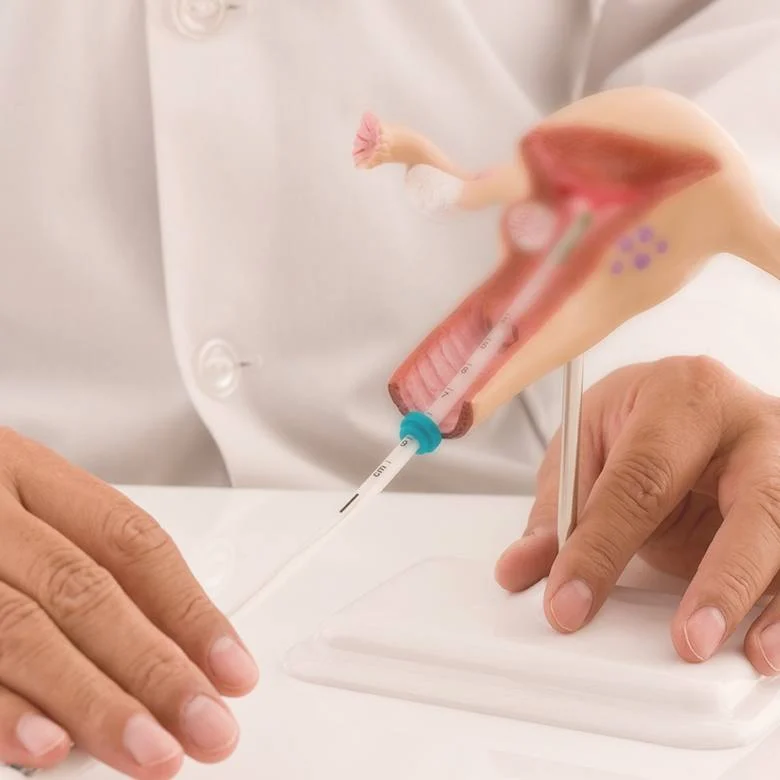
Understanding the Risks and Benefits of Fertility Medications vs Surgery
However, surgery also comes with its own set of risks. It is a more invasive option and carries a higher risk of complications such as infection, bleeding, and damage to surrounding organs. There is also a risk of scarring, which can lead to further fertility issues in the future. Additionally, surgery is usually more expensive compared to fertility medications and may not be covered by insurance.
When considering fertility medications vs surgery, it is important for couples to also take into account their personal preferences and values. Some couples may prefer to try fertility medications first, as it is a less invasive option and gives them a feeling of control over their fertility journey. Others may feel more comfortable with surgery, knowing that it is addressing the root cause of their fertility issues.
It is also important to note that for some couples, a combination of both fertility medications and surgery may be necessary. For example, a woman may need to take fertility medications to stimulate ovulation, but also undergo surgery to remove any blockages in her fallopian tubes.
Ultimately, the decision between fertility medications and surgery should be made after a thorough discussion with a fertility specialist. They will be able to assess the individual situation and provide personalized recommendations based on the couple’s medical history, fertility issues, and personal preferences.
In conclusion, the decision between fertility medications and surgery is a complex one that should not be taken lightly. Both options have their own set of risks and benefits, and it is important for couples to carefully consider these factors before making a decision. Consulting with a fertility specialist and having an open and honest conversation about expectations, potential risks, and success rates is crucial in making the best decision for your fertility journey.
Summary:
When facing fertility issues, couples often have to choose between fertility medications or surgery. Fertility medications are non-invasive and more affordable, but carry the risk of multiple pregnancies and ovarian hyperstimulation syndrome. Surgery is a more invasive option that addresses the underlying issue, but comes with a higher risk of complications and is usually more expensive. Personal preferences and values should also be taken into account when making this decision. Ultimately, consulting with a fertility specialist and having an open and honest discussion is crucial in making the best decision for your fertility journey.