Tag: healthy lifestyle

  • The Impact of Lifestyle: Intrauterine Insemination vs In Vitro Fertilization

    Blog Post: The Impact of Lifestyle: Intrauterine Insemination vs In Vitro Fertilization

    In today’s world, many couples face challenges when trying to conceive a child. The rise in infertility rates has led to advancements in assisted reproductive technologies (ART) such as intrauterine insemination (IUI) and in vitro fertilization (IVF). These procedures have become popular options for couples struggling with fertility issues, but they have distinct differences that can greatly impact a person’s lifestyle. In this blog post, we will explore the impact of lifestyle on couples considering IUI and IVF as fertility treatment options.

    Understanding Intrauterine Insemination (IUI)

    IUI is a form of fertility treatment where sperm is placed directly into a woman’s uterus during ovulation. This procedure is commonly used for couples with unexplained infertility, mild male factor infertility, or in cases where the woman has issues with ovulation. One of the main advantages of IUI is that it is a less invasive and less expensive option compared to IVF. It also allows for the use of the male partner’s sperm, which can be a more natural and intimate experience for couples.

    The Impact of Lifestyle on IUI

    One of the key factors that can affect the success of IUI is a person’s lifestyle. For example, being overweight or underweight can impact the body’s hormone levels, making it more difficult to conceive. Similarly, smoking, excessive alcohol consumption, and drug use can also decrease fertility and reduce the chances of IUI success. It is essential for couples considering IUI to adopt a healthy lifestyle, including a balanced diet and regular exercise, to increase their chances of success.

    The Emotional Impact of IUI

    IUI can be an emotional rollercoaster for couples. The process of trying to conceive can be stressful, and the uncertainty of whether the treatment will be successful can take a toll on a person’s mental well-being. It is important for couples to have a strong support system and to communicate openly with each other throughout the process. Seeking counseling or joining a support group can also be beneficial for couples going through IUI.

    Understanding In Vitro Fertilization (IVF)
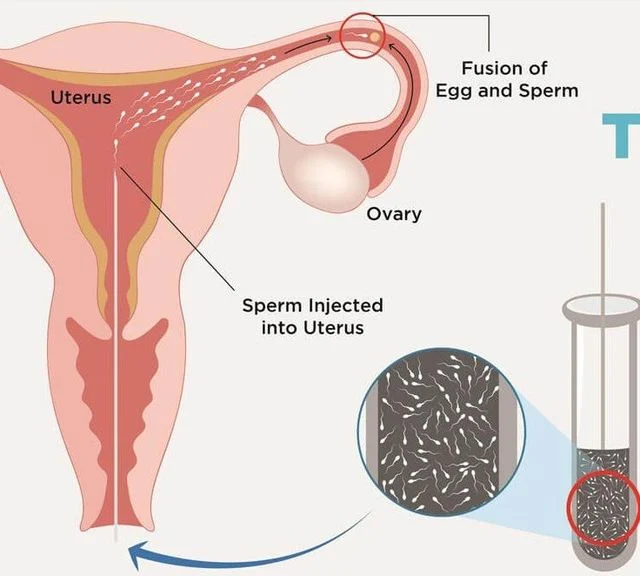
    Diagram illustrating the IUI process, showing sperm injection into the uterus and egg fertilization.

    The Impact of Lifestyle: Intrauterine Insemination vs In Vitro Fertilization

    IVF is a more complex fertility treatment that involves retrieving eggs from the woman’s ovaries and fertilizing them with sperm in a laboratory. The resulting embryos are then transferred to the woman’s uterus for implantation. This procedure is typically recommended for couples with more severe fertility issues, such as blocked fallopian tubes, advanced maternal age, or severe male factor infertility.

    The Impact of Lifestyle on IVF

    Unlike IUI, lifestyle factors have less of an impact on the success of IVF. However, maintaining a healthy lifestyle is still essential for improving the chances of a successful pregnancy. A balanced diet, regular exercise, and avoiding harmful substances can contribute to a more favorable outcome. Additionally, managing stress levels and having a positive mindset can also play a crucial role in the success of IVF.

    The Emotional Impact of IVF

    IVF can be a physically and emotionally taxing experience for couples. The process involves numerous appointments, medications, and procedures, which can be overwhelming and stressful. The financial burden of IVF can also add to the emotional toll on couples. It is crucial for couples to communicate openly with each other and seek support from friends, family, or a therapist to cope with the emotional impact of IVF.

    Comparing IUI and IVF

    When it comes to the impact of lifestyle, IUI and IVF have their differences. IUI is a less invasive and less expensive option, but lifestyle factors can significantly affect its success. On the other hand, IVF is a more complex and costly procedure, but lifestyle factors have less impact on its success. Ultimately, the decision between IUI and IVF will depend on a couple’s specific fertility issues, their budget, and their lifestyle.

    In conclusion, lifestyle plays a crucial role in the success of both IUI and IVF. It is essential for couples to adopt a healthy lifestyle and manage their emotional well-being throughout the process of trying to conceive. Seeking support from loved ones and healthcare professionals can make a significant difference in the journey towards parenthood. It is also important to remember that every person’s fertility journey is unique, and what works for one couple may not work for another.

    Summary:

    Infertility can be a challenging issue for many couples, leading them to consider assisted reproductive technologies such as intrauterine insemination (IUI) and in vitro fertilization (IVF). These procedures have different impacts on a person’s lifestyle, with IUI being less invasive and expensive but susceptible to lifestyle factors, and IVF being more costly but less affected by lifestyle. It is crucial for couples to maintain a healthy lifestyle and seek support throughout their fertility journey.
  • How to Naturally Boost Fertility: Tips and Tricks

    Blog Post:

    Fertility is a natural process of the human body that allows individuals to conceive and bear children. However, many couples struggle with infertility, which can be a stressful and overwhelming experience. While medical interventions are available, there are also natural ways to boost fertility that can improve the chances of conception. In this blog post, we will discuss some effective tips and tricks to naturally boost fertility.

    1. Maintain a Healthy Weight

    Being overweight or underweight can affect hormone levels and disrupt the natural fertility process. It is essential to maintain a healthy weight to improve fertility. Overweight women tend to produce excess estrogen, which can interfere with ovulation. On the other hand, underweight women may have irregular periods or stop ovulating altogether. Therefore, it is crucial to maintain a healthy weight by eating a balanced diet and exercising regularly.

    2. Eat Nutritious Foods

    A well-balanced and nutritious diet is crucial for maintaining good overall health and boosting fertility. Foods rich in antioxidants, such as fruits and vegetables, can help improve egg quality and sperm count. Including healthy fats, such as avocados and nuts, in your diet can also help balance hormone levels. Additionally, consuming foods high in folic acid, iron, and zinc can improve fertility in both men and women.

    3. Reduce Stress Levels

    Stress can significantly impact fertility by disrupting hormone production and ovulation. It is essential to find ways to manage stress and relax, such as practicing yoga, meditation, or deep breathing exercises. Taking breaks from work, spending time with loved ones, and engaging in enjoyable activities can also help reduce stress levels and improve fertility.

    4. Get Enough Sleep

    Getting enough sleep is crucial for maintaining hormone balance and overall health. Lack of sleep can lead to hormonal imbalances, which can affect the menstrual cycle and ovulation. Aim for at least 7-9 hours of sleep per night to promote fertility.

    5. Quit Smoking and Limit Alcohol Intake

    Smoking and excessive alcohol consumption can negatively impact fertility in both men and women. Smoking can affect egg and sperm quality, while alcohol can disrupt hormone production and ovulation. It is best to quit smoking and limit alcohol intake to increase the chances of conceiving.

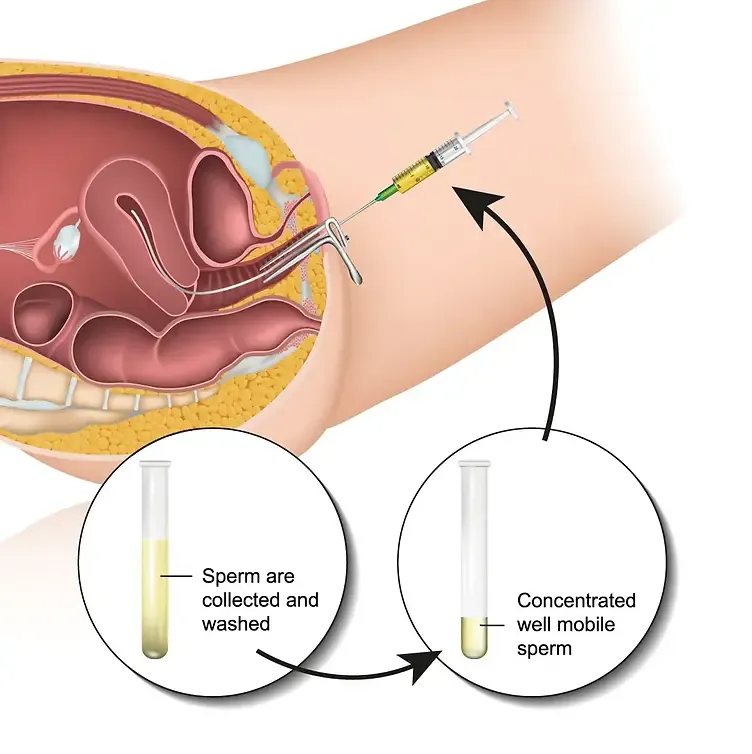
    Illustration of intrauterine insemination process, showing sperm collection and injection into the uterus.

    How to Naturally Boost Fertility: Tips and Tricks

    6. Exercise Regularly

    Regular physical activity can help maintain a healthy weight, reduce stress, and improve overall health, all of which can contribute to boosting fertility. However, excessive exercise can also have a negative impact on fertility. It is essential to find a balance and avoid intense and rigorous workouts.

    7. Consider Herbal Supplements

    There are many herbal supplements available that claim to improve fertility. Some popular ones include maca root, chasteberry, and evening primrose oil. While there is limited scientific evidence to support their effectiveness, some studies suggest that these supplements may have a positive impact on fertility. It is best to consult with a healthcare professional before taking any herbal supplements, as they may interact with other medications or have side effects.

    8. Monitor Ovulation

    Tracking your menstrual cycle and monitoring ovulation can help identify the most fertile days for conception. There are various methods to track ovulation, such as using ovulation predictor kits, charting basal body temperature, or keeping track of changes in cervical mucus. Knowing when you are most likely to ovulate can increase the chances of conception.

    9. Have Regular Sex

    Having regular sex, especially during the most fertile days of the menstrual cycle, can improve the chances of conceiving. It is recommended to have sex every 2-3 days throughout the cycle to ensure sperm is present when ovulation occurs.

    10. Seek Help from a Fertility Specialist

    If you have been trying to conceive for over a year without success, it is best to consult with a fertility specialist. They can perform tests to identify any underlying issues and provide personalized treatment options to help you conceive.

    In conclusion, there are many natural ways to boost fertility, such as maintaining a healthy weight, eating nutritious foods, managing stress levels, getting enough sleep, quitting smoking and limiting alcohol intake, exercising regularly, considering herbal supplements, monitoring ovulation, and having regular sex. By incorporating these tips and tricks into your lifestyle, you can improve your chances of conceiving and start your journey towards parenthood.

    Summary:

    Infertility is a common struggle for many couples, but there are natural ways to boost fertility. Maintaining a healthy weight, eating nutritious foods, managing stress levels, getting enough sleep, quitting smoking and limiting alcohol intake, exercising regularly, considering herbal supplements, monitoring ovulation, and having regular sex are all effective tips and tricks to promote fertility. It is also essential to seek help from a fertility specialist if needed. By following these natural methods, you can improve your chances of conceiving and start your journey towards parenthood.

  • Natural Ways to Boost Fertility Without Injections

    Blog Post:

    Fertility is a natural and beautiful aspect of human life, and for many couples, it is the ultimate goal in their journey to starting a family. However, for some, fertility can be a challenging road, with many turning to injections and medical procedures for assistance. These methods may be effective, but they can also come with potential risks and side effects. Fortunately, there are natural ways to boost fertility without injections that can not only help increase the chances of conception but also promote overall health and well-being. In this blog post, we will explore some of the best natural ways to boost fertility without injections.

    1. Focus on a Nutrient-Dense Diet

    One of the most crucial factors in promoting fertility is maintaining a healthy and balanced diet. Consuming a nutrient-dense diet rich in vitamins, minerals, and antioxidants can help improve overall reproductive health. Foods such as leafy greens, whole grains, nuts, and seeds are excellent sources of fertility-boosting nutrients. Incorporating these foods into your daily diet can help regulate hormones, improve egg quality, and increase sperm count.

    2. Consider Herbal Supplements

    Herbal supplements have been used for centuries to promote fertility in both men and women. Herbs such as maca root, chasteberry, and ginseng have been found to help regulate hormones, improve sperm quality, and increase ovulation. However, it is essential to consult with a healthcare professional before taking any herbal supplements, as they may interact with other medications or have adverse effects on certain medical conditions.

    3. Reduce Stress Levels

    Stress is a significant contributing factor to fertility issues. When the body is under stress, it produces high levels of cortisol, a hormone that can interfere with the production of reproductive hormones. Finding ways to manage and reduce stress levels can help improve fertility. Some effective stress-reducing activities include yoga, meditation, acupuncture, and massage therapy.

    4. Maintain a Healthy Weight

    Being either underweight or overweight can have a significant impact on fertility. Women who are underweight may have irregular periods, making it challenging to track ovulation, while those who are overweight may experience hormonal imbalances that can affect fertility. Maintaining a healthy weight through a balanced diet and regular exercise can help improve fertility and increase the chances of conception.

    5. Get Enough Sleep

    Getting enough quality sleep is crucial for overall health, including fertility. Lack of sleep has been linked to hormonal imbalances, which can affect ovulation and sperm production. Aim for seven to eight hours of sleep per night and establish a consistent bedtime routine to help improve sleep quality.

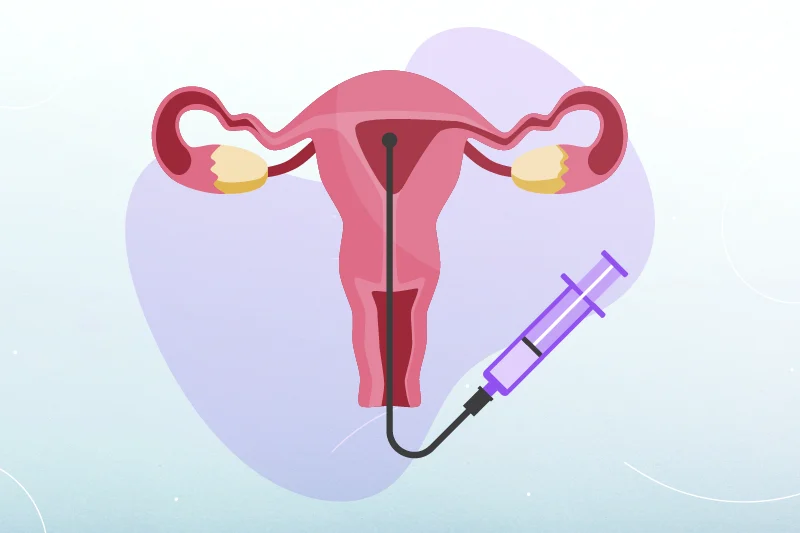
    Illustration of the uterus with a syringe, depicting the intrauterine insemination procedure.

    Natural Ways to Boost Fertility Without Injections

    6. Try Acupuncture

    Acupuncture is an ancient Chinese practice that involves the insertion of thin needles into specific points on the body to promote healing and balance. Studies have shown that acupuncture can help regulate hormones, improve blood flow to the reproductive organs, and reduce stress levels, all of which can improve fertility.

    7. Avoid Harmful Substances

    Exposure to harmful substances such as alcohol, tobacco, and recreational drugs can have a significant impact on fertility in both men and women. These substances can affect hormone levels, sperm quality, and egg production. It is essential to avoid these substances when trying to boost fertility naturally.

    8. Exercise Regularly

    Regular exercise not only helps maintain a healthy weight but also promotes overall health and well-being. It can also have a positive impact on fertility. However, it is crucial to find a balance, as excessive exercise can also affect fertility. Aim for 30 minutes of moderate exercise, such as walking or yoga, most days of the week.

    9. Consider Traditional Chinese Medicine

    Traditional Chinese Medicine (TCM) has been used for centuries to help treat infertility. TCM focuses on balancing the body’s energy, or Qi, to promote overall health and well-being. It involves a combination of herbal medicine, acupuncture, and lifestyle changes to help improve fertility.

    10. Have Regular Check-Ups

    Regular check-ups with a healthcare professional are essential for maintaining overall health and identifying any potential fertility issues. These check-ups can also help identify any underlying health conditions that may be affecting fertility and provide appropriate treatment.

    In conclusion, there are many natural ways to boost fertility without injections. Focusing on a nutrient-dense diet, reducing stress levels, and maintaining a healthy weight are some of the key factors in promoting fertility. Incorporating herbal supplements, acupuncture, and traditional Chinese medicine can also be beneficial. By making lifestyle changes and seeking guidance from healthcare professionals, couples can increase their chances of conceiving and ultimately achieve their dream of starting a family.

    Summary:

    Fertility is a natural and beautiful aspect of human life, but for some, it can be a challenging road. While injections and medical procedures may be effective, there are natural ways to boost fertility without potential risks and side effects. These include focusing on a nutrient-dense diet, considering herbal supplements, reducing stress levels, maintaining a healthy weight, getting enough sleep, trying acupuncture, avoiding harmful substances, exercising regularly, and seeking traditional Chinese medicine. Additionally, regular check-ups with a healthcare professional are crucial for maintaining overall health and identifying any potential fertility issues.