Blog Post:
Age and Fertility: Why More Young Women are Considering Preservation
In recent years, there has been a noticeable trend among young women to consider fertility preservation. This involves freezing eggs or embryos in order to use them at a later time when they may be ready to start a family. While the topic of fertility has always been important, it seems that more and more women are now prioritizing it at a younger age. In this blog post, we will explore the reasons behind this shift and why it is becoming a more popular option for women.
The Biological Clock and the Pressure to Have Kids
One of the main reasons for the increase in interest in fertility preservation among young women is the pressure to have children before a certain age. Women are often told that they have a biological clock and need to start a family before it is too late. This can create a sense of urgency and anxiety, especially for women who are not yet ready to have children but fear that they may not have the option in the future. This pressure is amplified by societal expectations and cultural norms that dictate when a woman should have children.
Changing Attitudes Towards Marriage and Motherhood
Another factor contributing to the increase in fertility preservation is the changing attitudes towards marriage and motherhood. In the past, it was more common for women to get married and start a family in their early 20s. However, with the rise of women in the workforce and the prioritization of education and career, many women are delaying marriage and motherhood until their 30s or even later. This shift has led to a smaller window of time for women to have children, hence the need for fertility preservation.
Advancements in Technology and Medicine
Advancements in technology and medicine have also played a significant role in the rise of fertility preservation. Freezing eggs or embryos was once considered experimental and not a reliable option for women. However, with the development of new techniques and improved success rates, fertility preservation has become a more viable option. This has given women the assurance that they can have children later in life, even if they are not ready at the present moment.
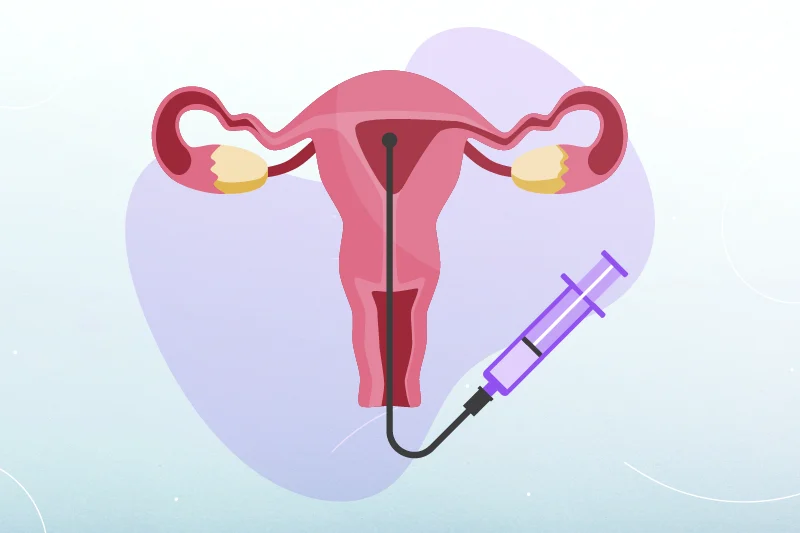
Age and Fertility: Why More Young Women are Considering Preservation
Medical Reasons for Considering Fertility Preservation
Apart from societal and cultural factors, there are also medical reasons why more young women are considering fertility preservation. Certain medical conditions or treatments, such as cancer, can affect a woman’s fertility and make it difficult for them to conceive in the future. Fertility preservation offers these women a chance to preserve their fertility before undergoing treatments that may affect their reproductive system. This has become a crucial option for many women who want to ensure that they have the possibility of having biological children in the future.
The Cost Factor
While the idea of fertility preservation may seem appealing, one of the biggest barriers for many women is the cost. Freezing eggs or embryos can be an expensive procedure, and not everyone has the financial means to do so. However, with the increasing demand for fertility preservation, some companies are now offering insurance coverage for the procedure or providing financial assistance. This has made it more accessible for women who want to consider this option but may not have the financial resources to do it on their own.
The Importance of Education and Awareness
It is essential for women to be informed about their fertility and the options available to them. With the rise of fertility preservation, there is a need for more education and awareness about the topic. Many women are not aware of the impact of age on fertility and the options they have to preserve it. By educating and empowering women, we can break the stigma surrounding fertility preservation and provide them with the necessary knowledge to make informed decisions about their reproductive health.
In conclusion, the increase in interest in fertility preservation among young women is a result of various societal, cultural, and medical factors. The pressure to have children before a certain age, changing attitudes towards marriage and motherhood, advancements in technology, and medical reasons have all contributed to the rise of fertility preservation. While cost may still be a barrier for some, education and awareness are crucial in ensuring that women have access to all the options available to them when it comes to their fertility.
Summary:
There has been a noticeable increase in interest in fertility preservation among young women in recent years. This is due to various factors, including societal pressure to have children before a certain age, changing attitudes towards marriage and motherhood, advancements in technology and medicine, and medical reasons. While cost may be a barrier for some, education and awareness are crucial in ensuring that women have access to all the options available to them when it comes to their fertility.