Tag: pregnancy

  • Maximizing Your Chances: Tips for Improving At-Home Insemination Success Rates

    Maximizing Your Chances: Tips for Improving At-Home Insemination Success Rates

    At-home insemination, also known as self-insemination, is becoming an increasingly popular choice for individuals and couples who are trying to conceive. It is a non-invasive and cost-effective alternative to traditional methods such as intrauterine insemination (IUI) or in vitro fertilization (IVF). However, like any fertility method, success rates can vary and it is important to take the necessary steps to maximize your chances of a successful at-home insemination. In this blog post, we will discuss some tips and strategies for improving at-home insemination success rates.

    1. Know Your Fertility Window

    The most crucial factor for successful at-home insemination is timing. Knowing your fertility window, or the most fertile days in your menstrual cycle, is key. Generally, the fertility window is around 5 days leading up to ovulation and the day of ovulation itself. This is when the egg is released from the ovary and is receptive to fertilization. There are various methods to track ovulation, including ovulation predictor kits, tracking basal body temperature, and monitoring cervical mucus. Knowing your fertility window will help you plan and schedule your insemination attempts accordingly.

    2. Use High-Quality Sperm

    The source of sperm for at-home insemination is a crucial factor that can greatly impact success rates. If you are using a sperm donor, ensure that the sperm is from a reputable and trustworthy source. You can also choose to use sperm from a known donor, such as a friend or family member. In this case, it is important to have the donor undergo a complete health screening and to use fresh sperm rather than frozen. Fresh sperm has a higher chance of survival and motility, which are crucial for successful fertilization.

    3. Prepare Your Body

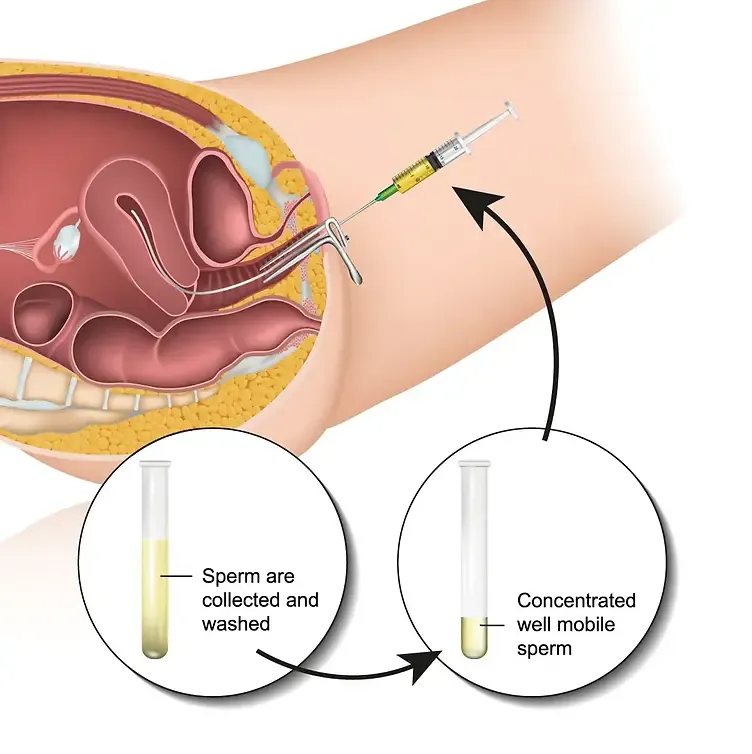
    illustration of a uterus with a syringe for intrauterine insemination (IUI) procedure

    Maximizing Your Chances: Tips for Improving At-Home Insemination Success Rates

    Before attempting at-home insemination, it is important to prepare your body for pregnancy. This includes maintaining a healthy diet, exercising regularly, and avoiding unhealthy habits such as smoking and excessive alcohol consumption. In addition, taking prenatal vitamins and supplements can also improve your fertility and chances of conception. It is also important to address any underlying health issues that may affect your fertility, such as polycystic ovary syndrome (PCOS) or endometriosis.

    4. Use the Right Tools and Techniques

    Having the right tools and using proper techniques can greatly improve your chances of success with at-home insemination. The most common method is the use of a needleless syringe or a cervical cap to insert the sperm into the vagina. It is important to follow the instructions carefully, and to ensure that the sperm is placed near the cervix for optimal chances of fertilization. Some couples also choose to use a soft cup or menstrual cup to hold the sperm near the cervix for a longer period of time.

    5. Consider Alternative Methods

    If you have been trying at-home insemination for a while without success, it may be worth considering alternative methods such as IUI or IVF. These methods have higher success rates but can be more expensive and invasive. It is important to consult with a fertility specialist to determine the best course of action for your individual situation.

    6. Manage Stress and Stay Positive

    Trying to conceive can be a stressful and emotionally draining process. It is important to manage stress and stay positive throughout the journey. Stress can negatively impact fertility, so finding healthy ways to cope, such as yoga, meditation, or talking to a therapist, can be beneficial. It is also important to stay positive and have realistic expectations. It may take multiple attempts to achieve a successful at-home insemination, so it is important to be patient and not get discouraged.

    In summary, at-home insemination can be a successful method for individuals and couples trying to conceive. By knowing your fertility window, using high-quality sperm, preparing your body, using the right tools and techniques, considering alternative methods, and managing stress, you can greatly improve your chances of success. It is also important to remember that every person’s fertility journey is unique, and what works for one may not work for another. It is important to consult with a fertility specialist for personalized advice and guidance.
  • At-Home Insemination Success Rates: What the Research Says

    Blog Post Title: At-Home Insemination Success Rates: What the Research Says

    At-home insemination, also known as self-insemination or self-injection, is a method of assisted reproduction where a person or couple performs the insemination process themselves at home. This method has gained popularity in recent years as a more affordable and private alternative to traditional fertility treatments. However, there is often confusion and skepticism surrounding the success rates of at-home insemination. In this blog post, we will dive into the research and statistics to determine the success rates of at-home insemination and what factors may contribute to its effectiveness.

    Understanding At-Home Insemination

    At-home insemination involves the use of donor sperm, either from a sperm bank or a known donor, to fertilize an individual’s or couple’s eggs. The process typically involves the use of an insemination kit, which includes a syringe, catheter, and instructions for the procedure. The sperm is usually placed into the vagina or cervix, depending on which method the individual or couple feels most comfortable with.

    Some people may choose at-home insemination because they have fertility issues, while others may use it as an alternative to traditional methods due to personal preferences or beliefs. At-home insemination can be done with a partner or alone, and it can be performed during ovulation or with the use of fertility medications to stimulate ovulation.

    Success Rates of At-Home Insemination

    One of the biggest questions surrounding at-home insemination is its success rates. While there is limited research on this topic, the studies that have been conducted show promising results. A study published in the Journal of Reproductive Medicine found that at-home insemination had a success rate of 78.7% for women under 35 years old and 50.8% for women over 35 years old.

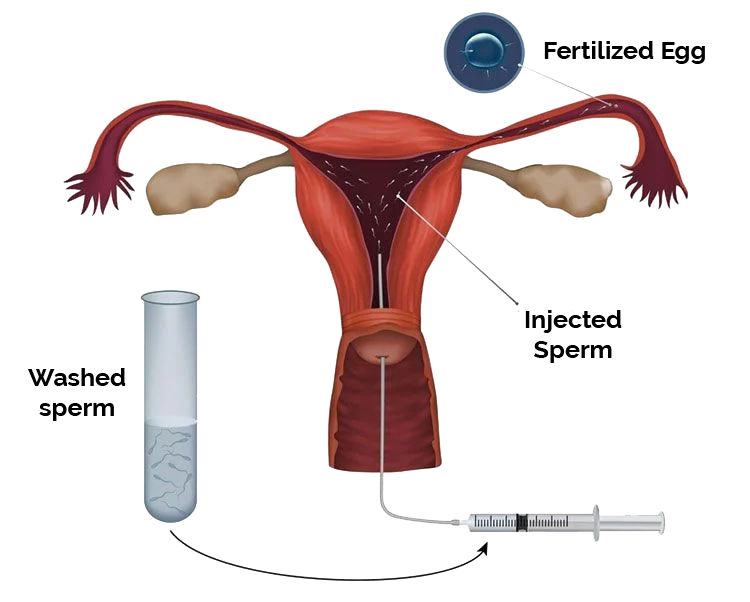
    Another study published in Fertility and Sterility found that the pregnancy rate for couples using at-home insemination was 22.2% per cycle, which is comparable to the success rates of intrauterine insemination (IUI), a fertility treatment that involves placing sperm directly into the uterus. This study also showed that the success rates increased when at-home insemination was combined with fertility medications.

    Factors That Can Affect Success Rates

    While the success rates of at-home insemination are encouraging, it is important to note that there are certain factors that can affect its effectiveness. These factors include:

    1. Timing and Frequency: Timing is crucial in at-home insemination as it needs to be done during ovulation to increase the chances of fertilization. Additionally, performing the procedure too frequently can decrease sperm count and motility, reducing the chances of pregnancy.

    2. Sperm Quality: The quality of the sperm used for at-home insemination plays a significant role in its success. Sperm that is fresh, healthy, and has high motility has a better chance of fertilizing an egg.

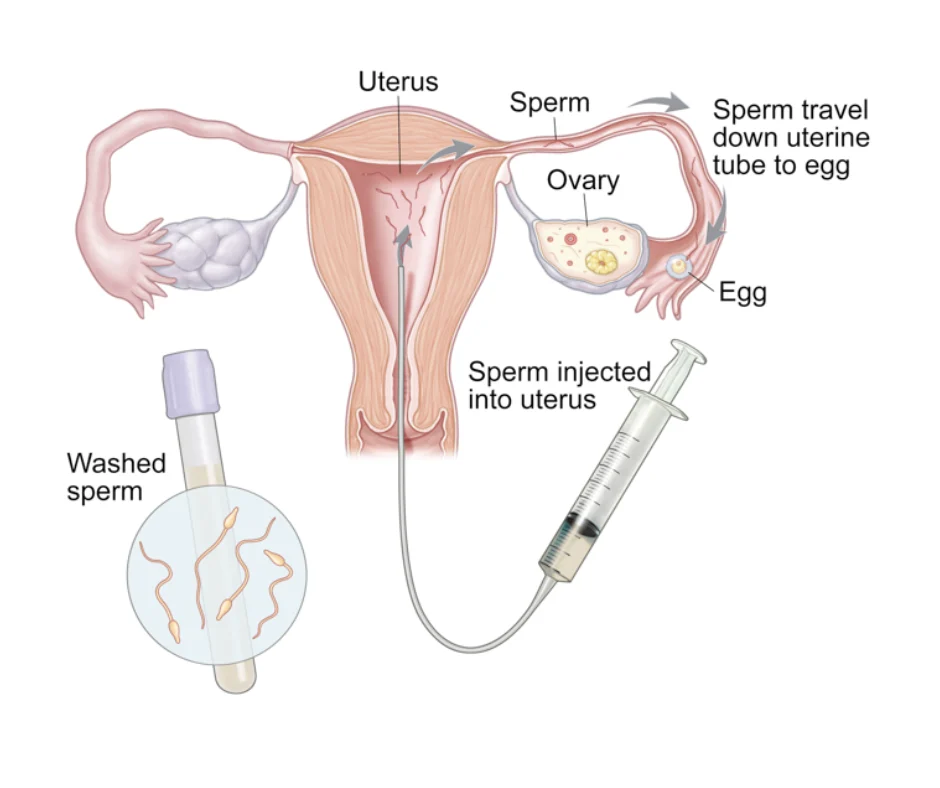
    diagram of the female reproductive system with an IUI syringe and test tube for artificial insemination

    At-Home Insemination Success Rates: What the Research Says

    3. Age: As with any fertility treatment, age can impact the success rates of at-home insemination. Women over 35 may have a lower success rate due to decreased egg quality and quantity.

    4. Fertility Medications: As mentioned earlier, combining at-home insemination with fertility medications can increase the chances of pregnancy. These medications can help stimulate ovulation and improve the quality of the eggs, making them more receptive to fertilization.

    5. Underlying Fertility Issues: At-home insemination may not be effective for individuals or couples who have underlying fertility issues such as blocked fallopian tubes or low sperm count. It is always recommended to consult a fertility specialist before trying at-home insemination to ensure it is a suitable option.

    Tips for Improving At-Home Insemination Success Rates

    While at-home insemination can be a successful method of assisted reproduction, there are some tips that can help increase its effectiveness:

    1. Monitor Ovulation: Keeping track of ovulation using methods such as ovulation predictor kits or tracking basal body temperature can help ensure that at-home insemination is done at the right time.

    2. Use Fresh Sperm: If using a known donor, it is essential to use fresh sperm for at-home insemination. Frozen sperm may not survive as well during the thawing process, reducing its effectiveness.

    3. Consider Fertility Medications: As mentioned earlier, combining at-home insemination with fertility medications can improve success rates. Consult a fertility specialist to determine which medications may be suitable for you.

    4. Practice Good Hygiene: It is crucial to follow proper hygiene practices during at-home insemination to avoid introducing any bacteria into the reproductive system. This includes properly washing hands and sterilizing all equipment.

    5. Seek Professional Help: If at-home insemination is not successful after a few attempts, it may be time to seek professional help. A fertility specialist can conduct tests to determine any underlying issues and provide guidance on alternative methods.

    In conclusion, the research on at-home insemination shows promising success rates, but it is not a guaranteed method of achieving pregnancy. Factors such as timing, sperm quality, age, and underlying fertility issues can all impact its effectiveness. However, with proper preparation, monitoring, and possibly the use of fertility medications, at-home insemination can be a successful option for individuals or couples trying to conceive.

    SEO Metadata:

  • Dispelling the Myths: Debunking At-Home Insemination Success Rates

    Summary:

    At-home insemination has become a popular option for couples and individuals looking to start a family. However, there are many myths and misconceptions surrounding the success rates of at-home insemination. In this blog post, we will debunk these myths and provide a comprehensive understanding of the real success rates of at-home insemination.

    First, let’s define at-home insemination. At-home insemination, also known as self-insemination, is the process of using a donor’s sperm to fertilize the egg at home, without the assistance of a medical professional. This can be done through various methods such as using a syringe or a cervical cap.

    Myth #1: At-Home Insemination is Ineffective

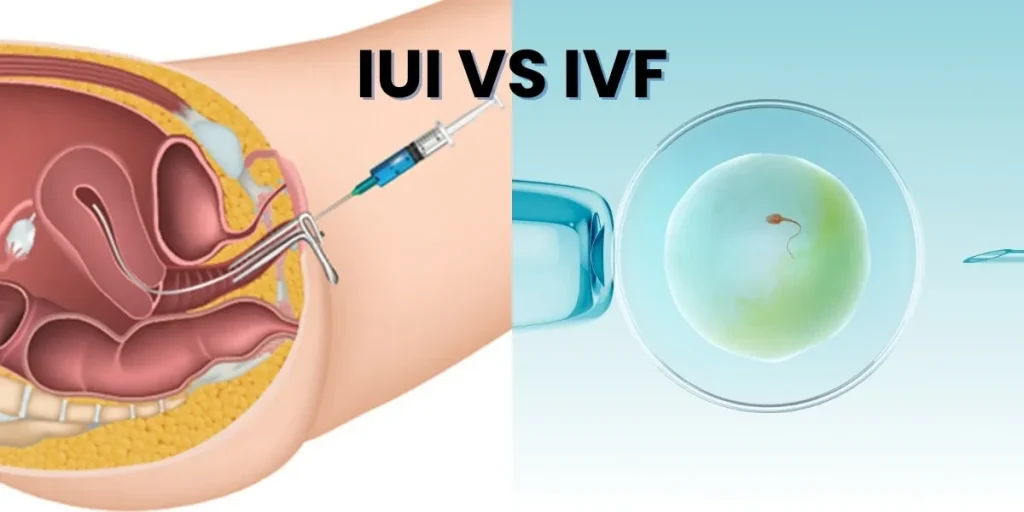
    One of the biggest myths surrounding at-home insemination is that it is not an effective method of conceiving. This is simply not true. In fact, studies have shown that at-home insemination has a success rate of 10-15%, which is comparable to the success rates of other fertility treatments such as intrauterine insemination (IUI). The key to success with at-home insemination is timing and proper technique.

    Myth #2: Only Heterosexual Couples Can Use At-Home Insemination

    Another common myth is that at-home insemination is only suitable for heterosexual couples. This is not the case at all. At-home insemination can be used by anyone, regardless of sexual orientation or gender identity. Same-sex couples, single individuals, and even heterosexual couples with fertility issues can all benefit from at-home insemination.

    Myth #3: At-Home Insemination is a Risky Method

    Some people believe that at-home insemination is a risky method because it is not performed by a medical professional. However, when done correctly, at-home insemination is a safe and effective option. It is important to use sterile equipment and follow proper hygiene practices to minimize the risk of infection. It is also recommended to use sperm from a known donor or a reputable sperm bank to ensure the quality and safety of the sperm.

    Myth #4: It is Easy to Get Pregnant with At-Home Insemination

    comparison of IUI and IVF fertility treatments with illustrations of procedures and a petri dish with an egg and sperm

    Dispelling the Myths: Debunking At-Home Insemination Success Rates

    While at-home insemination can be a successful method, it is not a guarantee for pregnancy. Just like any other fertility treatment, there are various factors that can affect the success rate, such as the quality of the sperm, timing, and the fertility of the individual attempting insemination. It may take multiple attempts before achieving a successful pregnancy.

    Myth #5: At-Home Insemination is a Cheaper Option

    Many people believe that at-home insemination is a cheaper alternative to other fertility treatments. While it may be less expensive than in vitro fertilization (IVF), the costs can add up over time. The cost of sperm from a reputable sperm bank can range from hundreds to thousands of dollars, and there may be additional expenses for fertility tracking tools and other supplies. It is important to consider all costs when considering at-home insemination as a fertility option.

    Factors That Affect the Success Rate of At-Home Insemination

    Now that we have debunked some of the common myths surrounding at-home insemination, let’s discuss the factors that can affect its success rate.

    Timing: Timing is crucial when it comes to at-home insemination. Sperm can survive in the body for up to five days, so it is important to track ovulation and inseminate during the most fertile window.

    Quality of Sperm: The quality of sperm used in at-home insemination can greatly impact its success rate. Using sperm from a reputable sperm bank or a known donor with good fertility can increase the chances of pregnancy.

    Fertility of the Individual: The fertility of the individual attempting insemination also plays a significant role. Those with known fertility issues may have a lower chance of success with at-home insemination.

    Proper Technique: As with any medical procedure, proper technique is crucial for success. It is important to follow instructions carefully and use sterile equipment to avoid any complications.

    In conclusion, at-home insemination is a safe and effective option for those looking to start a family. While it may not be a guarantee for pregnancy, it has a success rate comparable to other fertility treatments. It is important to dispel the myths and misconceptions surrounding at-home insemination and understand the factors that can affect its success rate. With proper timing, quality sperm, and technique, at-home insemination can be a successful and affordable option for couples and individuals on their journey to parenthood.

  • Making Sense of the Statistics: Understanding At-Home Insemination Success Rates

    Blog Post:

    At-home insemination is an increasingly popular method for individuals and couples looking to start a family. With advancements in technology and accessibility, more people are turning to this method as an alternative to traditional medical procedures. However, when it comes to understanding success rates for at-home insemination, there can be a lot of confusion and misinformation. In this blog post, we will break down the statistics and provide you with a comprehensive guide to understanding at-home insemination success rates.

    What is At-Home Insemination?

    At-home insemination, also known as artificial insemination, is the process of placing sperm into a woman’s reproductive tract in order to achieve pregnancy. This can be done through various methods such as using a syringe, cervical cap, or a menstrual cup. At-home insemination is often chosen by individuals or couples who are unable to conceive through traditional methods, or those who are looking for a more affordable and private option.

    Understanding Success Rates

    When it comes to at-home insemination, success rates can vary greatly depending on various factors such as age, health, and fertility status. It is important to note that at-home insemination does not have the same success rates as medical procedures such as intrauterine insemination (IUI) or in vitro fertilization (IVF). However, with proper preparation and guidance, at-home insemination can still be a successful option.

    The success rates for at-home insemination are often measured by the pregnancy rate per cycle. According to a study published in the Journal of Obstetrics and Gynaecology Canada, the pregnancy rate per cycle for at-home insemination is approximately 10-15% for fertile couples and 5-10% for couples with known fertility issues. It is also important to note that the success rates can also be affected by the method chosen for at-home insemination. For example, using a syringe has been shown to have a higher success rate compared to using a cervical cap or a menstrual cup.

    Factors Affecting Success Rates

    As mentioned earlier, there are several factors that can affect the success rates of at-home insemination. These factors include:

    1. Age: Age plays a significant role in fertility and can greatly affect at-home insemination success rates. As women age, their fertility declines, making it more difficult to conceive. This is why it is important to start at-home insemination at a younger age for higher success rates.

    2. Health: Individuals with underlying health conditions such as hormonal imbalances or polycystic ovary syndrome (PCOS) may have a lower success rate with at-home insemination. It is important to address any health issues before attempting at-home insemination to increase the chances of success.

    3. Sperm Quality: The quality of sperm used for at-home insemination can also greatly impact success rates. Sperm that is healthy and has good motility has a higher chance of fertilizing an egg compared to poor quality sperm.

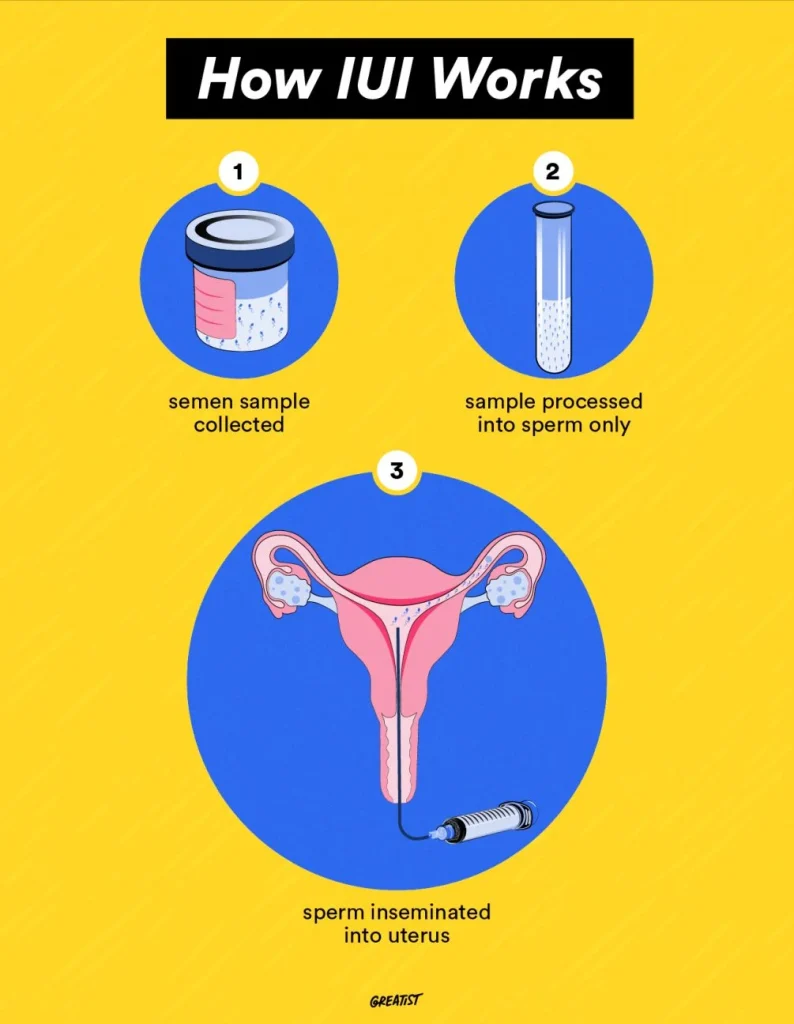
    illustration explaining the steps of intrauterine insemination (IUI) process on a bright yellow background

    Making Sense of the Statistics: Understanding At-Home Insemination Success Rates

    4. Timing: Timing is crucial when it comes to at-home insemination. The sperm needs to be placed in the reproductive tract at the right time in order to increase the chances of fertilization. This is why it is important to track ovulation and plan insemination accordingly.

    Tips for Increasing Success Rates

    While at-home insemination may not have the same success rates as medical procedures, there are steps that can be taken to increase the chances of success. These include:

    1. Consultation with a Fertility Specialist: Before starting at-home insemination, it is important to consult with a fertility specialist. They can assess your individual situation and provide personalized recommendations for the best chance of success.

    2. Use Fertility Friendly Products: When using a syringe, cervical cap, or menstrual cup for at-home insemination, it is important to use products that are specifically designed for this purpose. These products are often made with medical-grade materials and are designed to optimize the chances of success.

    3. Consider Donor Sperm: For individuals or couples using donor sperm for at-home insemination, it is important to choose a reputable sperm bank and opt for higher quality sperm. This can greatly increase the success rates of at-home insemination.

    4. Track Ovulation: As mentioned earlier, timing is crucial in at-home insemination. Tracking ovulation through methods such as ovulation predictor kits or basal body temperature charting can greatly increase the chances of success.

    5. Maintain a Healthy Lifestyle: A healthy lifestyle can greatly impact fertility and increase the chances of success with at-home insemination. This includes maintaining a balanced diet, exercising regularly, and avoiding harmful substances such as tobacco and excessive alcohol.

    In Conclusion

    At-home insemination can be a successful option for individuals and couples looking to start a family. However, it is important to understand the statistics and factors that can affect success rates. By following the tips and recommendations provided in this blog post, you can increase your chances of success with at-home insemination. Consultation with a fertility specialist and using fertility-friendly products are key steps in achieving a successful outcome.

    Summary:

    At-home insemination is a popular method for individuals and couples looking to start a family. However, understanding success rates can be confusing. This blog post breaks down the statistics and factors that can affect success rates for at-home insemination. It also provides tips for increasing success rates, such as consulting with a fertility specialist, using fertility-friendly products, and maintaining a healthy lifestyle. By following these recommendations, individuals can increase their chances of success with at-home insemination.

  • Fertility Medications vs Supplements: A Personal Story of Success

    Fertility Medications vs Supplements: A Personal Story of Success

    When my husband and I decided to start a family, we never imagined that we would struggle with infertility. We were both young, healthy, and had no family history of fertility issues. However, after months of trying and multiple negative pregnancy tests, we realized that we needed to seek help. We consulted with a fertility specialist who recommended a combination of fertility medications and supplements. Little did we know, this would be the beginning of our journey towards parenthood.

    Fertility medications, also known as fertility drugs, are prescribed by doctors to help stimulate ovulation and increase the chances of pregnancy. These medications can be taken orally, injected, or inserted vaginally, and are often used in combination with other fertility treatments, such as intrauterine insemination (IUI) or in vitro fertilization (IVF). Supplements, on the other hand, are natural or herbal remedies that are believed to enhance fertility and improve overall reproductive health. They can include vitamins, minerals, herbs, and other nutrients that are not typically found in a regular diet.

    At first, my husband and I were hesitant about taking any medications or supplements. We had always been advocates of natural and holistic medicine, and the idea of putting synthetic drugs into our bodies seemed daunting. However, after doing our own research and discussing it with our doctor, we decided to give it a try. Our doctor assured us that the combination of fertility medications and supplements would give us the best chances of conceiving, and we trusted his expertise.

    We started with a low dosage of Clomid, one of the most commonly prescribed fertility medications. Clomid works by stimulating the release of hormones that are needed for ovulation. I also began taking a daily prenatal supplement, which contained folic acid, iron, and other essential vitamins and minerals for pregnancy. We were both nervous about the potential side effects of the medication, but to our surprise, I had no major side effects from Clomid. I did, however, experience some mild bloating and mood swings, which were manageable.

    Illustration of the IUI process, showing a syringe and catheter in the reproductive system.

    Fertility Medications vs Supplements: A Personal Story of Success

    After several cycles of Clomid with no success, our doctor recommended adding a supplement called maca root to my daily regimen. Maca root is a Peruvian herb that is believed to improve hormone balance, increase libido, and boost fertility. I was skeptical at first, but after doing some research and reading success stories from other women, I decided to give it a try. To our amazement, in the following cycle, I ovulated and became pregnant. While we can’t say for sure if it was the Clomid, the supplement, or a combination of both, we were overjoyed with the outcome.

    Our pregnancy was relatively smooth, and we welcomed a healthy baby girl into our lives. However, when we decided to try for a second child, we were once again faced with infertility. This time, we were open to trying more supplements and alternative treatments before turning to fertility medications. We did acupuncture, took herbal supplements, and changed our diet to include more fertility-boosting foods. After six months of trying, we finally conceived naturally. While we can’t say for sure which method worked, we believe that the combination of supplements and holistic treatments played a significant role in our success.

    Our journey towards parenthood has taught us that there is no one-size-fits-all approach to fertility. Every couple’s situation is unique, and what works for one person may not work for another. However, we have learned that a combination of both conventional fertility medications and natural supplements can provide the best chances of success.

    In conclusion, fertility medications and supplements can both play a vital role in helping couples achieve their dream of parenthood. While fertility medications may have more scientific evidence and success rates, supplements offer a more holistic and natural approach. It is essential to consult with a doctor and do your own research before starting any fertility treatment, as every person’s body and situation is different. It is also crucial to remember that there is no shame in seeking help and exploring all possible options. With patience, perseverance, and the right combination of treatments, success is possible.

    Summary:
    Infertility can be a daunting and emotional journey for couples trying to conceive. In this blog post, the author shares their personal experience with fertility medications and supplements. While initially hesitant about conventional medications and opting for a holistic approach, the combination of both ultimately led to a successful pregnancy. The author emphasizes the importance of consulting with a doctor and doing proper research before starting any fertility treatment. They also stress that every couple’s journey is unique and there is no one-size-fits-all solution. In the end, with patience and a combination of treatments, success is possible for couples struggling with infertility.

  • The Importance of Quality and Purity in Fertility Supplements

    Blog Post: The Importance of Quality and Purity in Fertility Supplements

    For couples struggling to conceive, fertility supplements can often be a helpful tool in their journey towards parenthood. These supplements are designed to provide essential vitamins, minerals, and nutrients that may be lacking in a person’s diet and can help improve fertility by supporting reproductive health. However, not all fertility supplements are created equal. In fact, the quality and purity of these supplements can greatly impact their effectiveness in improving fertility. In this blog post, we will explore the importance of quality and purity in fertility supplements and why it should be a top consideration for anyone looking to add these supplements to their fertility journey.

    Quality Matters: The Link Between Quality and Effectiveness

    When it comes to fertility supplements, quality matters. The effectiveness of a supplement is directly linked to its quality and the ingredients used. Poor quality supplements may contain inferior ingredients, fillers, and additives that can hinder the absorption and utilization of essential nutrients. This means that even if a supplement claims to contain certain vitamins and minerals, if they are of low quality, they may not actually provide the desired benefits. This is especially important in fertility supplements as the right balance of nutrients is crucial for reproductive health and hormone balance. Poor quality supplements may not provide the necessary nutrients in the appropriate amounts, making them ineffective in supporting fertility.

    On the other hand, high-quality supplements are made from premium ingredients that are carefully selected and tested for purity and potency. These supplements are often backed by scientific research and are made in certified facilities that follow strict quality control measures. This ensures that the supplement is of the highest quality and contains the necessary nutrients in their optimal forms and dosages. By choosing high-quality fertility supplements, individuals can have peace of mind knowing that they are providing their bodies with the best possible support for their reproductive health.

    The Dangers of Impurities in Fertility Supplements

    Purity is another crucial factor to consider when it comes to fertility supplements. Impurities in supplements can come in various forms, such as contaminants, toxins, or hidden ingredients. These impurities can pose serious health risks and can even hinder fertility instead of improving it. For example, some supplements may contain heavy metals like lead and mercury, which can have harmful effects on the reproductive system and overall health. Hidden ingredients, such as prescription drugs, can also be dangerous for individuals, especially if they are not aware of them or have allergies to these substances.

    diagram illustrating intrauterine insemination process, showing sperm injection into the uterus and egg fertilization pathway

    The Importance of Quality and Purity in Fertility Supplements

    Moreover, impurities can also affect the potency and effectiveness of a supplement. For instance, if a supplement contains lower levels of nutrients than what is stated on the label due to impurities, it may not provide the desired benefits. This is why it is crucial to choose fertility supplements from reputable and trustworthy brands that prioritize purity and regularly test their products for impurities. This not only ensures the safety of the supplement but also guarantees its effectiveness in supporting fertility.

    The Impact of Quality and Purity on Overall Health

    Aside from the direct impact on fertility, the quality and purity of supplements can also affect overall health. Poor quality and impure supplements can have adverse effects on the body, leading to various health issues. For instance, supplements with high levels of impurities can cause digestive problems, headaches, and fatigue. Furthermore, if a supplement contains hidden ingredients, it can interact with medications and cause harmful side effects. This is especially important for individuals who are already undergoing fertility treatments and are taking medications. Poor quality and impure supplements can interfere with these medications and potentially harm the individual’s health.

    On the other hand, high-quality and pure supplements can have positive effects on overall health. By providing the body with essential nutrients, these supplements can support a healthy immune system, improve energy levels, and promote overall well-being. This is crucial for individuals trying to conceive as a healthy body is better equipped to support a pregnancy. Therefore, choosing quality and pure fertility supplements not only supports fertility but also contributes to overall health and well-being.

    In Conclusion

    In conclusion, the quality and purity of fertility supplements are of utmost importance. These factors can greatly impact the effectiveness of the supplement in supporting fertility, as well as overall health. When choosing fertility supplements, it is crucial to prioritize quality and purity by opting for supplements from reputable brands that use high-quality ingredients and regularly test for impurities. By doing so, individuals can ensure that they are providing their bodies with the best possible support for their fertility journey.

    Summary: Fertility supplements can be a helpful tool for couples struggling to conceive, but not all supplements are created equal. The quality and purity of these supplements can greatly impact their effectiveness in improving fertility. Poor quality and impure supplements may not provide the necessary nutrients and can even pose health risks. On the other hand, high-quality and pure supplements can have positive effects on fertility and overall health. Therefore, it is crucial to prioritize quality and purity when choosing fertility supplements.

  • The Surprising Benefits of Fertility Medications: Beyond Just Conceiving

    Blog Post:

    When it comes to fertility, many people immediately think of conceiving a baby. However, fertility medications have a wide range of benefits beyond just helping couples get pregnant. In fact, these medications can have surprising benefits for both men and women, regardless of their fertility goals. From improving overall health to treating specific medical conditions, fertility medications offer a range of benefits that are often overlooked. In this blog post, we will explore the surprising benefits of fertility medications and how they can positively impact your life.

    1. Regulating Hormone Levels

    One of the main functions of fertility medications is to regulate hormone levels. This can be beneficial for both men and women, as hormone imbalances can lead to a variety of health issues. For women, fertility medications can help regulate the menstrual cycle and improve ovulation. This can be especially helpful for women with irregular periods or those who have been diagnosed with polycystic ovary syndrome (PCOS). For men, fertility medications can help regulate testosterone levels, which can improve sperm production and quality.

    2. Boosting Fertility

    Of course, one of the most well-known benefits of fertility medications is their ability to boost fertility. For couples struggling to conceive, these medications can be a game-changer. By regulating hormone levels and stimulating ovulation, fertility medications can greatly increase the chances of getting pregnant. They can also be used in conjunction with other fertility treatments, such as intrauterine insemination (IUI) or in vitro fertilization (IVF), to further improve success rates.

    3. Improving Egg and Sperm Quality

    In addition to boosting fertility, fertility medications can also improve the quality of eggs and sperm. For women, these medications can help produce healthier and more mature eggs, which can greatly increase the chances of a successful pregnancy. For men, fertility medications can improve sperm count, motility, and morphology, all of which are important factors in fertility. By improving the quality of both eggs and sperm, fertility medications can greatly improve the chances of a successful pregnancy.

    4. Treating Medical Conditions

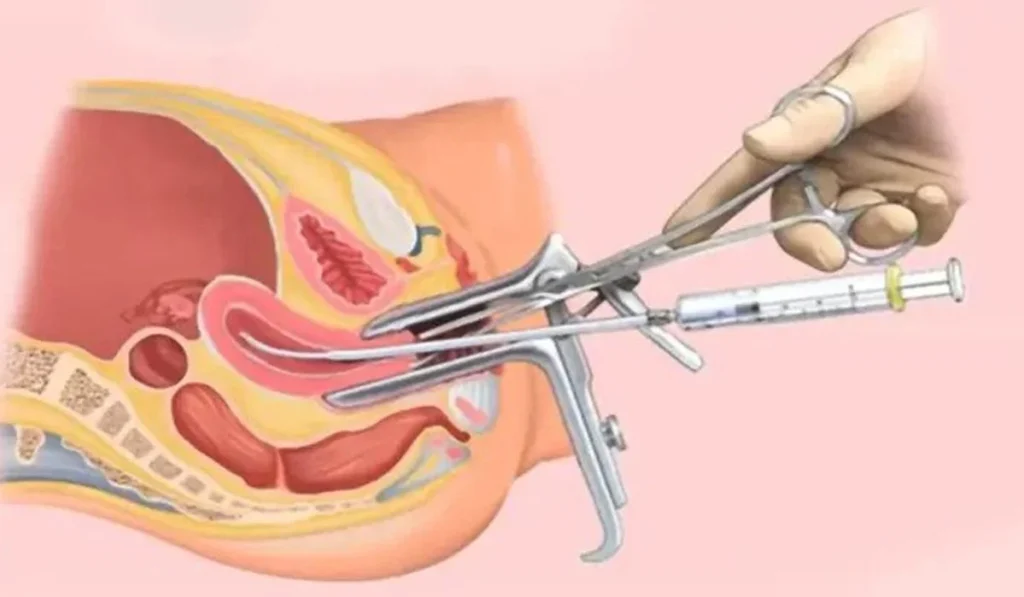
    illustration of an intrauterine insemination procedure with medical instruments and anatomical details

    The Surprising Benefits of Fertility Medications: Beyond Just Conceiving

    Fertility medications are not just limited to helping couples conceive. They can also be used to treat a variety of medical conditions, both in men and women. For example, women with endometriosis, a condition where the tissue that lines the uterus grows outside of it, can benefit from fertility medications. These medications can help reduce the size of endometrial tissue and alleviate painful symptoms. Fertility medications can also be used to treat conditions such as uterine fibroids, which can affect a woman’s ability to conceive.

    5. Improving Overall Health

    As mentioned earlier, fertility medications can regulate hormone levels and improve overall health. This can have a positive impact on a person’s well-being, both physically and mentally. For women, regulating hormone levels can help reduce symptoms of PMS, such as mood swings and cramps. It can also help improve bone health and reduce the risk of osteoporosis. For men, fertility medications can help improve muscle mass, bone density, and overall energy levels.

    6. Preserving Fertility

    Fertility medications can also be used to preserve fertility in men and women who are facing certain medical treatments, such as chemotherapy or radiation. These treatments can have a negative impact on fertility, and fertility medications can help protect and preserve eggs and sperm. This is especially important for cancer patients who may want to start a family in the future.

    7. Reducing the Risk of Multiple Births

    One of the concerns with fertility treatments is the risk of multiple births, which can lead to complications for both the mother and babies. However, fertility medications can actually help reduce this risk. By carefully monitoring hormone levels and adjusting dosages, doctors can lower the chances of multiple pregnancies.

    In summary, fertility medications offer a wide range of benefits beyond just helping couples conceive. From regulating hormone levels to treating medical conditions and improving overall health, these medications can have a positive impact on both men and women. Whether you are trying to conceive or simply looking to improve your overall health, fertility medications can be a valuable tool in achieving your goals.

    SEO Metadata:

  • Unlocking the Power of Fertility Supplements: Key Ingredients to Look For

    Blog Post:

    Fertility struggles can be emotionally and physically exhausting for couples trying to conceive. While there are many factors that can affect fertility, such as age, genetics, and underlying medical conditions, incorporating fertility supplements into your diet can help increase your chances of conception. These supplements are specifically designed to support reproductive health and optimize fertility in both men and women. In this blog post, we will dive into the key ingredients to look for in fertility supplements and how they can unlock the power of fertility.

    1. Folic Acid

    Folic acid, also known as folate, is a B vitamin that is crucial for reproductive health. It is especially important for women who are trying to conceive as it helps prevent neural tube defects in the developing baby. Folic acid also plays a key role in sperm production and quality in men. Studies have shown that men with low levels of folic acid may have a higher risk of abnormal sperm production. Therefore, including folic acid in your fertility supplement can help increase the chances of a successful pregnancy.

    2. Coenzyme Q10

    Coenzyme Q10, or CoQ10, is a powerful antioxidant that helps protect cells from damage and supports energy production. In terms of fertility, CoQ10 is essential for egg health and sperm quality. As women age, their egg quality and quantity decline, which can make it more challenging to conceive. CoQ10 helps improve egg quality and increase the chances of successful fertilization. For men, CoQ10 can improve sperm motility and protect sperm from oxidative damage, ultimately increasing their fertility potential.

    3. L-Arginine

    L-Arginine is an amino acid that plays a crucial role in reproductive health. It helps increase blood flow to the reproductive organs, promoting optimal function. For women, L-Arginine can improve the thickness of the uterine lining, making it a more hospitable environment for a fertilized egg to implant. In men, L-Arginine has been shown to improve sperm count, motility, and morphology. Including this ingredient in your fertility supplement can help boost your chances of conception.

    success rate of IUI in India with a graphic of a uterus and syringe alongside a rising graph

    Unlocking the Power of Fertility Supplements: Key Ingredients to Look For

    4. Vitamins D and E

    Vitamin D and E are essential for overall health, but they are also crucial for fertility. Vitamin D helps regulate hormone levels and improve egg quality in women. In men, vitamin D deficiency has been linked to low sperm count and poor sperm motility. Vitamin E is a powerful antioxidant that protects sperm from oxidative damage and helps maintain the integrity of sperm DNA. Including both of these vitamins in your fertility supplement can help optimize reproductive health for both men and women.

    5. Zinc

    Zinc is an essential mineral that is involved in many processes in the body, including reproductive health. It plays a vital role in hormone production and helps regulate the menstrual cycle in women. In men, zinc is necessary for sperm development and motility. Studies have shown that zinc deficiency can lead to lower sperm count and quality. Therefore, including zinc in your fertility supplement can be beneficial for both men and women trying to conceive.

    6. Maca Root

    Maca root is a traditional herb that has been used for centuries for its fertility-boosting properties. It is rich in antioxidants and essential nutrients that support reproductive health. Maca root is believed to help balance hormones, increase libido, and improve sperm production. It has also been shown to improve menstrual cycle regularity and ovulation in women. Adding maca root to your fertility supplement can help increase your chances of conception.

    7. Omega-3 Fatty Acids

    Omega-3 fatty acids, specifically docosahexaenoic acid (DHA) and eicosapentaenoic acid (EPA), are crucial for reproductive health. These healthy fats help regulate hormone levels, improve egg quality, and promote a healthy uterine lining in women. In men, omega-3 fatty acids are necessary for sperm production and quality. Including this ingredient in your fertility supplement can help balance hormones and improve overall reproductive health.

    In summary, fertility supplements can be a valuable tool for couples trying to conceive. They can help optimize reproductive health and increase the chances of a successful pregnancy. When looking for a fertility supplement, be sure to check for these key ingredients: folic acid, CoQ10, L-Arginine, vitamins D and E, zinc, maca root, and omega-3 fatty acids. Incorporating these ingredients into your supplement can help unlock the power of fertility and bring you one step closer to your dream of starting a family.

  • Fertility Medications and Supplements: Understanding the Different Types

    Blog Post:

    Fertility issues can be a difficult and emotional journey for many individuals and couples. Fortunately, with advancements in medicine and technology, there are now various fertility medications and supplements available to help increase chances of conception. However, with so many options out there, it can be overwhelming and confusing to understand the different types and their purposes. In this blog post, we will dive into the world of fertility medications and supplements, and provide a comprehensive guide to help you understand the different types and how they can aid in your fertility journey.

    Types of Fertility Medications:

    1. Clomiphene citrate (Clomid):
    This is one of the most commonly prescribed fertility medications and is used to treat ovulation problems in women. It works by stimulating the release of hormones that are needed for ovulation to occur. Clomid is usually taken orally and has been proven to be effective in increasing the chances of ovulation and pregnancy.

    2. Gonadotropins:
    Gonadotropins are injectable fertility medications that contain follicle-stimulating hormone (FSH) and luteinizing hormone (LH). These hormones help stimulate the ovaries to produce multiple eggs, increasing chances of conception. Gonadotropins can be used in combination with other medications to enhance their effectiveness.

    3. Human menopausal gonadotropin (hMG):
    Similar to gonadotropins, hMG also contains FSH and LH, but it is derived from the urine of postmenopausal women. It is used to stimulate the ovaries and increase the number of eggs produced.

    4. Human chorionic gonadotropin (hCG):
    hCG is a hormone produced naturally during pregnancy and is used as a fertility medication to trigger ovulation. It is usually given as an injection and is timed to coincide with the release of mature eggs.

    5. Aromatase inhibitors:
    These medications are primarily used to treat breast cancer, but they can also be used off-label for fertility purposes. Aromatase inhibitors work by blocking the production of estrogen, which can help stimulate ovulation.

    Types of Fertility Supplements:

    doctor discussing treatment with a patient in a medical office, featuring an ultrasound machine in the background

    Fertility Medications and Supplements: Understanding the Different Types

    1. Coenzyme Q10 (CoQ10):
    CoQ10 is a powerful antioxidant that plays a crucial role in energy production and cell growth. Studies have shown that CoQ10 can improve egg quality and increase chances of conception, especially for women over the age of 35.

    2. Vitamin D:
    Vitamin D has been linked to fertility and is essential for the production of hormones that regulate ovulation. Low levels of vitamin D have been associated with infertility and miscarriages, making it an important supplement to consider for those trying to conceive.

    3. Omega-3 fatty acids:
    Omega-3 fatty acids are essential for reproductive health and have been shown to improve ovulation and increase sperm quality. These healthy fats can be found in foods such as salmon, chia seeds, and walnuts, but can also be taken as a supplement.

    4. Folate:
    Folate, also known as folic acid, is crucial for the development of a healthy embryo. It is recommended for women to start taking folic acid supplements at least one month before trying to conceive and during the first 12 weeks of pregnancy.

    5. Myo-inositol:
    Myo-inositol is a type of sugar that has been found to improve ovulation and egg quality in women with polycystic ovary syndrome (PCOS). It works by helping the body use insulin more effectively, which can regulate hormone levels and improve fertility.

    Benefits and Risks of Fertility Medications and Supplements:

    The primary benefit of fertility medications and supplements is, of course, increasing the chances of conception. However, they also come with their own set of risks and side effects. Some common side effects of fertility medications include hot flashes, headaches, mood swings, and bloating. In rare cases, they may also increase the risk of ovarian hyperstimulation syndrome (OHSS). It is essential to discuss the potential risks and benefits with your doctor before starting any fertility medication or supplement.

    Summary:

    Fertility medications and supplements can be an effective tool in aiding conception for those struggling with fertility issues. From clomiphene citrate to omega-3 fatty acids, there are various types of medications and supplements available to help increase chances of pregnancy. However, it is crucial to understand the different types and their purposes, as well as the potential risks and benefits. Always consult with your doctor before starting any fertility treatment.

  • Fertility Medications vs Supplements: Personal Experiences and Results

    Blog Post Title: Fertility Medications vs Supplements: Personal Experiences and Results

    Introduction:

    Fertility is a topic that affects millions of people around the world. For those who are struggling to conceive, there are various options available, including fertility medications and supplements. While both aim to improve fertility, they work differently and have their own set of advantages and disadvantages. In this blog post, we will explore the personal experiences and results of using fertility medications and supplements.

    Fertility Medications:

    Fertility medications, also known as assisted reproductive technology (ART), are prescribed by doctors to help stimulate ovulation and increase the chances of pregnancy. These medications work by regulating the hormones involved in the menstrual cycle, which can be disrupted in women with fertility issues. Some commonly used fertility medications include clomiphene citrate, letrozole, gonadotropins, and metformin.

    Personal Experiences:

    Many women have had positive experiences with fertility medications. Sarah, a 32-year-old woman, was diagnosed with polycystic ovary syndrome (PCOS) and was struggling to conceive. After trying to get pregnant for over a year, her doctor prescribed clomiphene citrate. Sarah started ovulating regularly and was able to conceive within three months of starting the medication.

    Similarly, Jessica, a 38-year-old woman, was also diagnosed with PCOS and was struggling to conceive. She tried various supplements and natural remedies but was not successful. Her doctor then prescribed gonadotropins, and she was able to conceive within two months. Jessica believes that fertility medications were the key to her successful pregnancy and is grateful for their effectiveness.

    Results:

    Fertility medications have shown to be effective in improving ovulation and increasing the chances of pregnancy. Studies have shown that about 80% of women with ovulation problems who take fertility medications are able to ovulate, and about 50% of them are able to conceive. However, it is important to note that these medications can have side effects such as hot flashes, mood swings, and bloating.

    Illustration of intrauterine insemination process, showing sperm collection and injection into the uterus.

    Fertility Medications vs Supplements: Personal Experiences and Results

    Supplements:

    Supplements are another popular option for improving fertility. They are often made from natural ingredients and are easily available over the counter. Some commonly used supplements for fertility include folic acid, CoQ10, and vitamin D.

    Personal Experiences:

    Supplements have also shown to be effective in improving fertility for many women. Rachel, a 30-year-old woman, had been trying to conceive for two years with no success. She started taking a combination of folic acid and CoQ10 supplements, and within six months, she was pregnant. Rachel believes that these supplements played a crucial role in her pregnancy and helped her conceive naturally.

    Similarly, Lisa, a 35-year-old woman, had been trying to conceive for over a year with no luck. After consulting with a nutritionist, she started taking vitamin D supplements. Within three months, she was able to conceive naturally. Lisa believes that the deficiency of vitamin D was the reason for her fertility issues, and the supplements helped her overcome it.

    Results:

    Supplements are a natural and less invasive option for improving fertility. Studies have shown that certain supplements, such as folic acid and CoQ10, can improve egg quality and increase the chances of pregnancy. However, it is important to consult with a healthcare professional before taking any supplements, as they can interact with other medications and may not be suitable for everyone.

    Conclusion:

    Both fertility medications and supplements have their own set of benefits and have been successful in helping women conceive. It is important to consult with a doctor before starting any fertility treatment and to understand the potential risks and side effects. While fertility medications may be more effective in inducing ovulation, supplements can be a good option for those looking for a more natural approach. Ultimately, the best option for each individual may vary based on their unique fertility issues.

    Summary:

    Fertility is a common struggle for many couples, and there are various options available to help improve fertility. Fertility medications, such as clomiphene citrate and gonadotropins, work by regulating hormones and have shown to be effective in improving ovulation and increasing the chances of pregnancy. On the other hand, supplements, such as folic acid and CoQ10, are a natural option with fewer side effects but may not be as effective for inducing ovulation. It is important to consult with a doctor before starting any fertility treatment and to understand the potential risks and benefits.