Maximizing Your Chances: Tips for Improving At-Home Insemination Success Rates
At-home insemination, also known as self-insemination, is becoming an increasingly popular choice for individuals and couples who are trying to conceive. It is a non-invasive and cost-effective alternative to traditional methods such as intrauterine insemination (IUI) or in vitro fertilization (IVF). However, like any fertility method, success rates can vary and it is important to take the necessary steps to maximize your chances of a successful at-home insemination. In this blog post, we will discuss some tips and strategies for improving at-home insemination success rates.
1. Know Your Fertility Window
The most crucial factor for successful at-home insemination is timing. Knowing your fertility window, or the most fertile days in your menstrual cycle, is key. Generally, the fertility window is around 5 days leading up to ovulation and the day of ovulation itself. This is when the egg is released from the ovary and is receptive to fertilization. There are various methods to track ovulation, including ovulation predictor kits, tracking basal body temperature, and monitoring cervical mucus. Knowing your fertility window will help you plan and schedule your insemination attempts accordingly.
2. Use High-Quality Sperm
The source of sperm for at-home insemination is a crucial factor that can greatly impact success rates. If you are using a sperm donor, ensure that the sperm is from a reputable and trustworthy source. You can also choose to use sperm from a known donor, such as a friend or family member. In this case, it is important to have the donor undergo a complete health screening and to use fresh sperm rather than frozen. Fresh sperm has a higher chance of survival and motility, which are crucial for successful fertilization.
3. Prepare Your Body
Maximizing Your Chances: Tips for Improving At-Home Insemination Success Rates
Before attempting at-home insemination, it is important to prepare your body for pregnancy. This includes maintaining a healthy diet, exercising regularly, and avoiding unhealthy habits such as smoking and excessive alcohol consumption. In addition, taking prenatal vitamins and supplements can also improve your fertility and chances of conception. It is also important to address any underlying health issues that may affect your fertility, such as polycystic ovary syndrome (PCOS) or endometriosis.
4. Use the Right Tools and Techniques
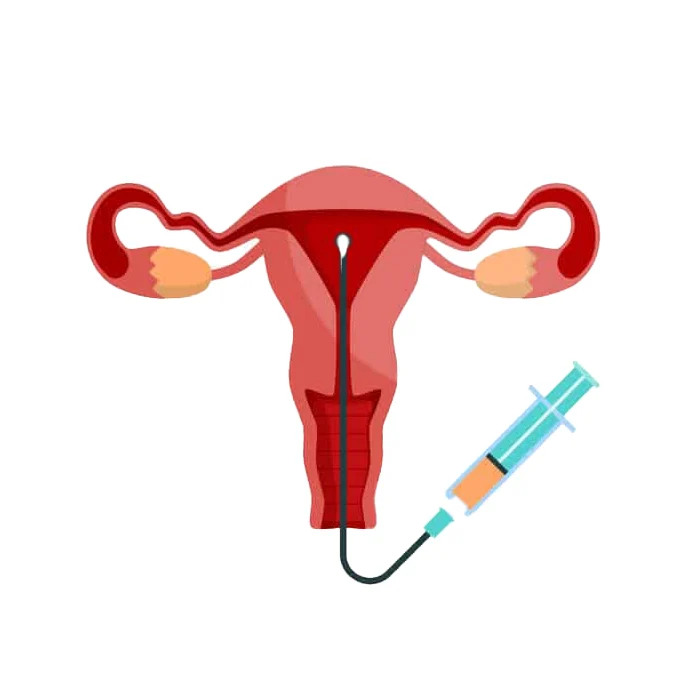
Having the right tools and using proper techniques can greatly improve your chances of success with at-home insemination. The most common method is the use of a needleless syringe or a cervical cap to insert the sperm into the vagina. It is important to follow the instructions carefully, and to ensure that the sperm is placed near the cervix for optimal chances of fertilization. Some couples also choose to use a soft cup or menstrual cup to hold the sperm near the cervix for a longer period of time.
5. Consider Alternative Methods
If you have been trying at-home insemination for a while without success, it may be worth considering alternative methods such as IUI or IVF. These methods have higher success rates but can be more expensive and invasive. It is important to consult with a fertility specialist to determine the best course of action for your individual situation.
6. Manage Stress and Stay Positive
Trying to conceive can be a stressful and emotionally draining process. It is important to manage stress and stay positive throughout the journey. Stress can negatively impact fertility, so finding healthy ways to cope, such as yoga, meditation, or talking to a therapist, can be beneficial. It is also important to stay positive and have realistic expectations. It may take multiple attempts to achieve a successful at-home insemination, so it is important to be patient and not get discouraged.
In summary, at-home insemination can be a successful method for individuals and couples trying to conceive. By knowing your fertility window, using high-quality sperm, preparing your body, using the right tools and techniques, considering alternative methods, and managing stress, you can greatly improve your chances of success. It is also important to remember that every person’s fertility journey is unique, and what works for one may not work for another. It is important to consult with a fertility specialist for personalized advice and guidance.